
Library | Asset Class
Multi-Asset / General
Investment strategies that allocate across multiple asset classes (e.g., equities, bonds, real estate, alternatives) for diversification.
Refine
1367 results
REFINE
SHOW: 16


AI in your portfolio: Risks & opportunities
Briefing paper outlining AI investment opportunities alongside systemic risks including bias, privacy, workforce disruption and environmental impacts. It highlights governance frameworks, due diligence tools and investor engagement strategies to support responsible AI investment practices and long-term portfolio resilience.
Hedging ambiguity with pro-social preferences: An illustration from green finance
The paper argues that pro-social preferences can offset ambiguity aversion in green finance by acting as a behavioural hedge. Using ambiguity-based investment models, the authors show socially motivated investors may accept uncertain green assets, lowering effective hurdle rates and supporting private capital flows into sustainable projects.
TNFD Learning Lab
TNFD’s Learning Lab is a free, open-access platform offering self-paced modules on nature-related issues and the TNFD framework. It provides videos, webinars, case studies and practical guidance to help finance and business professionals build capability in nature-related assessment, reporting and decision-making.
Systematic stewardship on the waterbed
Tröger argues corporate governance tools, including stewardship, say-on-climate votes and ESG-linked pay, cannot replace broad climate regulation. Firm-level interventions may trigger “waterbed effects”, shifting emissions rather than reducing them. Carbon pricing or comprehensive emissions caps are presented as more effective.
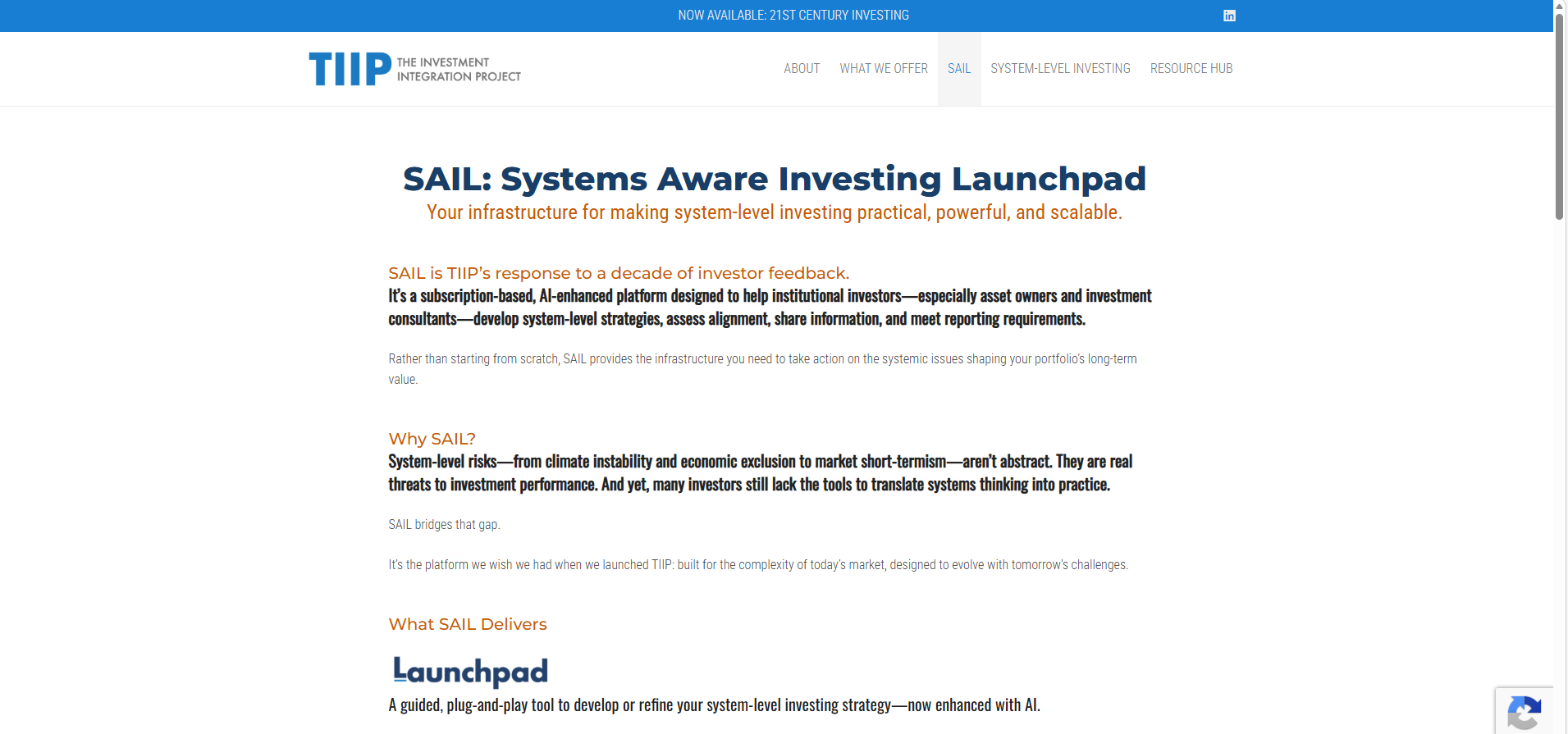
SAIL: Systems Aware Investing Launchpad
SAIL (Systems Aware Investing Launchpad) is an AI-enhanced platform developed by TIIP to support institutional investors in implementing system-level investing strategies. It provides tools for strategy development, benchmarking, reporting and collaboration, helping users assess and manage systemic environmental, social and financial risks.
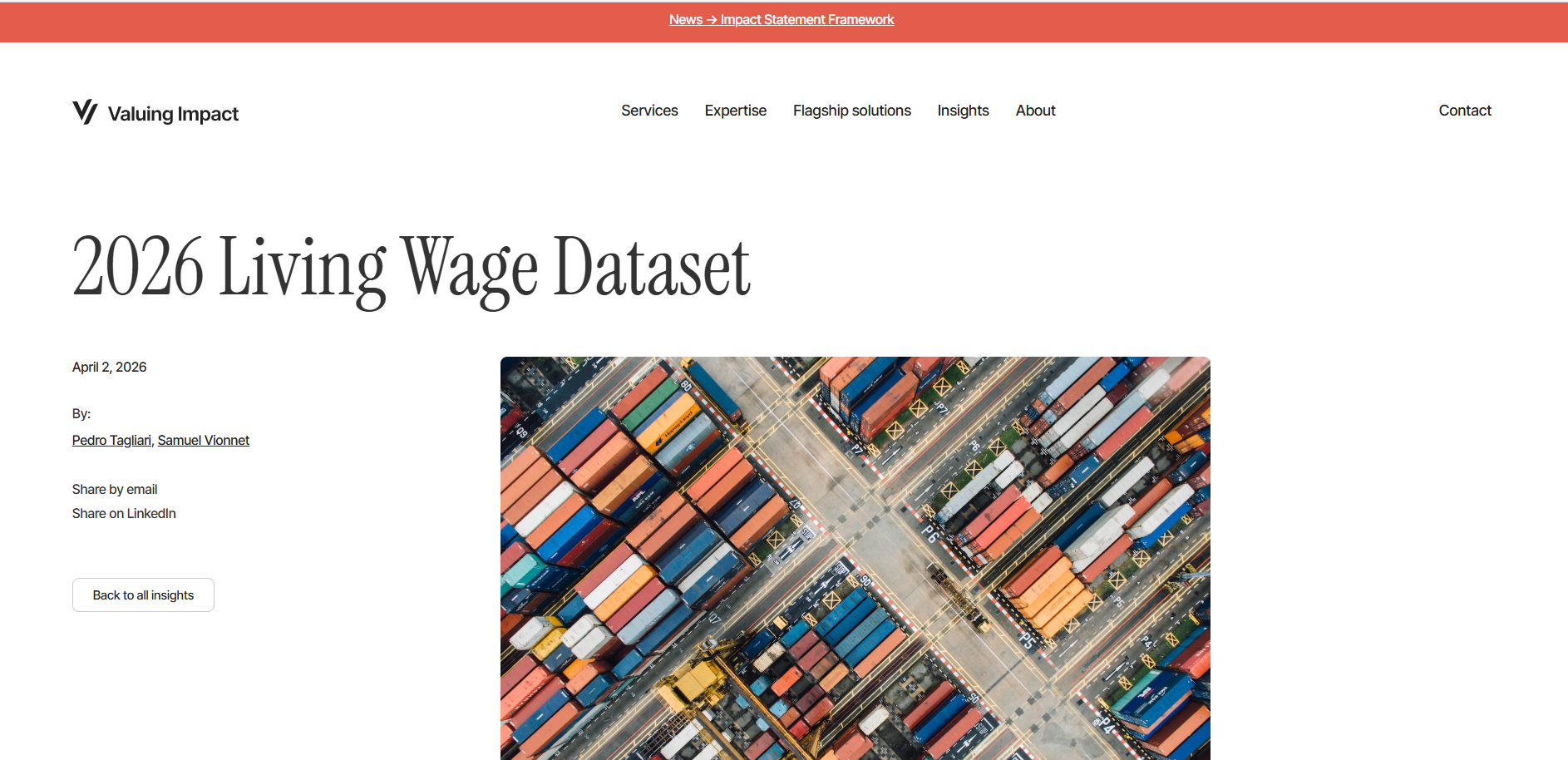
2026 Living Wage Dataset
The 2026 Living Wage Dataset by Valuing Impact is a free global database covering 217 countries and eight household scenarios. It uses the Anker and Anker methodology with updated cost-of-living data to estimate living wages for urban and rural households, supporting sustainability, labour practice and supply chain analysis.
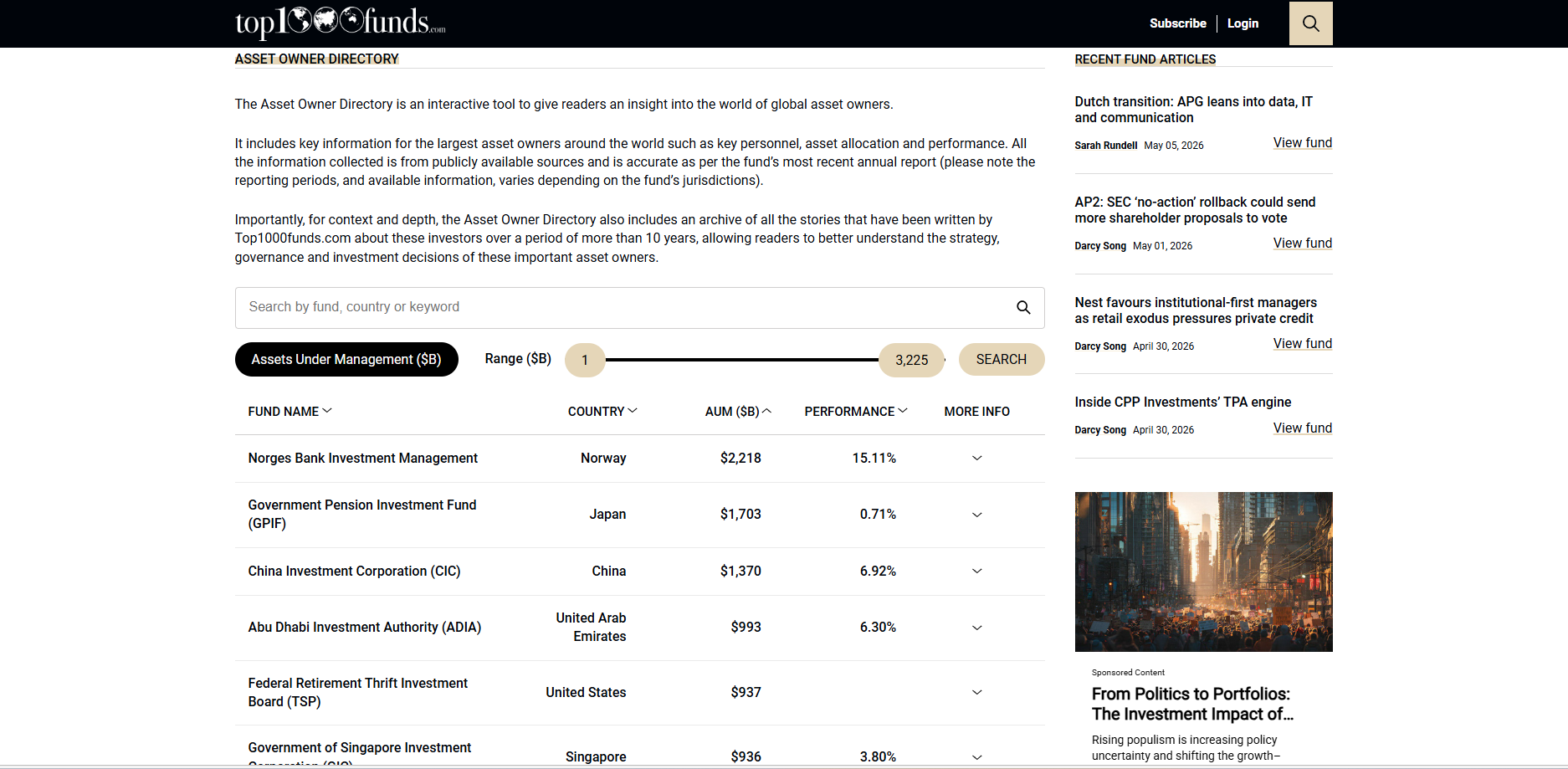
The Asset Owner Directory
The Top1000funds.com Asset Owner Directory is an interactive database of global asset owners. It provides publicly sourced information on key personnel, asset allocation and performance, alongside an archive of related articles covering investors’ strategy, governance and investment decisions.
Tackling governance and financing for sustainability transitions
The report argues current financial systems misallocate capital towards resource-intensive activities, hindering sustainability transitions. It recommends policy, governance and financial reforms to redirect investment towards resource efficiency, low-carbon development and equitable transition pathways, particularly in resource-dependent economies.
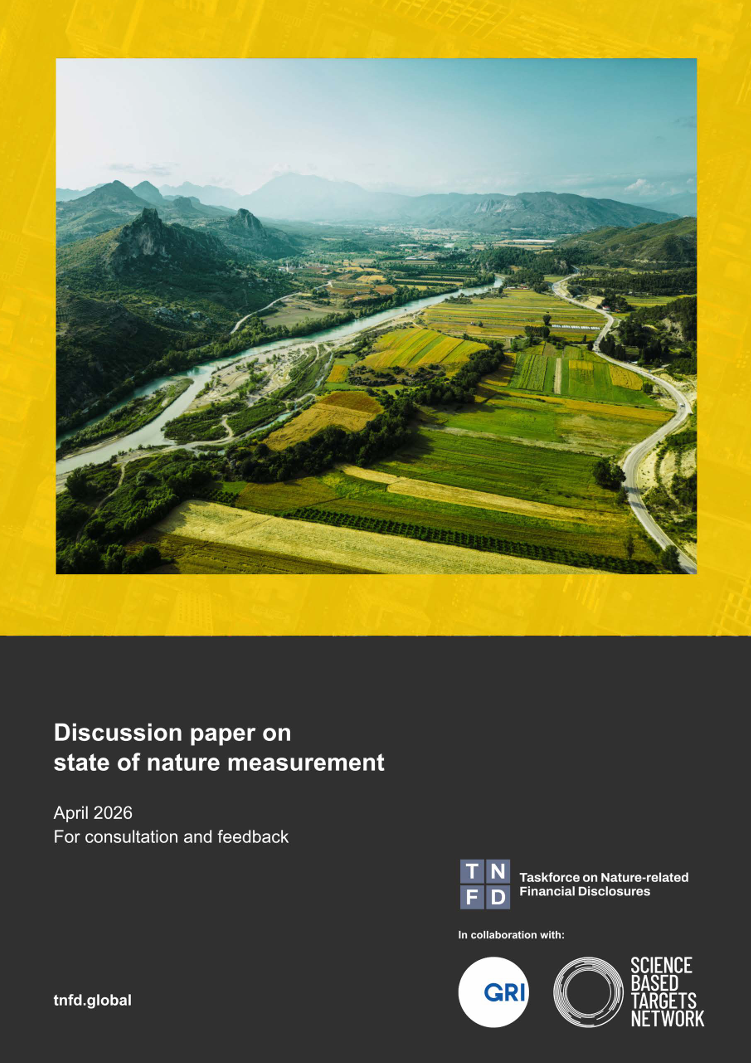
Discussion paper on state of nature measurement
Discussion paper outlines integrating state of nature metrics into TNFD, GRI and SBTN frameworks. It proposes embedding consensus metrics from the Nature Positive Initiative across assessment, disclosure, transition planning and target-setting, highlighting ecosystem extent and condition as central to evaluating nature-related dependencies, risks and opportunities.
Physical risk guide: For asset owners and asset managers
Guide outlines frameworks for assessing, managing and reporting physical climate risks in investment portfolios. It covers exposure mapping, hazard identification, financial impact metrics (e.g. AAL, Climate VaR), scenario analysis, adaptation strategies and regulatory alignment, emphasising integration into governance, risk management and disclosure processes.
Impact trickles down: A general equilibrium theory of stakeholder exit and engagement
Develops a multi-sided matching model showing stakeholder exit or engagement depends on whether harm scales with productivity. When it does, high-productivity stakeholders exit, triggering reallocation spillovers that reduce harm economy-wide. Firm-level analyses underestimate impact by missing these general equilibrium “trickle-down” effects.
NatureFinance: Resources & Tools
NatureFinance’s Resources & Tools hub provides a curated collection of reports, briefs and analytical tools focused on mobilising finance for nature-positive outcomes. It covers topics such as bioeconomy development, nature markets and innovative financing structures, supporting investors and policymakers in integrating nature-related considerations into financial decision-making.
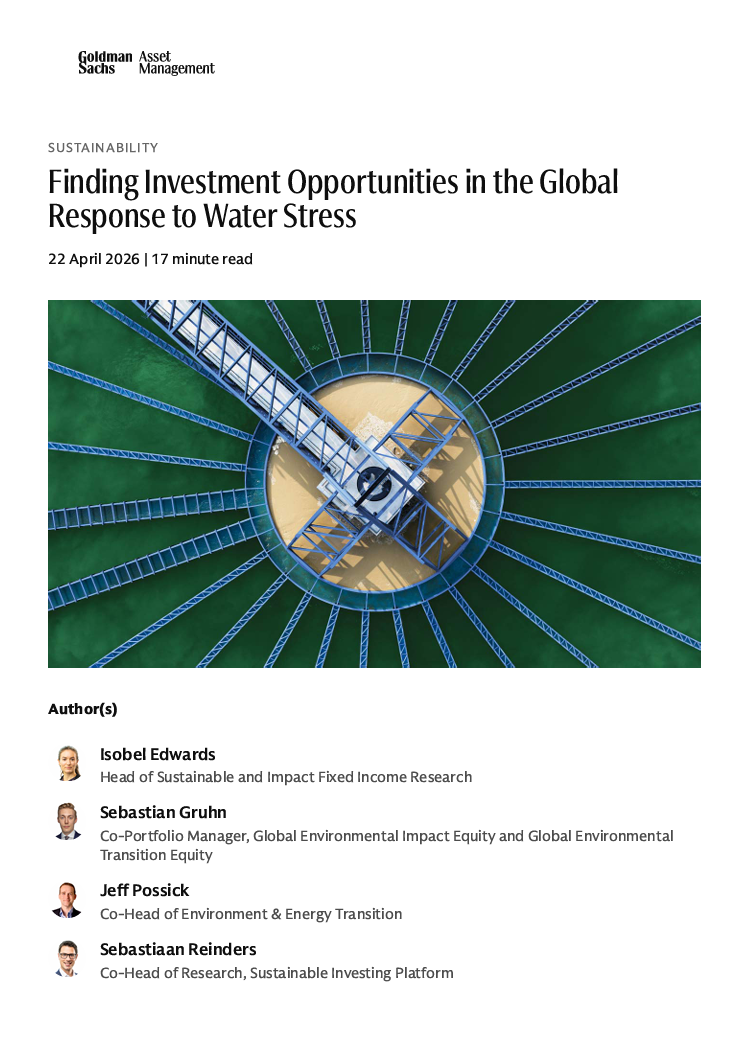
Finding investment opportunities in the global response to water stress
Examines investment opportunities arising from global water stress, focusing on infrastructure renewal, risk management and efficiency gains. Outlines how investors can identify growth across asset classes and technologies addressing water scarcity, supporting resilience, cost reduction and long-term economic trends.
OECD Green Finance and Investment library
OECD’s Green Finance and Investment series provides policy analysis and guidance to mobilise public and private finance for green growth. It examines how regulatory frameworks and investment strategies can scale funding for low-carbon, climate-resilient and resource-efficient infrastructure, technologies and businesses.
Investor democracy
Examines investor democracy in pension funds using deliberative mini-publics and a binding member vote. Finds informed deliberation shifts preferences towards impact investing despite potential lower returns, with broader member support leading to increased allocations, demonstrating how structured participation can guide sustainable investment decisions.
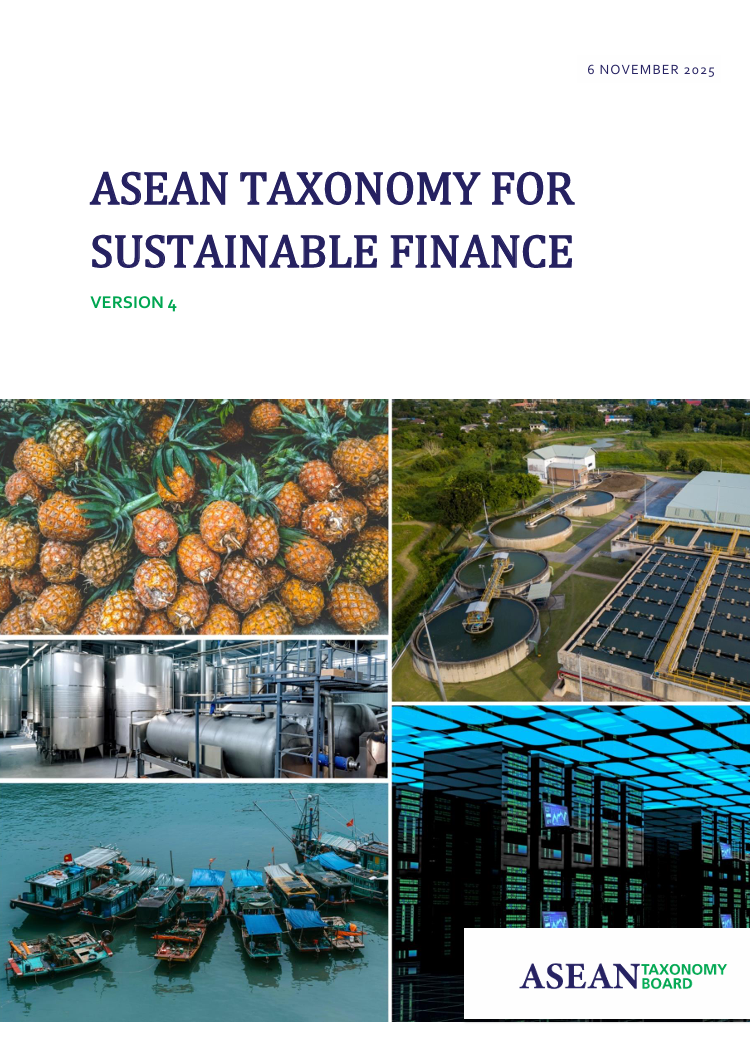
ASEAN taxonomy for sustainable finance series
The ASEAN Taxonomy for Sustainable Finance is a benchmark series that provides a common framework to classify sustainable economic activities across ASEAN. It guides financial institutions, policymakers and market participants in assessing environmental objectives, supporting an orderly transition and alignment with regional and international sustainable finance standards.


