
Library | Asset Class
Multi-Asset / General
Investment strategies that allocate across multiple asset classes (e.g., equities, bonds, real estate, alternatives) for diversification.
Refine
864 results
REFINE
SHOW: 16


Climate Data Store (CDS)
The Climate Data Store (CDS) is an open-access platform providing authoritative climate datasets, including historical reanalysis and future projections. It enables finance professionals to assess physical climate risks, track greenhouse gas emissions, and integrate evidence-based environmental data into ESG reporting and investment analysis.

NGFS 2026 Nature Package
The NGFS 2026 Nature Package offers central banks and supervisors practical tools to integrate nature-related risks into financial stability assessments and macroeconomic modelling.
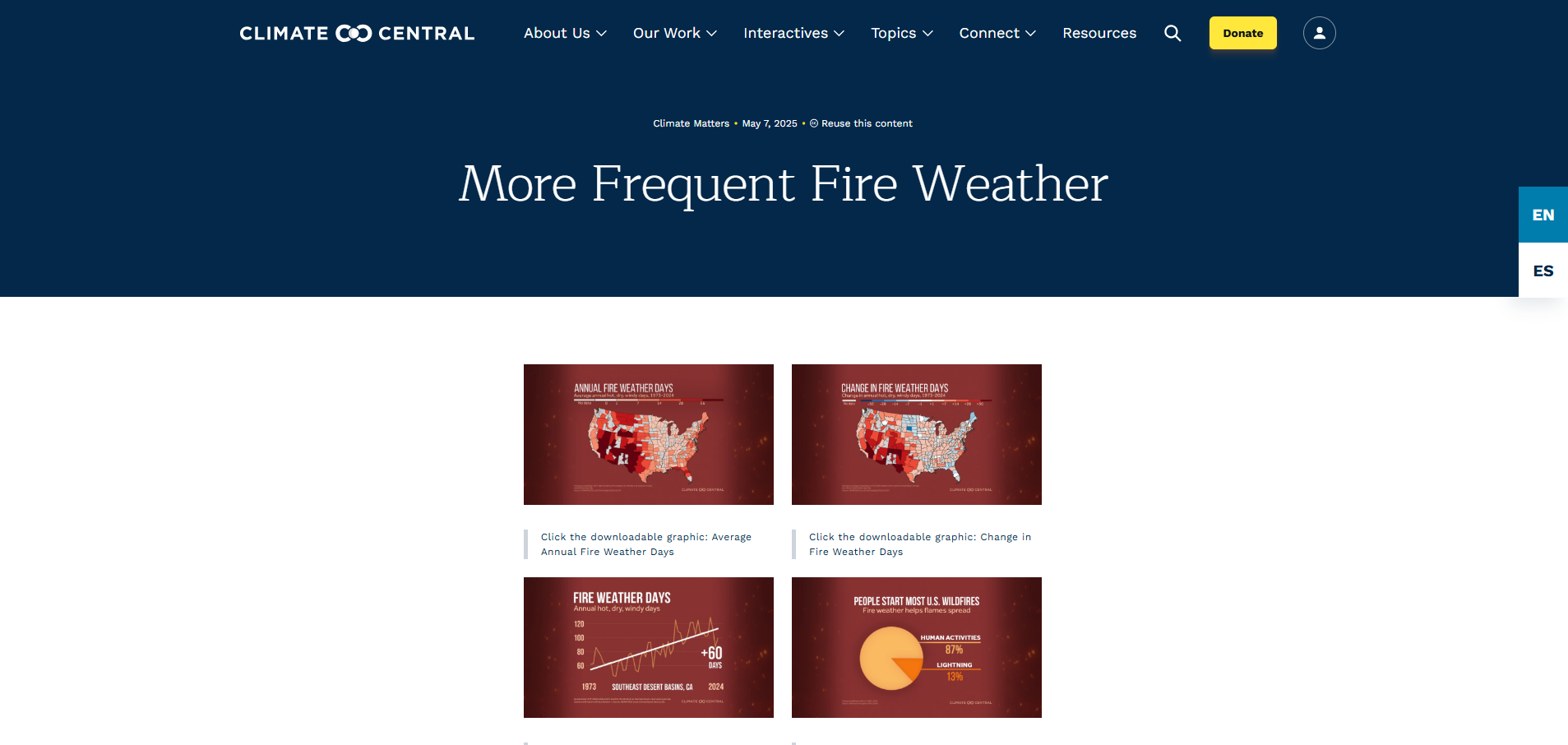
U.S. Fire Weather Historical Trends Data (1973-2025)
A dataset and analysis by Climate Central tracking fire weather trends across the U.S. from 1973 to 2025. It helps users understand the increasing frequency of high heat and low humidity conditions that drive wildfire risk.
The microstructure of AI diffusion: Evidence from firms, business functions, and worker tasks
This research examines AI diffusion through US firms, distinguishing between organisational adoption and worker-level use. While adoption is growing, it remains concentrated in large, knowledge-intensive sectors. Findings indicate AI primarily augments worker tasks, with capital substitution being more prevalent than labour displacement at this stage of technological integration.
Automation, learning, and career dynamics
This research examines how automating technology affects white-collar career dynamics and human capital. It identifies a potential 'human-capital trap' where automation reduces entry-level learning. The paper recommends targeted taxes on automation and subsidies for task-frontier expansion to maintain long-term welfare and professional skill development.
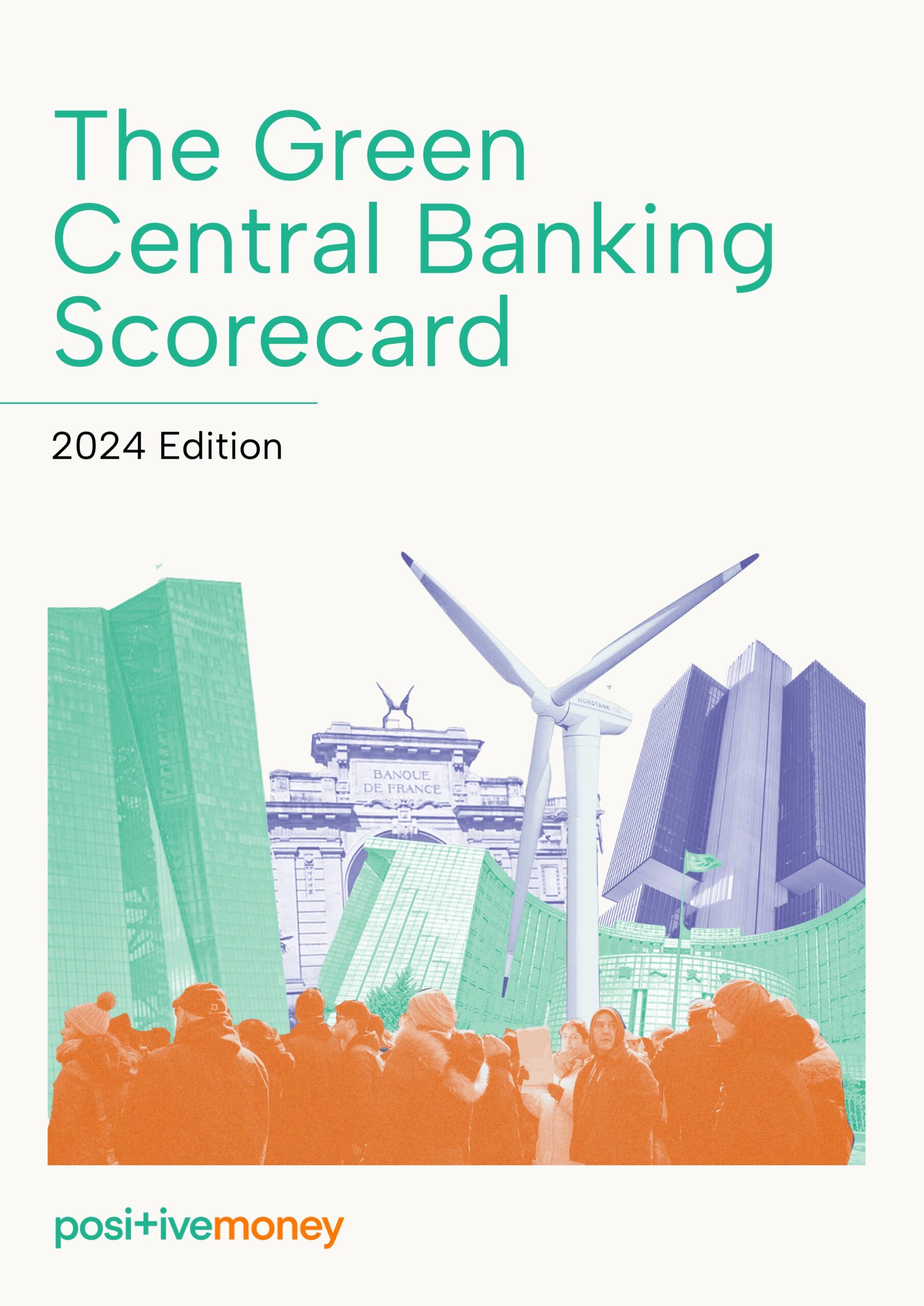
The green central banking scorecard series
The Green Central Banking Scorecard is a benchmark series that ranks G20 central banks and financial regulators on their progress in integrating environmental considerations into their operations. It assesses institutions across research and advocacy, monetary policy, financial policy, and leading by example categories to encourage a just green transition.

SBTi Corporate Net-Zero Standard version 2.0
The SBTi Corporate Net-Zero Standard Version 2.0 provides a framework for science-based target setting and implementation. It introduces an implementation hierarchy, transition planning requirements, and a voluntary Ongoing Emissions Responsibility programme. The standard focuses on context-specific targets and best-efforts delivery to reach net-zero by 2050.
Rust in motion: The political environmental trap of vehicle tax exemptions
This research examines Brazil's vehicle tax exemptions, finding that lower age thresholds increase fleet age, pollution and infant health risks. It identifies a 'political environmental trap', where raising exemption ages leads to significant electoral penalties for incumbents, despite the policies resulting in a net welfare loss.
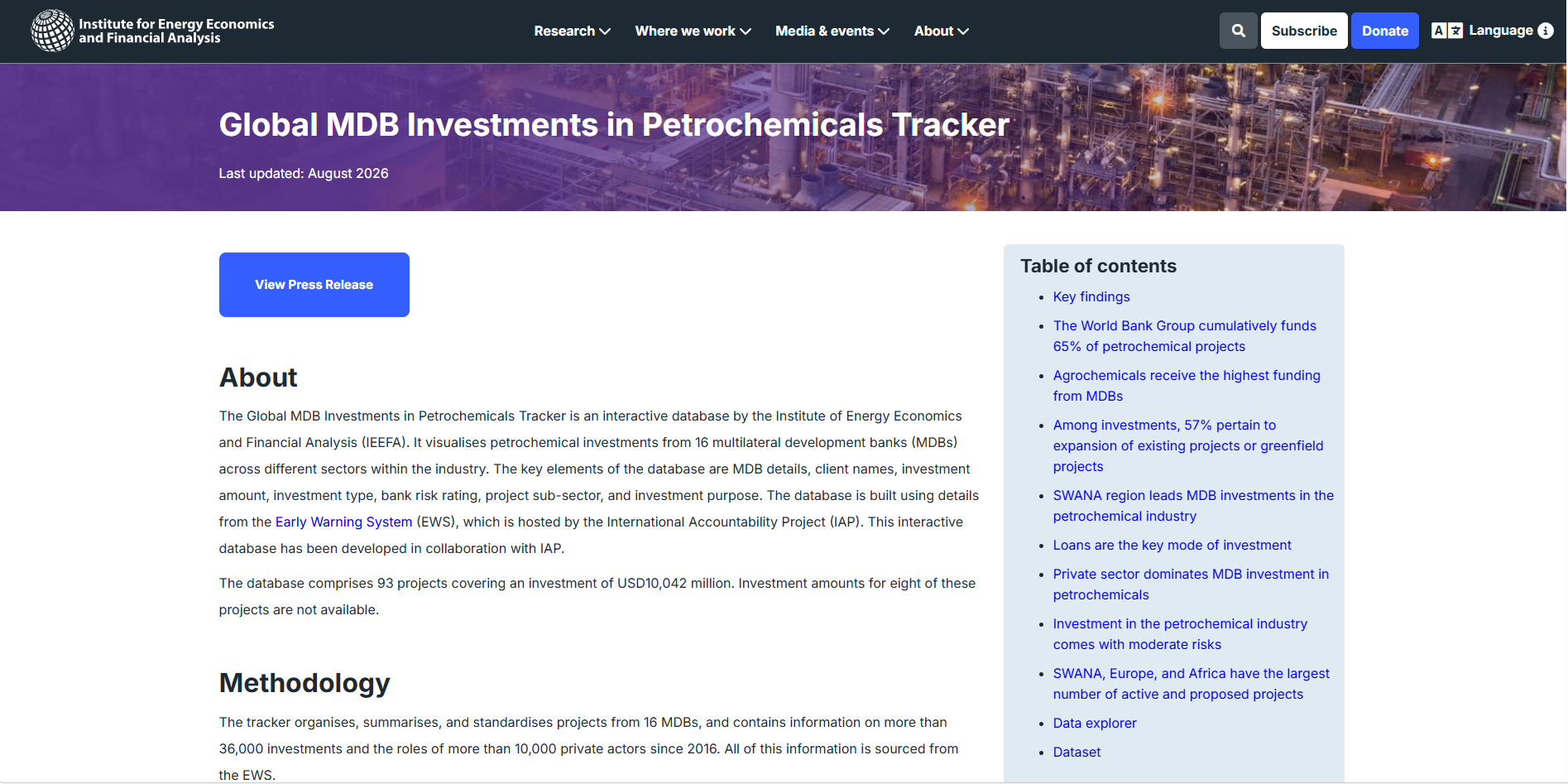
Global MDB Investments in Petrochemicals Tracker
An interactive database and map developed by IEEFA and IAP that tracks over USD 10 billion in petrochemical investments from 16 multilateral development banks, highlighting institutional exposure to fossil-fuel-intensive projects.
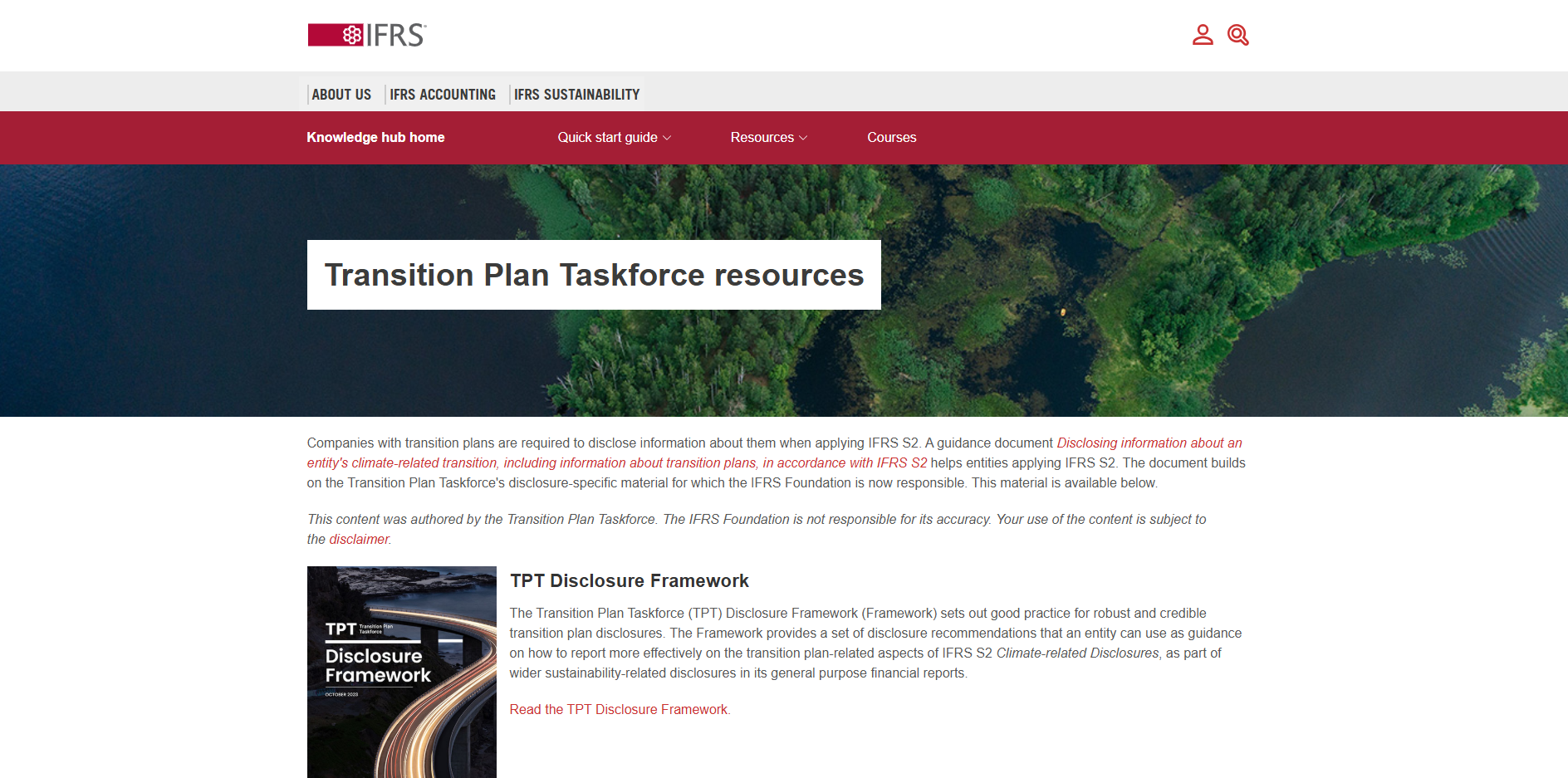
Transition Plan Taskforce Resources
A suite of guidance materials, including the TPT Disclosure Framework and sector-specific guides, designed to help organisations create and disclose robust climate transition plans in alignment with IFRS S2.
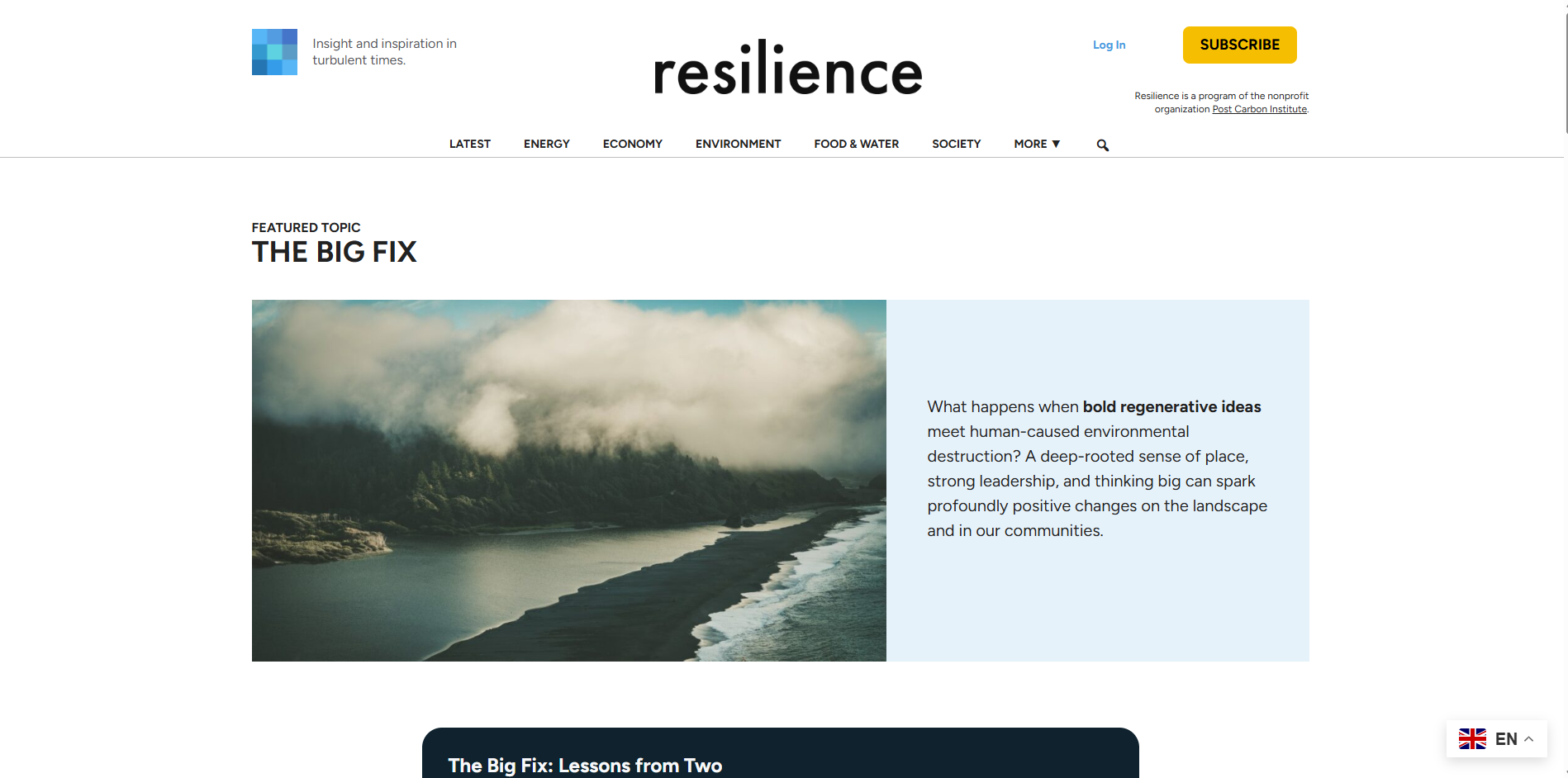
The Big Fix Resource Collection
The Big Fix is a resource hub from Resilience.org and the Post Carbon Institute focused on systemic resilience. It provides curated research and news to help professionals understand and navigate the interconnected ecological and economic challenges of the 21st-century polycrisis.
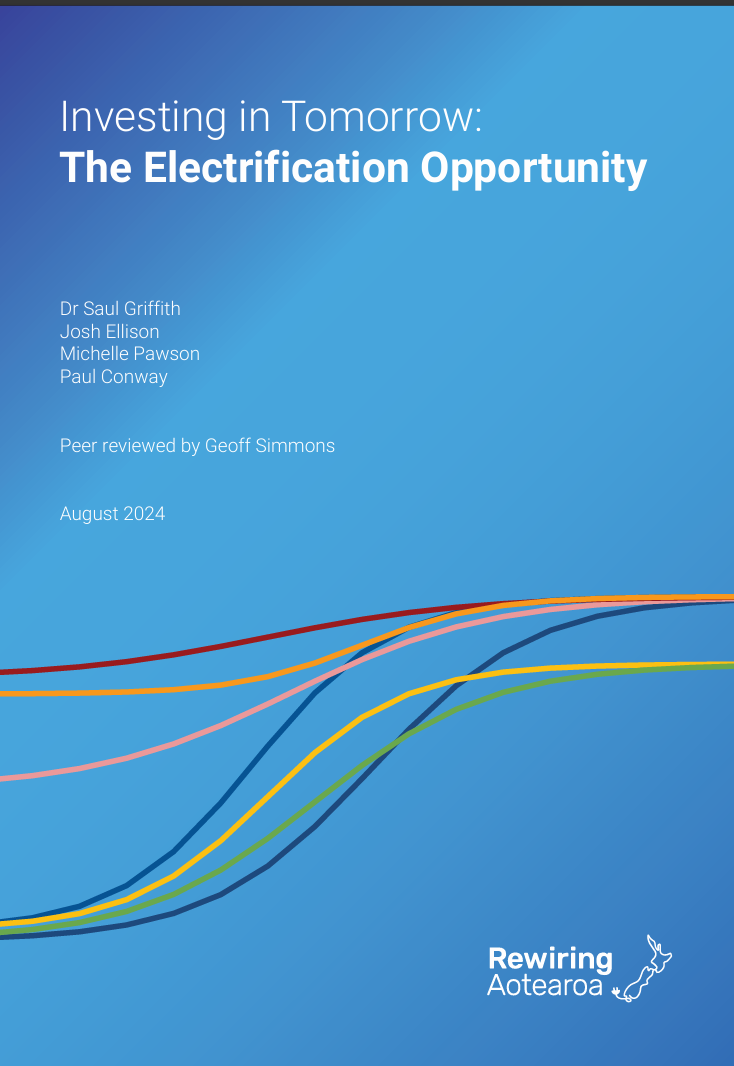
Investing in tomorrow: The electrification opportunity
New Zealand households and businesses could save $10.7 billion annually by 2040 through electrification. This report details how replacing fossil fuel appliances and vehicles with electric alternatives, supported by solar and batteries, reduces total energy use by 70% and provides cumulative national savings of $95 billion while substantially cutting emissions.
Unlocking catalytic capital in Australia
This report examines the role of catalytic capital in Australia, exploring how flexible, risk-tolerant investment can mobilise private capital for social and environmental impact. It defines the current market, identifies barriers to growth, and provides case studies of successful deployment across philanthropic, government, and institutional sectors.

Hot summer economics: Economic effects of the hot European summer of 2026
This report examines the economic impact of the 2026 European heatwave, estimating a 1% reduction in EU-wide GDP. It details effects on labour productivity, agriculture, and energy sectors while warning of a 'doom loop' where climate damage leads to the weakening of environmental policies to protect short-term growth.

Super-duper El Nino and the bigger problem
This report analyses the 2026 super El Nino, identifying it as the strongest in the modern record. It discusses accelerating human-made global warming, the doubling of Earth’s energy imbalance, and severe health implications. Findings highlight that rising temperatures significantly increase mortality risks for vulnerable populations across Europe and Asia.

Legal opinion on enabling impact investing
This legal opinion examines how the Trusts Act 2019 enables New Zealand trustees to engage in impact investing. It reframes fiduciary duties, addresses perceived barriers like SIPO wording, and provides practical realities for organisations seeking to align capital investments with charitable purposes while generating financial returns.


