
Library | Sustainable Finance Practices
ESG Integration and analysis
Tools, methodologies, and frameworks for embedding ESG factors into financial analysis, valuation, credit assessment, underwriting, and portfolio management, while separating out broader strategic elements.
Refine
537 results
REFINE
SHOW: 16


State of transition in sovereigns series
Assessing Sovereign Climate-related Opportunities and Risks (ASCOR) is a benchmark series that provides an investor-led framework to assess how sovereigns manage climate-related risks and opportunities. It supports sovereign bond analysis, engagement, and comparison by evaluating national policies, emissions pathways, and climate finance using transparent, publicly available information.
Transition forecast series
This benchmark series presents forward-looking assessments of global energy, land use and nature transitions. It consolidates expert judgement with structured policy tracking to outline plausible transition pathways across major economies, supporting investors and financial institutions in scenario analysis, risk assessment and strategic planning.

Energy Transition Advisers (ETA)
ET Advisors is a sustainability and climate advisory firm supporting investors, corporates and financial institutions. It provides research-led advice on climate transition, ESG strategy, sustainable finance and long-term value creation, helping organisations manage risk and align with global sustainability and net zero goals.

Climate Engagement Canada
Climate Engagement Canada is an investor-led collaborative initiative supporting corporate climate action in Canada. It engages companies on net-zero alignment, climate governance and transition planning, using benchmarks, dialogue and public reporting to drive accountability, manage climate risk and support a just transition.
Net 0 Tracker
Net Zero Tracker is a publicly accessible database tracking net zero targets and progress of countries, regions, cities and companies. It standardises information on pledges, legal status and implementation, supporting comparison, accountability and evidence-based analysis of climate commitments.

Climate fiduciaries: part III – mind the model gap
The article explores how pension funds rely on imperfect climate models to assess financial risk and whether fiduciary duty requires deeper scrutiny of their assumptions. It highlights emerging legal challenges, model limitations, and the shift toward richer scenarios and climate narratives in investment decision-making.
Global carbon budget series
The Global Carbon Budget is a recurring research series that synthesises global data on carbon dioxide sources and sinks. It provides a consistent framework for tracking emissions, atmospheric concentrations, and carbon uptake across land and oceans, supporting analysis of climate system dynamics and policy-relevant assessment over time.
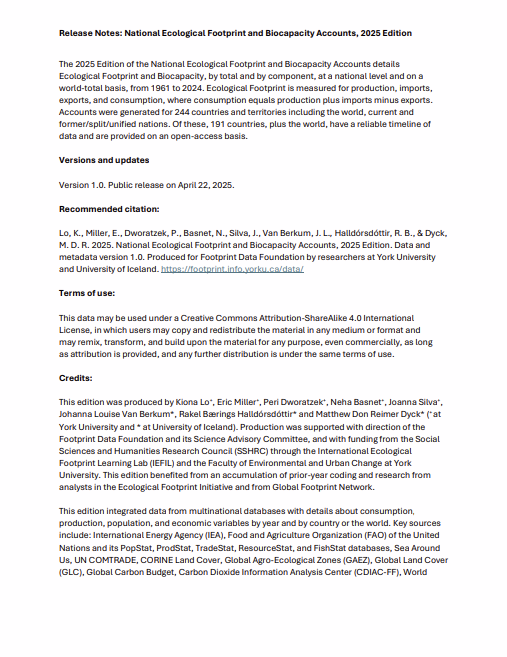
National ecological footprint and biocapacity accounts series
This series provides consistent national and global accounts of ecological footprint and biocapacity, tracking resource demand and regenerative capacity over time. It supports comparative analysis across countries and years, using harmonised methods and internationally sourced data to inform sustainability assessment and policy analysis.
Women’s equality in the workplace series
This research series examines workplace gender equality across publicly listed companies using a consistent assessment framework. It evaluates corporate policies, practices, and disclosures related to gender balance, pay equity, leadership representation, and inclusion to support comparative analysis and responsible investment decision-making.
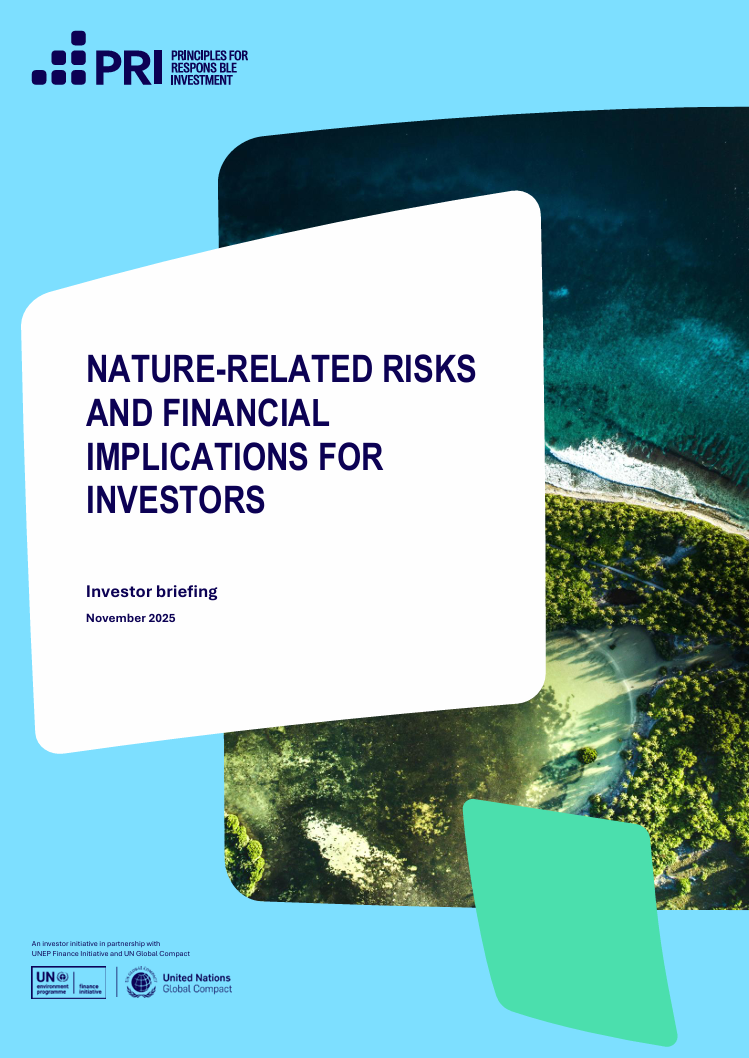
Nature-related risk and financial implications for investors
This investor briefing examines how nature-related physical, transition and system-level risks translate into financial risks for investors. It outlines macroeconomic and company-level impacts, and describes how institutional investors can integrate nature considerations into investment strategies, stewardship and policy engagement.
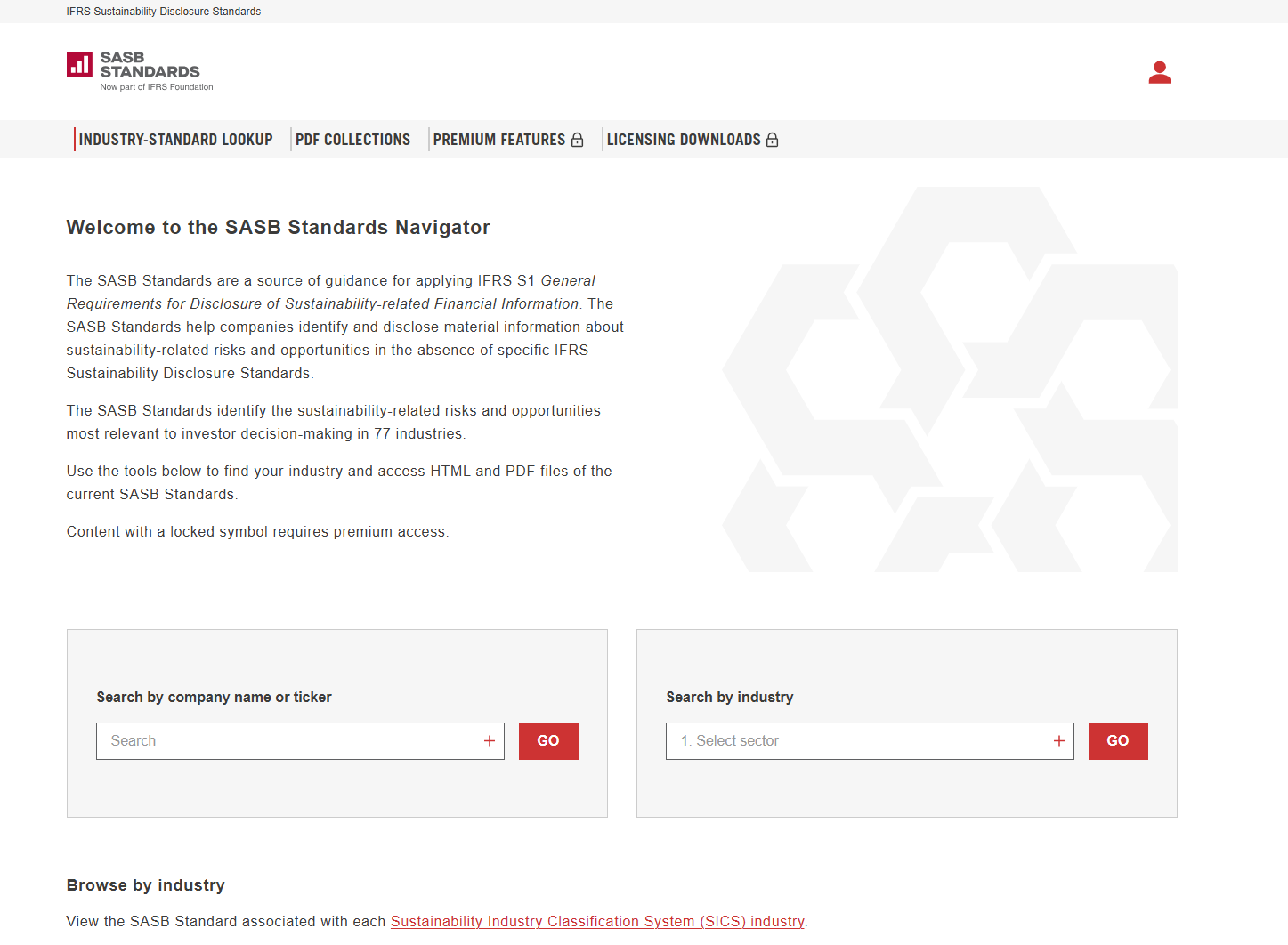
SASB Standards Navigator
The SASB Standards Navigator is an online database that enables users to explore industry-specific sustainability disclosure standards. It allows comparison of topics, metrics, and guidance across industries to support consistent ESG analysis and corporate reporting aligned with investor needs.
Mobilising investment for climate adaptation
This report assesses Australia’s escalating climate risks and argues for scaling adaptation investment. It recommends improved valuation methods, a nationally coordinated adaptation investment framework, and diversified public-private financing mechanisms to reduce long-term economic damage and enhance resilience.
Climate and catastrophe insight series
The Climate and Catastrophe Insight is an annual research series that provides a consistent global view of natural disaster activity and climate-related catastrophe trends. It examines impacts on people, assets and economies to support risk assessment, resilience planning and long-term decision-making.
Net Zero Asset Managers' target disclosures series
The Net Zero Asset Managers Target Disclosures is a reporting series that tracks how participating asset managers set, disclose, and update net zero targets over time. It provides a consistent, initiative-wide view of commitments, disclosure practices, governance arrangements, and methodological approaches across reporting years.

Aon
Aon is a global professional services firm providing risk, insurance, reinsurance, health, retirement and human capital solutions. Aon helps organisations manage risk, enhance resilience and improve performance using data, analytics and advisory services across climate risk, catastrophe modelling, employee benefits and financial risk management.

Footprint data foundation
Footprint Data Foundation (FoDaFo) is a not-for-profit organisation that governs the National Footprint and Biocapacity Accounts. It ensures ecological footprint data are accurate, transparent and independent, supporting researchers, policymakers and sustainability practitioners with robust environmental accounting used globally.


