
Library | Sustainable Finance Practices
Governance and directors’ duties
Resources on the responsibilities of boards and directors in overseeing sustainability, ensuring accountability, fulfilling fiduciary duties, and promoting long-term value creation.


Refine
153 results
REFINE
SHOW: 16


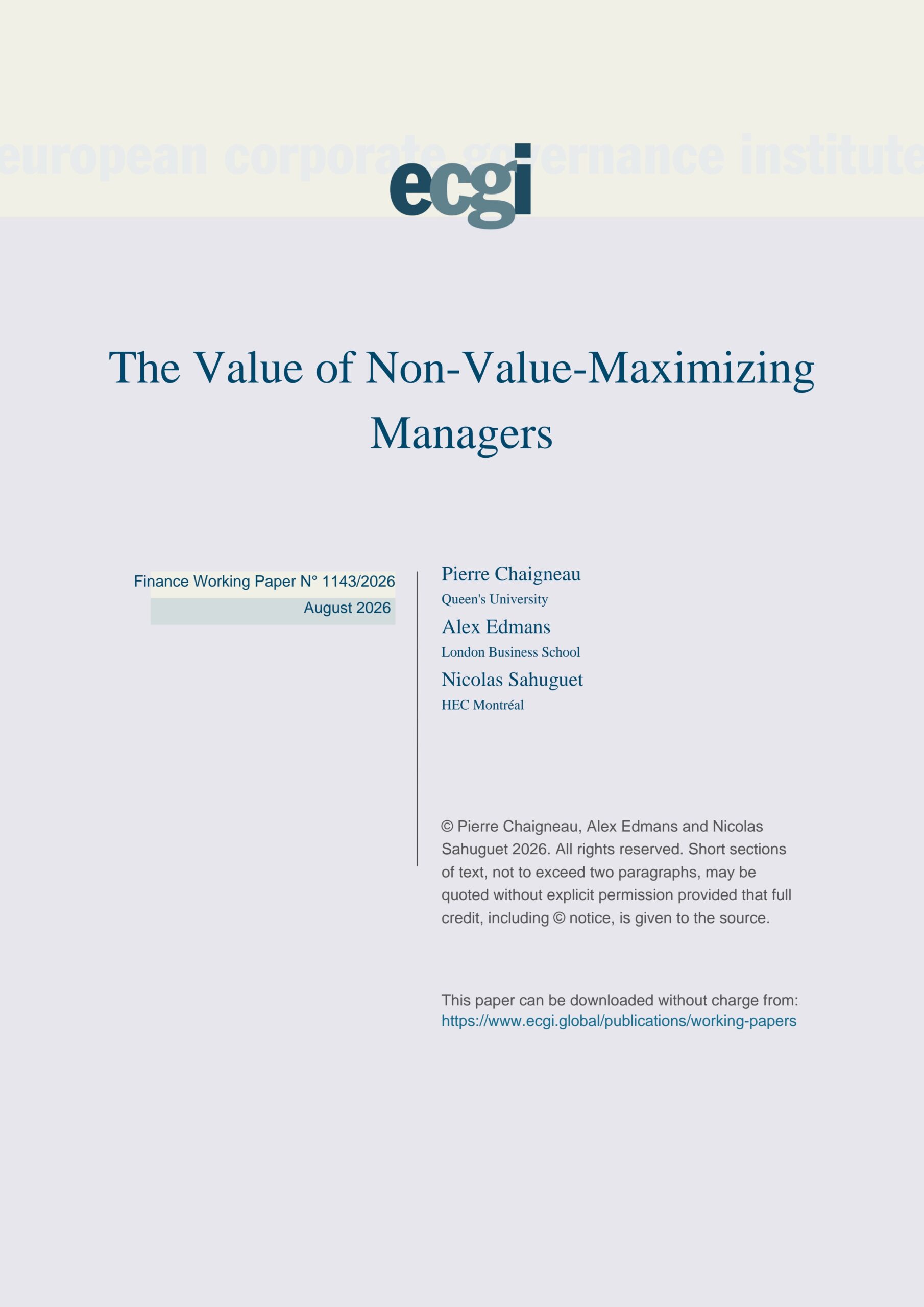
The value of non-value-maximizing managers
This research argues that hiring managers biased towards poorly-measured goals, such as social impact, is often optimal. This selection allows organisations to implement high-powered financial incentives for well-measured tasks without neglecting non-financial objectives. The study highlights how managerial selection and incentive design function as complementary governance tools.
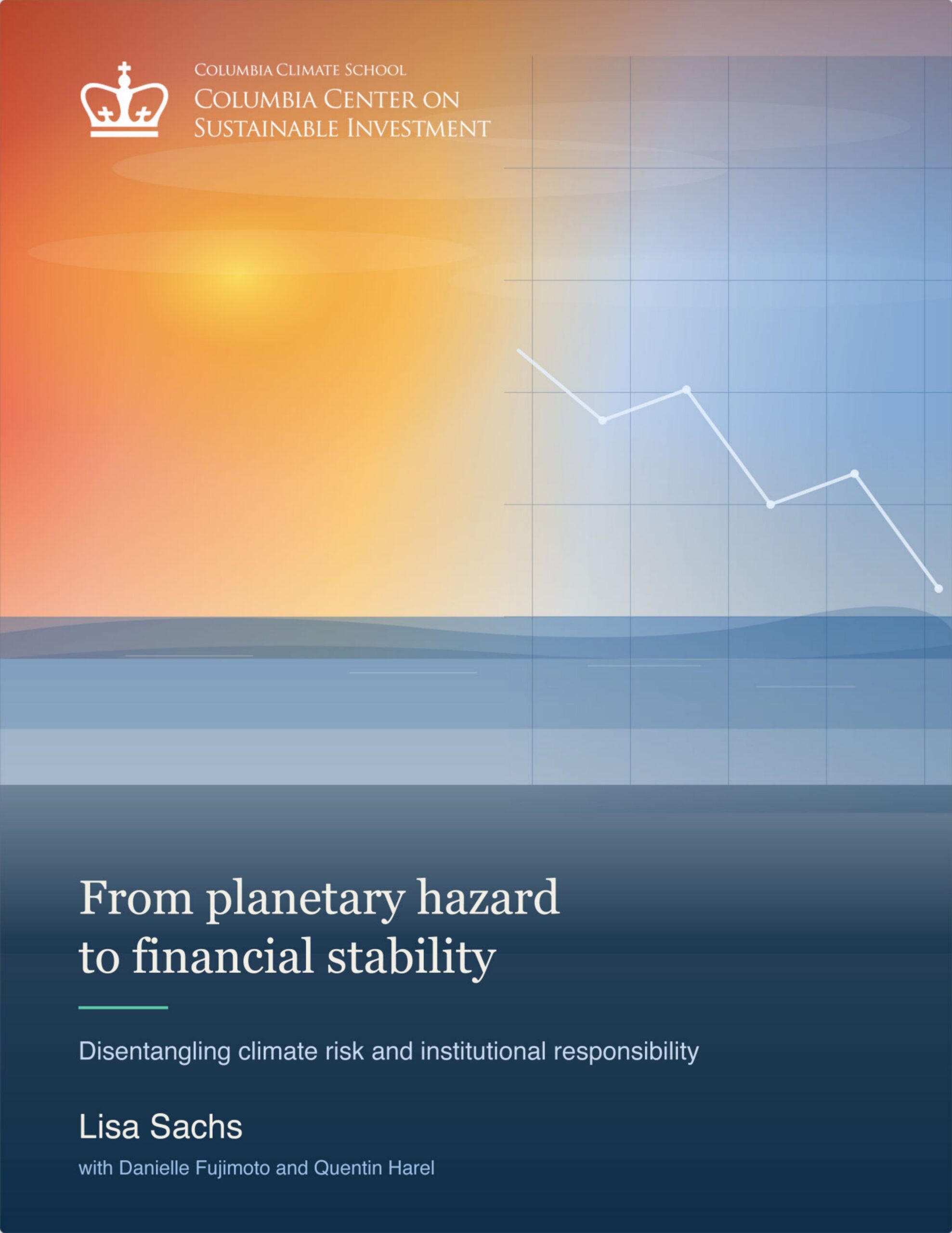
From planetary hazard to financial stability: Disentangling climate risk and institutional responsibility
This report identifies the misalignment between institutional mandates and climate risk expectations. It distinguishes between planetary, economic and financial risks, outlining six distinct responses. The authors argue that current frameworks distract from real-economy decarbonisation and shift climate costs onto public balance sheets, requiring clearer policy distinctions and instruments.
Governing climate credibility: Reviewing the governance of climate and sustainability standards
An independent review of governance across five leading climate standard-setters: GHGP, GRI, ISO, ISSB, and SBTi. The report evaluates structures, finance, and independence, identifying strengths and transparency gaps. It offers recommendations to enhance accountability, resource governance effectively, and ensure long-term credibility for net zero objectives.
Legal liability vs. proportional representation: What works in improving poor investor protection?
This research evaluates Korean governance reforms, comparing director legal liability with proportional representation. Findings indicate that markets react positively to increased director liability, especially for undervalued firms. Conversely, mandated proportional representation triggers negative reactions, as investors fear boardroom conflicts may hinder strategic decision-making and reduce board cohesion.

Legal opinion on enabling impact investing
This legal opinion examines how the Trusts Act 2019 enables New Zealand trustees to engage in impact investing. It reframes fiduciary duties, addresses perceived barriers like SIPO wording, and provides practical realities for organisations seeking to align capital investments with charitable purposes while generating financial returns.
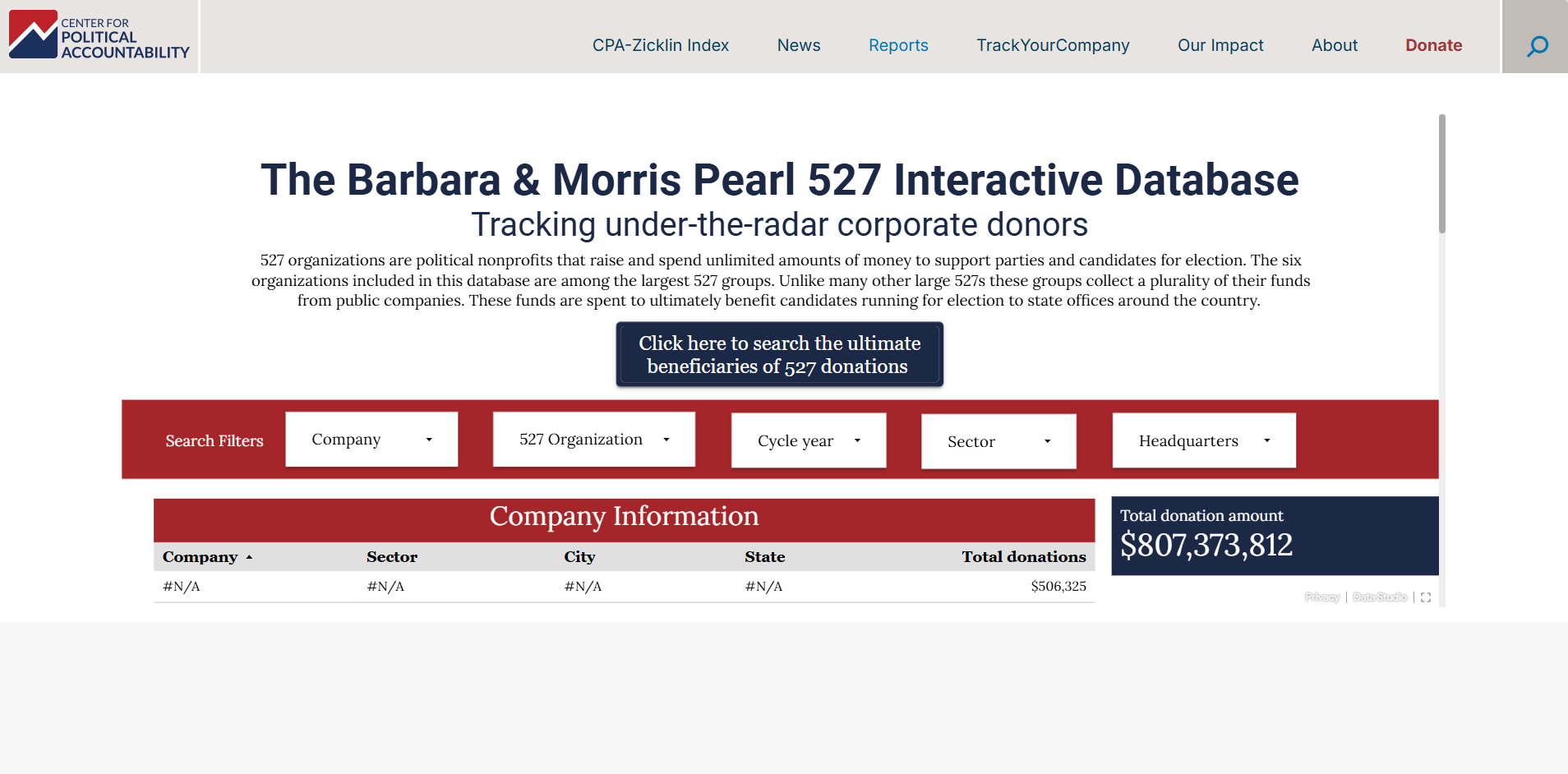
The Barbara and Morris Pearl 527 Interactive Database
The Barbara and Morris Pearl 527 Interactive Database tracks political donations from publicly traded US companies to 527 committees. Developed by the Center for Political Accountability, it helps finance professionals assess corporate governance and reputational risks related to political spending.
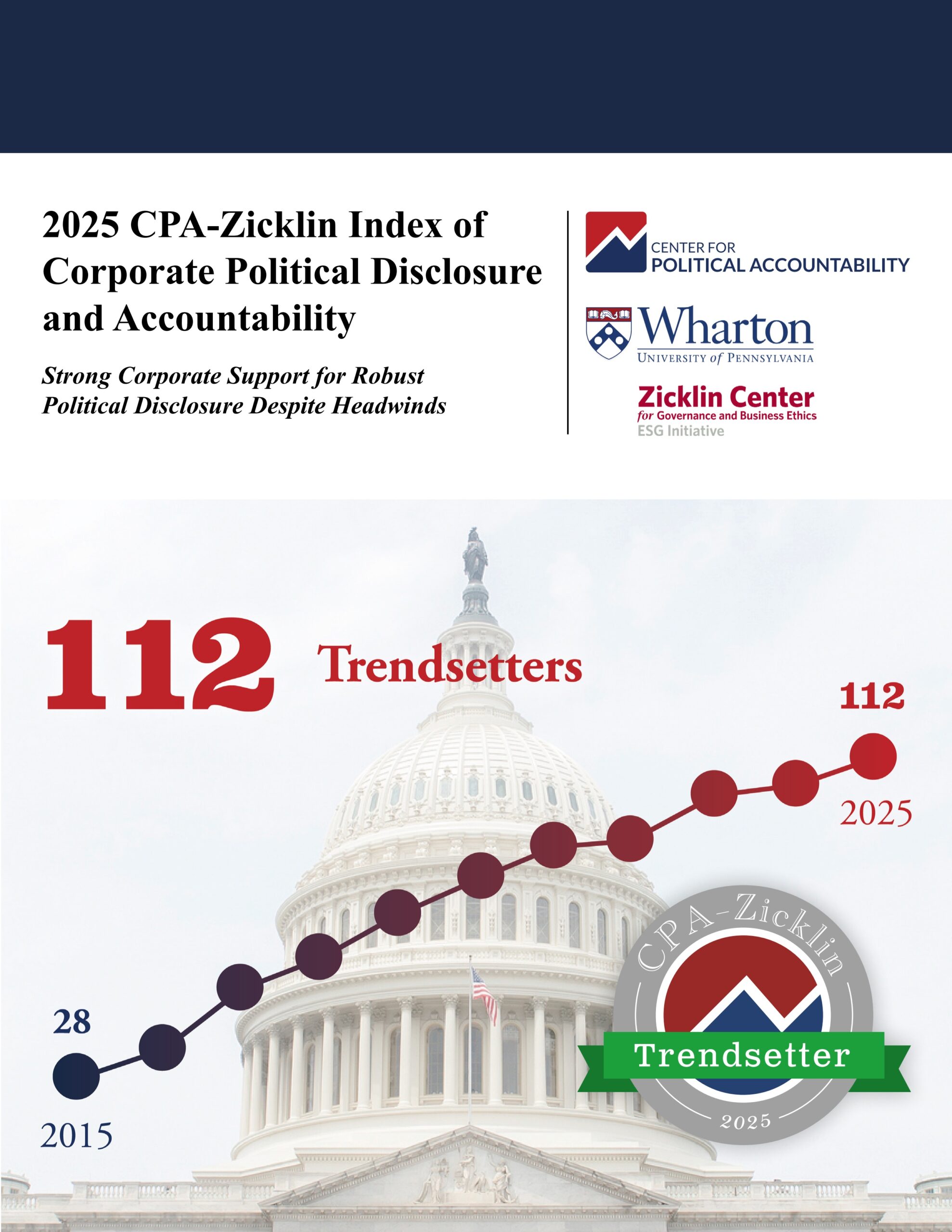
CPA-Zicklin Index of Corporate Political Disclosure and Accountability
This benchmark series evaluates corporate political disclosure and accountability practices among major US companies. It provides a structured analysis of transparency, board oversight, and spending policies for the S&P 500 and Russell 1000, enabling stakeholders to assess political risk and governance standards across different industries.
Templates in the EU Inc. regulation proposal
This research evaluates the European Commission’s Proposal for an optional 28th corporate law regime. It argues that proposed model articles of association fail to support venture capital-backed firms. The authors identify four shortcomings regarding scope, process, logic, and safe-harbour effects, suggesting a dedicated drafting track and broader coverage.
Stakeholder governance and corporate purpose in certified B Corps: Minimizing conflict and fostering collaboration
This research examines how Australian and New Zealand B Corporations implement stakeholder governance through corporate purpose. Based on 20 interviews, it identifies six roles for purpose in decision-making and signalling. The findings suggest that purpose-led models help attract supportive stakeholders and foster collaboration beyond mere conflict resolution.
ShareAction policy paper: Defending and strengthening the AGM as a forum for corporate accountability
This ShareAction report advocates for mandatory hybrid AGMs to ensure corporate accountability. It argues that online-only formats diminish shareholder scrutiny and enable management to stage-manage proceedings. The document recommends amending the 2006 Companies Act and provides case studies of poor virtual AGM practices across several major companies.
Fragmentation of shareholder power
This research examines how fund proliferation and stewardship decentralisation affect corporate governance. It finds that supply-driven growth weakens oversight, while demand-driven expansion by incumbents can strengthen it. Competitive adoption of pass-through voting improves investor preference alignment but often reduces monitoring incentives and firm value.
Using scenario analysis for future resilience: Top tips for pension fund chairs and trustees
This guide from Accounting for Sustainability supports pension fund chairs and trustees to move beyond simplified climate scenario analysis. It outlines the limitations of current models, provides practical examples from USS, NBIM and APG, and offers six actionable tips to embed scenario insights into strategic decision making.
Shareholder proposals and corporate governance in a season of regulatory uncertainty
This report analyses the 2025–2026 proxy season following the SEC's suspension of its no-action review process. Shareholders filed approximately 20% fewer proposals; companies filed over 100 fewer exclusion notices. Exclusions disproportionately affected novel and revised proposals, with proponents increasingly turning to litigation and alternative strategies to preserve shareholder rights.
Ethical & impactful usage of AI
This report by Do Harvey outlines an ethical framework for AI usage, highlighting environmental impacts, security risks, and bias concerns. It advocates for transparent, client-opt-in adoption underpinned by human oversight, and summarises five modes of AI use to guide teams in making values-aligned, informed decisions.
Responsible AI in practice: 2025 global insights from the AI Company Data initiative
This report analyses publicly disclosed data from 2,972 companies across 11 sectors, revealing a significant gap between AI adoption and governance maturity. Only 13 per cent align their strategy with a formal framework, and few demonstrate adequate worker protections, ethical impact assessments, or training data oversight.

Weapons, dual use tech and financial institutions
This Shift briefing examines how financial institutions should approach human rights due diligence in relation to weapons and dual-use technologies. It identifies four key challenges, six anchors grounded in international humanitarian law, and six practical approaches to support responsible defence-related lending and investment decisions.


