
Library | Sustainable Finance Practices
Industry standards and guidance
Voluntary standards, non-legislative frameworks, methodologies, and best-practice guidance that support financial institutions in achieving sustainability objectives.

Refine
283 results
REFINE
SHOW: 16


Innovations in sustainability systems to support corporate due diligence
A resource hub from ISEAL Alliance providing case studies on how sustainability systems support corporate due diligence. It explores innovations like gamified worker training and digital risk assessments to improve supply chain transparency and human rights monitoring.
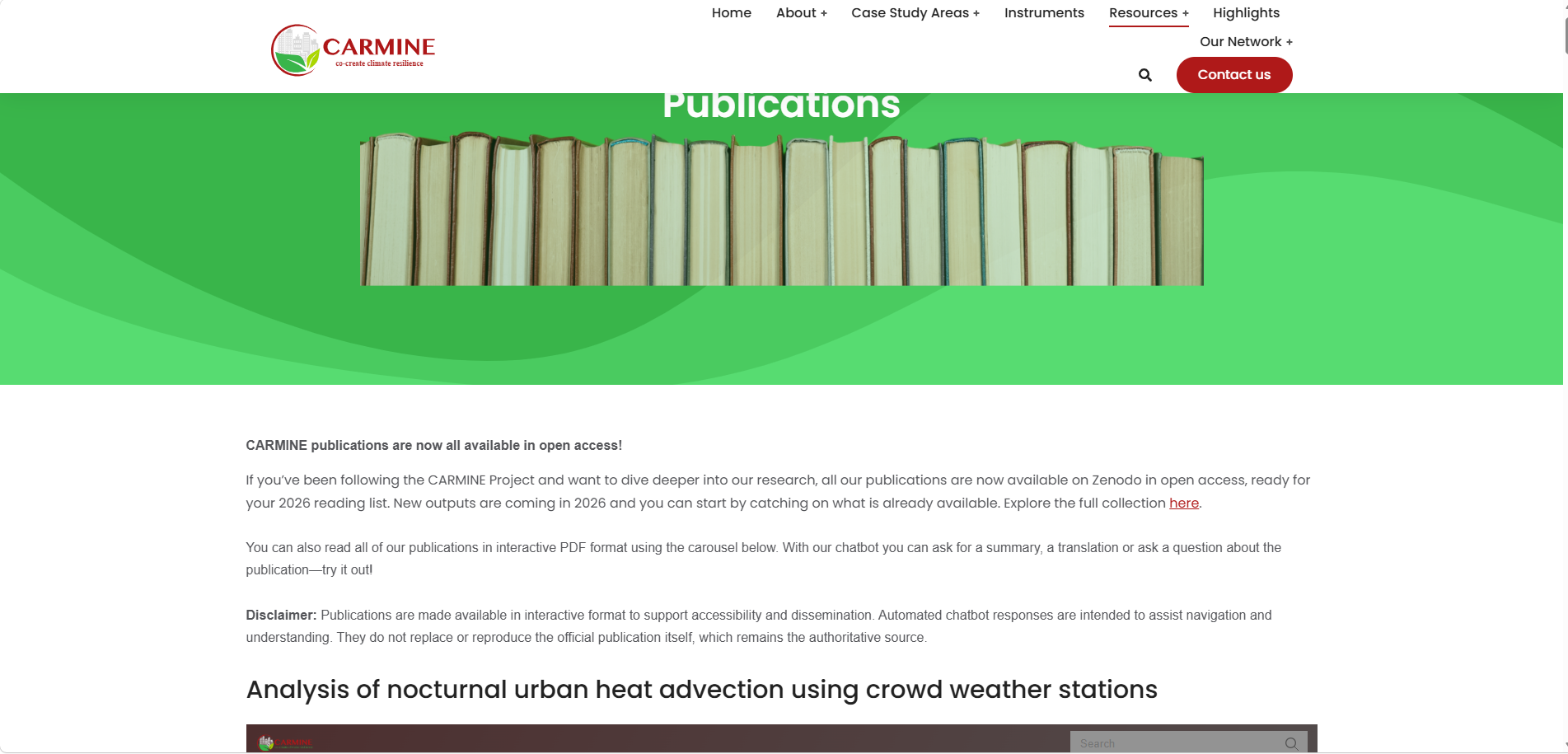
Collection of Open-Access CARMINE Publications
A comprehensive repository of open-access research and deliverables from the CARMINE project, providing advanced climate-risk assessment methodologies and case study data to support environmental resilience and informed financial risk analysis.
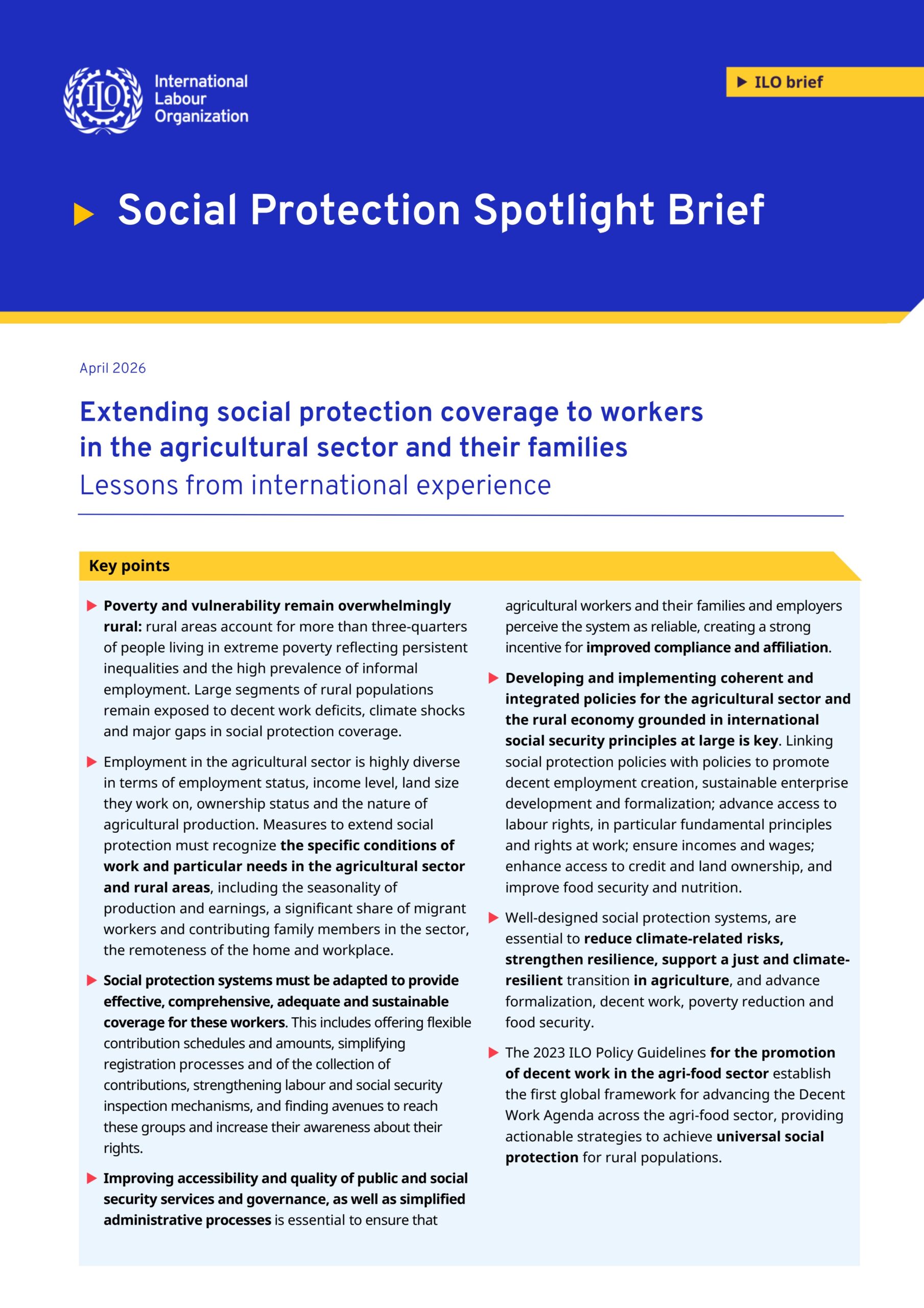
Extending social protection coverage to workers in the agricultural sector and their families: Lessons from international experience
Report examines extending social protection to agricultural workers. Highlighting that rural areas account for more than three-quarters of the extreme poor, it identifies barriers like legal exclusion and informal employment. It presents international solutions, including flexible contribution schedules and mobile service delivery, to achieve universal coverage for rural populations.
AI systems at work: A changing psychosocial work environment
This International Labour Organization report examines the psychosocial risks of AI systems in workplaces. It identifies how algorithmic management and advanced robotics impact mental health, autonomy, and privacy. The paper advocates for integrated regulatory frameworks across labour law and safety standards to protect workers from emerging digital hazards.
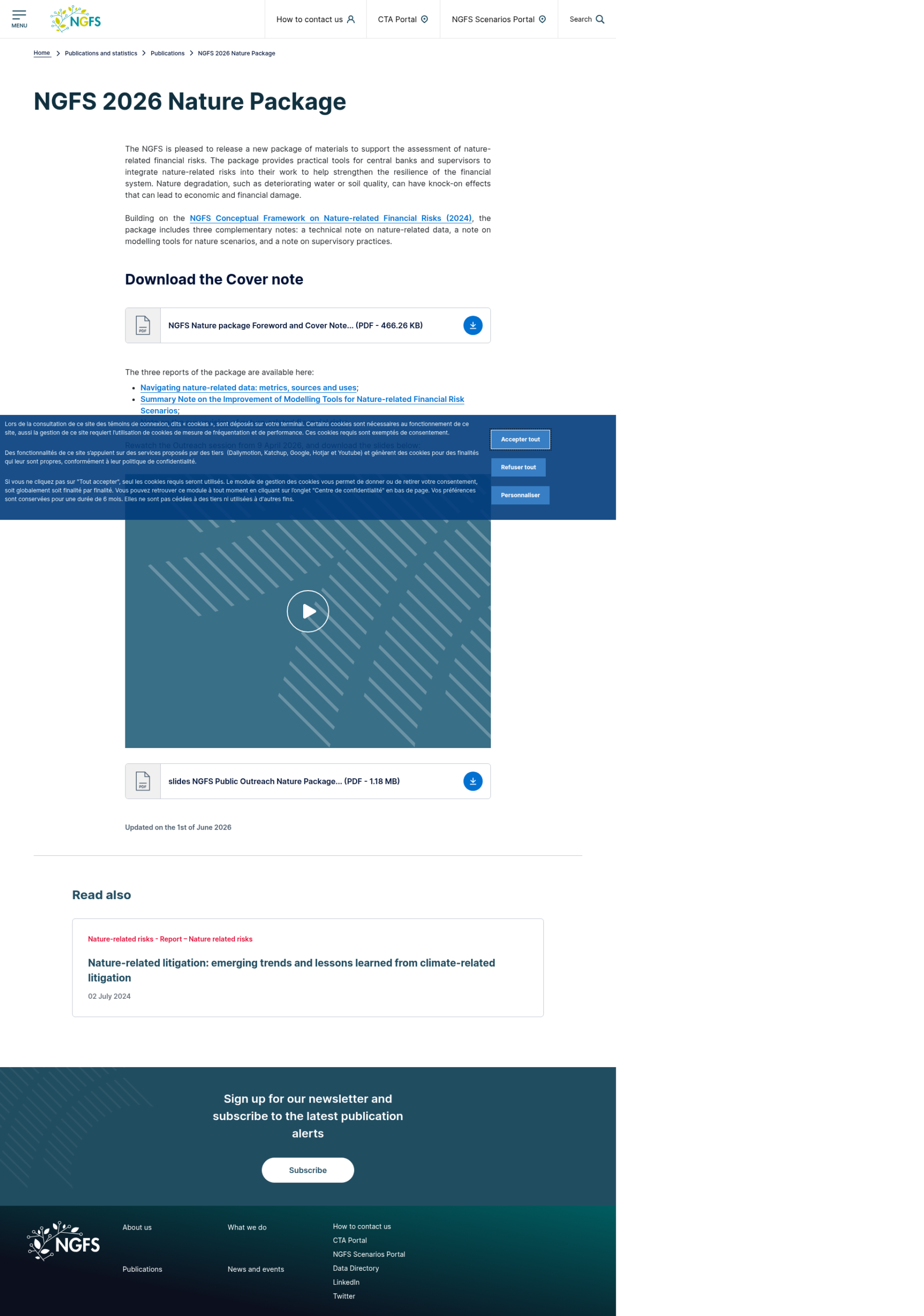
NGFS 2026 Nature Package
The NGFS 2026 Nature Package offers central banks and supervisors practical tools to integrate nature-related risks into financial stability assessments and macroeconomic modelling.
SBTi Corporate Net-Zero Standard version 2.0
The SBTi Corporate Net-Zero Standard Version 2.0 provides a framework for science-based target setting and implementation. It introduces an implementation hierarchy, transition planning requirements, and a voluntary Ongoing Emissions Responsibility programme. The standard focuses on context-specific targets and best-efforts delivery to reach net-zero by 2050.
Transition Plan Taskforce Resources
A suite of guidance materials, including the TPT Disclosure Framework and sector-specific guides, designed to help organisations create and disclose robust climate transition plans in alignment with IFRS S2.
Unlocking catalytic capital in Australia
This report examines the role of catalytic capital in Australia, exploring how flexible, risk-tolerant investment can mobilise private capital for social and environmental impact. It defines the current market, identifies barriers to growth, and provides case studies of successful deployment across philanthropic, government, and institutional sectors.

Urban planning for the circular economy: A spatial turn in theory and practice
This report examines how urban planning can operationalise the circular economy by addressing spatial dimensions. Drawing on European city experiences, it explores circular developments, infrastructure, land management and multi-level governance. It provides strategic directions for integrating circularity into core planning instruments to support systemic, territorially grounded transitions.
Climate-related transition planning: Voluntary guidance
This voluntary guidance from the Australian Treasury helps organisations develop climate-related transition plans. It details a four-stage process—assessing position, setting ambitions, planning actions, and implementation—to manage risks and align with Australia’s net zero targets, building on international standards and domestic policy to enhance business resilience.
Off the books: Practical guidance for business
This report provides practical guidance for Australian businesses to identify and address migrant worker exploitation. Based on a survey of 9,963 temporary visa holders, it highlights risks like ABN misclassification, casual employment, night shifts, and misleading payslips. It offers due diligence tips and remediation steps to ensure compliance.
BSI Net Zero Barometer Report Series
This benchmark series examines the UK business landscape's transition to net zero. It tracks commitment levels, drivers, and barriers among senior decision-makers. The research explores how organisations are reframing sustainability as a commercial necessity and highlights the demand for government support, financial incentives, and standardised guidance to achieve 2050 targets.
OECD Due Diligence Policy Mapping Tool
The OECD Due Diligence Policy Mapping Tool compares global responsible business conduct legislation against the OECD's six-step framework. It helps users identify regulatory convergence and differences in mandatory due diligence requirements.
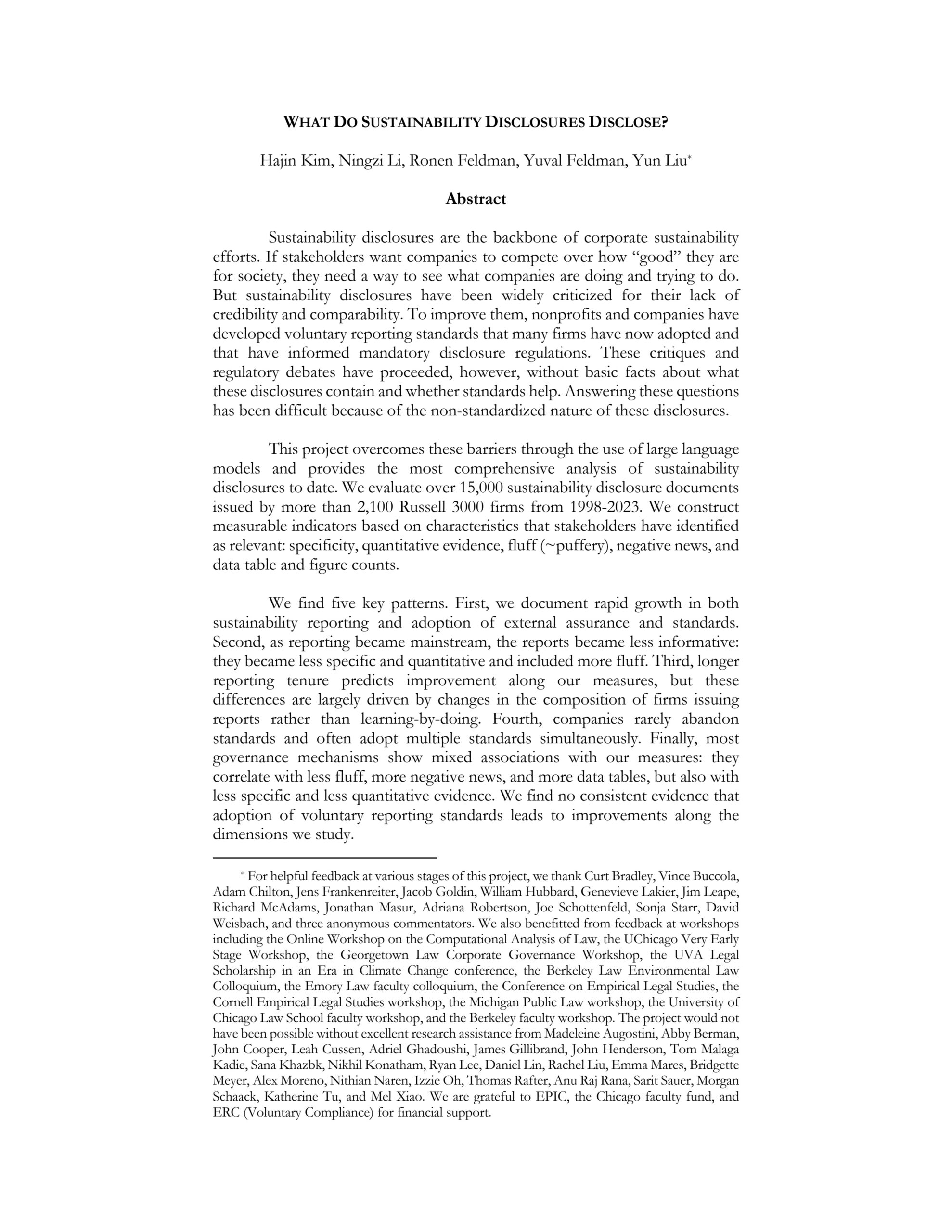
What do sustainability disclosures disclose?
This research analyses over 15,000 sustainability disclosures from Russell 3000 firms. It finds that while reporting has surged since 2015, informative quality has declined. Adoption of voluntary standards yields mixed results, correlating with reduced 'fluff' but lower narrative specificity. Improvements primarily reflect selection effects rather than organisational learning.
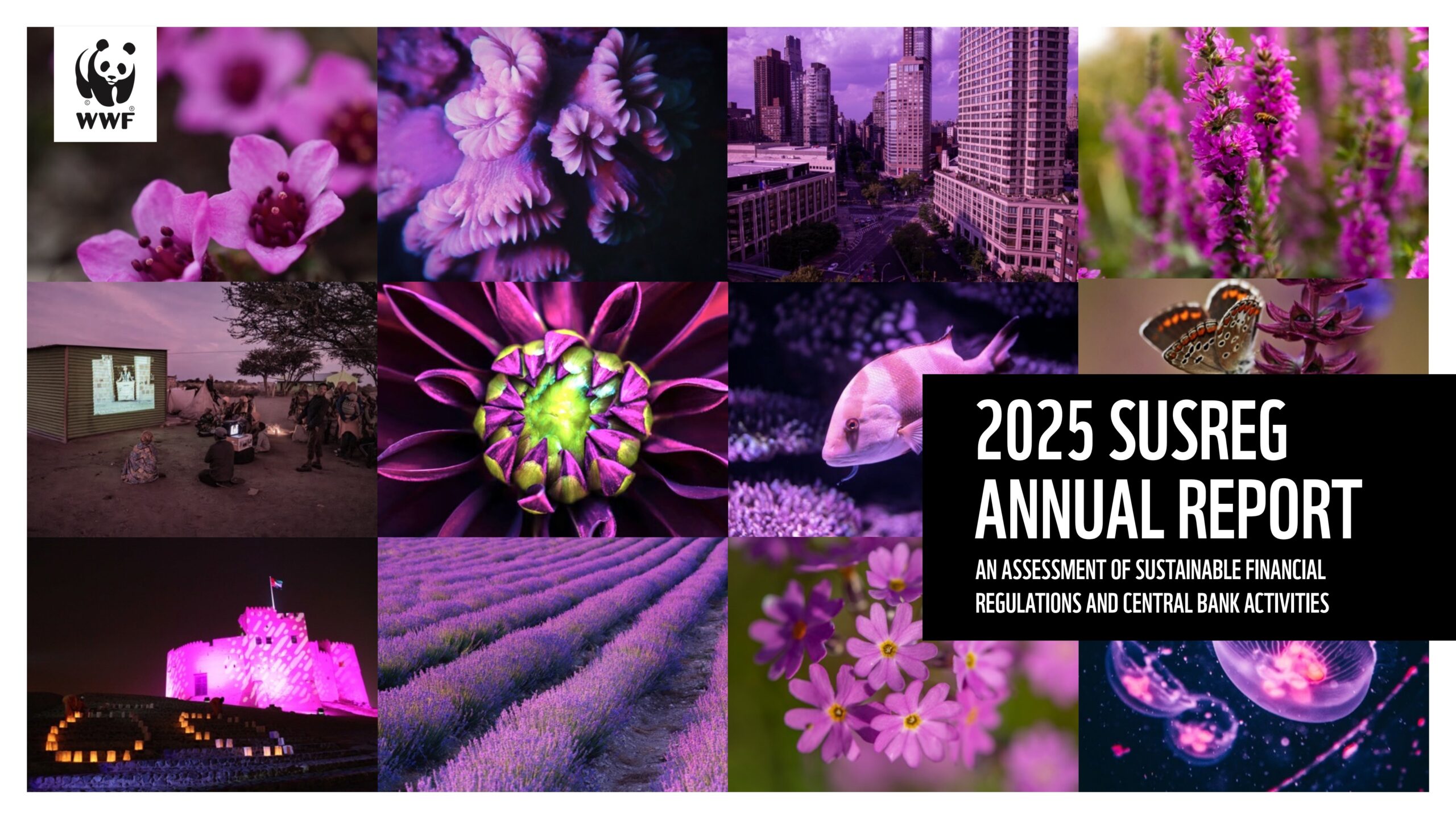
SUSREG annual report series
This benchmark series provides a comprehensive assessment of sustainable financial regulations and central banking activities. It tracks progress across global jurisdictions in integrating climate, environmental, and social risks within banking, insurance, and capital markets sectors, supporting the transition towards a net-zero and nature-positive global economy.

Handbook: Harmonised framework for impact reporting for social bonds
This handbook provides a harmonised framework for impact reporting on social bonds. It outlines core principles, recommendations, and sector-specific metrics for categories including affordable housing, essential services, and basic infrastructure. The document aims to enhance transparency and integrity in the social bond market through standardised reporting practices.


