
Library | Sustainable Finance Practices
Product development and trends
Insights into the creation and evolution of sustainable financial products, such as managed funds, green bonds, and ESG-linked loans, highlight innovations aligned with sustainability goals and benchmark evolving practices, consumer demand, and stakeholder expectations.

Refine
198 results
REFINE
SHOW: 16


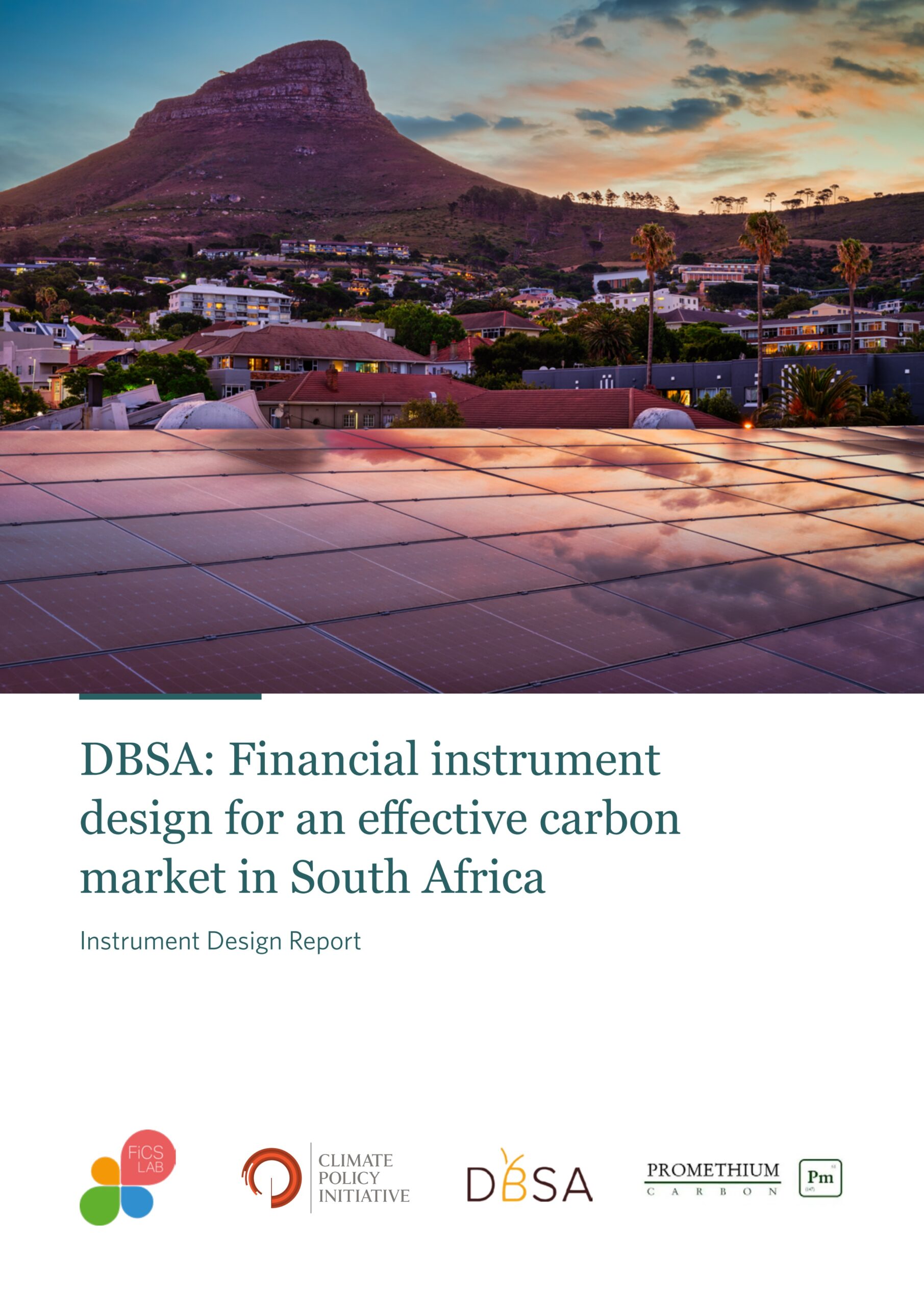
DBSA: Financial instrument design for an effective carbon market in South Africa
The Development Bank of Southern Africa details two proposed financial instruments to support the domestic voluntary carbon market: a carbon credit-backed bond and a repurchase facility. These tools aim to mobilise private capital, address early-stage funding shortages, and improve liquidity for carbon reduction projects.
LP Scan
ImpactAlpha’s LP Scan is a dealflow and market intelligence resource that tracks limited partner (LP) activity, fund allocations and investment trends across impact investing. It provides insights into institutional investors, capital flows and fundraising activity to help market participants identify opportunities and understand developments in sustainable and impact finance.
The state of private impact investing in Canada
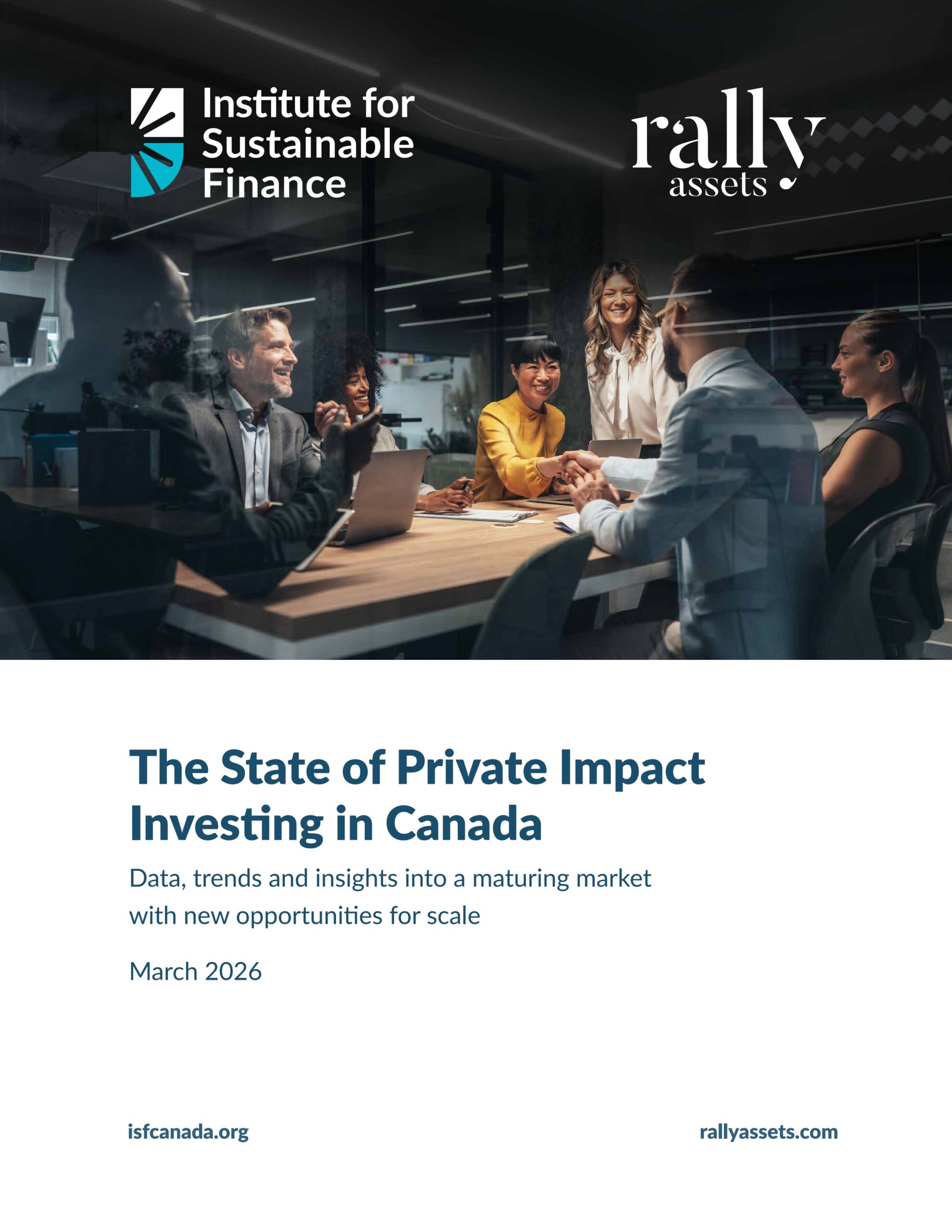
This report analyses the Canadian private impact investing market, which targets CA$17.7 billion in capital across 218 products. It examines market size, geographic distribution, and primary impact areas, noting a concentration in venture capital and highlighting the need for aggregation strategies and blended-finance models to scale investments.
Cracking the credit code: Alternative data and AI for financial inclusion
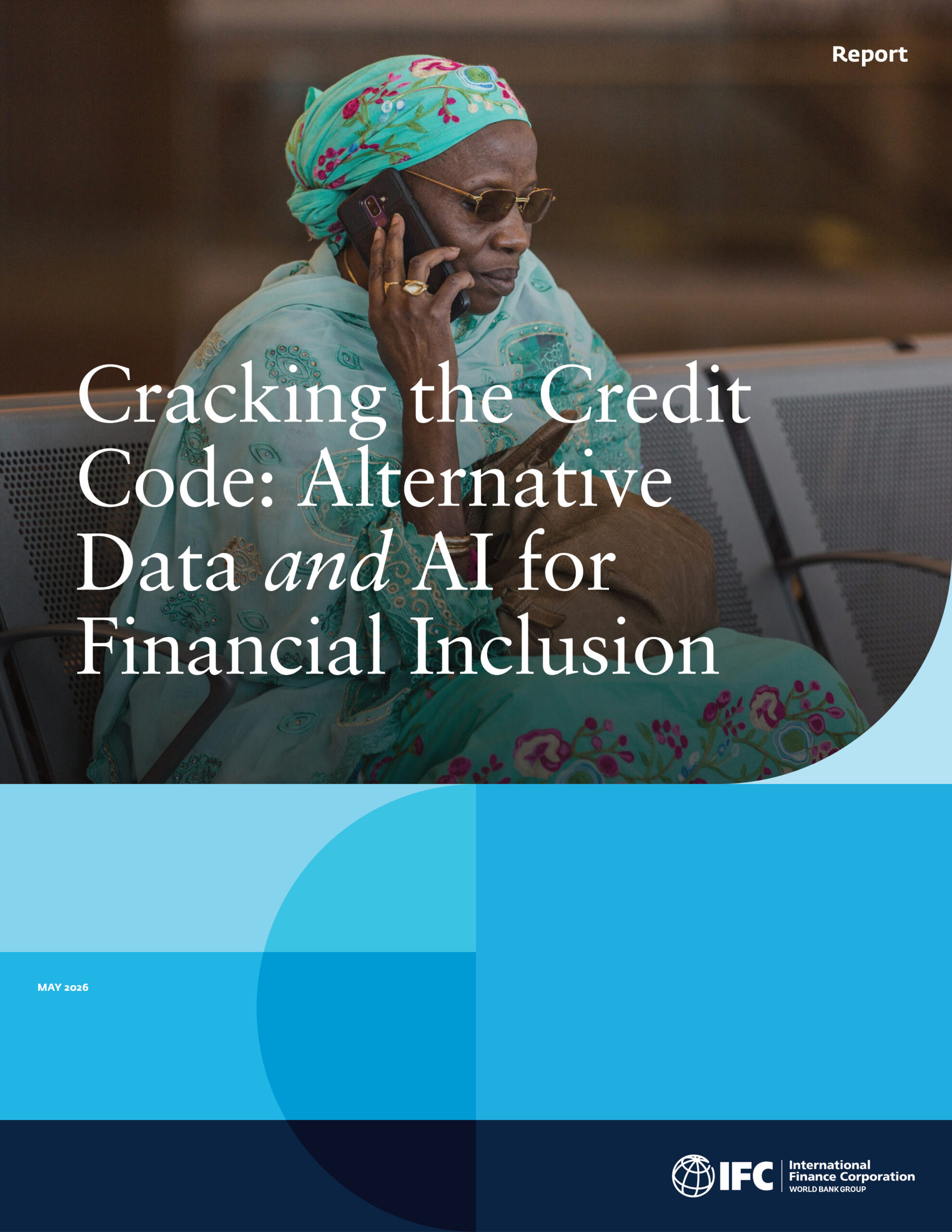
This report explores how alternative data and artificial intelligence are redefining credit scoring to enhance financial inclusion for women and underserved borrowers. It analyses market trends, evaluates the risks of algorithmic bias, and provides actionable recommendations to scale responsible, inclusive credit access across emerging markets.
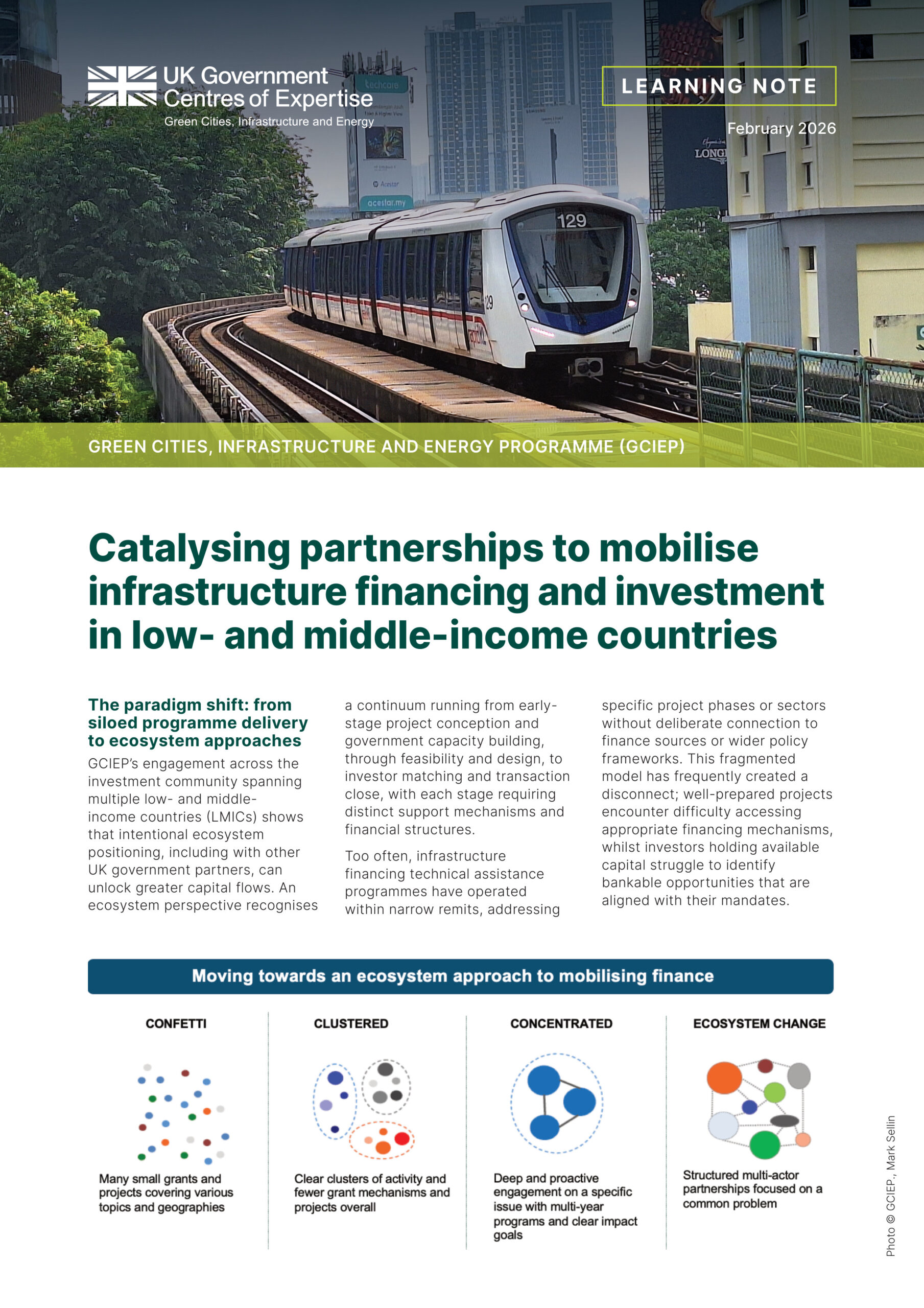
Catalysing partnerships to mobilise infrastructure financing and investment in low- and middle-income countries
This learning note explores how an ecosystem approach to infrastructure financing can mobilise capital in low- and middle-income countries. It highlights the importance of early finance engagement, de-risking mechanisms, and integrated partnerships to transform technically sound projects into commercially viable investments.
RIAA Conference Australia 2026 - Companion Resources
Responsible investment has moved well beyond principles and pledges. Today’s challenges require practical capability and informed judgement. The RIAA Conference is a must-attend event for finance, sustainability and industry practitioners who want to focus on the key themes for responsible investment in 2026 and what implementation really looks like. Designed as an immersive, hands-on experience, the program focuses on the systems that underpin strong financial performance, and will help you understand how climate, nature, technology, governance and regulation intersect.
These specially curated companion resources have been recommended by the conference speakers and Altiorem team.
These specially curated companion resources have been recommended by the conference speakers and Altiorem team.
ASEAN SDG Bond Toolkit
Provides practical guidance for issuing SDG bonds in ASEAN, outlining principles, processes, and frameworks aligned with green, social and sustainability bond standards. It explains SDG mapping, eligibility criteria, reporting practices, and market context to support issuers in mobilising capital for sustainable development.
Sustainability-linked bond handbook
The Sustainability-Linked Bond Handbook provides a practical overview of sustainability-linked bonds, covering structure, pricing models and market dynamics. It combines financial analysis with sustainability considerations and includes over 40 case studies, offering guidance for investors and issuers on integrating these instruments into fixed income strategies.
Forever wild series
This series outlines the Forever Wild Initiative’s approach to financing and managing large-scale wilderness landscapes through blended capital models, community co-design, and nature-based enterprises. It documents the development of equitable nature finance structures that integrate conservation, economic activity, and social outcomes across landscapes.
From bonds to blended Finance: How a diverse range of financial instruments are financing climate adaptation and resilience
Analyses 162 cases (2015–2025) of 11 financial instruments financing climate adaptation. Finds blended finance most prevalent, with instruments mainly supporting ex-ante risk reduction. Adaptation finance is largely pooled and increasingly multicountry. Use varies by income level, highlighting growing innovation to mobilise capital for resilience.
Global landscape of climate finance series
The Global Landscape of Climate Finance is a benchmark series by Climate Policy Initiative that tracks global climate finance flows, examining the sources, financial instruments, sectors, uses and geographic distribution of public and private investment supporting climate mitigation, adaptation and resilience.
Scaling finance for nature: Barrier breakdown
This report analyses barriers to scaling private finance for nature, highlighting a US$700 billion annual biodiversity finance gap. It clarifies nature-positive finance, assesses risk–return challenges, regulatory gaps and data issues, and outlines instruments to redirect capital from harmful activities towards halting and reversing nature loss.
BPI France: European Defence Bond Framework
Bpifrance’s European Defence Bond Framework defines principles for issuing use-of-proceeds bonds financing eligible defence-sector projects, mainly SMEs, to support European sovereignty. It details eligibility criteria, exclusions, ESG safeguards, governance, reporting, and proceeds management, while stating the bonds are not ICMA-aligned sustainable instruments.

Conservation International (CI)
Conservation International (CI) is a global non-profit that champions nature conservation to benefit both biodiversity and human societies. It uses science, fieldwork, policy and finance to protect critical land and marine ecosystems. Since 1987, CI has helped safeguard 13 million km² of land and sea across more than 70 countries.
Show me the (sustainable) money II: Investors that allocate capital to sustainability transitions
This report summarises asset managers allocating capital to sustainability and transition-focused investments. Published by the World Business Council for Sustainable Development and SRI-Connect, it profiles firms investing in environmental, social and economic transition strategies to help companies attract sustainability-oriented investors.


