
Library | Sustainable Finance Practices
Strategy and Organisational change
Guidance on embedding sustainability into organisational strategy, leadership, governance, culture, and systems to drive long-term transformation.
Refine
401 results
REFINE
SHOW: 16


Disclosing information about an entity’s climate-related transition, including information about transition plans, in accordance with IFRS S2
This IFRS Foundation guidance assists entities in disclosing climate-related transition information under IFRS S2. It details requirements for governance oversight, strategic planning, and performance metrics. Building on Transition Plan Taskforce materials, it provides sector-specific examples for reporting transition risks, opportunities, targets, and financial effects to primary users.
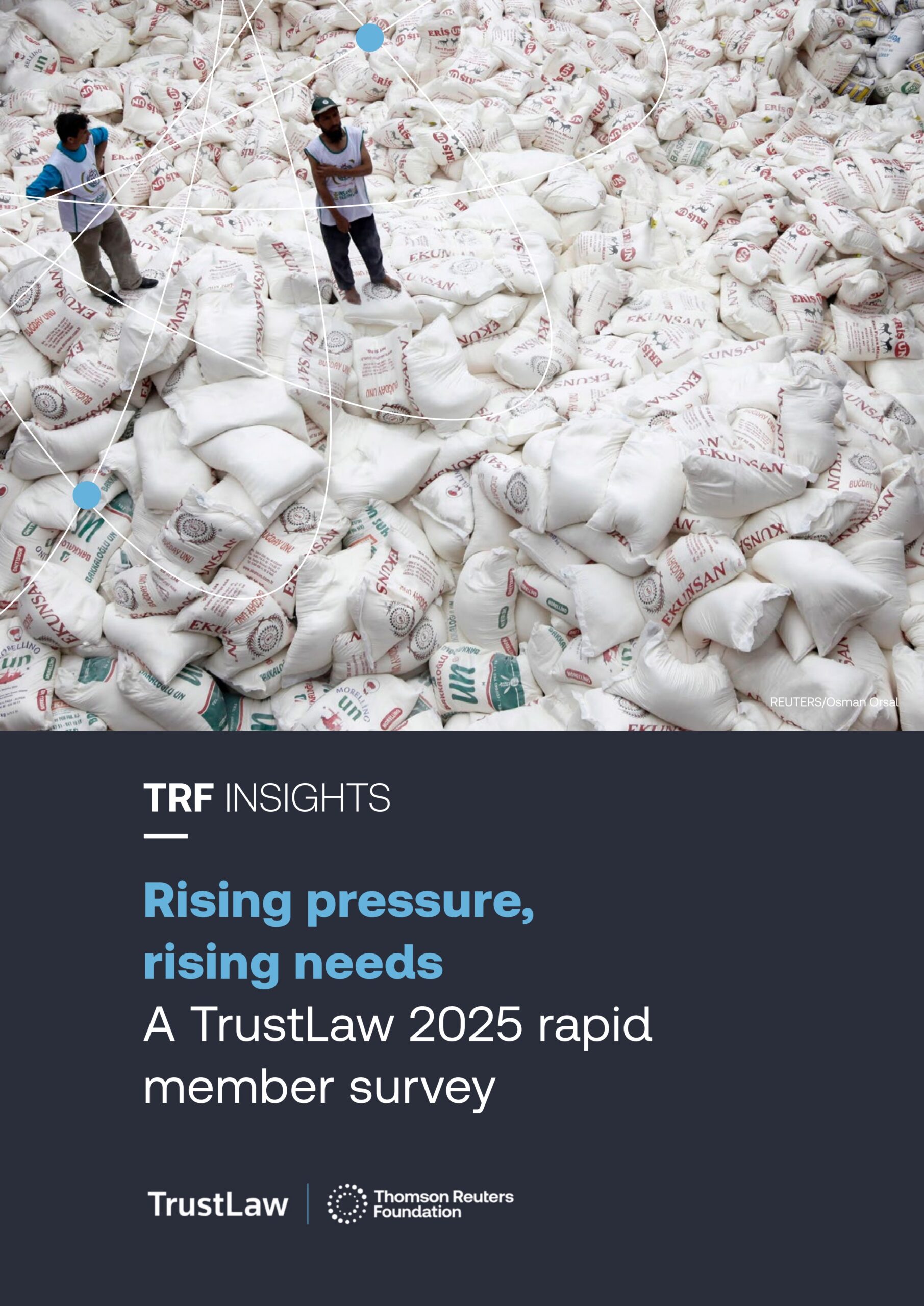
TRF Insights: Rising pressure, rising needs: A TrustLaw rapid member survey
This report examines the evolving legal needs of civil society organisations globally. Based on a rapid survey of TrustLaw members, it assesses the impact of funding cuts and restrictive regulations on non-profits and social enterprises, highlighting the growing demand for pro bono legal support.
Coasian stakeholder theory
This report introduces Coasian stakeholder theory, defining stakeholders by their "shutdown power" over specific transactions. It applies the Coase theorem to show how identification, bargaining, and coalition costs affect value creation. The research provides a strategic framework for managing stakeholders through governance design and consolidated opposition.
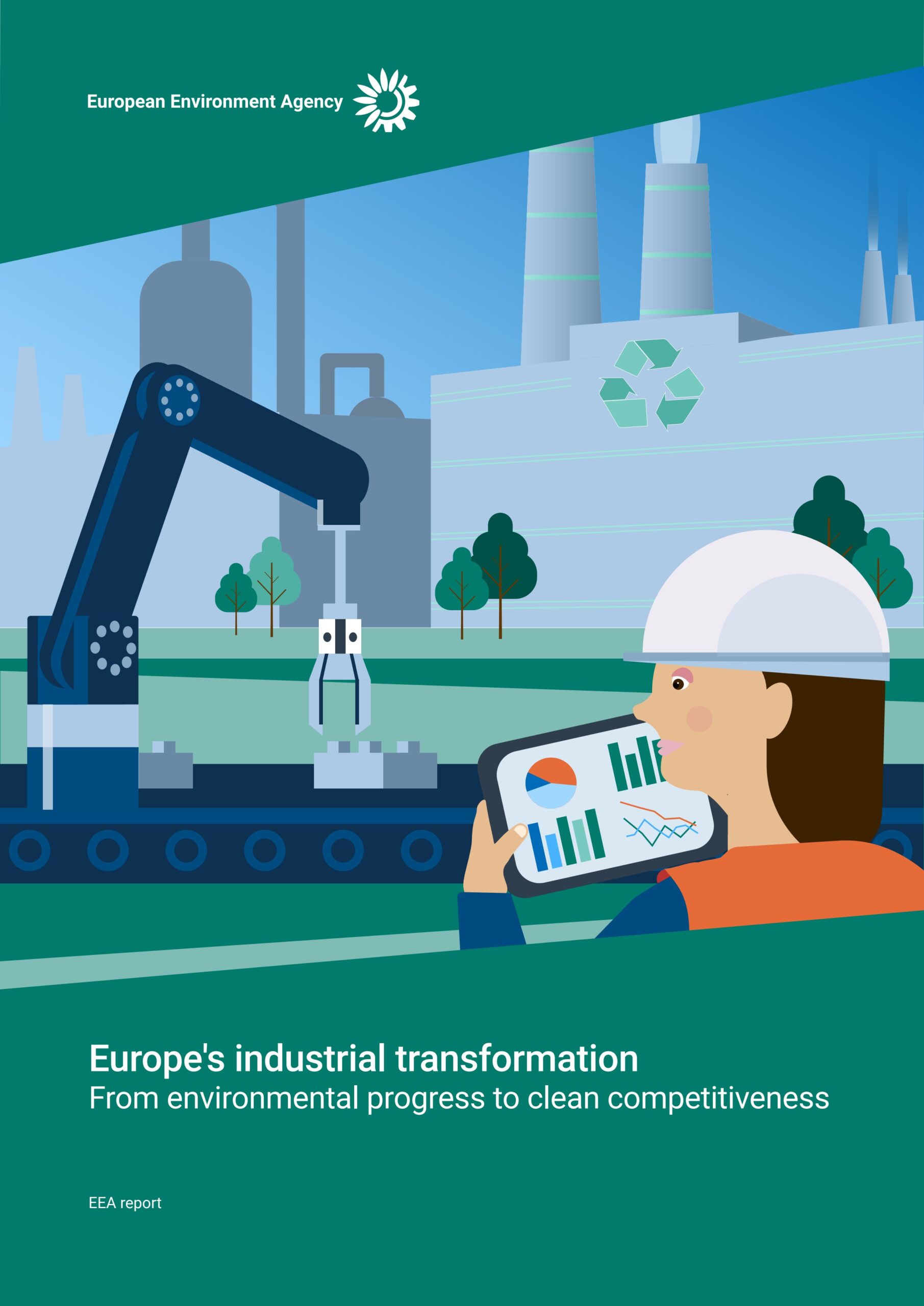
Europe’s industrial transformation — From environmental progress to clean competitiveness
This report evaluates the EU’s industrial transformation, noting a 27% decline in GHG emissions since 2010 despite stagnant circularity rates. It identifies system-readiness barriers, including an annual EUR 30-60 billion funding gap and infrastructure bottlenecks, while proposing strategic options to align decarbonisation with long-term global competitiveness.
Women’s health R&I in Europe: Growing investment, persistent gaps, and the case for a coordinated response
This research examines women’s health Research and Innovation (R&I) in Europe, identifying a mismatch between disease burden and investment. While political attention is growing, funding remains concentrated in early-stage research. The report advocates for a coordinated European strategy to bridge evidence and translation gaps across the innovation pathway.

The people premium: Human capital as a driver of value creation in private markets
This research examines how private market investors leverage human capital as a strategic driver of value. Analysing firms representing nearly $4 trillion in assets, it details leadership underwriting, platform-scale talent programmes, measurement methodologies, and AI integration. It highlights the necessity of regional adaptation and systematic interventions to realise long-term returns.
Know your grid: How cleaner electricity shapes real estate capital planning
This report explores how grid decarbonisation trajectories influence real estate capital planning. By linking asset-level performance with power sector projections, it identifies optimal sequencing for electrification and efficiency investments. It demonstrates that rapid action is essential for assets on slow-moving grids to mitigate cumulative emission risks.
The connected reporting landscape: GAA Connectivity in Reporting Series
This report examines the conceptual and practical frameworks for connected reporting. It emphasises the strategic role of accountants in integrating financial statements with sustainability disclosures. By addressing organisational silos and regulatory requirements, the document provides actionable guidance for achieving coherent, decision-useful corporate information for investors and key stakeholders.
Realising Aotearoa New Zealand’s full potential: What will it take?
This report outlines a roadmap for transitioning to a circular economy in Aotearoa New Zealand. It identifies significant value loss in current linear systems and proposes a strategy based on coordinated leadership, a national framework, and durable regulatory settings to enhance productivity, resilience, and environmental health.
Unlocking Kazakhstan's transition minerals potential: Closing the gap between resource wealth and value chain development
This report examines Kazakhstan's strategy to leverage transition minerals for economic diversification. It assesses current production, underexplored reserves, and legislative reforms. The analysis highlights strategic partnerships with global actors, recommending a unified policy ecosystem to align mining, industrial, and low-carbon goals while enhancing international negotiation and coordination.
Guidelines on Member States' adaptation strategies and plans
These guidelines assist EU Member States in updating climate adaptation strategies and plans. Aligned with the European Climate Law, the report outlines processes for risk assessment, stakeholder engagement, and implementation. It also introduces critical policy areas, including just resilience, nature-based solutions, and climate stress testing.
Investment sector kaupapa Māori market scan
This baseline assessment examines kaupapa Māori within Aotearoa New Zealand’s investment sector. While 22 of 32 surveyed organisations view Māori values as critical, only five have formal frameworks. The report introduces three strategic Pou—Mātauranga, Ara Ake, and Te Haumi—to bridge the gap between intent and enduring practice.
Indian states’ electricity transition (SET) 2026
This report evaluates 21 Indian states across decarbonisation, power ecosystem readiness, and market enablers. It identifies regional leaders like Karnataka and Delhi while highlighting structural gaps. Recommendations focus on strengthening distribution company finances, implementing smart metering, and scaling energy storage to support India's target of 500 gigawatts of non-fossil capacity.
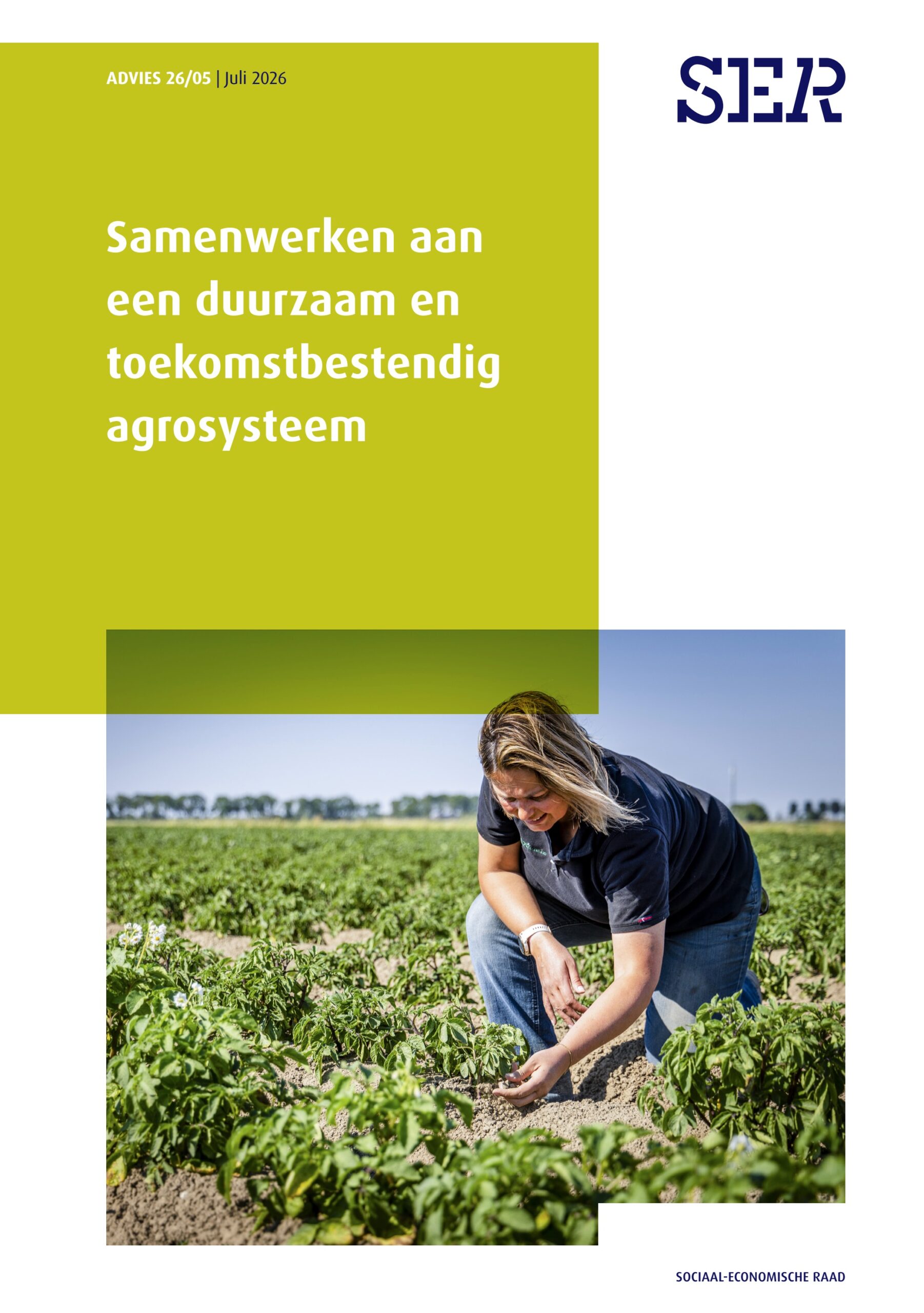
Samenwerken aan een duurzaam en toekomstbestendig agrosysteem
This Sociaal-Economische Raad report provides a strategic framework for a sustainable Dutch agro-system. It advocates for goal-oriented steering, improved chain profitability, and institutional reform through a new public-private organisation. The strategy seeks to ensure economic viability within ecological boundaries, fostering a resilient agricultural sector by 2050.
Progress report: national adaptation plan
This 2026 report by He Pou a Rangi Climate Change Commission assesses New Zealand's progress on its first national adaptation plan. It finds that adaptation efforts are insufficient and recommends six foundational improvements, focusing on funding, legislative alignment, and Māori-led action to address escalating climate risks.
Guidelines on environmental risk management (asset managers) – transition planning
These guidelines outline the Monetary Authority of Singapore’s expectations for asset managers regarding transition planning. They emphasise robust governance, the use of forward-looking risk assessment tools, and active stewardship to manage climate-related risks. Asset managers are encouraged to engage with investee companies rather than divest indiscriminately, supporting financial stability.


