Overview
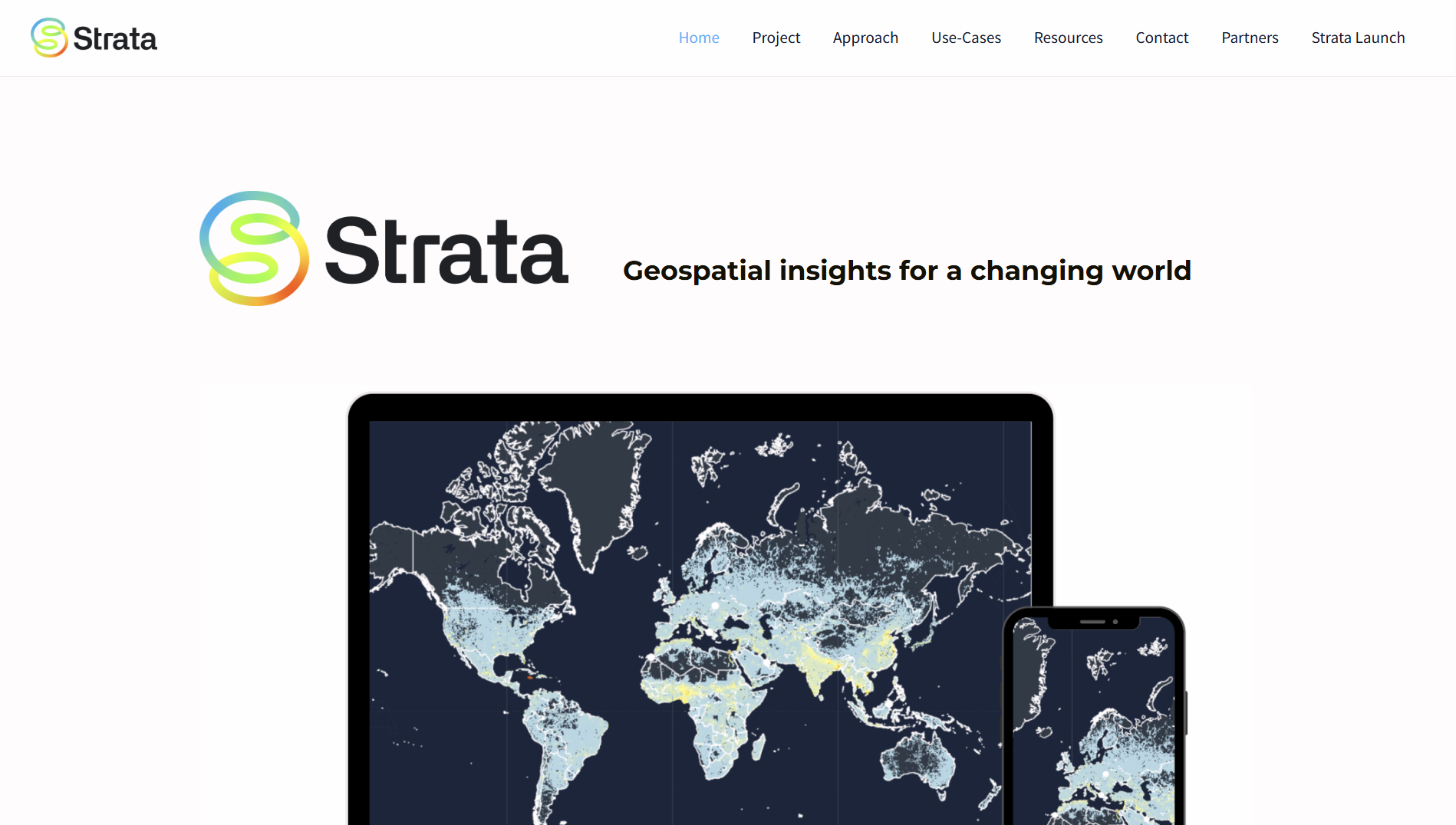
UNEP Strata is an online geospatial analysis platform that integrates environmental, climate, and socio-economic data to identify areas facing compound risks. It supports evidence-based analysis of how climate, environmental degradation, and fragility interact. Finance professionals may find it relevant for understanding spatial risk exposure and contextual factors affecting long-term investment and policy decisions.
Organisation behind the tool
UNEP Strata is developed and maintained by the United Nations Environment Programme (UNEP). The platform builds on UNEP’s analytical work on climate, environment, and security, with contributions from research partners and UN system data sources.
What the tool does
- Provides an interactive global map interface combining environmental, climate, and socio-economic indicators.
- Visualises climate hazards such as drought, flooding, heat stress, and land degradation.
- Overlays vulnerability indicators, including population exposure, livelihoods, and fragility metrics.
- Allows users to explore risk hotspots where multiple stresses converge.
- Enables basic data exploration and visual comparison across regions and themes.
Target audience
The primary users are policymakers, analysts, and practitioners working on climate, environment, and security issues. Secondary audiences include researchers, development institutions, NGOs, and international organisations. The tool is also accessible to users without advanced technical or GIS expertise.
Relevance to finance professionals
- Risk assessment – supports identification of geographic exposure to climate and environmental risks that may affect assets, supply chains, or sovereign stability.
- ESG analysis – provides contextual environmental and social risk information relevant to sustainability and impact assessments.
- Market and sector insights – helps assess risks to agriculture, water resources, infrastructure, and energy systems in vulnerable regions.
- Investment context – informs long-term strategic analysis by highlighting regions facing compounded environmental and socio-economic pressures.