Overview
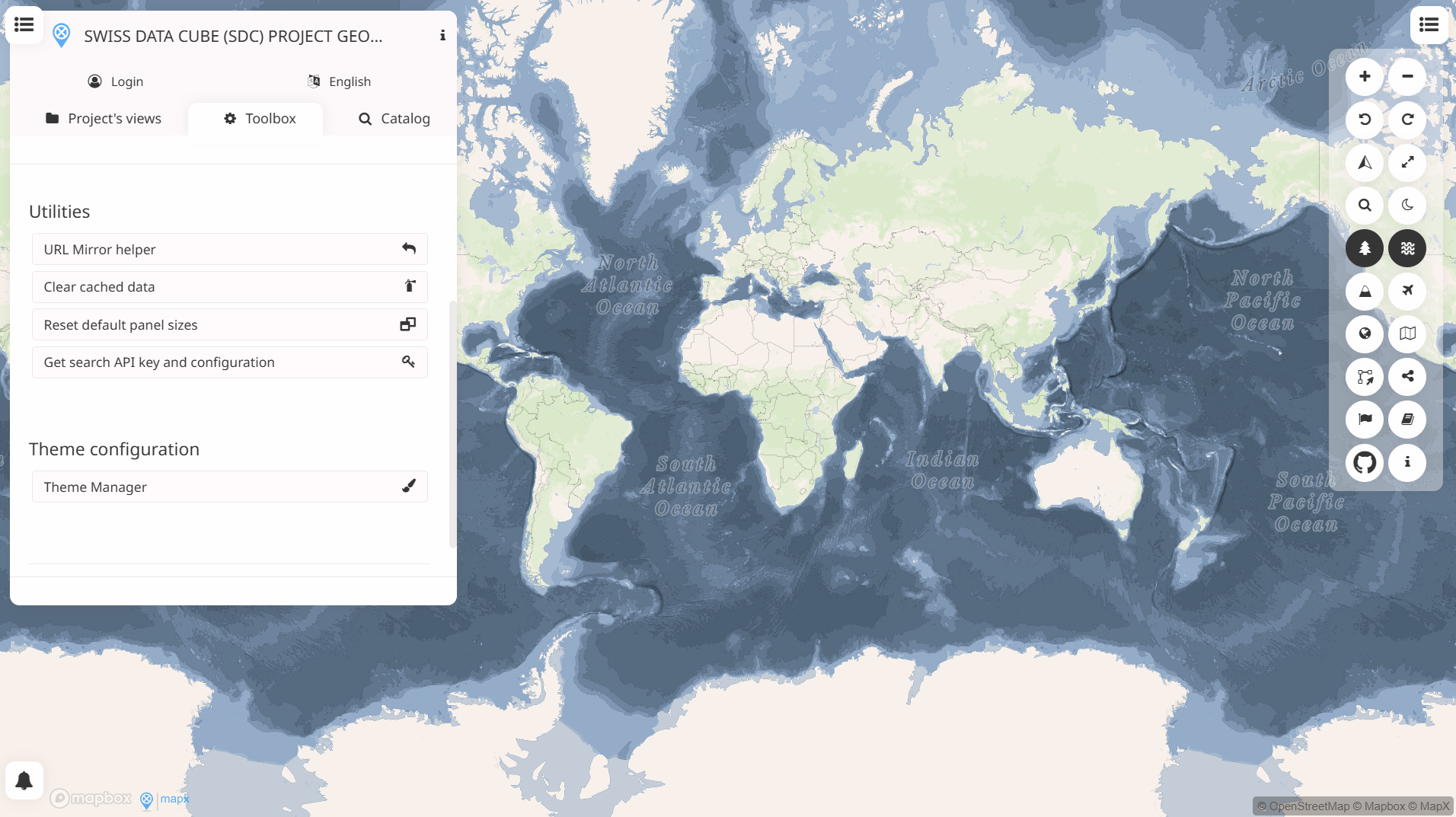
MapX is an online geospatial data platform that enables users to visualise, analyse and share spatial information through interactive maps. It is designed to support evidence-based decision-making by integrating environmental, social and economic datasets. Finance professionals may find it relevant for assessing spatial risks, ESG factors and long-term sustainability trends linked to assets or regions.
Organisation behind the tool
MapX is developed and maintained by UN Environment Programme through GRID-Geneva, in collaboration with governments, UN agencies, research institutions and development partners. It operates as an open, collaborative platform supporting global sustainability and environmental governance objectives.
What the tool does
- Provides interactive, web-based maps displaying geospatial datasets.
- Hosts themed projects that combine multiple data layers (e.g. environment, land use, resources, risk).
- Allows users to explore spatial trends at global, regional and local scales.
- Enables overlay and comparison of datasets to support analysis.
- Supports data sharing and visual communication, with some datasets available for download depending on project settings.
Target audience
The primary users are policymakers, international organisations and researchers working on environmental and sustainable development issues.
Other audiences include finance professionals, NGOs, analysts, and the general public seeking spatial insights into environmental and socio-economic topics.
Relevance to finance professionals
Risk assessment
- Identify geographic exposure to environmental hazards, climate impacts or resource constraints.
- Support location-based risk screening for assets, supply chains or portfolios.
ESG analysis
- Access environmental and social datasets relevant to sustainability reporting and due diligence.
- Inform assessments of land use, biodiversity pressures or community impacts.
Market and commodity insights
- Analyse spatial patterns linked to agriculture, water availability, infrastructure or natural resources.
- Support understanding of regional dependencies and constraints affecting markets.
Investment context
- Inform long-term environmental and development trends relevant to strategic asset allocation.
- Support scenario analysis and forward-looking sustainability considerations.