
Library | ESG issues
Labour Rights
Labour rights govern the treatment of workers, covering freedom of association and collective bargaining, fair wages, safe conditions, reasonable hours, and freedom from forced and child labour. They are set out in the International Labour Organization’s core conventions and are increasingly tested through supply chain due diligence law. For investors, weak labour practices signal operational, legal and reputational risk, while strong ones are associated with lower turnover, fewer disruptions and more resilient supply chains.




Refine
258 results
REFINE
SHOW: 16



Realities of artisanal and small-scale copper and cobalt mining in Lualaba province, DRC
IPIS and IBGDH mapped 51 artisanal copper and cobalt mines in Lualaba, DRC, employing an estimated 109,000 miners. The study finds few viable designated zones, cooperative elite capture, tension with industrial concessions, unsafe conditions, child labour and extortion by state agents, and recommends creating legal spaces for artisanal miners.
Sowing the seeds of change through private sector partnerships: Lessons from two seasons of pilots and system-building
This ILO report evaluates the BOUZOUR project's efforts to strengthen Lebanon’s cherry sector through private sector partnerships. By establishing a national phytosanitary framework and improving exporter-farmer linkages, the initiative increased farmer incomes by USD 688,564 in 2025, enhanced worker conditions, and expanded access to high-value international markets.
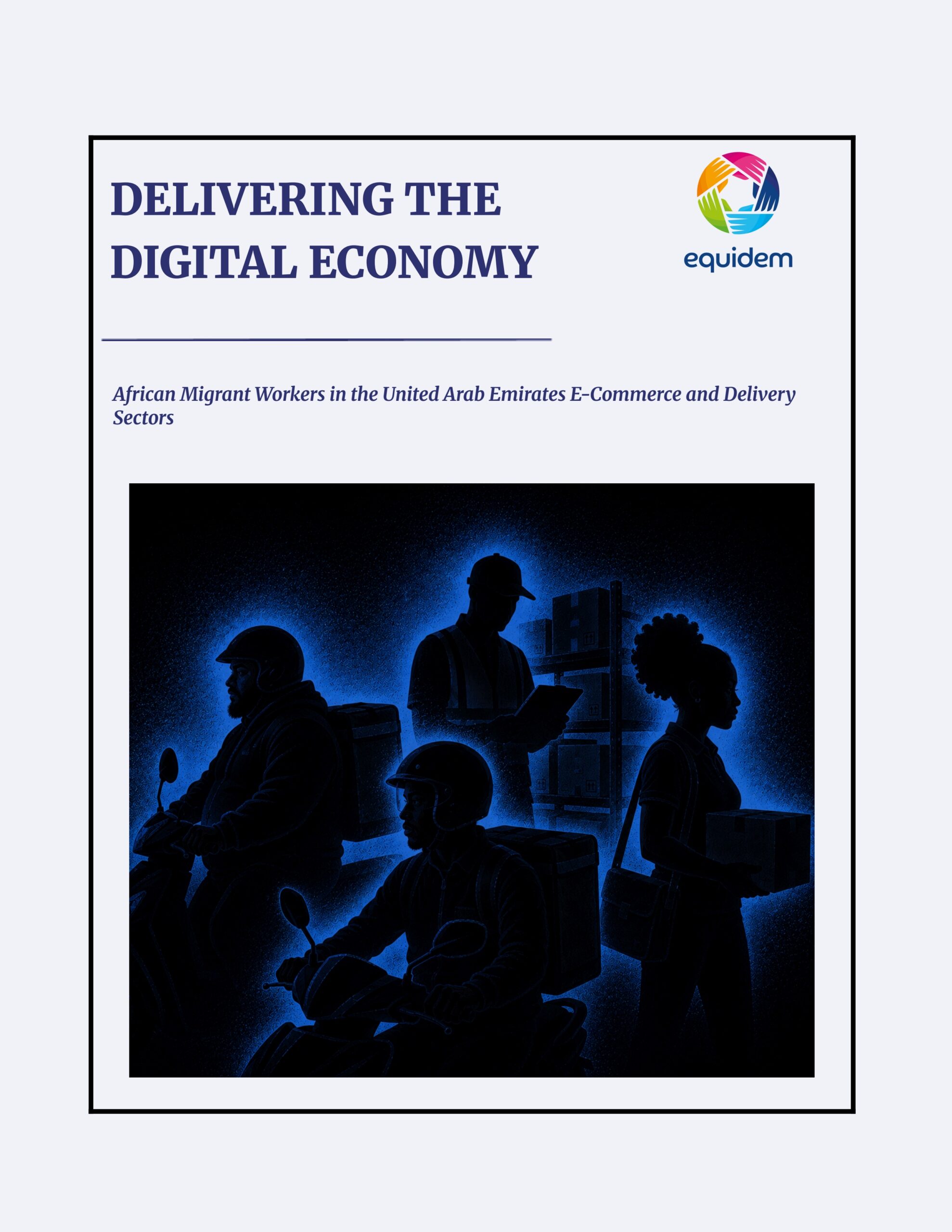
Delivering the digital economy: African migrant workers in the United Arab Emirates e-commerce and delivery sectors
This report examines the exploitation of African migrant workers within the United Arab Emirates' e-commerce and delivery sectors. It details systemic abuses including recruitment debt, deceptive contracts, and excessive working hours, highlighting how subcontracting models fragment accountability. The findings advocate for stronger international labour standards to protect vulnerable platform workers.

Leveraging technological solutions for human rights due diligence
This report distils lessons from 25 organisations on leveraging technology to strengthen human rights due diligence in value chains. It categorises various tools, provides case studies, and outlines practical steps for responsible AI adoption, emphasising that technology must complement, rather than replace, human judgement and meaningful stakeholder engagement.
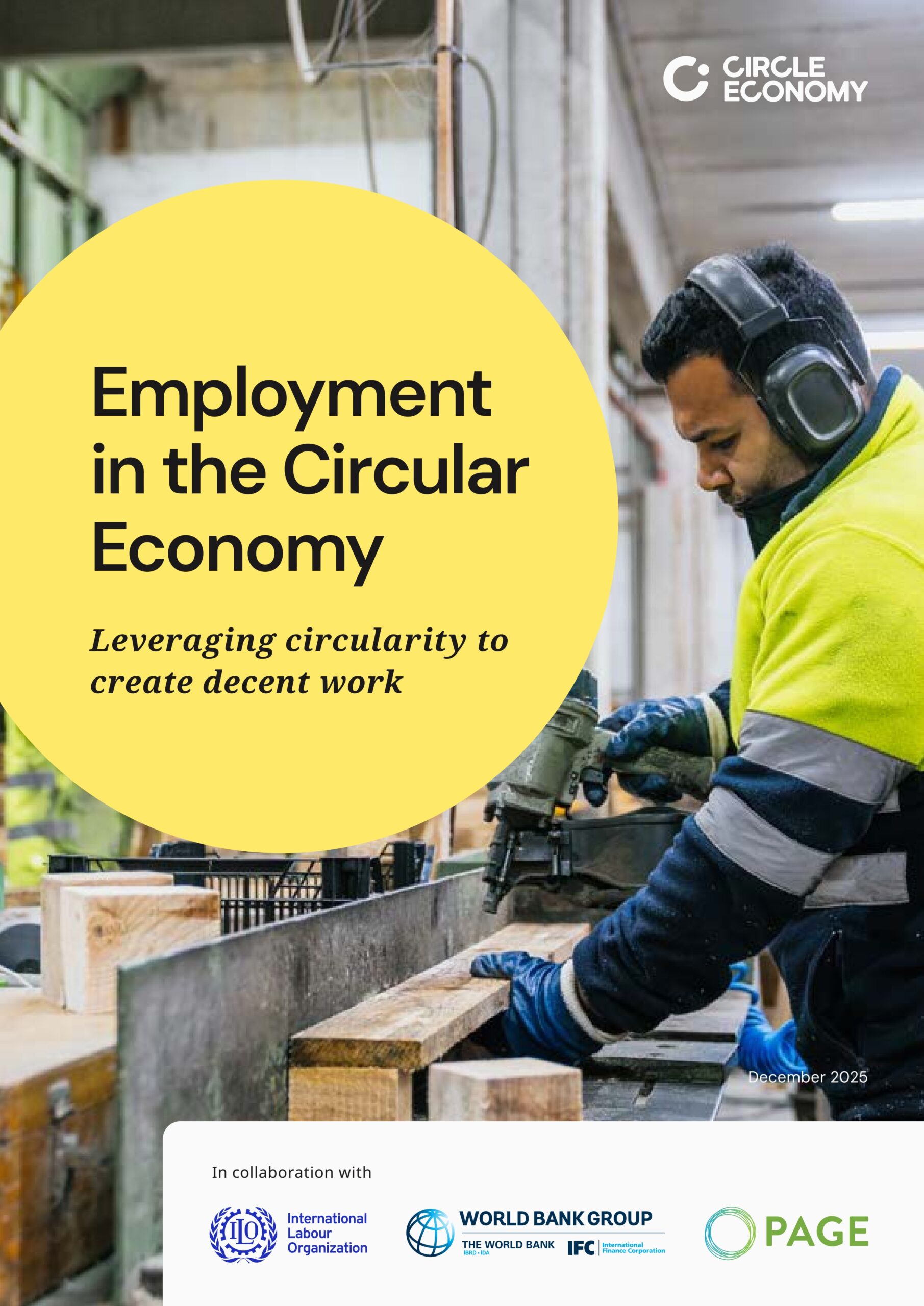
Employment in the circular economy: Leveraging circularity to create decent work
This report provides a global baseline for circular economy employment, estimating that 121 to 142 million people work in the sector. Produced by Circle Economy, the ILO, and World Bank Group, it highlights the prevalence of informal work and the need for policies ensuring a just, inclusive transition.

Extending social protection coverage to workers in the agricultural sector and their families: Lessons from international experience
Report examines extending social protection to agricultural workers. Highlighting that rural areas account for more than three-quarters of the extreme poor, it identifies barriers like legal exclusion and informal employment. It presents international solutions, including flexible contribution schedules and mobile service delivery, to achieve universal coverage for rural populations.
AI systems at work: A changing psychosocial work environment
This International Labour Organization report examines the psychosocial risks of AI systems in workplaces. It identifies how algorithmic management and advanced robotics impact mental health, autonomy, and privacy. The paper advocates for integrated regulatory frameworks across labour law and safety standards to protect workers from emerging digital hazards.
The microstructure of AI diffusion: Evidence from firms, business functions, and worker tasks
This research examines AI diffusion through US firms, distinguishing between organisational adoption and worker-level use. While adoption is growing, it remains concentrated in large, knowledge-intensive sectors. Findings indicate AI primarily augments worker tasks, with capital substitution being more prevalent than labour displacement at this stage of technological integration.
Automation, learning, and career dynamics
This research examines how automating technology affects white-collar career dynamics and human capital. It identifies a potential 'human-capital trap' where automation reduces entry-level learning. The paper recommends targeted taxes on automation and subsidies for task-frontier expansion to maintain long-term welfare and professional skill development.

Hot summer economics: Economic effects of the hot European summer of 2026
This report examines the economic impact of the 2026 European heatwave, estimating a 1% reduction in EU-wide GDP. It details effects on labour productivity, agriculture, and energy sectors while warning of a 'doom loop' where climate damage leads to the weakening of environmental policies to protect short-term growth.
Off the books: Practical guidance for business
This report provides practical guidance for Australian businesses to identify and address migrant worker exploitation. Based on a survey of 9,963 temporary visa holders, it highlights risks like ABN misclassification, casual employment, night shifts, and misleading payslips. It offers due diligence tips and remediation steps to ensure compliance.
Firm data on AI
This research provides international data on firm-level artificial intelligence adoption across the US, UK, Germany, and Australia. While current impacts on employment and productivity are small, senior executives predict a 1.4 per cent productivity boost and a 0.7 per cent reduction in employment over the next three years.

Coller FAIRR seafood index methodology: May 2026
The Coller FAIRR Seafood Index Methodology outlines the framework for assessing 20 global companies across 16 material topics. It details a bottom-up scoring process, ranging from 0 to 100, and a four-step production cycle. The index measures corporate maturity in response to environmental and social risks in the seafood industry.

Global employment trends for youth 2026: Back to the future
The Global Employment Trends for Youth 2026 report highlights a stalled post-pandemic recovery, with global youth unemployment reaching 12.4 per cent. It examines rising NEET rates, artificial intelligence impacts, and job experience inflation, while advocating for bold, adaptive policies to ensure secure, decent work pathways for young people.
The commoditization of labor
This research examines how technological standardisation commoditises labour by making workers interchangeable. It develops a model showing that while this process increases productivity, it simultaneously reduces worker bargaining power and wages. This framework explains the declining large-firm wage premium and the divergence between productivity and pay in services.

The hidden human cost of content moderation and data labelling
This report examines the hidden human costs of content moderation and data labelling in Colombia, Kenya, and the Philippines. It details systemic physical, psychological, and economic harms caused by lead firm power, informal employment, and intense target pressure, while identifying significant barriers to corporate accountability and worker rights.


