
Library | Location
China
Refine
220 results
REFINE
SHOW: 16


Constructive corporate engagements: From a corporate perspective
This research focuses on constructive corporate engagement. This report analyses survey results from 100 senior company directors and interviews with ten executives to examine the drivers of successful engagements. Insights include the importance of collaborating with companies, focusing on material issues, and using standard metrics for success.

The changing climate policy landscape: Considerations for policymakers and the needs of investors
This report outlines eight key features of effective global climate policies. It analyses how different approaches to policy design shape capital markets' responses. The report also calls on governments to create policies with clear short, medium, and long-term targets that provide the right incentives and ensure a just transition.

Environmental risk analysis by financial institutions: A review of global practice
This report examines how financial institutions tackle environmental risk, with an emphasis on credit and market risks. The study highlights examples of successful risk mitigation and draws attention to gaps in practice, particularly around modelling approaches and short-term decision-making.

Growth-positive zero-emission pathways to 2050
This paper presents pathways to achieving growth positive zero-emission targets by 2050. The report concludes that significant action is required globally to achieve the low-carbon transition required to limit temperature increases to 1.5 °C, including the refashioning of multiple fundamental socio-economic systems and the international co-operation of decision-makers.

Global compact local networks: Accelerating national SDG implementation
The report emphasizes the role of responsible business in advancing the Sustainable Development Goals (SDGs) and highlights the importance of local networks in mobilizing a global movement of companies committed to advancing the SDGs through capacity-building, awareness-raising, and collaboration.

Transition risks in the automotive sector
This report analyses the potential valuation of BMW, Daimler, and Volkswagen under two different climate change scenarios and pathways. The study reveals insights for equity analysis and company engagement with sensitivity to regional and technological factors. Authors present a warning not to see findings as investment recommendations or forecast.

Shareholder primacy: The main barrier to sustainable companies
This report analyses the role of company law in achieving sustainable development, focusing on the dominance of shareholder primacy and its impact on corporate decision-making. It evaluates barriers to integrating sustainability, and provides possible ways forward. An essential comparative analysis for academics and professionals interested in promoting sustainable business practices.

Acute climate risks in the financial system: Examining the utility of climate model projections
This research examines the effectiveness of global mean temperature projections as a tool for identifying acute climate risks to the financial sector. The study highlights the limitations of current 'top-down' approaches and recommends the use of more granular 'bottom-up' methods to more accurately estimate regional-level financial risks.

Guidance and case studies for ESG integration: Equities and fixed income
The CFA Institute and Principles for Responsible Investment commissioned a survey on ESG integration, revealing that 56% of investors integrate governance into their equity analysis. Analysts may engage in ESG in fixed-income analysis to evaluate the risks and value of assets. ESG issues help investors arrive at estimates of fair stock value.

Navigating a new era of business and human rights
This book highlights the intersection of corporate practices and human rights. It explores evolving challenges, regulatory landscapes, and the importance of collaborative, ethical business conduct. Key themes include transparency, state roles, and the human rights-based approach, offering insights for stakeholders to navigate this complex field.

A sewing kit for living wages: Pathways to living wages in global garment supply chains
The report provides a roadmap for textile brands to commit and implement living wages in their supply chains, as well as explain the importance of providing decent wages to workers.
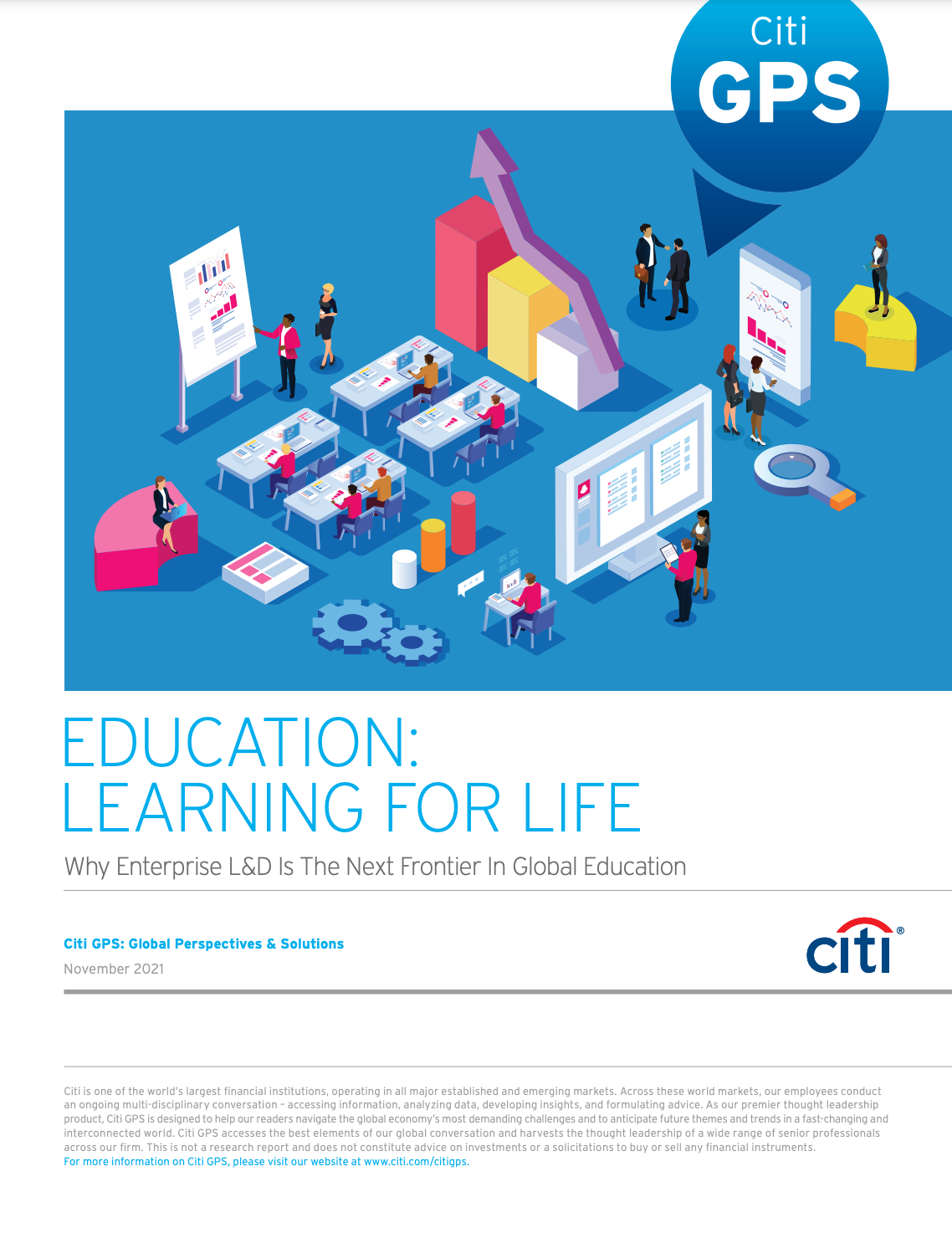
Education - learning for Life: Why enterprise L&D is the next frontier In global education
This report examines the growing importance of Learning & Development (L&D) programmes for businesses. It highlights the increasing recognition of L&D as a strategic investment, particularly for upskilling and reskilling employees to address the skills gap. The report also explores the challenges in L&D implementation, such as low employee engagement and vendor satisfaction, and offers insights into the future of corporate L&D, including trends in digitalisation and budget growth.

Shopping for a bargain: How the purchasing practices of clothing brands in Australia impact the women who make our clothes
This report examines the purchasing practices of clothing brands operating in Australia and highlights the impact on women workers in the countries where clothing is made. It calls on brands to publish a plan and commitment to ensuring a living wage for workers throughout their supply chains.

A toolbox of sustainable crisis response measures for central banks and supervisors – second edition: Lessons from practice
This report is a toolbox of options for central banks and supervisors to align crisis response measures with climate and sustainability objectives. The second edition includes an extended analysis of sustainability-linked measures. It also highlights the importance of moving from voluntary to mandatory environmental reporting and recommends efficient disclosure to regulated financial institutions.
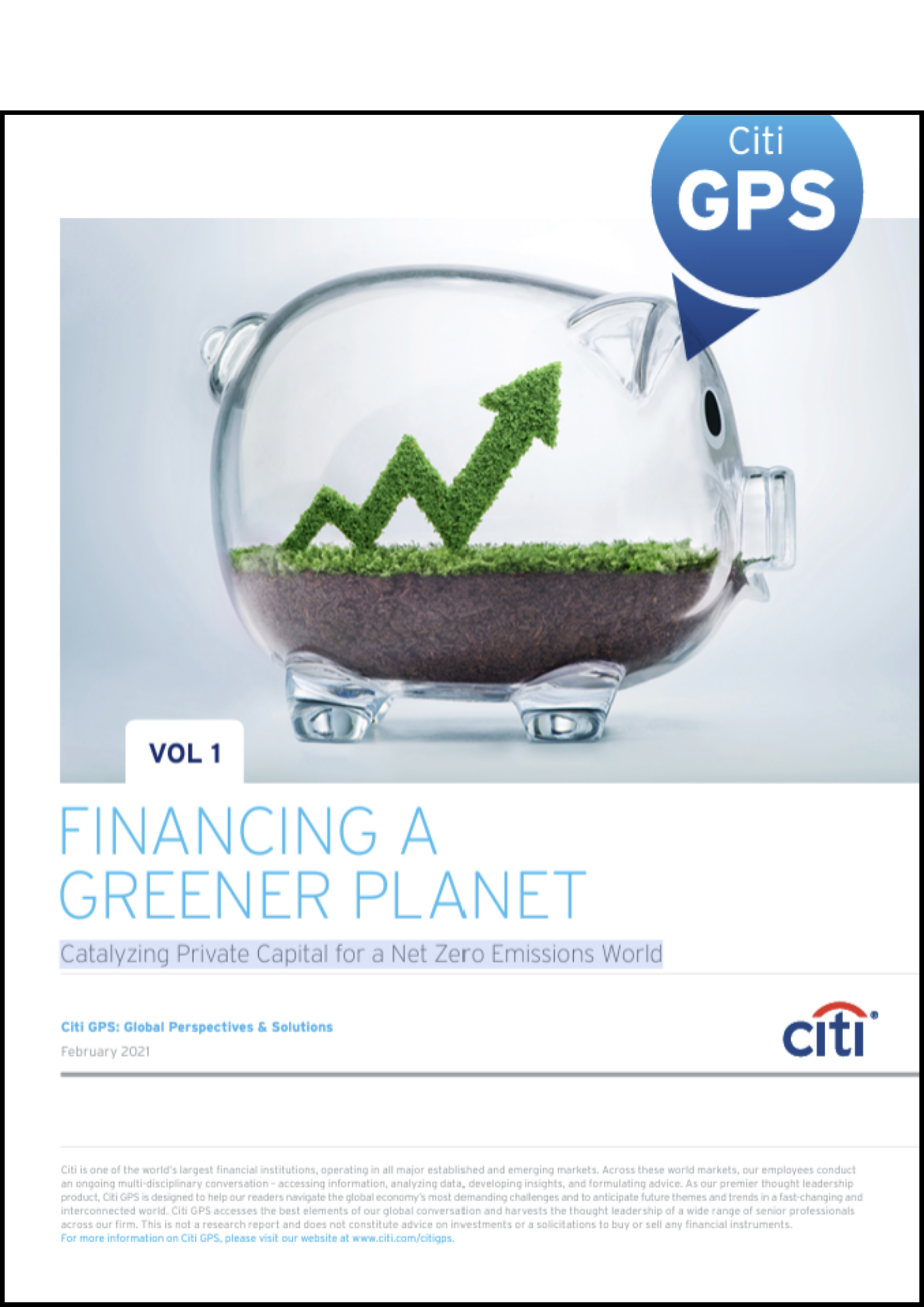
Financing a greener planet: Catalysing private capital for a net zero emissions world
This report provides an overview of the private capital markets and their potential to fund a greener planet. It explores the increasing interest in ESG investing and the significant role that investors can play in delivering a net-zero emissions world, specifically focusing on sustainable agriculture, clean energy, and transportation.

Decarbonising cement: The role of institutional investors
This report outlines why cement production is carbon-intensive and provides pathways for decarbonisation. A 60% reduction in emissions by 2050 is required to limit temperature increases to 1.75°C. Institutional investors need to engage with cement companies and cut off funding for carbon-intensive infrastructure to mitigate climate-related risks.


