
Library | Location
India
Refine
201 results
REFINE
SHOW: 16



Confederation of Indian Industry (CII)
The Confederation of Indian Industry (CII) is a non-government, non-profit, industry-led and industry-managed organisation that works to create and sustain an environment conducive to the development of India. It partners with industry, government, and civil society through advisory and consultative processes.
Circular economy practice in India: Three case studies
This report examines India’s transition to a circular economy, highlighting policy frameworks like Extended Producer Responsibility and NITI Aayog’s strategic focus areas. Through case studies of Siemens, Tata Steel, and Volvo Construction Equipment, it demonstrates how circular principles drive resource efficiency, waste reduction, and business value.
Financing the energy transition: A credit perspective on India’s power sector
This report examines India’s power sector transition from a credit perspective. It highlights the structural divergence between renewable and thermal assets, identifies bottlenecks in domestic debt markets, and recommends strategies to unlock large-scale financing, including the pivotal role of NTPC and the need for deeper institutional investor participation.
Power to the personnel? The impacts of managerial discretion vs. worker democracy in employee recognition
This research evaluates the impacts of worker agency versus managerial discretion in employee recognition via an RCT in India. While worker democracy increased attendance by 11%, managerial discretion improved productivity by 6%. However, managerial control reduced work-related interactions, and worker voting encouraged collusion through reward sharing in exchange for votes.
The current state of BRSR in corporate India 2.0
This report analyses Business Responsibility and Sustainability Reporting (BRSR) data from 300 Indian companies over three years. It identifies progress in disclosure quality, energy intensity trends, and assurance practices. Recommendations focus on standardisation and sector-specific guidance to enhance the decision usefulness of sustainability data for investors and regulators.

Mobilising capital for India’s critical minerals sector
This report examines financing challenges in India's critical minerals sector across upstream, midstream, and recycling segments. It evaluates the National Critical Mineral Mission's role in addressing capital gaps and suggests de-risking projects to ensure commercial viability and support India’s energy transition goals through strategic policy and international partnerships.

Where cultivated meat can be sold
An interactive tracker by The Good Food Institute mapping global regulatory approvals and market pathways for cultivated meat products.
PowerPulse: India Corporate Dashboard
An IEEFA dashboard assessing the financial, operational, and energy transition progress of listed power sector companies in India every quarter.

Five differentiators of outperforming family-owned businesses in India
McKinsey analysed about 300 publicly listed Indian family-owned businesses to identify five differentiators of top performers: core operational excellence, effective generational transition, portfolio diversification, talent and culture, and robust governance. FOBs contribute more than 75 percent of India's GDP and outperform non-family-owned businesses on revenue growth and shareholder returns.
Forging a global clean steel economy: Leveraging trade to reduce the green premium
This report examines how decarbonising the global steel industry requires separating ironmaking from steelmaking. By leveraging international trade, countries can co-locate energy-intensive processes in resource-rich regions like Brazil, Australia, and India. This strategic approach reduces production costs and helps lower the green premium for clean steel.
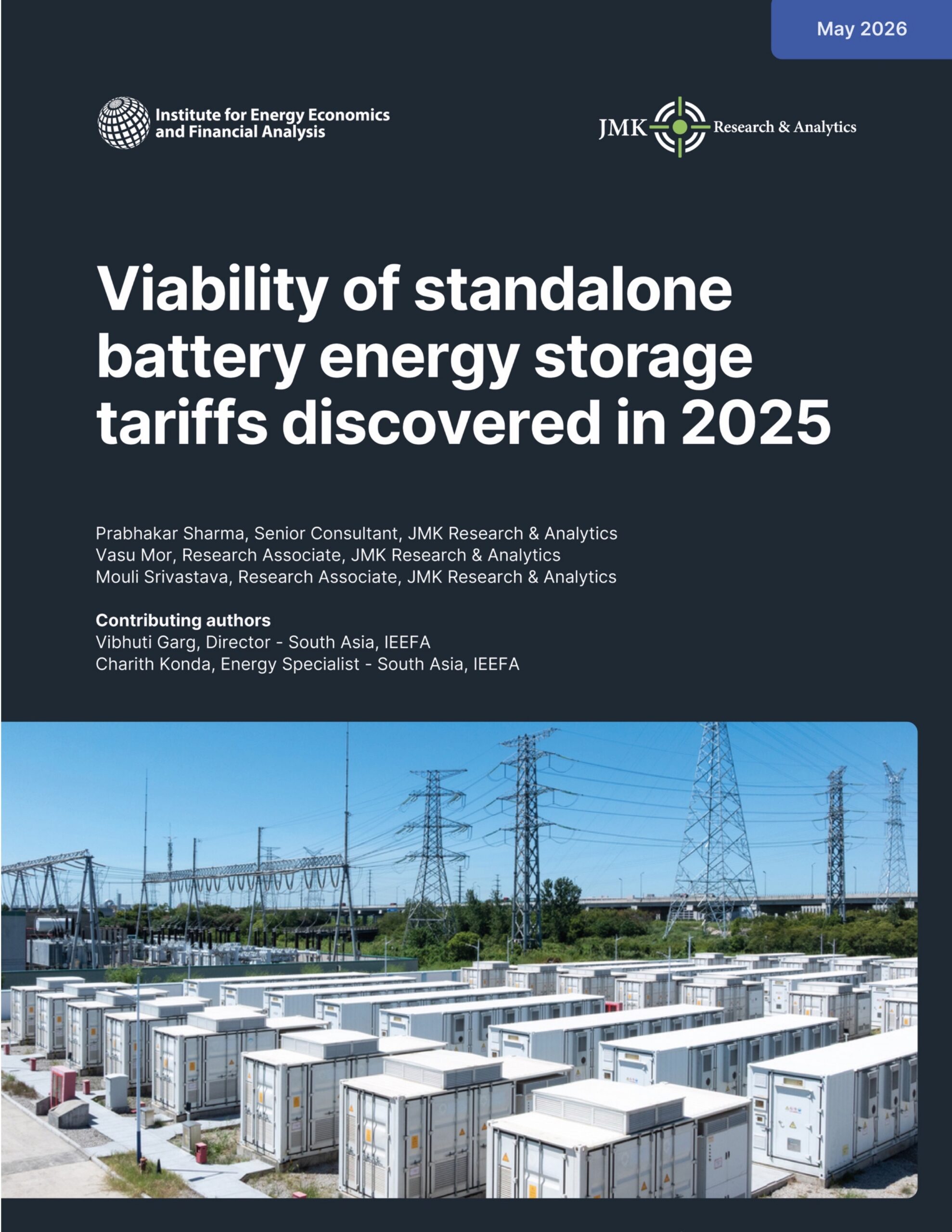
Viability of standalone battery energy storage tariffs discovered in 2025
This report examines the viability of standalone battery energy storage tariffs in India during 2025. It highlights a significant divergence between aggressive tariff reductions and actual project costs, evaluating associated execution risks, supply chain dependencies, and the need for procurement framework reforms to ensure sector resilience.
How poverty fell
Global extreme poverty fell mainly within cohorts, with substantial household churn and varied exit pathways. Sector shifts, migration, occupation changes and women’s labour force participation contributed unevenly; most households exited poverty without these changes.
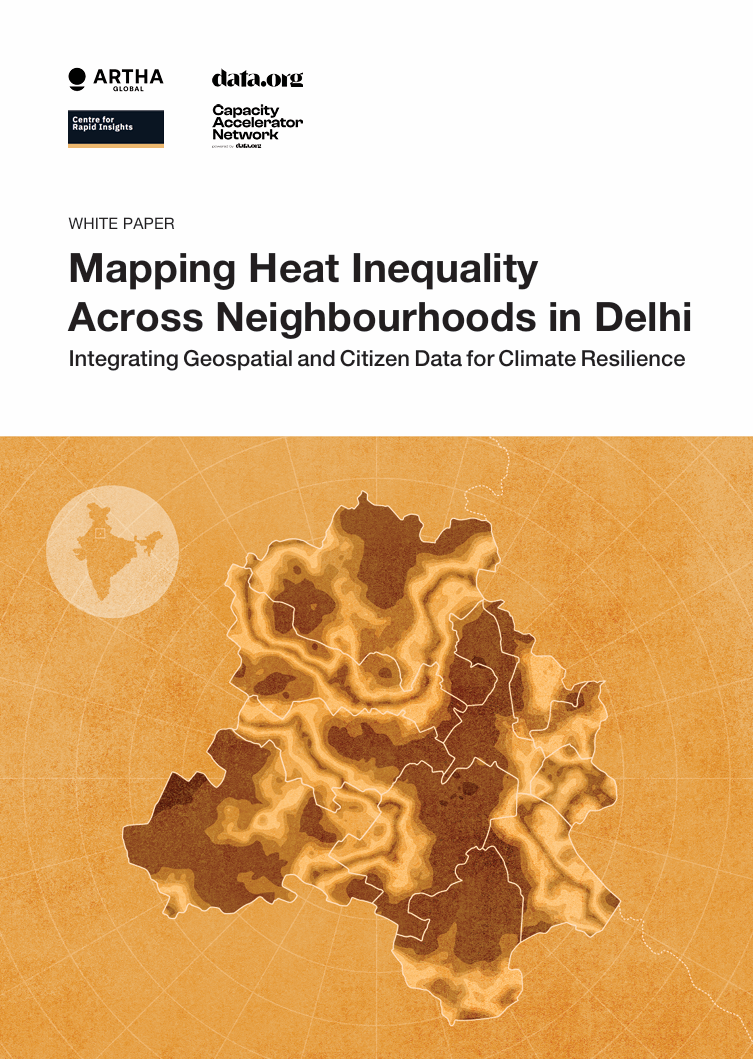
Mapping heat inequality across neighbourhoods in Delhi: Integrating geospatial and citizen data for climate resilience
Delhi heat vulnerability is shaped by neighbourhood density, limited green cover and unequal access to cooling. Using geospatial and household survey data, the report finds higher heat exposure increases illness, sleep disruption and productivity loss, while targeted greening, micro-level heat planning and energy-efficient cooling could improve urban climate resilience.

Artha Global
Artha Global is an India-based public policy and research organisation focused on inclusive economic growth, urban development, technology, data systems and climate resilience. Through research, policy analysis and partnerships with governments, philanthropies and private organisations, Artha Global develops evidence-based solutions that support shared prosperity, sustainable development and better societal outcomes.
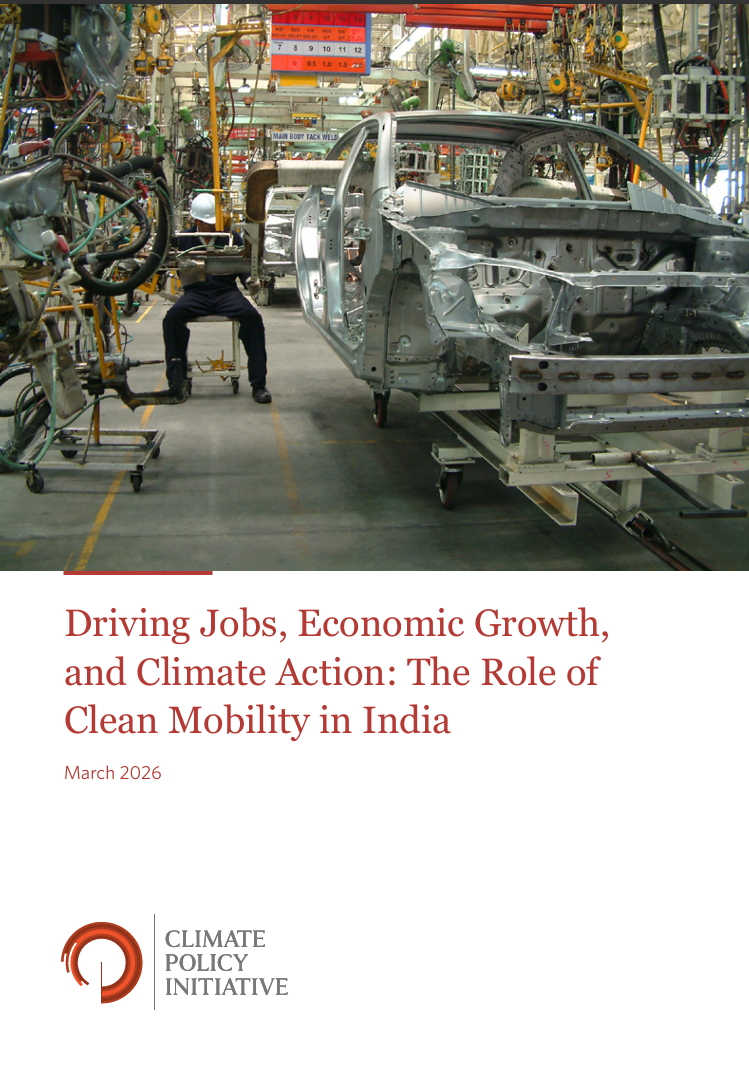
Driving jobs, economic growth, and climate action: The role of clean mobility in India
India’s transition to full electric vehicle adoption by 2047 could increase manufacturing output, create new jobs, reduce oil import dependence, and lower transport emissions. The report highlights substantial investment, infrastructure, and workforce reskilling requirements, with policy coordination and domestic manufacturing identified as critical to capturing long-term economic and climate benefits.

In focus: Impact investing in Asia
Impact investing in Asia is expanding, with $80 billion allocated and strong investor satisfaction. Returns largely meet or exceed expectations, led by private equity. Capital targets financial services, energy and healthcare, addressing a $1.5 trillion SDG gap, with growing private sector participation and regional variation.


