
About | Emmalene Wysocki
Emmalene Wysocki
I hold a Bachelor of Psychological Science (Honours) from the University of Newcastle and have a keen interest in pro-environmental behaviour.

PROFILE
For my psychological honours thesis I investigated the psychosocial factors that predict use of active transport (e.g., walking/cycling) instead of motorised transport, through Ajzen’s Theory of Planned Behaviour.
I would like to create more sustainable societies through strategic implementation that advocate pro-environmental and sustainable behaviour, at the individual and systemic levels. I absorb value in all things sustainability but express particular interest in the areas of consumer demand, plastic use, low-carbon travel, and food waste.

RECENTLY REVIEWED BY EMMALENE WYSOCKI

Collaborative for Frontier Finance
Collaborative for Frontier Finance (CFF) is a multi-stakeholder initiative that aims to increase access to capital for small and growing businesses in emerging markets. CFF works with diverse stakeholders- including local capital providers and institutional investors to accelerate financing solutions that target Small and Growing Businesses.

Finance Earth
Finance Earth is a mission-driven social enterprise, working in partnership with world-leading environmental organisations to protect and restore nature by utilising market-based mechanisms and implementing bespoke financial tools. They help create projects – and the investment vehicles to fund them – that balance positive outcomes for nature, communities and investors.

Reclaim Finance
Reclaim Finance aims to make finance work for people and the planet by using research and campaigning to shift some of the world's largest financial institutions away from investment in fossil fuels. In collaboration with Friends of the Earth France, Reclaim Finance's focus includes banks, insurers, investors and rating agencies.

Australasian Centre for Corporate Responsibility
Australasian Centre for Corporate Responsibility (ACCR) is a research and shareholder advocacy organisation. ACCR focuses on engaging with investors on how listed companies, industry associations, and other entities are managing climate, labour, human rights and governance issues. ACCR is philanthropically funded, not-for-profit, and independent.

World Economic Forum
World Economic Forum (WEF) is an independent international organisation committed to improving the state of the world by engaging business, political, academic and other leaders of society to shape global, regional and industry agendas. Incorporated as a not-for-profit foundation, WEF is tied to no political or national interests.

Organisation for Economic Co-operation and Development (OECD)
Organisation for Economic Co-operation and Development is an intergovernmental economic organisation with the means of stimulating world trade and economic progress for its member and non-member nations. The organisation has the means to facilitate policy that harbor prosperity, equality and opportunity.

Preventable Surprises
Preventable Surprises are a group of investment industry insiders working to persuade institutional investors to accept their fiduciary responsibility to mitigate systemic risks before the next preventable surprise. Activities include online dialogues, research reports, surveys and policy.
RECENTLY PUBLISHED BY EMMALENE WYSOCKI
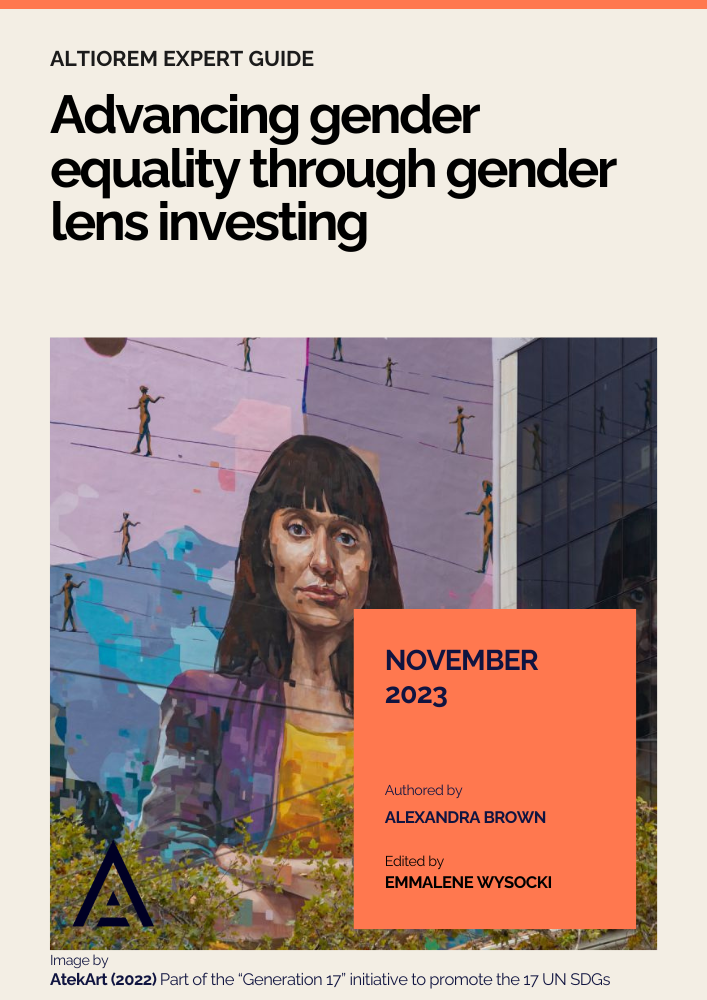
Advancing gender equality through gender lens investing
Examines gender lens investing as an approach integrating gender analysis into investment decisions to promote equality and returns. Outlines strategies, benefits, challenges, and case studies, linking to SDGs and emphasising measurement, engagement, and diverse investment practices.
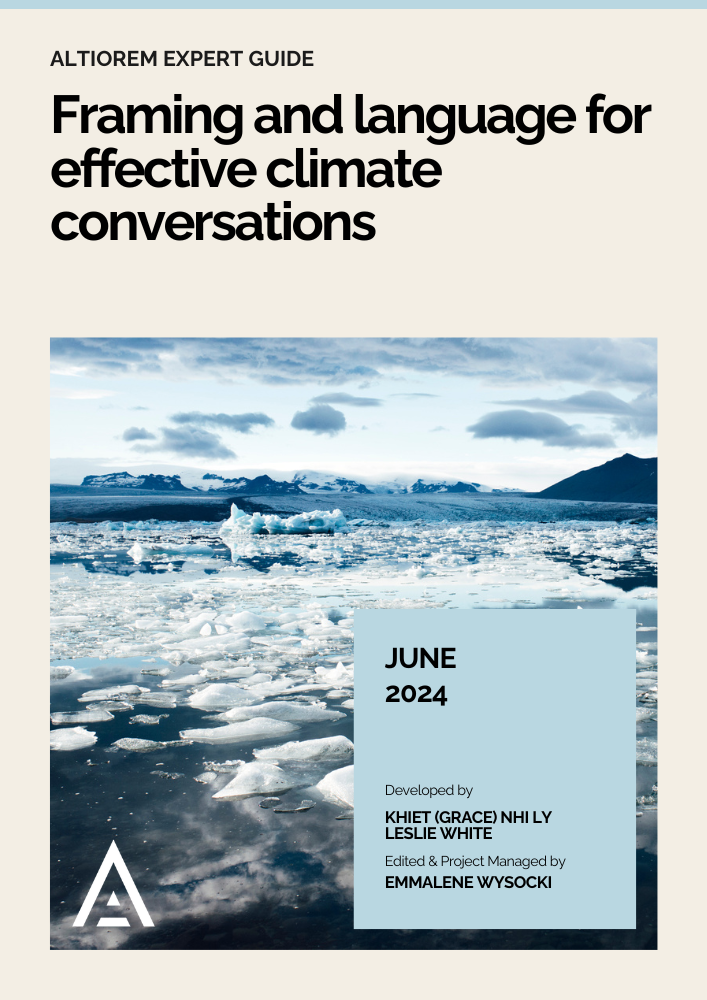
Framing and language for effective climate conversations
Guide outlines how framing and language influence climate engagement, especially among ‘middle ground’ audiences. It emphasises aligning messages with shared values, avoiding polarising or technical language, and using practical, relatable framing to build support for emissions reduction and climate action.
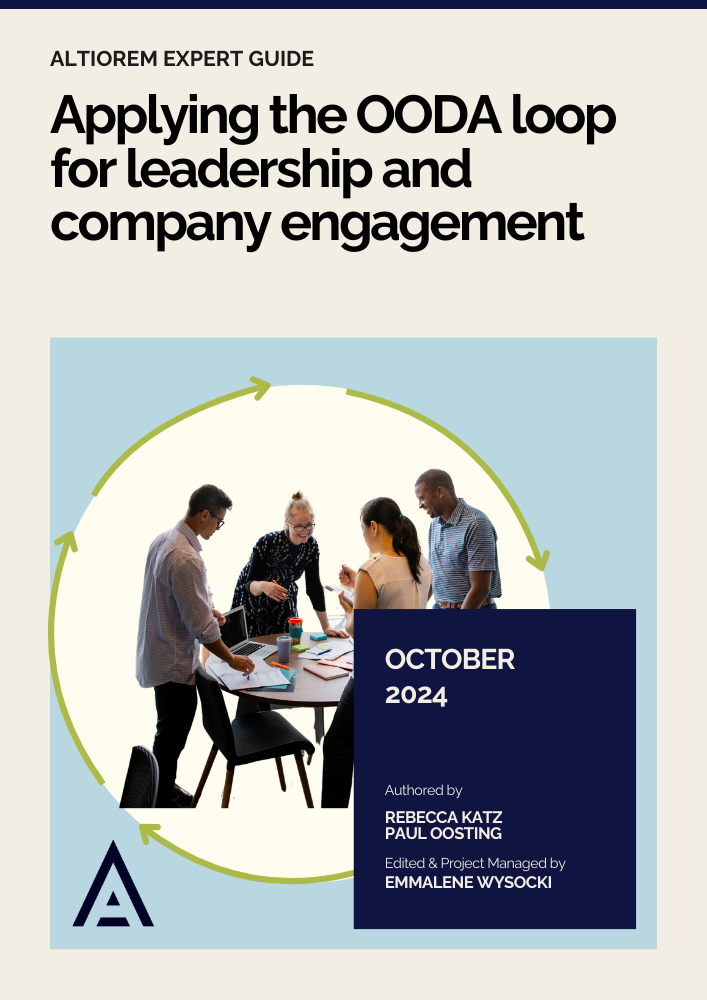
Applying the OODA loop for leadership and company engagement
This guide explains applying the OODA (Observe, Orient, Decide, Act) loop to strengthen strategic leadership and company engagement in sustainable finance, enabling adaptive decision-making, stakeholder alignment, and iterative responses to ESG challenges, illustrated through practical steps and a case study of corporate transition.
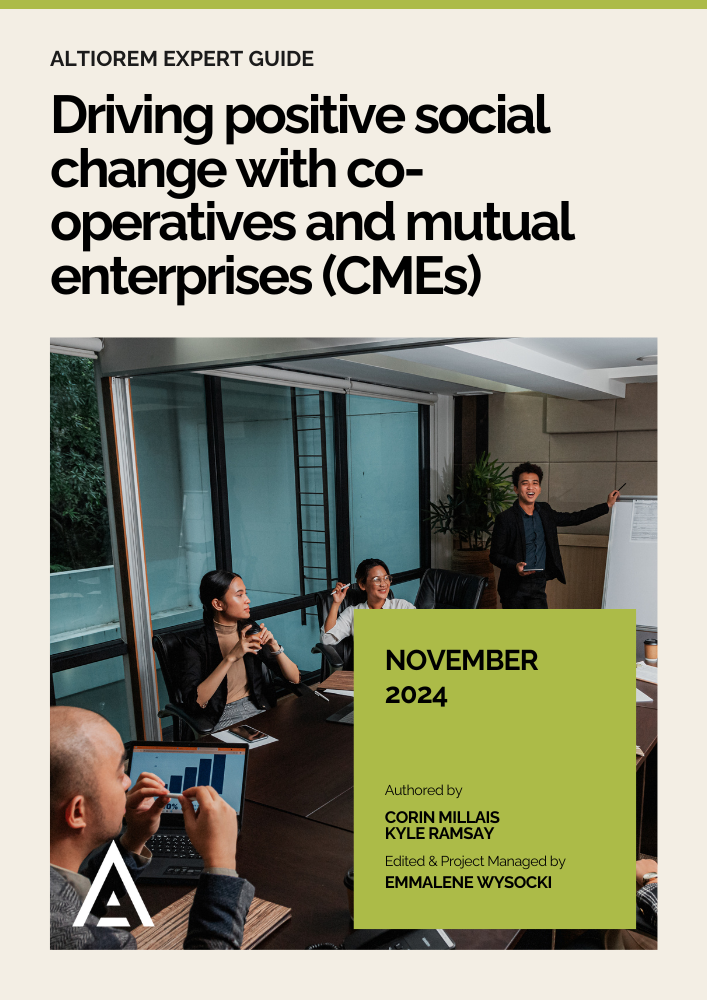
Driving positive social change through co-operatives and mutual enterprises (CMEs)
This guide explains how co-operatives and mutual enterprises can support social change through democratic governance, member focus and long-term value. It argues they can improve stability, competition and sustainability in finance, while noting challenges including regulation, capital raising and market awareness.
Mandatory climate reporting in Australia: A practical guide for 2026
Australia’s mandatory climate reporting regime began implementation from 2025, aligned with ISSB IFRS S2 standards. This guide explains regulatory expectations, governance responsibilities, emissions data requirements and practical steps organisations should take in 2026 to establish compliant climate disclosures, integrate climate risks into financial reporting, and prepare for assurance and regulatory scrutiny.
Understanding climate finance for resilient infrastructure
This expert guide outlines the rationale, tools and barriers for mobilising climate finance to deliver resilient infrastructure. It examines adaptation and mitigation finance, funding gaps, economic benefits, and stakeholder roles, supported by case studies demonstrating blended finance, insurance and public–private approaches in developing and developed contexts.
A blueprint for best practice in investor collaborations
This guide outlines best practice for investor collaborations addressing systemic ESG risks. It defines collaboration models, examines benefits and barriers, and presents a six-step framework covering leadership, governance, alignment, resourcing and accountability. Case studies illustrate how structured, investor-led initiatives can influence corporate behaviour and public policy.
Integrating human rights due diligence (HRDD) in finance and investment
Guide outlining how investors integrate human rights due diligence (HRDD) into ESG processes, particularly listed equities. It explains regulatory drivers, investor risks and opportunities, practical integration steps, barriers and case studies, emphasising saliency, stewardship, remediation and governance to manage human rights risks and align with evolving global standards.
Total Impact Portfolio: Constructing an investment portfolio with an impact lens
This guide outlines constructing a Total Impact Portfolio (TIP), integrating risk, return and impact across all asset classes. It explains double materiality, portfolio design steps, responsible investment strategies, measurement frameworks and barriers. Case studies illustrate Australian and international asset owners embedding impact within governance, allocation and performance management.

Starting and transitioning into sustainable finance careers
This guide outlines pathways for starting or transitioning into sustainable finance careers. It explains ESG integration, sustainable and impact investing, sector roles, required skills, barriers and transition strategies, supported by Australian context, expert insights and case studies from Pollination and Aware Super.
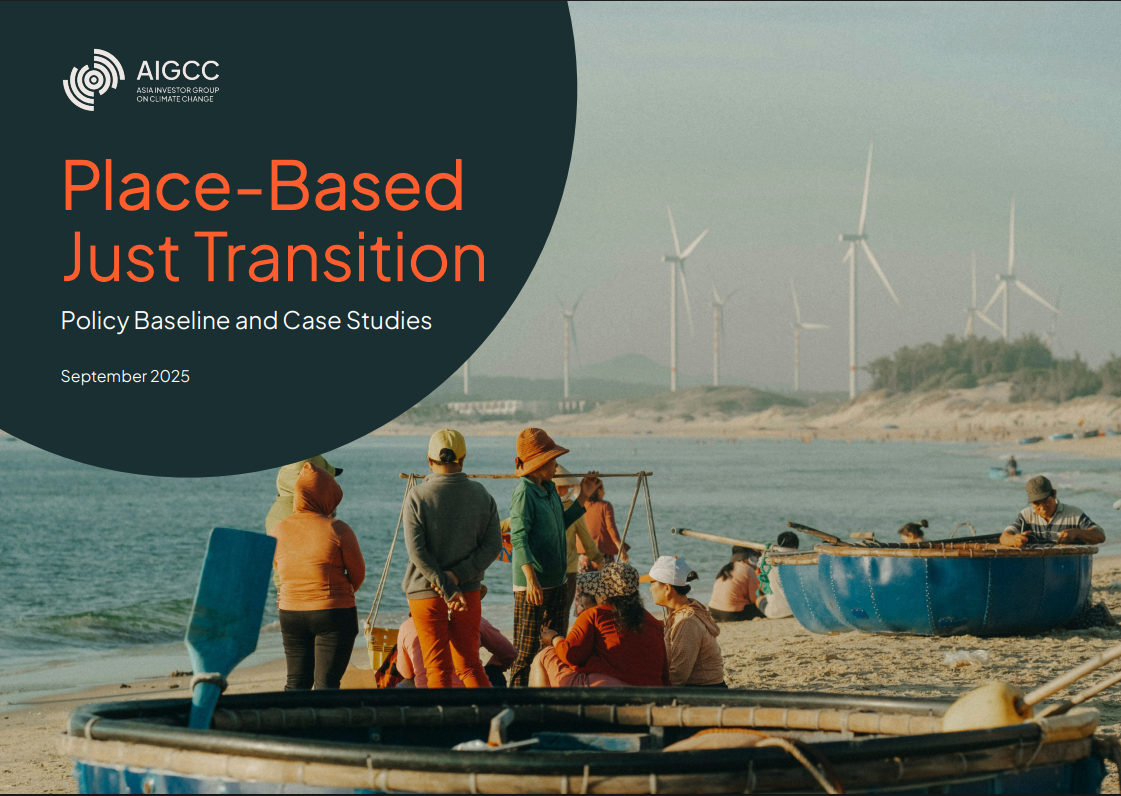
Place-based just transition: Policy baseline and case studies
This report from the Asia Investor Group on Climate Change analyses place-based just transition policies in India, Indonesia, Malaysia and Japan. It outlines market-specific policy baselines, labour and social dynamics, financing needs and case studies, providing investors and policymakers with insights into ensuring equitable low-carbon transitions in Asia.

Market Forces
Market Forces works to hold financial institutions accountable for funding environmentally harmful projects. Based in Australia, it campaigns for banks, superannuation funds and governments to align investments with climate goals. Market Forces provides research, advocacy tools and transparency on fossil fuel financing to support climate-conscious financial decision-making.
RIAA Policy Platform 2025: Harnessing sustainable finance for a thriving Australia
The RIAA Policy Platform 2025 outlines nine policy priorities and two principles to align Australia’s finance system with sustainability goals. It recommends regulatory reforms, improved data, Indigenous inclusion, and stronger accountability to mobilise capital for a net zero, nature-positive economy that supports long-term economic resilience and societal wellbeing.
Find it, fix it, prevent it: Modern slavery report 2024
CCLA’s 2024 report outlines investor-led efforts to address modern slavery through corporate engagement, policy advocacy, and improved data. Key sectors include construction and agriculture. Progress was made via benchmarking and collaborative initiatives, though disclosure and remedy remain limited. EU legislation and stakeholder coordination are driving further momentum.

Australian Impact Investments (Aii)
Australian Impact Investments (Aii) is a specialist asset consulting firm dedicated to mobilising capital for positive social and environmental impact alongside financial returns. Established in 2014, Aii collaborates with charitable trusts, foundations, family offices, wealth advisors, and institutions, offering bespoke impact strategies, rigorous investment analysis, and comprehensive portfolio management. With a focus on responsible investing, Aii assists clients at every stage of their impact journey.

Green Climate Fund (GCF)
Green Climate Fund (GCF) is a global fund established by the United Nations Framework Convention on Climate Change (UNFCCC) to support developing countries in tackling climate change. It provides financing for mitigation and adaptation projects, focusing on low-emission, climate-resilient development. Funded by governments, GCF plays a key role in international climate finance.

