
Library | Resource Types
Benchmark/series
Benchmarks in sustainable finance are standardized metrics or indices that evaluate and compare the sustainability performance of companies, investments, or sectors, guiding decision-making and measuring progress against goals.
Series are collections of reports released periodically, often annually, tracking trends and developments in sustainable finance or ESG issues, providing updated insights and analysis over time.
Refine
104 results
REFINE
SHOW: 16


State of supply chain sustainability series
The State of Supply Chain Sustainability is an annual benchmark series that examines how organisations define, govern, and implement environmental and social sustainability across global supply chains. It provides a consistent research framework to track evolving practices, pressures, and management approaches over time.
Planetary health check series
The Planetary Health Check is an annual benchmark series providing a consistent, science-based assessment of the Earth system. It applies the Planetary Boundaries framework to monitor planetary stability, resilience, and life-support functions, supporting comparability over time and informing policy, finance, and strategic decision-making and Planetary Boundaries Science is a research lab within the Potsdam Institute for Climate Impact Research (PIK), focused on advancing scientific understanding of the planetary boundaries framework. It does not operate as an independent organisation and should be covered under PIK’s institutional profile.
Voices of Aotearoa: Demand for ethical investment in New Zealand series
This annual research series examines public attitudes, expectations and behaviours relating to ethical, responsible and impact investing in New Zealand. It tracks how consumers engage with investment choices, transparency, fund practices and adviser interactions, providing a consistent evidence base to monitor evolving demand over time.
State of global water resources series
The State of Global Water Resources is an annual benchmark series produced by the World Meteorological Organization. It provides a consistent, global overview of freshwater conditions across key components of the hydrological cycle, supporting comparative assessment and decision-making across regions and time.
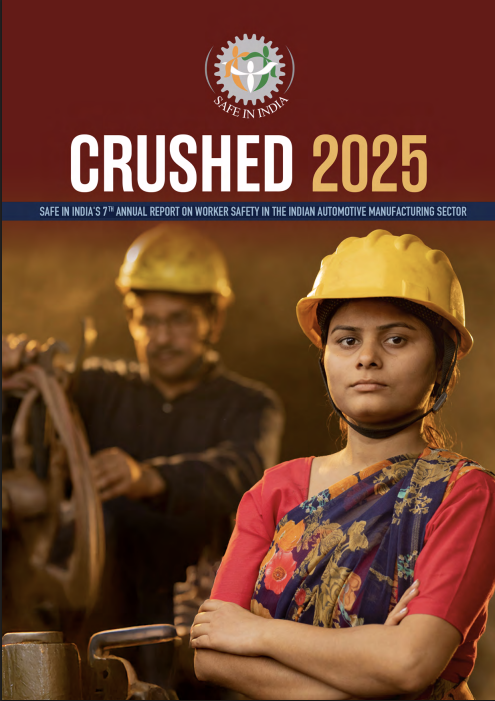
Crushed series
CRUSHED is a longitudinal research series by the Safe in India Foundation assessing worker safety in India’s automotive manufacturing and supplier ecosystem. Drawing on annual field evidence across multiple years, the series tracks workplace conditions, governance practices, and enforcement gaps to support consistent analysis over time.
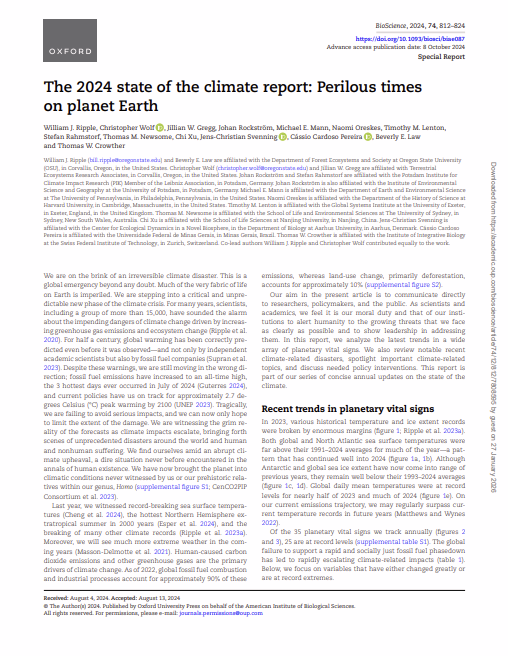
The state of the climate series
This benchmark series provides concise annual assessments of the global climate, using consistent scientific indicators to monitor environmental conditions, human pressures, and system responses. It is designed to support structured analysis and comparison over time for researchers, policymakers, and finance and sustainability professionals.
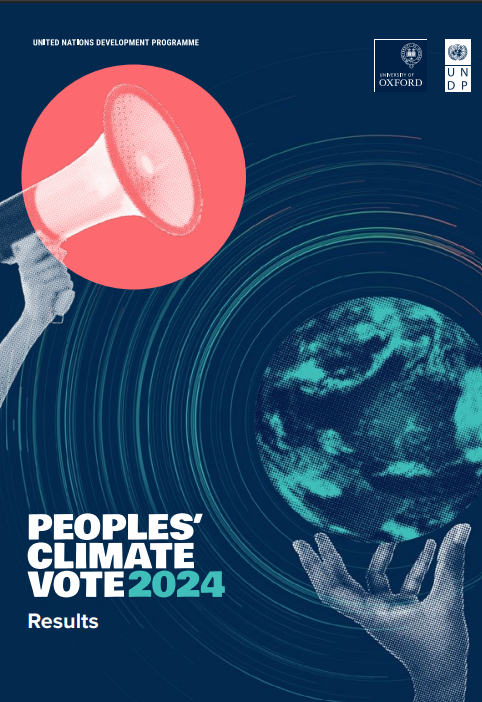
Peoples' climate vote series
The Peoples’ Climate Vote is a global survey series capturing public perspectives on climate change, policy priorities and collective action. Led by international institutions, it provides a consistent framework to understand how people experience climate impacts and how they expect governments, businesses and global actors to respond.
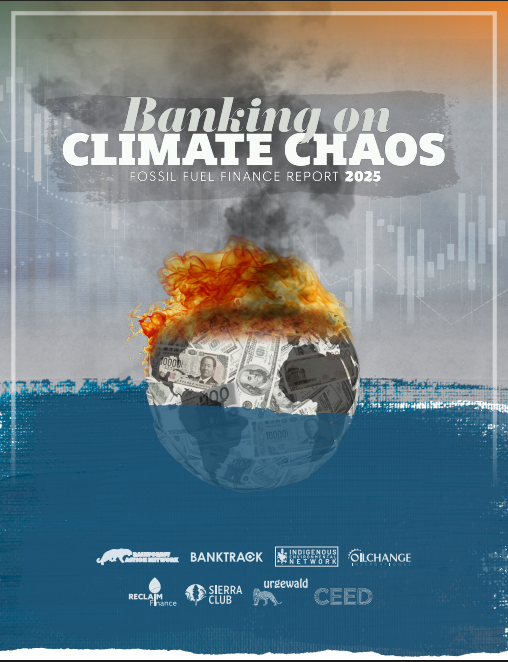
Banking on climate chaos series
The Banking on Climate Chaos is a multi-year research series assessing how major global banks finance fossil fuel activities. It provides a consistent framework to review lending and underwriting linked to fossil fuels and expansion, supporting year-on-year comparison and broader analysis of banking practices.
Endowment impact benchmark series
The Endowment Impact Benchmark is a benchmark series that provides a structured assessment and benchmarking framework for endowments and foundations. It evaluates policies, governance, management and transparency related to sustainable and impact investing, enabling consistent comparison and ongoing progress tracking across participating institutions.
Net zero atlas series
The COP Net Zero Atlas is an annual research series examining transition and physical climate risks across major economies. It provides a structured framework to assess national climate commitments, policy pathways and exposure to climate hazards, supporting comparative analysis for investors and policymakers.
State of the global climate series
The State of the Global Climate is an annual benchmark series produced by the World Meteorological Organization that synthesises authoritative observations across the climate system, including the atmosphere, oceans and cryosphere, to provide a consistent, comparable evidence base for global climate monitoring, policy analysis and long-term assessment.
State and trends of carbon pricing series
The State and Trends of Carbon Pricing series provides an annual, global overview of carbon pricing policies and carbon markets. It reviews the development and structure of carbon taxes, emissions trading systems, and crediting mechanisms to support policy, regulatory, and market analysis.
Climate risk self-assessment survey series
This series presents APRA’s Climate Risk Self-Assessment Surveys, which review how APRA-regulated entities approach governance, risk management, metrics, targets and disclosure of climate-related financial risks. It provides a consistent, periodic view of industry practices and alignment with prudential guidance over time.
Directors’ duties navigator: Climate risk and sustainability disclosures series
This is a series of legal and governance primers examining directors’ duties and corporate disclosure obligations in relation to climate and sustainability risks. It provides jurisdictional analysis and practical guidance to support board oversight, risk management and reporting as regulatory and market expectations evolve.
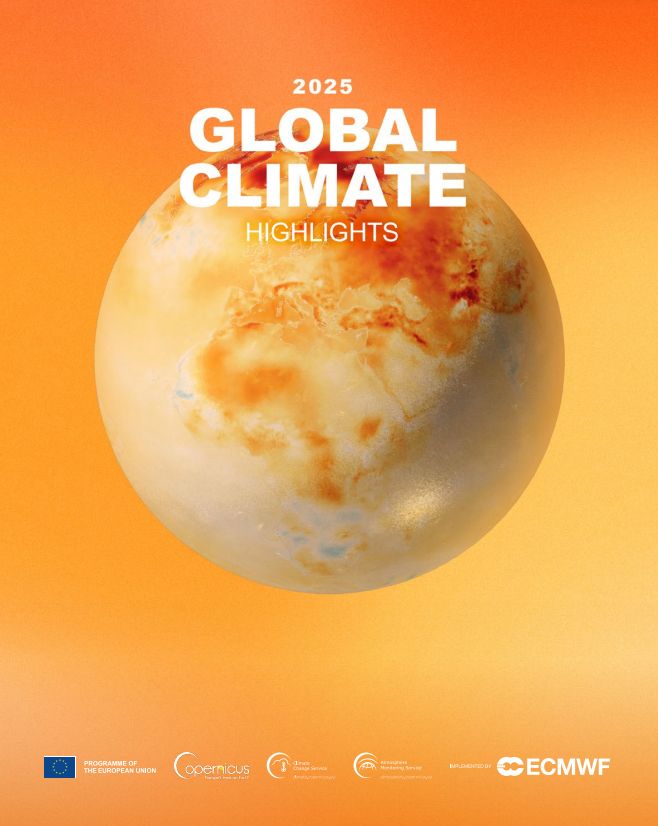
Global climate highlights series
This benchmark series provides a recurring, standardised overview of global climate conditions, produced using consistent observational and reanalysis datasets. It tracks changes across key climate indicators to support comparability over time and inform assessment of longer-term climate trends within a recognised reference framework.
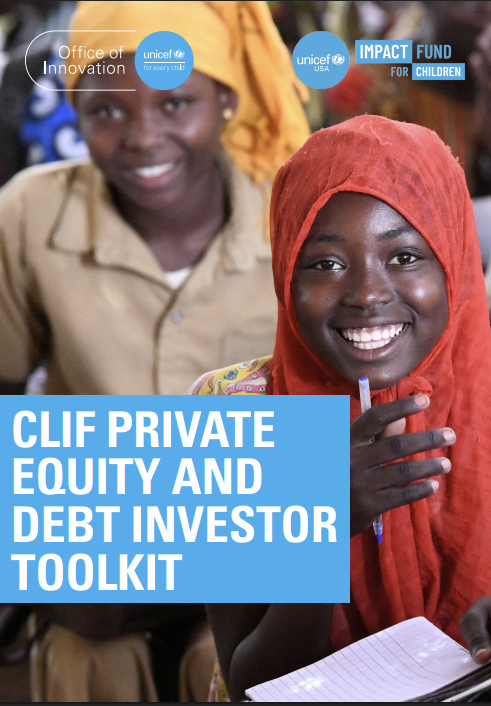
UNICEF USA’s child lens investing series
This series outlines UNICEF’s Child-Lens Investing approach, providing practical guidance for investors to integrate children’s rights and well-being into investment strategy, due diligence, contribution, and measurement across asset classes. It supports consistent application of a child lens alongside established impact and ESG practices.


