
Library | Resource Types
Research
We summarise credible research and reports on sustainable finance and ESG issues. Our summaries, along with our AI ChatBot saves members time reading large reports, to focus on knowledge building and action.
Refine
1834 results
REFINE
SHOW: 16


Navigating the EV transition: Barriers and tools for shifting Europe to low-carbon mobility
This report examines the challenges facing the European automotive industry in transitioning to electric vehicles (EVs). It analyses shifting revenue streams, battery production costs, supply chain risks, and the need for charging infrastructure, while outlining financial tools to support adoption, research, and skills development.
How poverty fell
Global extreme poverty fell mainly within cohorts, with substantial household churn and varied exit pathways. Sector shifts, migration, occupation changes and women’s labour force participation contributed unevenly; most households exited poverty without these changes.
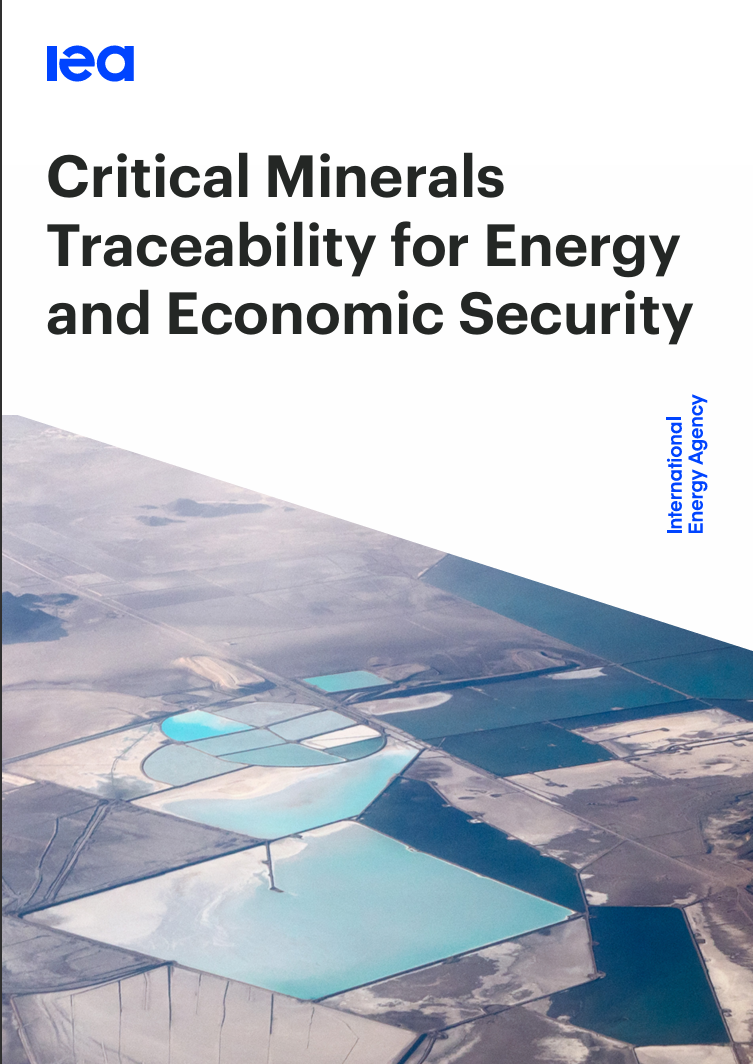
Critical minerals traceability for energy and economic security
IEA finds traceability systems can strengthen critical mineral supply chain resilience by improving visibility, diversification and responsible sourcing. Adoption is increasing but remains uneven due to costs, interoperability issues and limited incentives. The report recommends harmonised standards, financial support and international co-operation to improve energy and economic security.
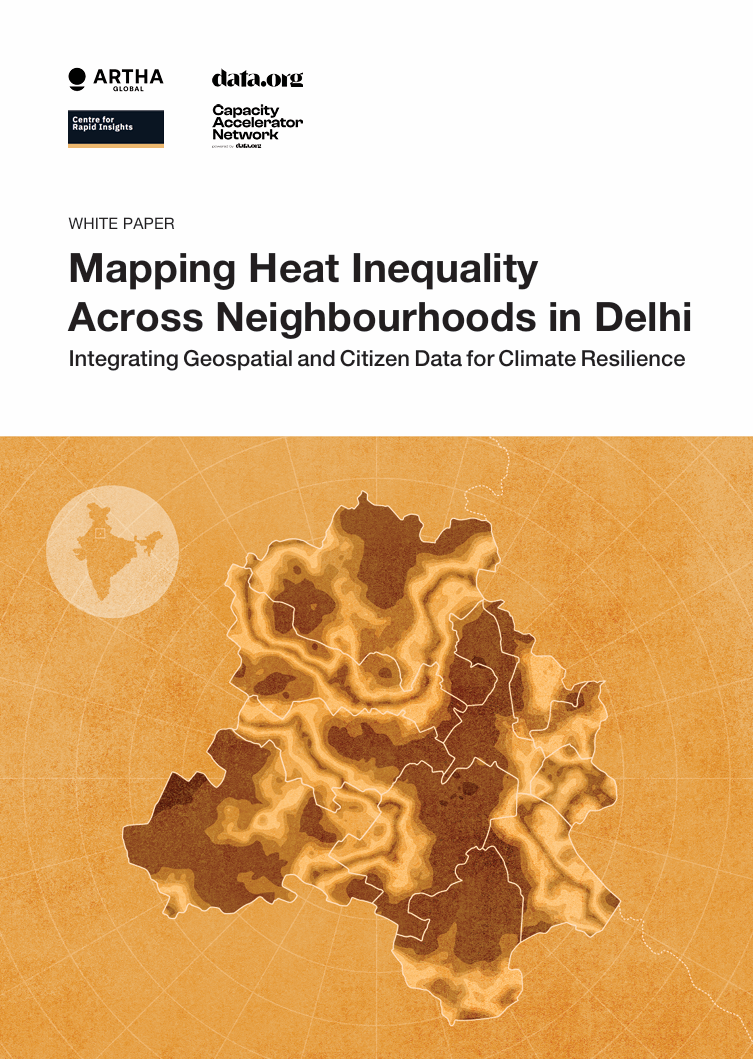
Mapping heat inequality across neighbourhoods in Delhi: Integrating geospatial and citizen data for climate resilience
Delhi heat vulnerability is shaped by neighbourhood density, limited green cover and unequal access to cooling. Using geospatial and household survey data, the report finds higher heat exposure increases illness, sleep disruption and productivity loss, while targeted greening, micro-level heat planning and energy-efficient cooling could improve urban climate resilience.
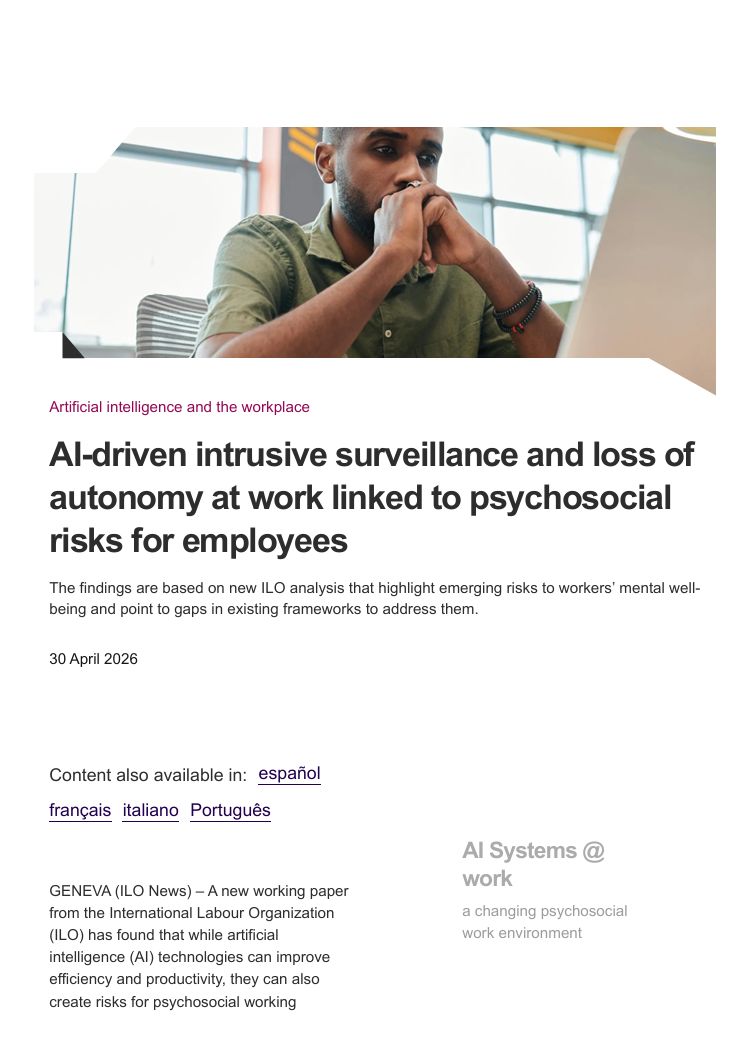
AI-driven intrusive surveillance and loss of autonomy at work linked to psychosocial risks for employees
ILO research finds AI-driven workplace surveillance and reduced employee autonomy may heighten psychosocial risks, including stress, privacy concerns and work intensification. The paper highlights gaps in occupational safety frameworks and calls for integrated regulation covering labour rights, data protection and mental wellbeing.
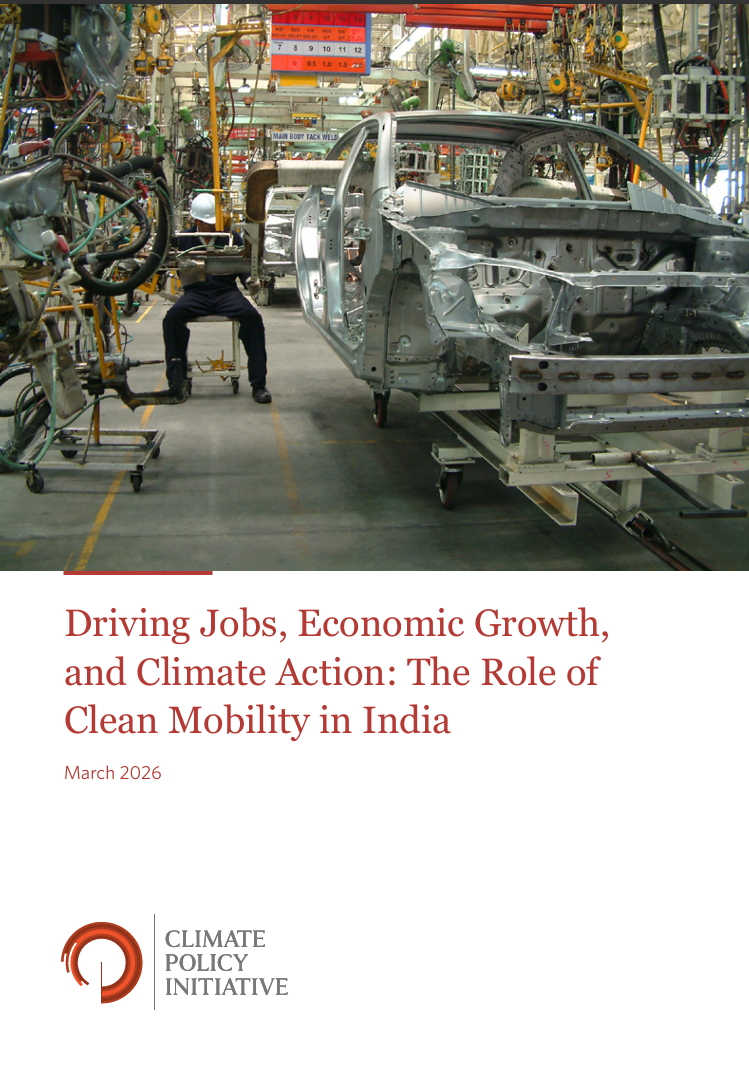
Driving jobs, economic growth, and climate action: The role of clean mobility in India
India’s transition to full electric vehicle adoption by 2047 could increase manufacturing output, create new jobs, reduce oil import dependence, and lower transport emissions. The report highlights substantial investment, infrastructure, and workforce reskilling requirements, with policy coordination and domestic manufacturing identified as critical to capturing long-term economic and climate benefits.
Equity in principle, misalignment in practice: Adaptation finance governance in the adaptation fund and green climate fund
The report argues that adaptation finance through the Adaptation Fund and Green Climate Fund formally prioritises equity, vulnerability and country ownership, but remains constrained by voluntary funding, access barriers and project-based delivery, limiting alignment with Global South priorities.
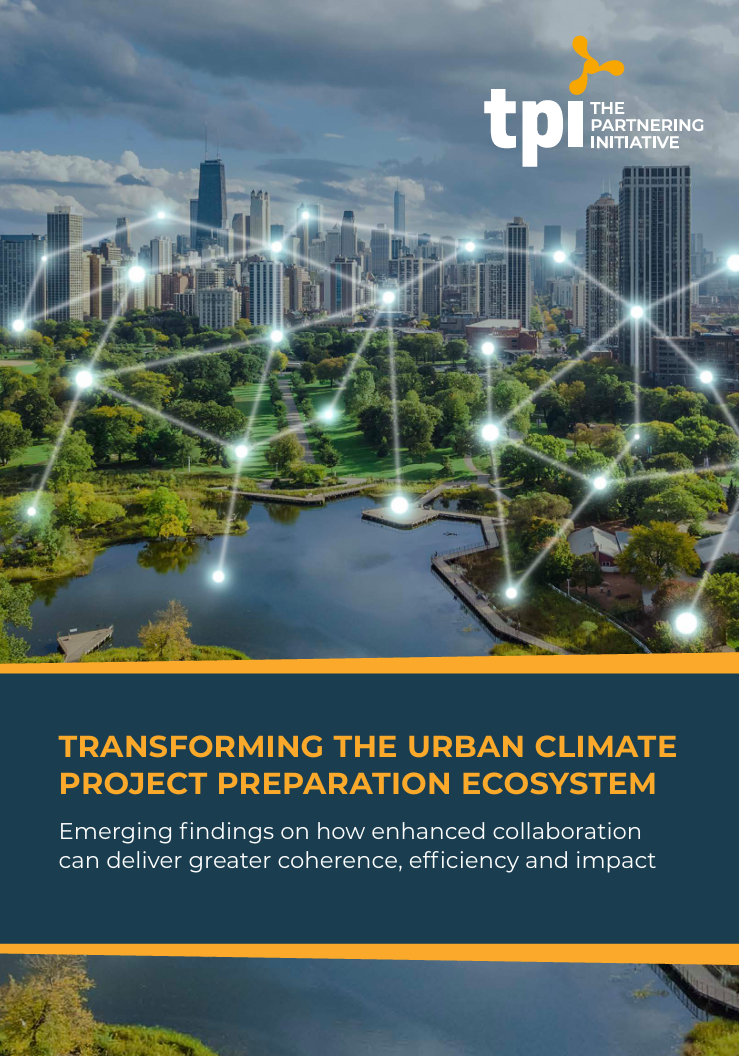
Transforming the urban climate project preparation ecosystem: Emerging findings on how enhanced collaboration can deliver greater coherence, efficiency and impact
The report examines weaknesses in urban climate project preparation and argues that stronger coordination between cities, financiers and support organisations could improve coherence, efficiency and project impact. It identifies structural and operational barriers and proposes collaborative reforms to strengthen climate finance delivery.
Physical climate risk in the United States equity market: Quantifying state–sector heterogeneity
The report presents an NGFS-aligned framework for assessing physical climate risk in U.S. equities. Using state-level GDP damage projections and sector-specific adjustments, it estimates a roughly 4.0% valuation loss for a U.S. equity benchmark under current policies, highlighting substantial variation across states and sectors.
Exposing tobacco companies’ retail presence and highlighting regulatory options
The report outlines how tobacco companies use retailer incentives, targeted in-store marketing, and retailer lobbying to sustain product visibility and influence regulation. It reviews policy options, including retail licensing, outlet restrictions, and sales limitations, aimed at reducing tobacco availability and countering industry presence in retail settings.
Applying TNFD nature-related metrics in the fishing sector: Insights from investors and industry
TNFD guidance for the fishing sector outlines how investors and seafood companies use nature-related metrics to assess risks, disclosure and stewardship. Findings highlight growing demand for traceability, stock health and bycatch data, while noting certification interoperability, persistent data gaps and emerging access to blue finance instruments.
Climate risks to Syria’s urban water and sanitation systems
Syria’s urban water and sanitation systems face rising climate-driven water scarcity, infrastructure damage and growing demand. The report recommends integrated water management, infrastructure rehabilitation, agricultural water efficiency, wastewater reuse and stronger governance to reduce future water insecurity, contamination risks and maladaptive investment.
The EU Inc.: Half European, fully digital, and genuinely innovative
The paper analyses the European Commission’s proposed “EU Inc.” framework, a harmonised digital-first company structure for EU start-ups and scale-ups. It assesses governance, financing, codetermination, digital registration and cross-border legal integration within existing EU and national company law frameworks.
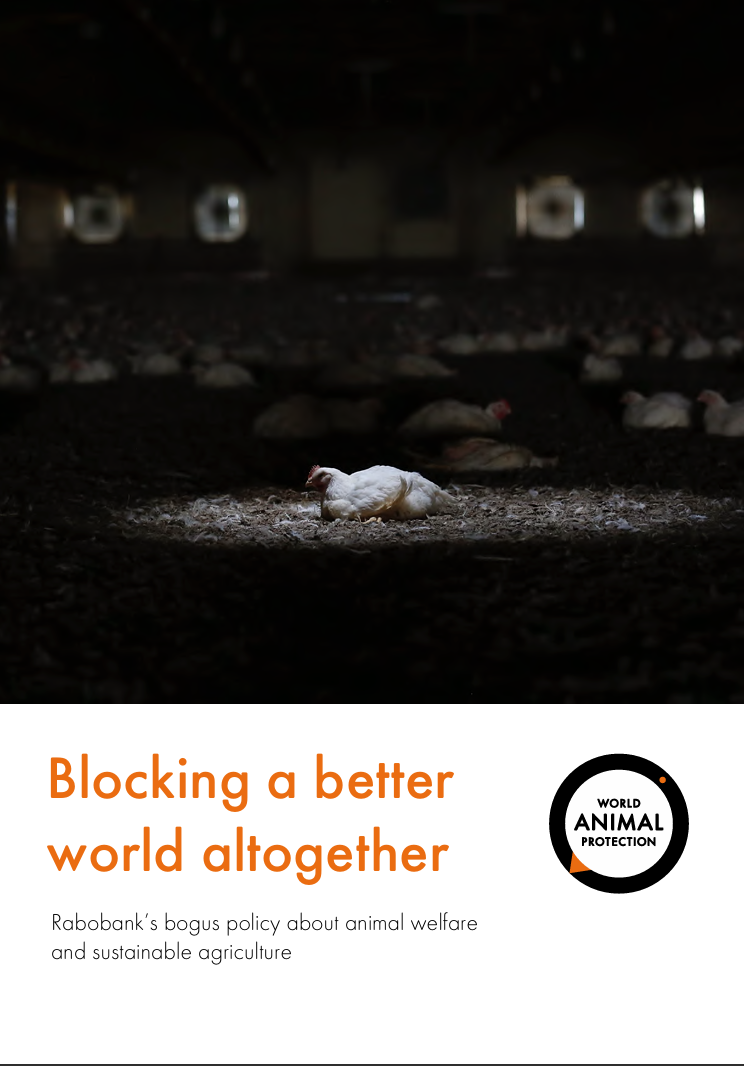
Blocking a better world altogether: Rabobank’s bogus policy about animal welfare and sustainable agriculture
World Animal Protection argues Rabobank’s sustainability policies fail to match its financing practices, alleging continued support for companies linked to animal cruelty, deforestation and high emissions. The report urges stricter lending conditions, stronger monitoring and reduced investment in industrial livestock expansion to align with climate and animal welfare goals.
Building the financial case for urban adaptation: Guidance and case studies
C40 and Rebel outline how cities can structure urban adaptation projects to attract private finance, using ten case studies. Bankability depends on revenue logic, risk allocation, public de-risking, early financier engagement and credible monitoring.
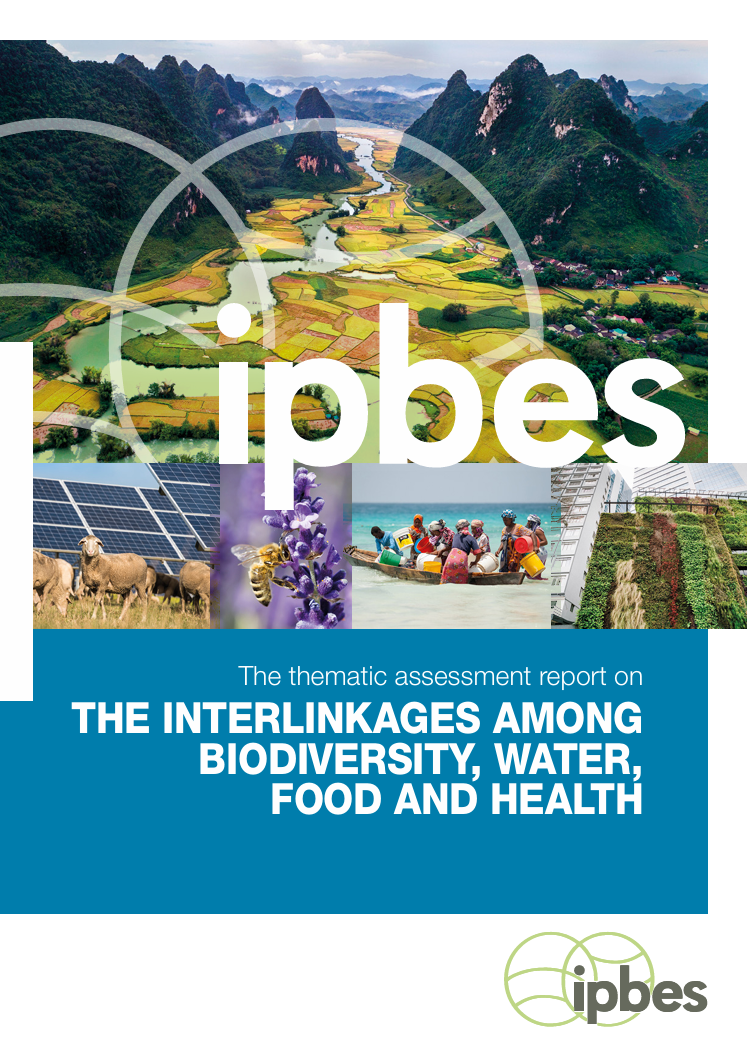
The thematic assessment report on the interlinkages among biodiversity, water, food and health
IPBES assesses links between biodiversity, water, food, health and climate, finding siloed decisions worsen trade-offs. It identifies integrated governance, sustainable consumption, ecosystem restoration and finance reform as response options to support more just and sustainable outcomes.


