
Library | ESG issues
Buildings & Infrastructure
Buildings and infrastructure include physical structures and systems such as commercial buildings, roads, and energy networks. Sustainable infrastructure focuses on optimising and retrofitting existing assets while developing new ones that integrate environmental stewardship, social equity, and sustainable design. Investing in infrastructure can support sustainable development and ensure that all people have access to safe, affordable, reliable, and high-quality infrastructure.


Refine
182 results
REFINE
SHOW: 16


Investing in Resilience: Building an insurance-centric framework for resilience investment
Carlyle and Marsh introduce an insurance-centric framework to incentivise resilience investment. It addresses structural barriers preventing the recognition of risk reduction in underwriting, offering a four-step protocol to translate documented measures into tangible financial benefits, such as lower premiums, reduced deductibles, and improved asset durability.
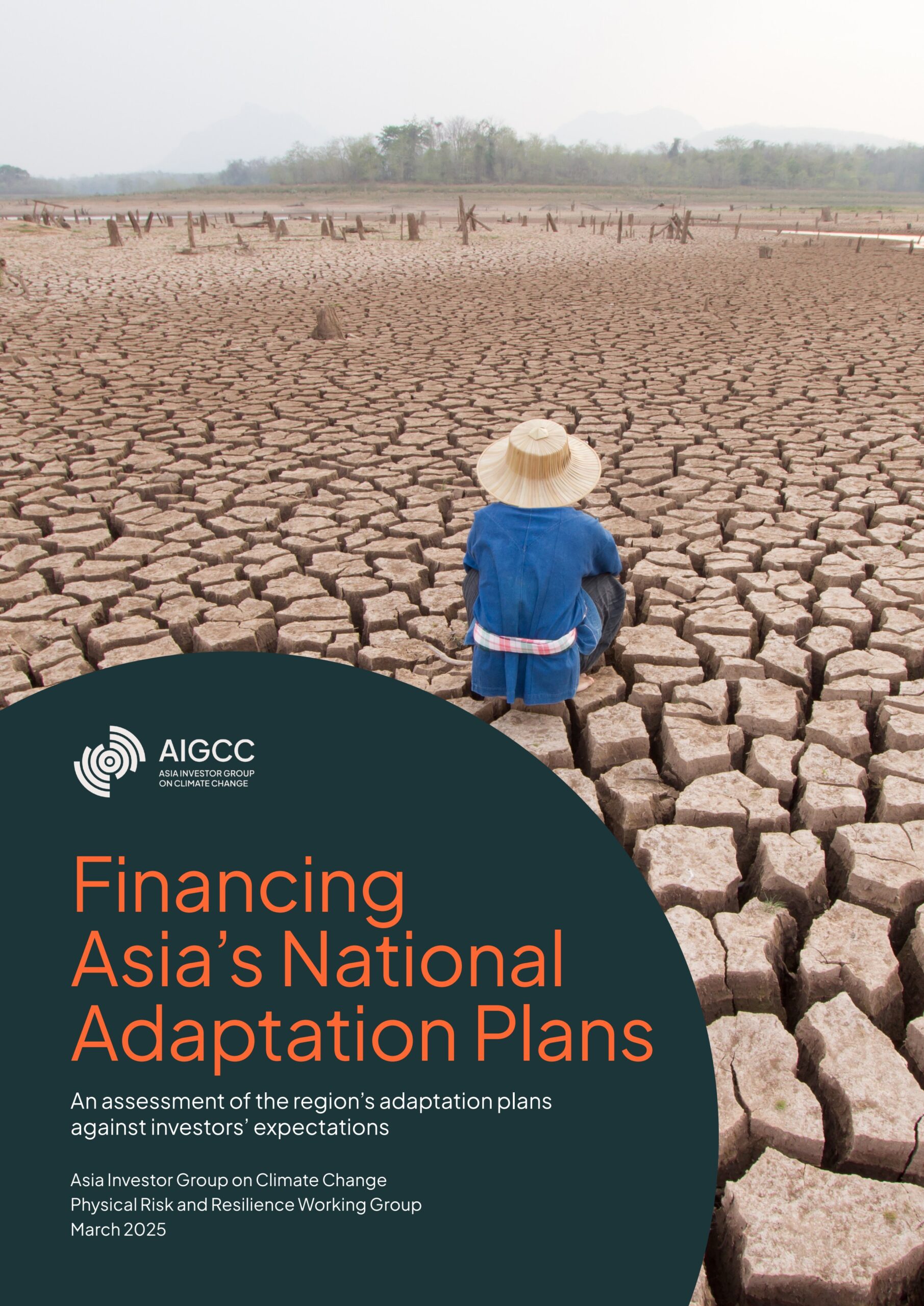
Financing Asia’s National Adaptation Plans: An assessment of the region’s adaptation plans against investors’ expectations
This benchmark report evaluates the alignment of national adaptation planning across nine Asian markets with investor expectations. Produced by the Asia Investor Group on Climate Change, it highlights progress and gaps in climate risk information and project pipelines to help unlock private capital for regional resilience.
Know your grid: How cleaner electricity shapes real estate capital planning
This report explores how grid decarbonisation trajectories influence real estate capital planning. By linking asset-level performance with power sector projections, it identifies optimal sequencing for electrification and efficiency investments. It demonstrates that rapid action is essential for assets on slow-moving grids to mitigate cumulative emission risks.
Just Transition Real Estate Monitor
The Just Transition Real Estate Monitor evaluates construction clients across ten European countries on climate goals and social responsibility. It provides finance professionals with ESG data on housing affordability, labour conditions, and decarbonisation in the built environment.
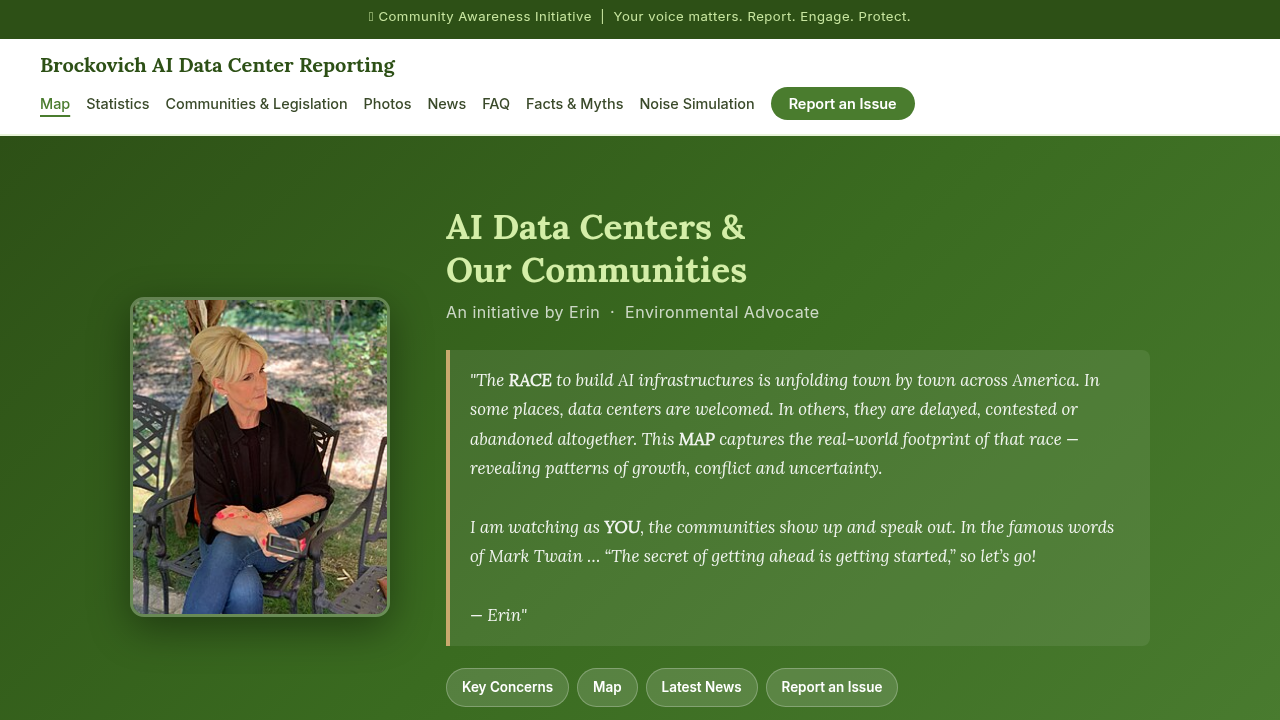
Brockovich Data Center Map
The Brockovich Data Center Map is a grassroots initiative tracking the environmental and community impacts of AI data centres across the United States. It provides interactive mapping and community-sourced reporting on energy use, water consumption, and infrastructure strain.
The State of Cities Climate Finance: Part 2: The enabling conditions for mobilising urban climate finance
Produced by the World Bank and CCFLA, this report examines frameworks for mobilising urban climate finance. It introduces a conceptual framework based on country, city, and climate-specific elements. Findings highlight that cities generate 70% of global emissions and require urgent investment through improved planning, fiscal systems, and carbon pricing.
Modernising grids in the Age of Electricity: Scaling digital technologies and AI for better use of existing networks
This IEA report examines modernising electricity grids using digital technologies and AI. It estimates that grid-enhancing technologies could unlock 330 GW of capacity, saving USD 100 billion in investment. Success requires reforming regulatory frameworks, improving data foundations, and addressing critical skills shortages to optimise networks for the energy transition.
Adaptation Insights 02: Investing in nature: Pathways to scale investments in nature-based solutions for climate adaptation
This report examines pathways to scale nature-based solutions for climate adaptation, highlighting their superior benefit-cost ratios compared to traditional infrastructure. It identifies strategies to mobilise private capital, utilise standardised valuation metrics, and leverage carbon markets to support long-term maintenance and resilience across vulnerable regions, particularly in Africa.
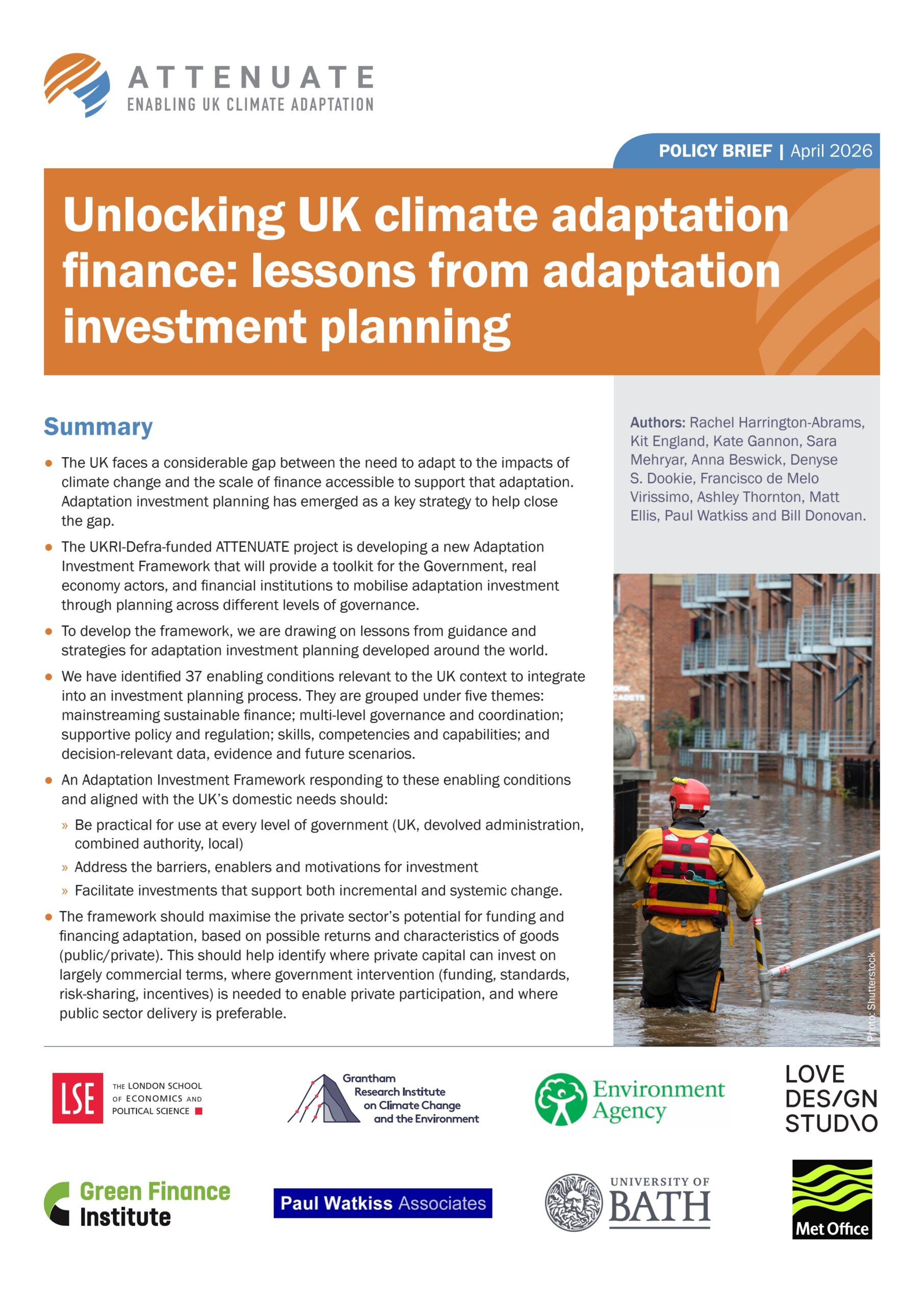
Unlocking UK climate adaptation finance: lessons from adaptation investment planning
This policy brief by the ATTENUATE project explores developing a multi-level Adaptation Investment Framework for the UK. It identifies 37 enabling conditions to bridge the adaptation financing gap, requiring £5 billion to £10 billion annually. The report synthesises global lessons to mobilise public and private capital for climate resilience.
The macroeconomic case for investing in climate adaptation
This report synthesises evidence from 300 studies to establish the macroeconomic case for climate adaptation. It projects global GDP per capita losses of 8% by 2050, rising to 12% in lower-income countries. Proactive adaptation offers median benefit-cost ratios of 4:1, bolstering fiscal stability and accelerating sustainable development.
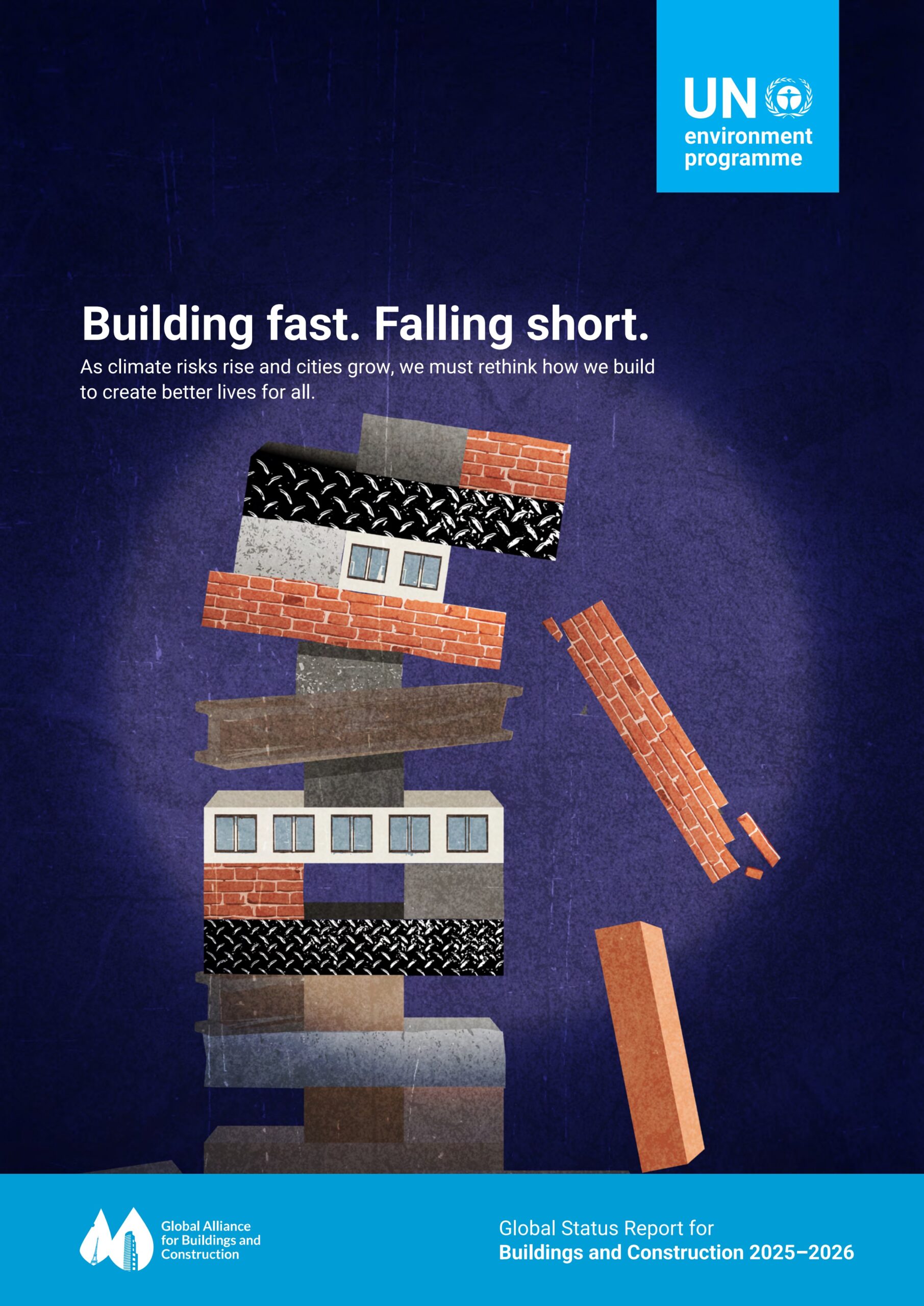
Building fast. Falling short. Global Status Report for Buildings and Construction 2025–2026
The 2025–2026 Global Status Report for Buildings and Construction examines the sector's slow progress toward net-zero targets. Despite rising floor area and investment, building emissions and energy intensity remain off track. The report recommends urgent fossil-fuel phase-outs, upgraded building codes, and increased renewable energy deployment to meet 2030 milestones.
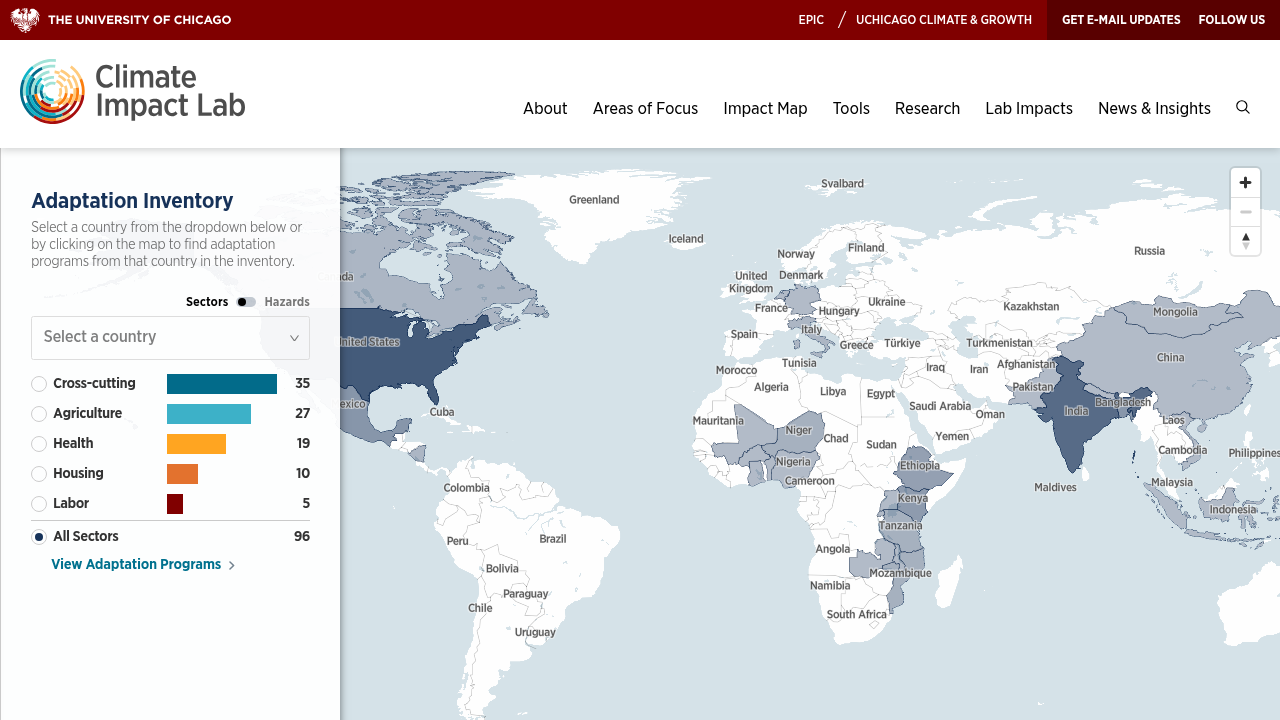
Adaptation Inventory
The Adaptation Inventory is a global repository of evidence-based climate resilience policies and programmes developed by the Climate Impact Lab to support scalable adaptation solutions.
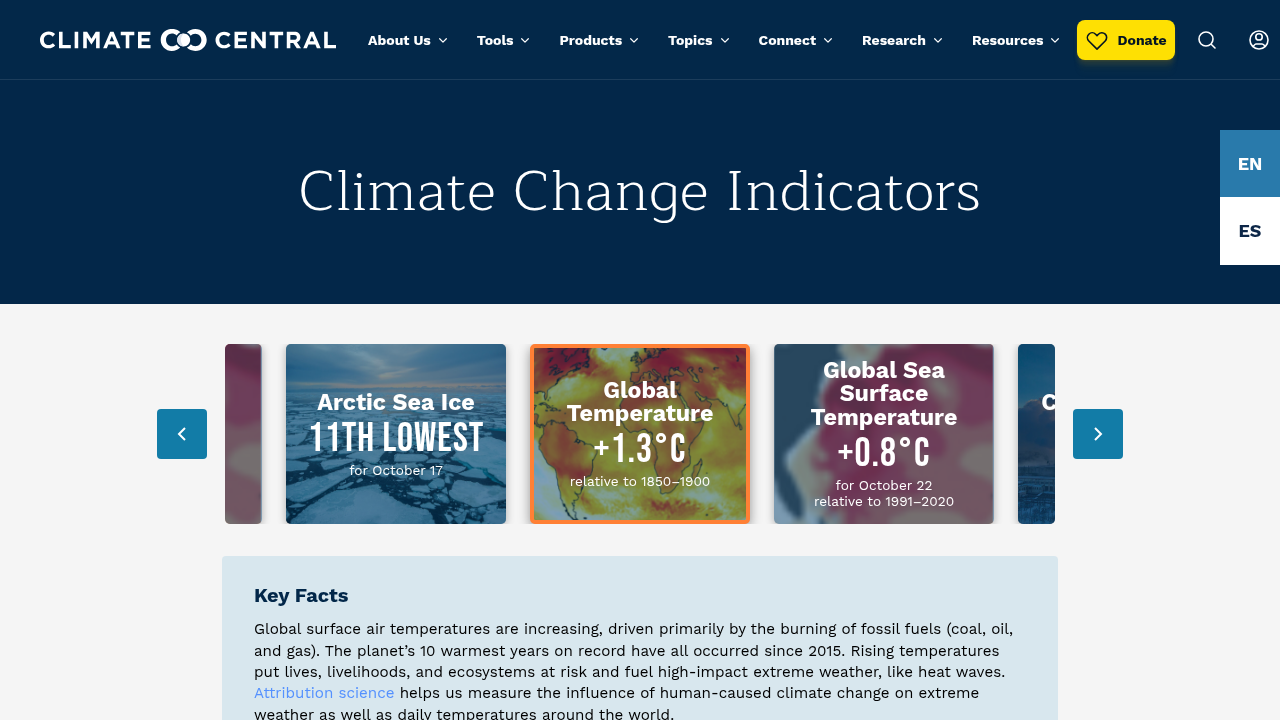
Climate Change Indicators Dashboard
A real-time global dashboard from Climate Central providing data visualisations on key climate indicators, attribution science, and extreme weather impacts to help professionals assess environmental risks and infrastructure vulnerability.
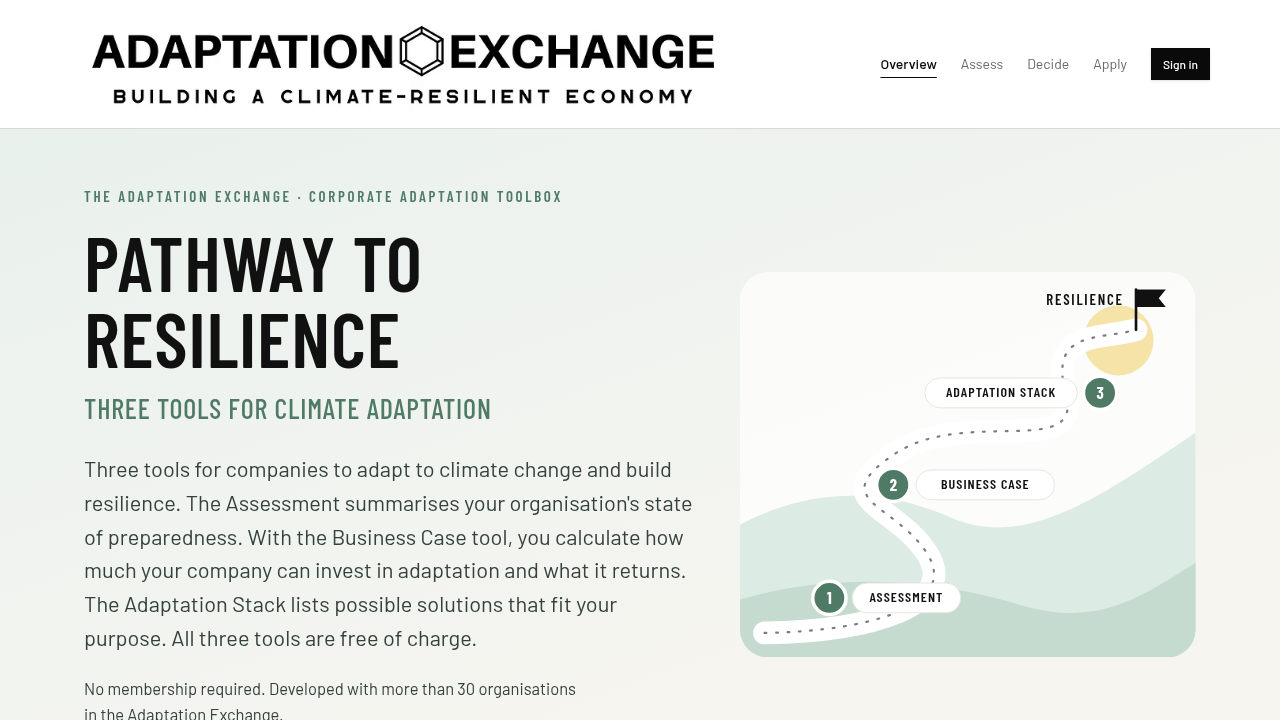
Adaptation Toolbox
The Adaptation Toolbox, developed by The Adaptation Exchange, provides three free tools to help companies assess climate preparedness, quantify the financial business case for adaptation, and discover technical resilience solutions for physical climate risks.
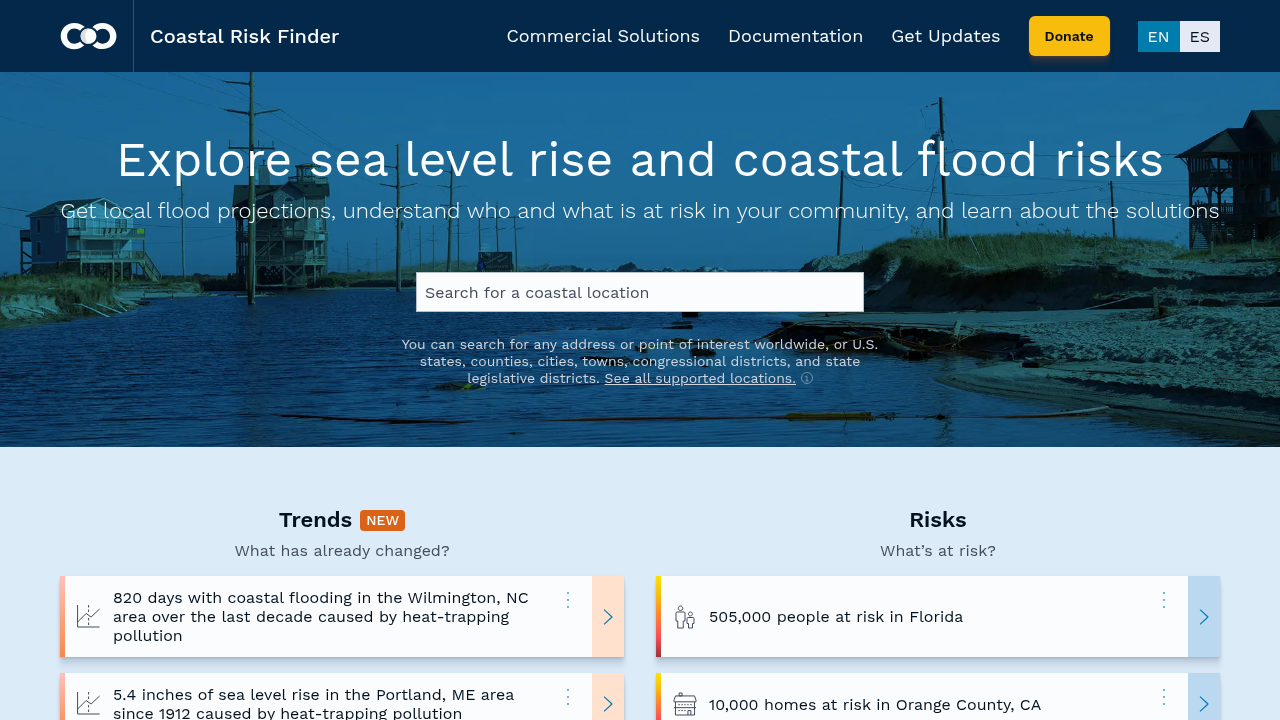
Coastal Risk Finder
Coastal Risk Finder is an interactive mapping tool by Climate Central that provides localized sea level rise and flood risk projections. It helps users assess geographic vulnerability and population exposure through 2100.
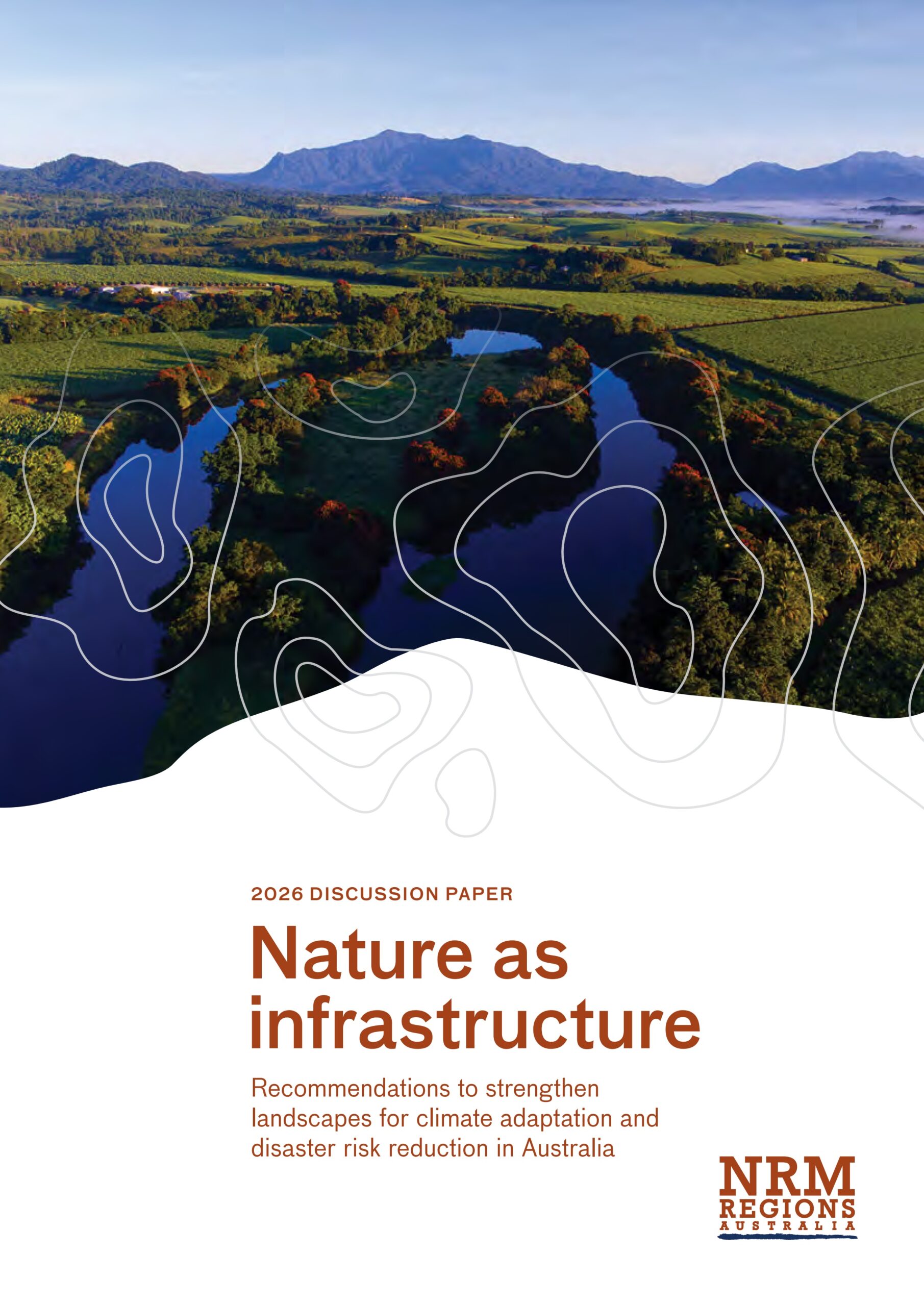
Nature as infrastructure: Recommendations to strengthen landscapes for climate adaptation and disaster risk reduction in Australia
This paper advocates for scaling natural infrastructure to mitigate Australia's escalating climate disaster costs. It demonstrates that every dollar invested in natural capital returns approximately nine dollars in benefits. Key recommendations include empowering First Nations stewardship, integrating natural values into financial decision-making, and securing multi-year funding for regional aggregators.


