
Library | ESG issues
Corporate Strategy
Corporate strategy involves the comprehensive plan a company employs to achieve its long-term objectives, encompassing decisions on resource allocation, market participation, and competitive positioning. Integrating sustainability into corporate strategy enables organisations to create long-term stakeholder value. This approach offers advantages such as enhancing brand value, meeting consumer demands, increasing efficiency, attracting top talent, and opening new market opportunities.

Refine
593 results
REFINE
SHOW: 16


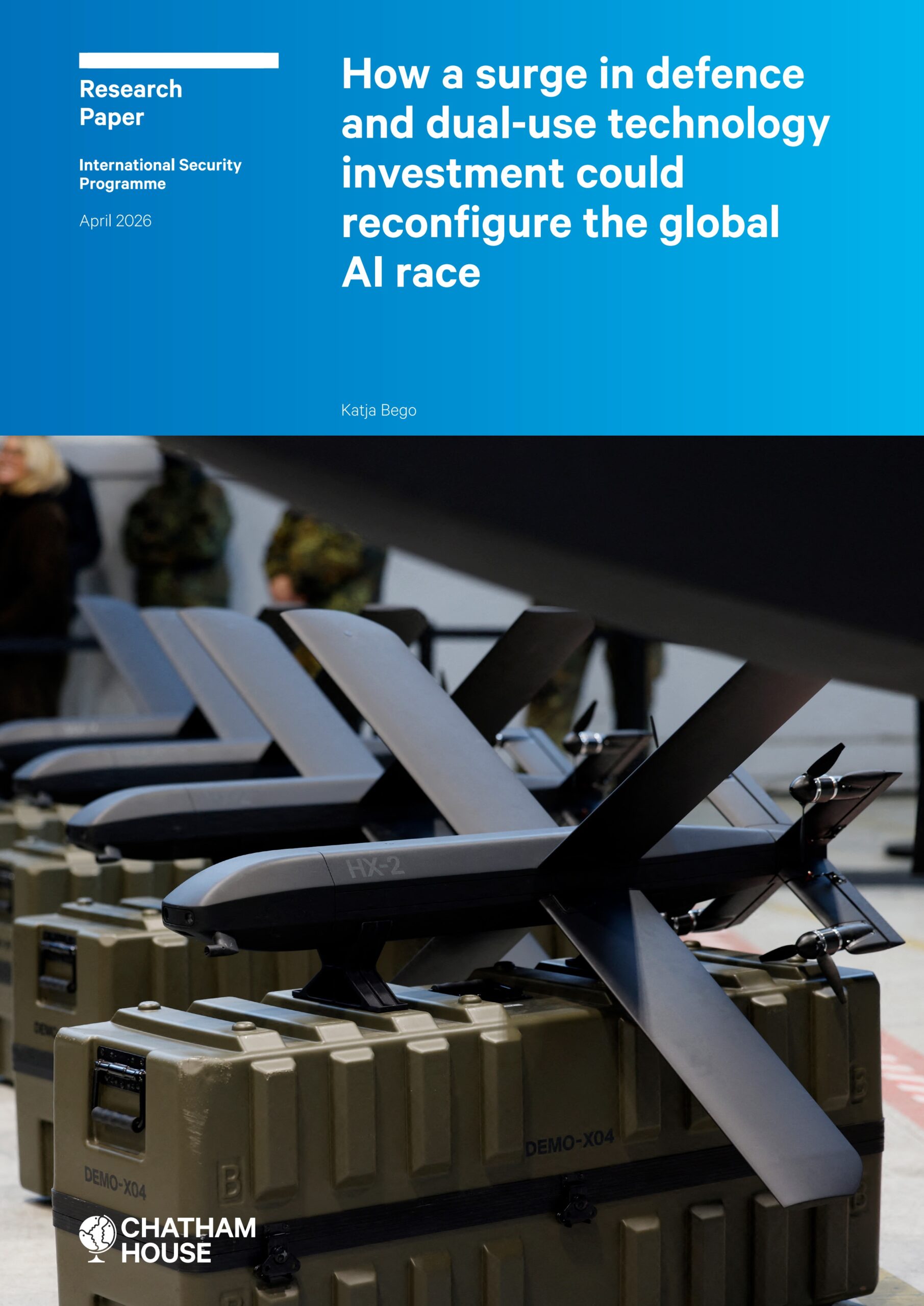
How a surge in defence and dual-use technology investment could reconfigure the global AI race
This Chatham House paper examines four trends — rising defence and dual-use investment, the growth of 'patriotic tech', the push for sovereign AI, and concerns over an AI valuation bubble — that could multipolarise the global AI race, and offers recommendations for private sector preparedness.
DAX-AEX Futureproof Index Report
The DAX-AEX Futureproof Index Report is a benchmark series that ranks DAX and AEX-listed companies using an Integrated Value framework combining financial, social, and ecological value. It produces a Futureproofing Ratio to assess long-term corporate value creation and transition risk across sectors and economies.
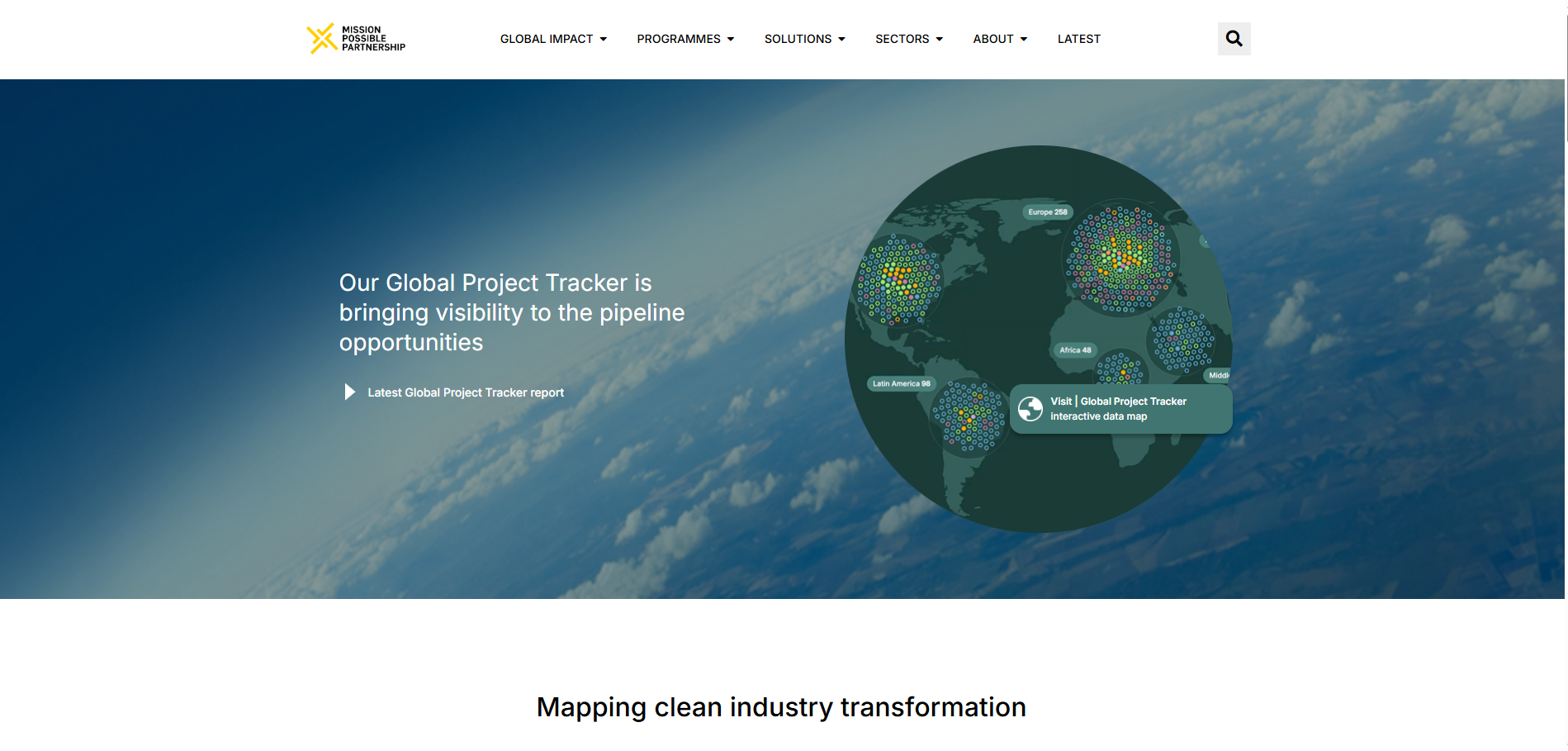
Global Project Tracker
MPP's Global Project Tracker maps the global pipeline of commercial-scale, net-zero-aligned clean industrial plants across materials, chemicals and fuels sectors.
Retreat or respect? Diverging corporate paths on human rights in a time of turbulence
This BHRC report examines how top US companies are responding to mounting pressure on human rights standards. It identifies three corporate pathways: active deregulatory lobbying by Big Oil and Big Tech, quiet retreat from human rights commitments, and continued adherence. Survey data from April 2026 reveals significant reductions in human rights staffing and budgets.
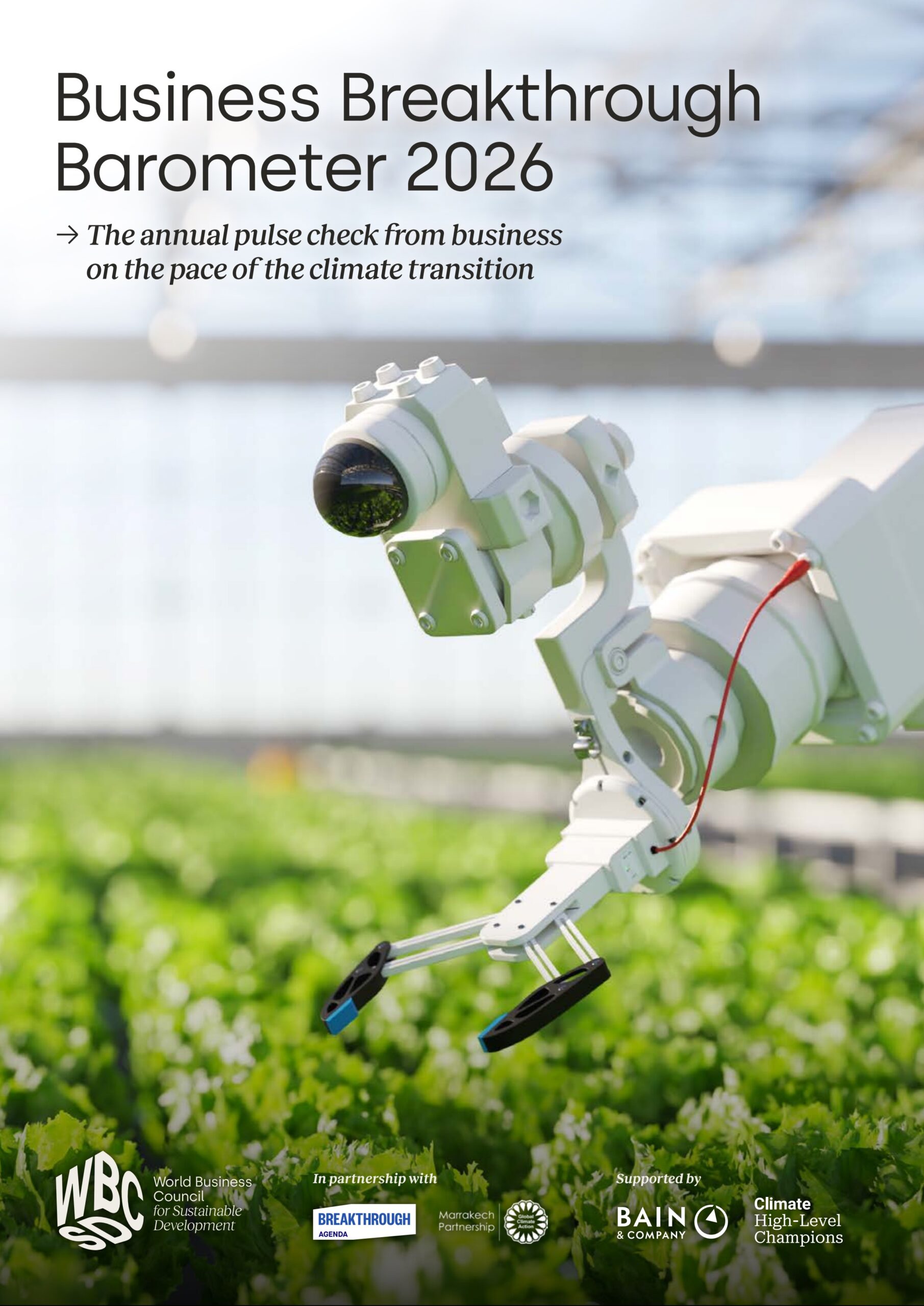
Business breakthrough barometer 2026: The annual pulse check from business on the pace of the climate transition
The Business Breakthrough Barometer 2026 surveys over 500 companies on the climate transition, finding 92% expect sustainability to deliver competitive advantage. While investment momentum holds, 68% of leaders see rising risks of a disorderly transition, urging predictable policy strengthening from governments to unlock private capital.
Ranking digital rights: The 2026 Telco giants edition
Ranking Digital Rights' 2026 Telco Giants Edition scores 12 major telecom companies on governance, freedom of expression, and privacy. Telefónica leads overall with 57%, while Ooredoo ranks lowest at 14%. Historical data from 2017 to 2026 shows varied progress, with scores dipping in 2020 due to new indicators.
From measurement to decision: How impact valuation is changing the way leaders decide
This paper by Valuing Impact examines how 19 organisations are moving beyond sustainability measurement to use impact valuation as a decision-making tool. Covering strategy, investment, steering, operations and stakeholder engagement, it presents case studies and six practical lessons for embedding impact data alongside financial information in real business decisions.
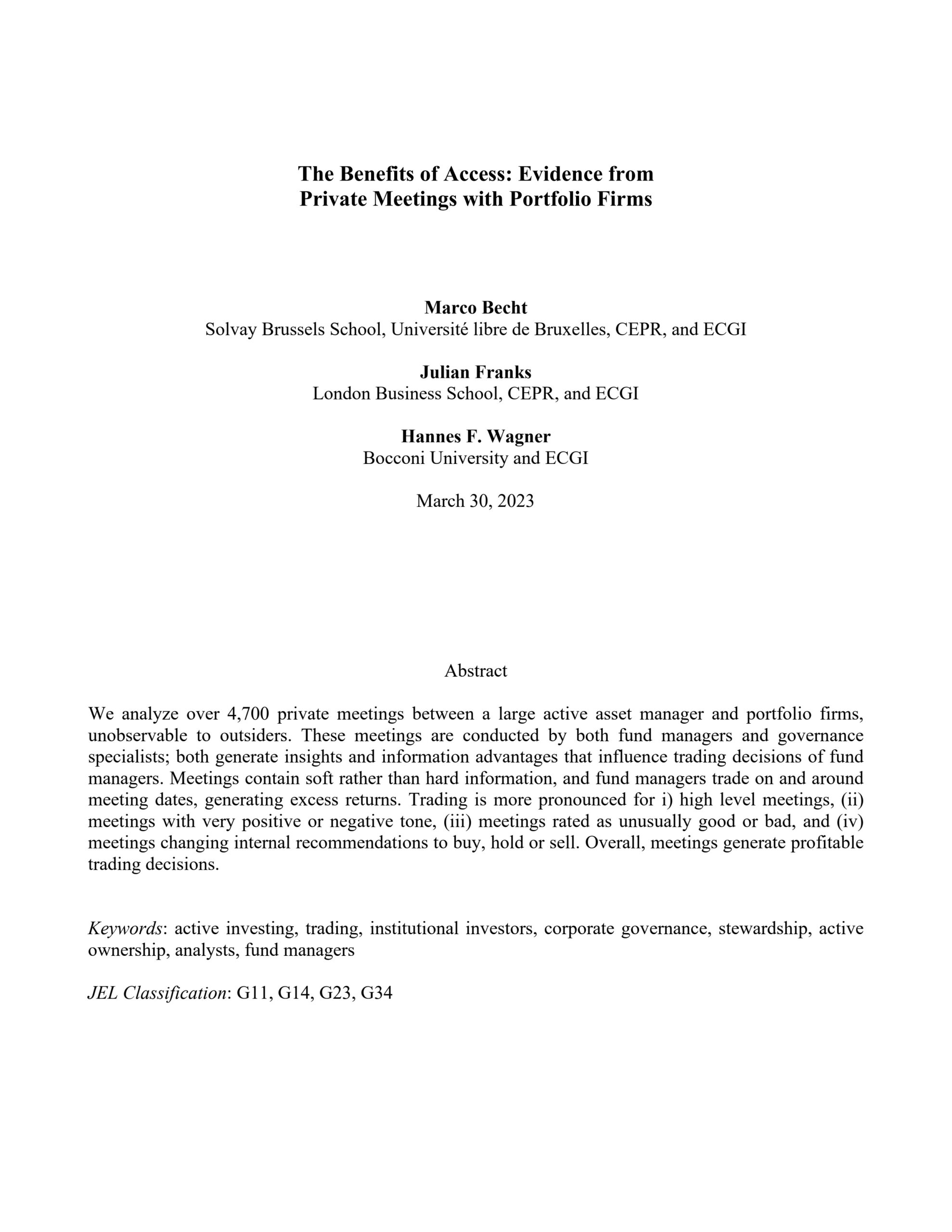
The benefits of access: Evidence from private meetings with portfolio firms
This paper analyses over 4,700 private meetings between a large active asset manager and portfolio firms using proprietary data from Standard Life Investments (2007–2015). Meetings transmit soft information that influences analyst recommendations and fund manager trading, generating statistically significant abnormal returns and profitable trading decisions.
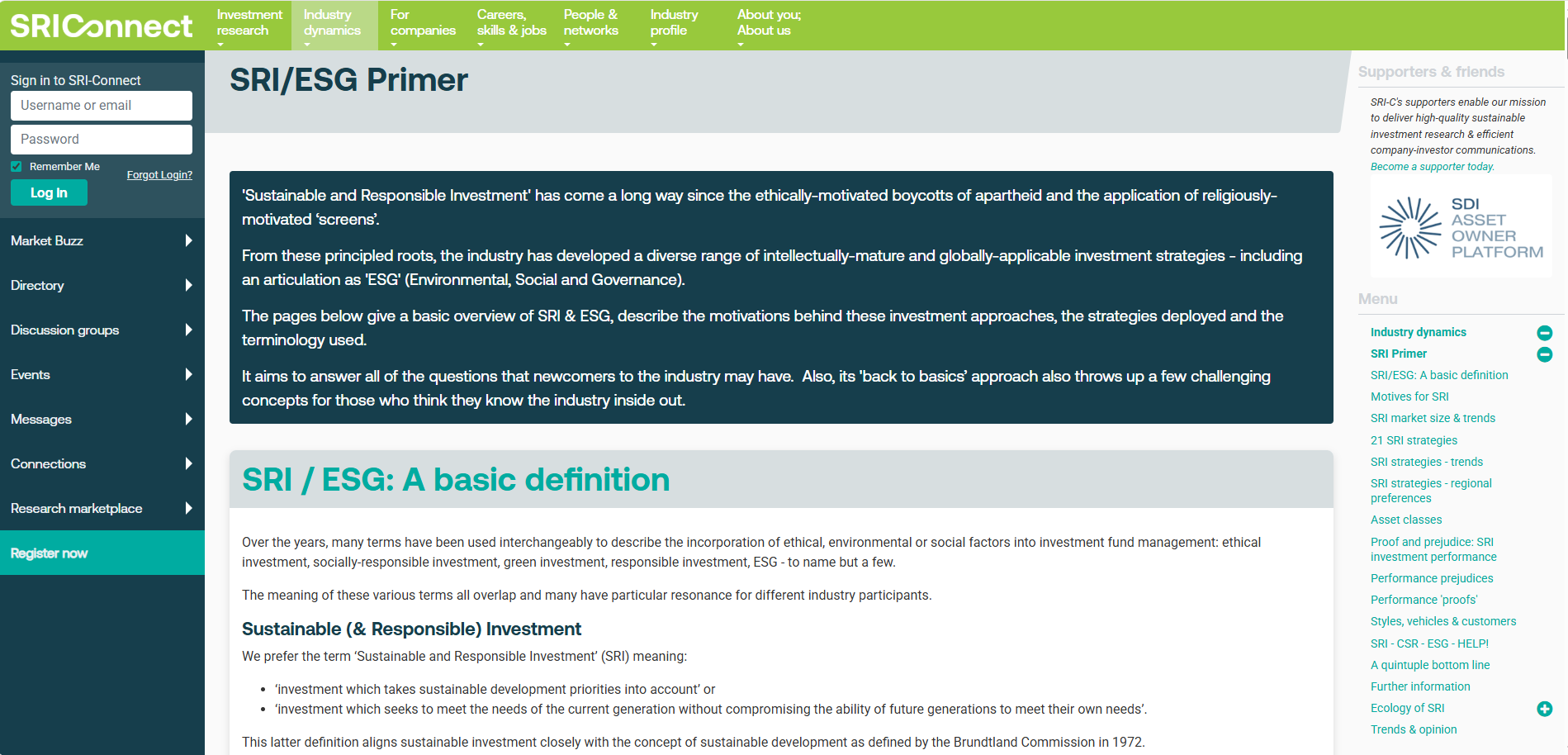
SRI Connect – Market buzz: SRI/ESG market trends & dynamics
This resource provides an introductory overview of Sustainable and Responsible Investment (SRI) and ESG, explaining key concepts, motivations, terminology, market developments and investment strategies. It is designed to help newcomers understand how sustainability considerations are incorporated into investment practice and the broader sustainable investment industry.
Navigating global risks in the Pacific 2026
A Pacific-focused commentary drawing on the World Economic Forum's Global Risks Report 2026, examining how geopolitical fragmentation, digital transformation, climate volatility and workforce pressures are reshaping operating environments across Australia, New Zealand and the broader Pacific region.

Passing the baton: Creating value through CEO succession at family businesses
This McKinsey report analyses CEO succession at family-owned businesses, drawing on 200 publicly traded and 170 private FOBs globally. It finds that succession on average erodes shareholder value, but top-performing FOBs can achieve the opposite by applying 11 critical practices spanning five foundational and six distinctive areas.
Productivity and decent work: Achieving synergies between social and economic dimensions at the enterprise level
This research brief examines the relationship between corporate social responsibility and human resource management in enhancing enterprise productivity and decent work. It provides an overview of current literature, explores how aligning social and economic dimensions creates synergies, and identifies key gaps for future research to support sustainable development.
Optional shareholder voting
This paper examines optional shareholder voting by institutional managers (IMs) using newly available SEC data on say-on-pay votes. Only 44% of IMs vote, yet their aggregate voting footprint is twice that of mutual funds. IMs use voting as a monitoring tool, with larger positions associated with greater opposition to management.
Aligning transition planning and financial planning: A guide for finance teams
This guidance assists finance teams in integrating transition planning into their organisation's core financial processes. It outlines steps to prepare, assess current positions, prioritise actions, and embed sustainability strategies into medium-term financial planning. The report provides practical frameworks for financing, improving decision-making, and monitoring progress towards climate resilience.
Climate litigation as a financial risk: Evidence from a global survey of equity investors
This report surveys 811 global equity investors to assess perceptions of climate litigation as a financial risk. It finds that investors view climate lawsuits as financially material, with effects often manifesting early, such as upon media coverage or filing, and affecting both carbon majors and other sectors.

RIAA Conference Australia 2026 - Companion Resources
Responsible investment has moved well beyond principles and pledges. Today’s challenges require practical capability and informed judgement. The RIAA Conference is a must-attend event for finance, sustainability and industry practitioners who want to focus on the key themes for responsible investment in 2026 and what implementation really looks like. Designed as an immersive, hands-on experience, the program focuses on the systems that underpin strong financial performance, and will help you understand how climate, nature, technology, governance and regulation intersect.
These specially curated companion resources have been recommended by the conference speakers and Altiorem team.
These specially curated companion resources have been recommended by the conference speakers and Altiorem team.


