
Library | ESG issues
Corporate Strategy
Corporate strategy involves the comprehensive plan a company employs to achieve its long-term objectives, encompassing decisions on resource allocation, market participation, and competitive positioning. Integrating sustainability into corporate strategy enables organisations to create long-term stakeholder value. This approach offers advantages such as enhancing brand value, meeting consumer demands, increasing efficiency, attracting top talent, and opening new market opportunities.

Refine
593 results
REFINE
SHOW: 16


The EU Inc.: Half European, fully digital, and genuinely innovative
The paper analyses the European Commission’s proposed “EU Inc.” framework, a harmonised digital-first company structure for EU start-ups and scale-ups. It assesses governance, financing, codetermination, digital registration and cross-border legal integration within existing EU and national company law frameworks.

Blocking a better world altogether: Rabobank’s bogus policy about animal welfare and sustainable agriculture
World Animal Protection argues Rabobank’s sustainability policies fail to match its financing practices, alleging continued support for companies linked to animal cruelty, deforestation and high emissions. The report urges stricter lending conditions, stronger monitoring and reduced investment in industrial livestock expansion to align with climate and animal welfare goals.
Building the financial case for urban adaptation: Guidance and case studies
C40 and Rebel outline how cities can structure urban adaptation projects to attract private finance, using ten case studies. Bankability depends on revenue logic, risk allocation, public de-risking, early financier engagement and credible monitoring.
Legal form and corporate outcomes: Evidence from the societas europaea
Study finds Societas Europaea adoption improves firms’ international positioning, increasing foreign investor ownership and cross-border acquisitions. However, markets generally react negatively, information asymmetry rises, and shareholder returns weaken post-adoption, suggesting governance flexibility and supranational identity benefits may be offset by uncertainty and potential minority shareholder concerns.
Systematic stewardship on the waterbed
Tröger argues corporate governance tools, including stewardship, say-on-climate votes and ESG-linked pay, cannot replace broad climate regulation. Firm-level interventions may trigger “waterbed effects”, shifting emissions rather than reducing them. Carbon pricing or comprehensive emissions caps are presented as more effective.
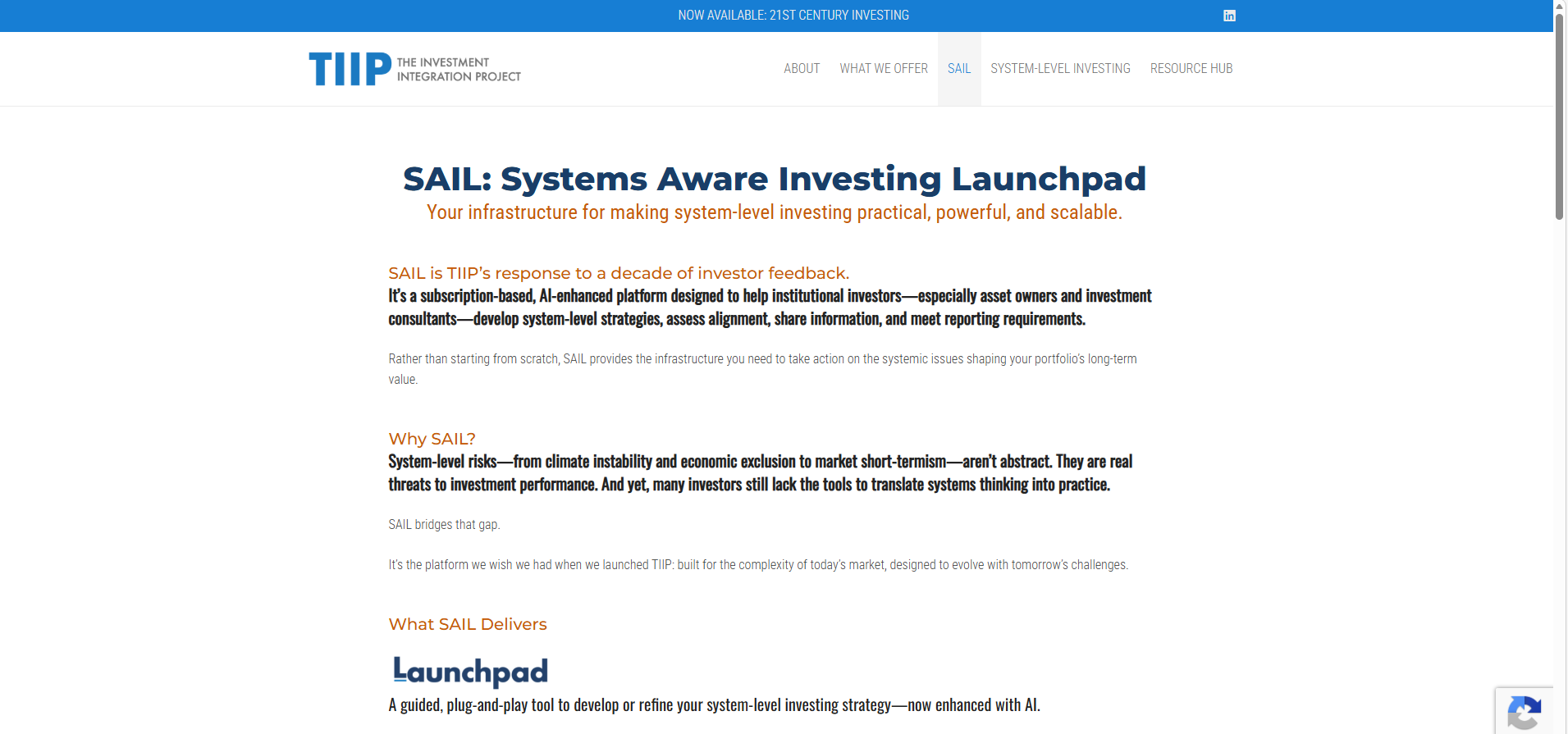
SAIL: Systems Aware Investing Launchpad
SAIL (Systems Aware Investing Launchpad) is an AI-enhanced platform developed by TIIP to support institutional investors in implementing system-level investing strategies. It provides tools for strategy development, benchmarking, reporting and collaboration, helping users assess and manage systemic environmental, social and financial risks.
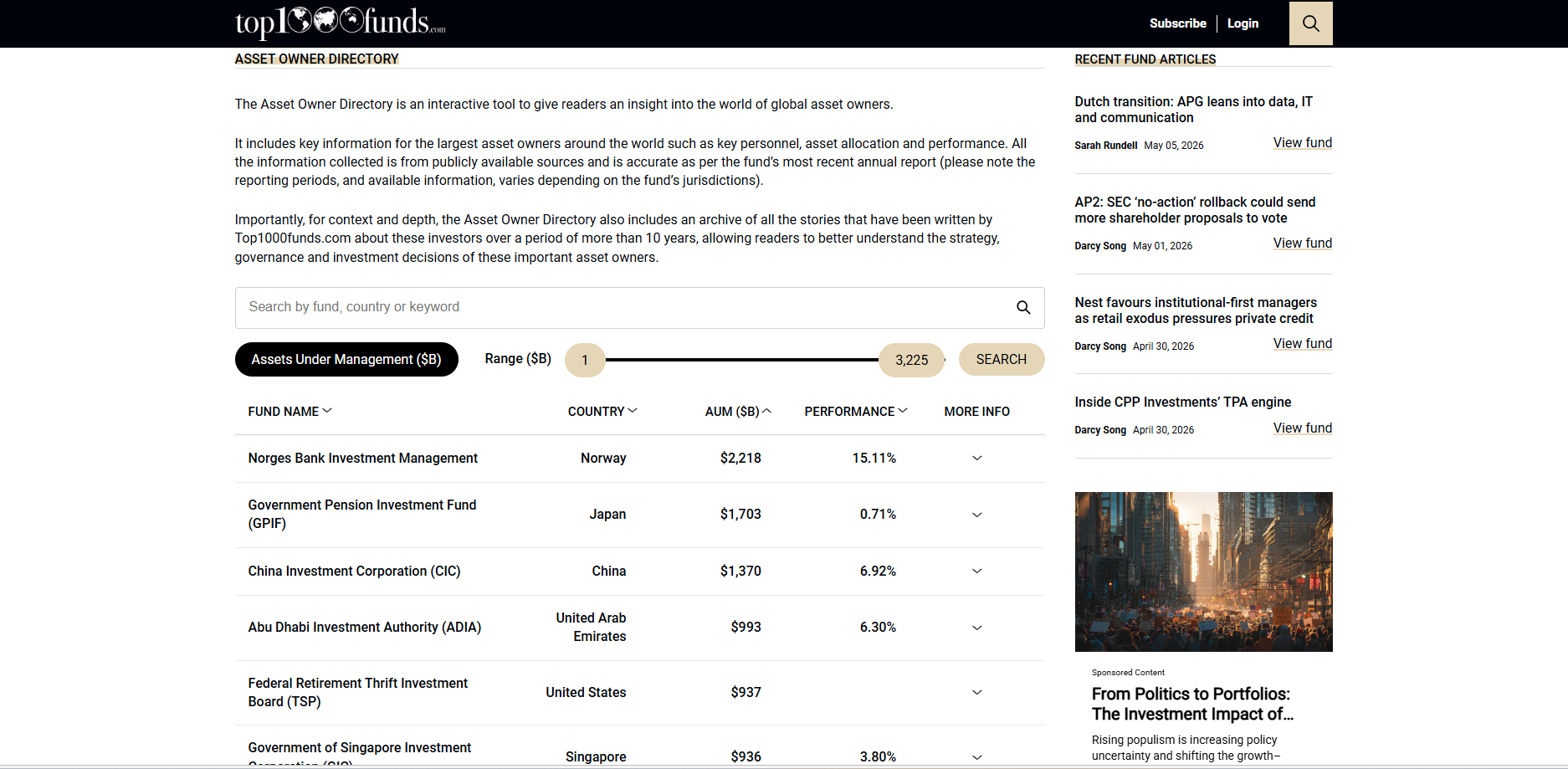
The Asset Owner Directory
The Top1000funds.com Asset Owner Directory is an interactive database of global asset owners. It provides publicly sourced information on key personnel, asset allocation and performance, alongside an archive of related articles covering investors’ strategy, governance and investment decisions.
Investor democracy
Examines investor democracy in pension funds using deliberative mini-publics and a binding member vote. Finds informed deliberation shifts preferences towards impact investing despite potential lower returns, with broader member support leading to increased allocations, demonstrating how structured participation can guide sustainable investment decisions.
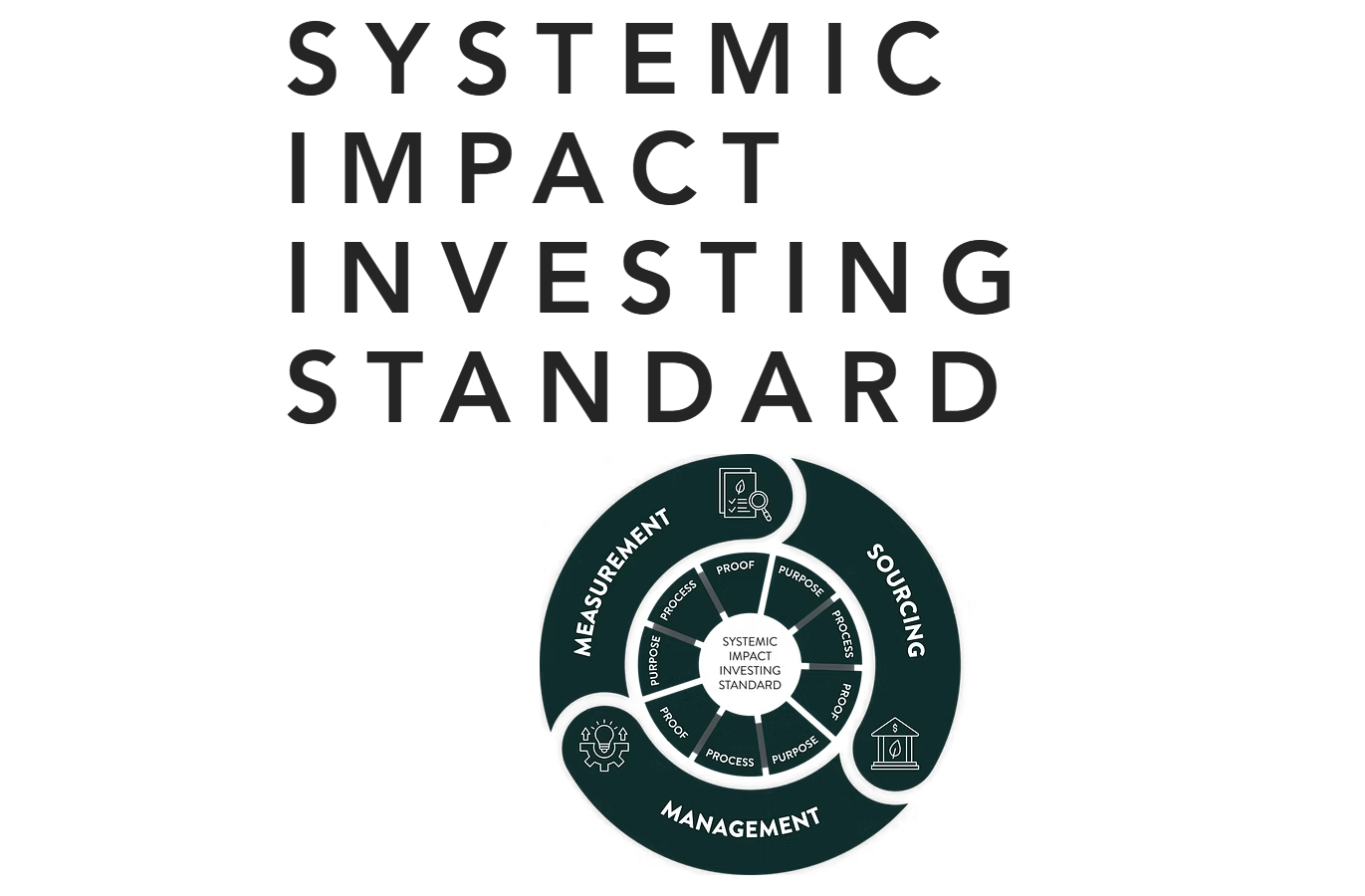
Systemic Impact Investment Standard
The Systemic Impact Investing Standard is an independently audited framework enabling asset owners to assess whether asset managers’ strategies, processes and outcomes align with delivering systemic impact. It supports improved investment decision-making by emphasising sourcing, management and measurement practices that generate credible, system-level social and environmental outcomes.
Sectoral roadmaps as the backbone of transition planning: Linking NDCs, finance and the real economy
Sectoral roadmaps translate national climate targets into sector-specific decarbonisation pathways, guiding policy, investment and corporate transition plans. They align real-economy activity with finance, reduce uncertainty, and support risk assessment and capital allocation, strengthening the credibility and implementation of whole-economy transition planning.
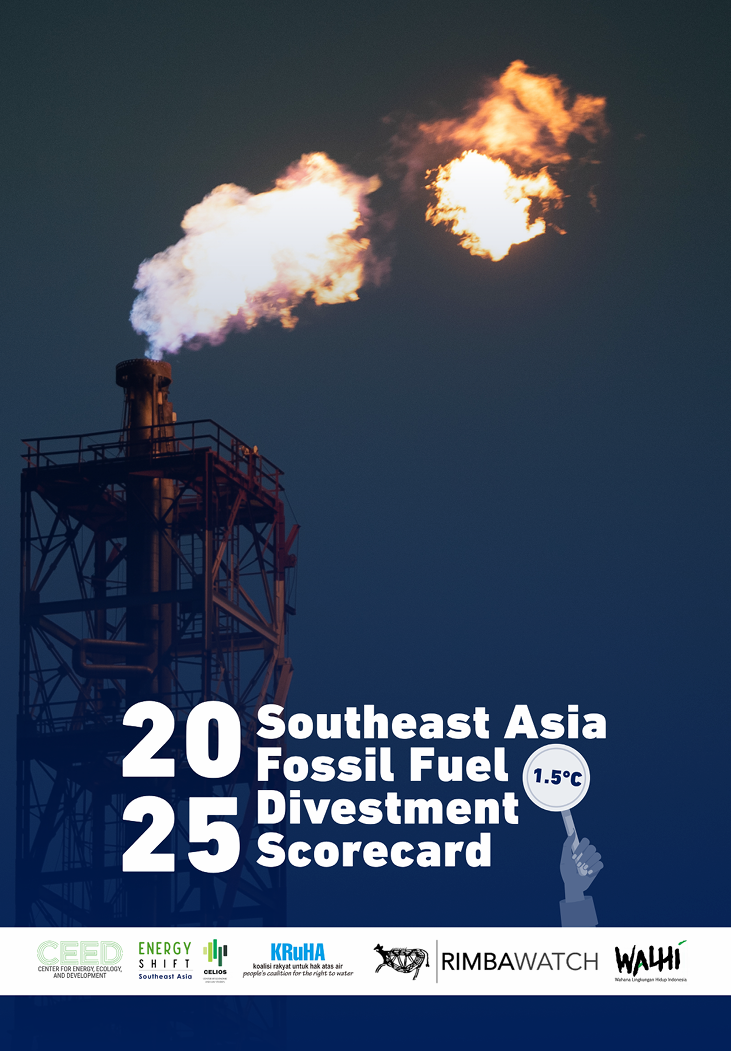
2025 Southeast Asia fossil fuel divestment scorecard
Assesses 35 banks’ fossil fuel financing and climate policies in Southeast Asia, finding continued coal and gas funding despite commitments. International banks dominate financing, with policy gaps and loopholes persisting. The scorecard highlights misalignment with 1.5°C goals and calls for stricter divestment and increased renewable investment.
Sustainability at a crossroads
Survey of 844 experts finds the sustainability agenda at an inflection point, with most calling for major revision amid low confidence in progress and rising backlash. It highlights actionable levers across policy, finance, business, and civil society to drive a low-carbon, resilient transition.
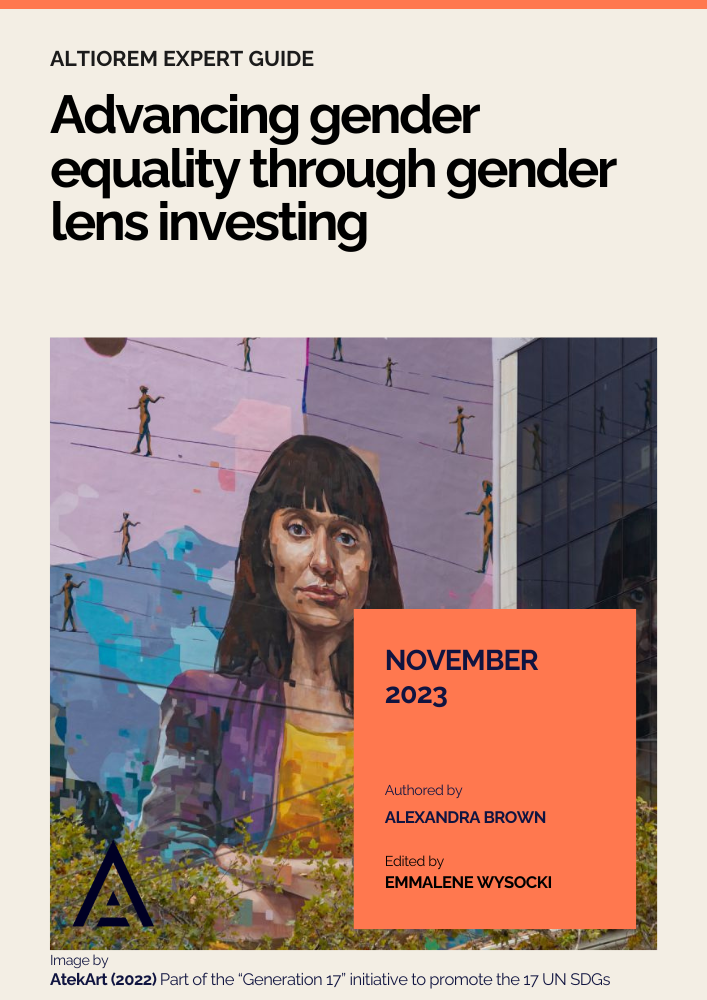
Advancing gender equality through gender lens investing
Examines gender lens investing as an approach integrating gender analysis into investment decisions to promote equality and returns. Outlines strategies, benefits, challenges, and case studies, linking to SDGs and emphasising measurement, engagement, and diverse investment practices.

Applying the OODA loop for leadership and company engagement
This guide explains applying the OODA (Observe, Orient, Decide, Act) loop to strengthen strategic leadership and company engagement in sustainable finance, enabling adaptive decision-making, stakeholder alignment, and iterative responses to ESG challenges, illustrated through practical steps and a case study of corporate transition.
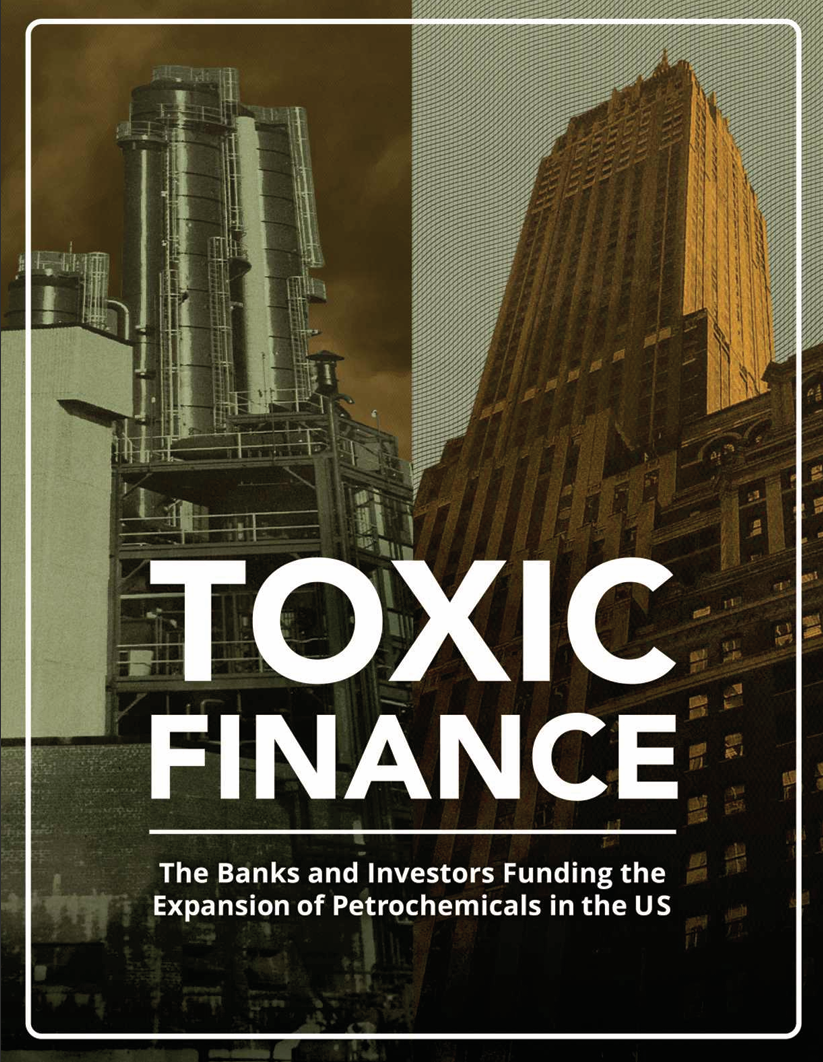
Toxic finance: The banks and investors funding the expansion of petrochemicals in the US
This report argues that banks and investors are enabling US petrochemical expansion despite rising market, legal, climate and public health risks, identifying major financiers and investors while warning that continued support may expose them to financial, reputational and regulatory harm.
The Climateworks guide to credibility for corporate climate transition plans
Provides an Australian-focused framework for assessing the credibility of corporate climate transition plans, outlining principles, criteria and disclosure expectations. It supports companies, investors and regulators in evaluating emissions targets, governance, strategy alignment and risk management within mandatory climate reporting and net zero transition planning.


