
Library | ESG issues
Environmental
The environmental pillar in ESG (environmental, social, and governance) assesses an organisation’s impact on the planet. It includes issues such as climate change, biodiversity, waste management and water management. Strong environmental practices help businesses reduce risks, comply with regulations, and drive long-term sustainability.
Refine
1899 results
REFINE
SHOW: 16


Seafood traceability engagement series
This series examines how investor engagement can drive improved traceability in global seafood supply chains. It focuses on assessing company progress, encouraging adoption of traceability systems, and supporting investors in identifying and managing environmental and social risks within complex seafood value chains.
Responsible exit principles for oil and gas companies
Sets out voluntary principles for responsible oil and gas asset exits, focusing on decommissioning, buyer due diligence, transparency and stakeholder engagement to reduce climate, financial, legal and social risks from asset transfers and support an orderly transition.

Life, Climate Volatility, and What Comes After the Final No: Part 3—AFTER THE FINAL NO.
This final article in a three-part series explores how to navigate resistance to systemic change. Drawing on personal experience, it outlines a framework for resilience—building alliances, embracing interdisciplinary thinking, and storytelling—empowering leaders to persist through setbacks and turn persistent “no” into transformative, collective “yes.”
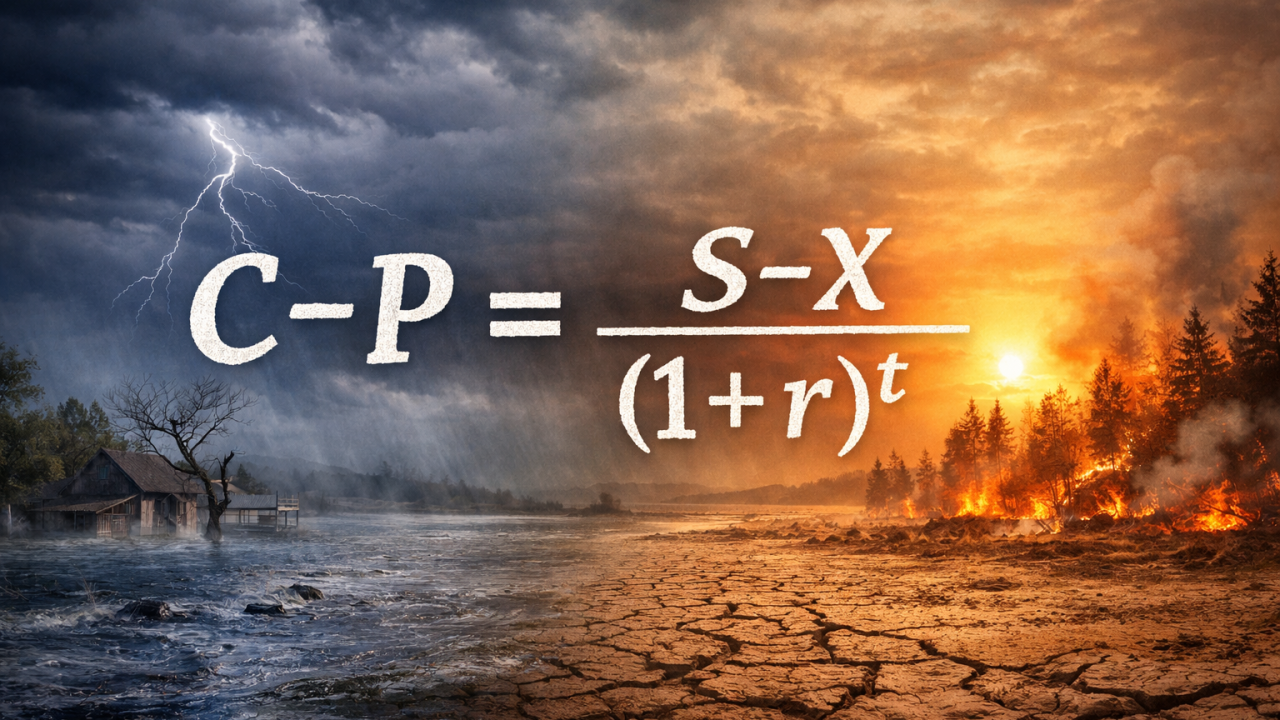
Life, Climate Volatility, and What Comes After the Final No: Part 2—CLIMATE VOLATILITY
This second article in a three-part series reframes climate change as volatility rather than warming. Drawing on finance and systems thinking, it explores how risk pricing, redesigned economic incentives, and nature-based solutions can build resilience, urging leaders to manage climate as the ultimate systemic risk.

Life, Climate Volatility, and What Comes After the Final No: Part 1 - LIFE
Written by Ken Coulson, a former global finance executive turned sustainability strategist, this first article in a three-part series explores humanity’s origins as a cosmic accident. It reframes Earth’s natural systems as a fragile inheritance under threat, urging a shift from extraction to stewardship through a unifying cosmic perspective on climate, responsibility, and systemic change.
Corporate climate governance
Examines how mandatory climate disclosure regimes reshape corporate governance by integrating climate risk into decision-making. Develops a spectrum from “thin” to “thick” governance, showing a shift towards stakeholder-oriented models, enhanced risk management, and long-term value optimisation, with implications for fiduciary duties and corporate strategy.
Doughnut economics for regenerative business design
An edited volume applying Doughnut Economics to business design, using case studies and critical reflections to examine how purpose, networks, governance, ownership and finance can support regenerative and distributive business models. It focuses on redesigning firms to operate within ecological and social limits.
Climate-nature scenario development for financial risk assessment
This report develops integrated climate-nature scenarios for financial risk assessment, showing that combined climate and nature policies provide a fuller view of agricultural, biodiversity and ecosystem-service risks than separate approaches, with implications for central banks, supervisors and future stress-testing frameworks.

You Built This
This article argues that modern investment strategies fuel economic extraction while often underperforming simpler alternatives. It calls on investors to realign portfolios with productive, community-oriented investments that generate real economic and social value.
The circular economy: A 'triple play' solution for achieving China's climate objectives
The report argues that a circular economy can help China meet climate goals by cutting emissions in hard-to-abate sectors, securing critical materials for renewable energy, and improving climate resilience, while outlining policy actions on design, resource management, investment, measurement, and cross-sector collaboration.
Untapped potential: Asset owners and climate policy influence
Assesses major asset owners’ influence on climate policy, finding limited stewardship and advocacy despite significant potential. Most score poorly on climate lobbying oversight and transparency, with few aligning engagement to net zero goals. Highlights gaps in managing asset managers and industry associations, and calls for stronger, coordinated policy engagement.
How does climate risk affect global equity valuations? A novel approach
The report presents a probabilistic, state-dependent valuation framework for global equities under climate risk, finding that strong abatement could limit revaluation losses to 5–10%, while continued weak abatement could imply declines of around 40%, with tipping points worsening losses.
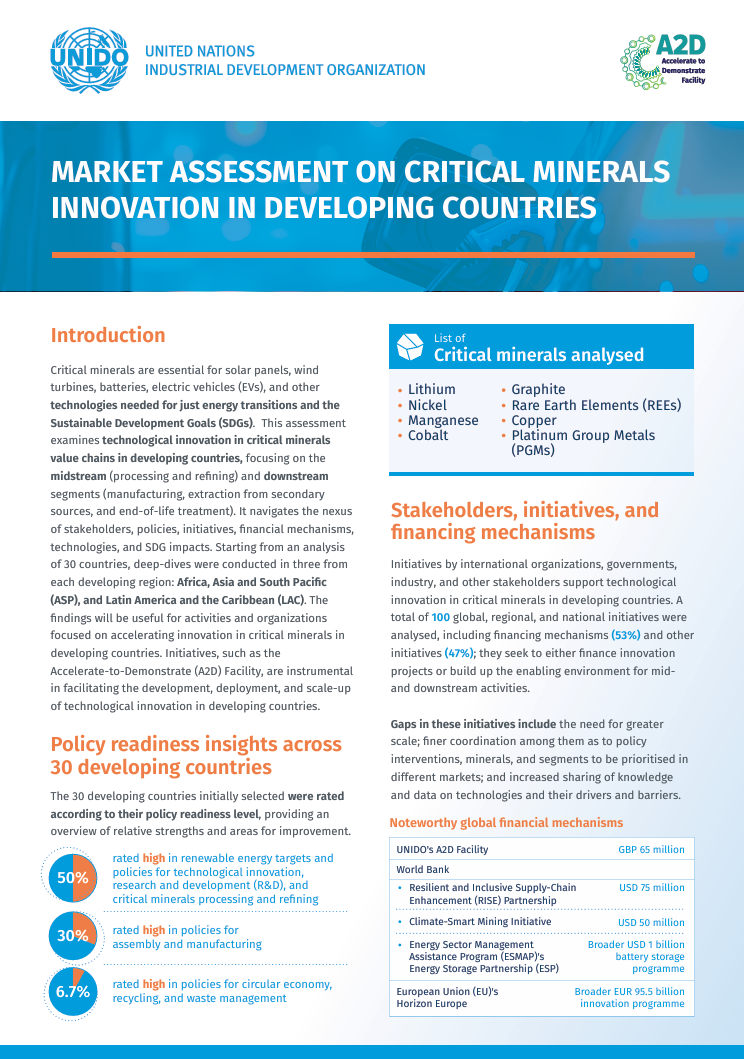
Market assessment on critical minerals innovation in developing countries
This report assesses critical minerals innovation in developing countries, focusing on midstream processing and downstream manufacturing, recycling and end-of-life treatment. It reviews 30 countries, highlights policy and financing gaps, and recommends stronger infrastructure, coordination, technology transfer and support for innovation ecosystems.

ANREV (Asian Association for Investors in Non-Listed Real Estate Vehicles)
ANREV (Asian Association for Investors in Non-Listed Real Estate Vehicles) is a not-for-profit industry body supporting institutional investors in Asia-Pacific real estate funds. It provides research, indices and market data, promotes transparency and best practice, and enables informed investment decisions across non-listed real estate markets.
Australian financial institutions’ views on climate and clean energy opportunities in South and Southeast Asia
Assesses Australian financial institutions’ views on climate and clean energy investment in South and Southeast Asia, highlighting growth potential, limited current exposure, key risks, and barriers. It emphasises blended finance, policy support, and government intervention to mobilise private capital and scale regional investment.
The 12th national risk assessment: Property prices in Peril
First Street argues climate risk is reshaping US housing via higher insurance costs and climate-driven migration, with projected net residential property value losses of about US$1.2 trillion by 2055 and 84% of census tracts facing some negative valuation effects.


