
Library | ESG issues
Governance
The governance pillar in ESG (environmental, social, and governance) refers to the systems, policies, and practices that ensure an organisation is managed responsibly and ethically. It includes issues such as board structure, reporting & disclosures, shareholders & voting, and risk management. Strong governance reduces risks, enhances trust, and supports long-term business sustainability.
Refine
2256 results
REFINE
SHOW: 16


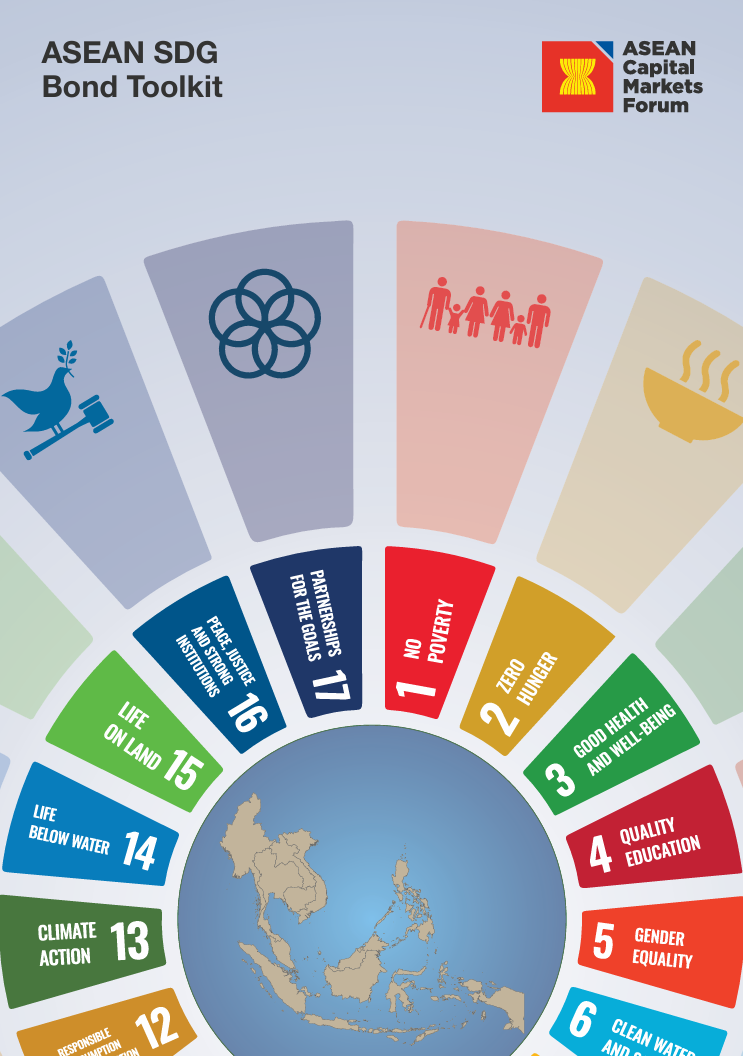
ASEAN SDG Bond Toolkit
Provides practical guidance for issuing SDG bonds in ASEAN, outlining principles, processes, and frameworks aligned with green, social and sustainability bond standards. It explains SDG mapping, eligibility criteria, reporting practices, and market context to support issuers in mobilising capital for sustainable development.
Harnessing Climate and SDGs Synergies
UN resources on climate–SDG synergies examine how integrated approaches to climate action and sustainable development can deliver social, economic and environmental co-benefits. They highlight policy alignment, investment efficiency, and cross-sector strategies to support national planning, reduce costs, and address significant climate and SDG financing gaps.
Handbook of sustainable finance
This handbook explains sustainable finance concepts, ESG scoring, regulation, reporting, sustainable products, impact investing, biodiversity, climate risk measurement, transition and physical risk modelling, portfolio construction, stress testing and risk management for finance practitioners.

Financial Reporting Council (FRC)
Financial Reporting Council (FRC) is UK’s independent regulator for corporate governance, audit, accounting and actuarial professions. It sets standards such as Corporate Governance and Stewardship Codes, supervises audit quality, and enforces compliance. FRC promotes transparency, integrity and investor confidence in financial reporting, supporting effective capital markets and responsible business practices.
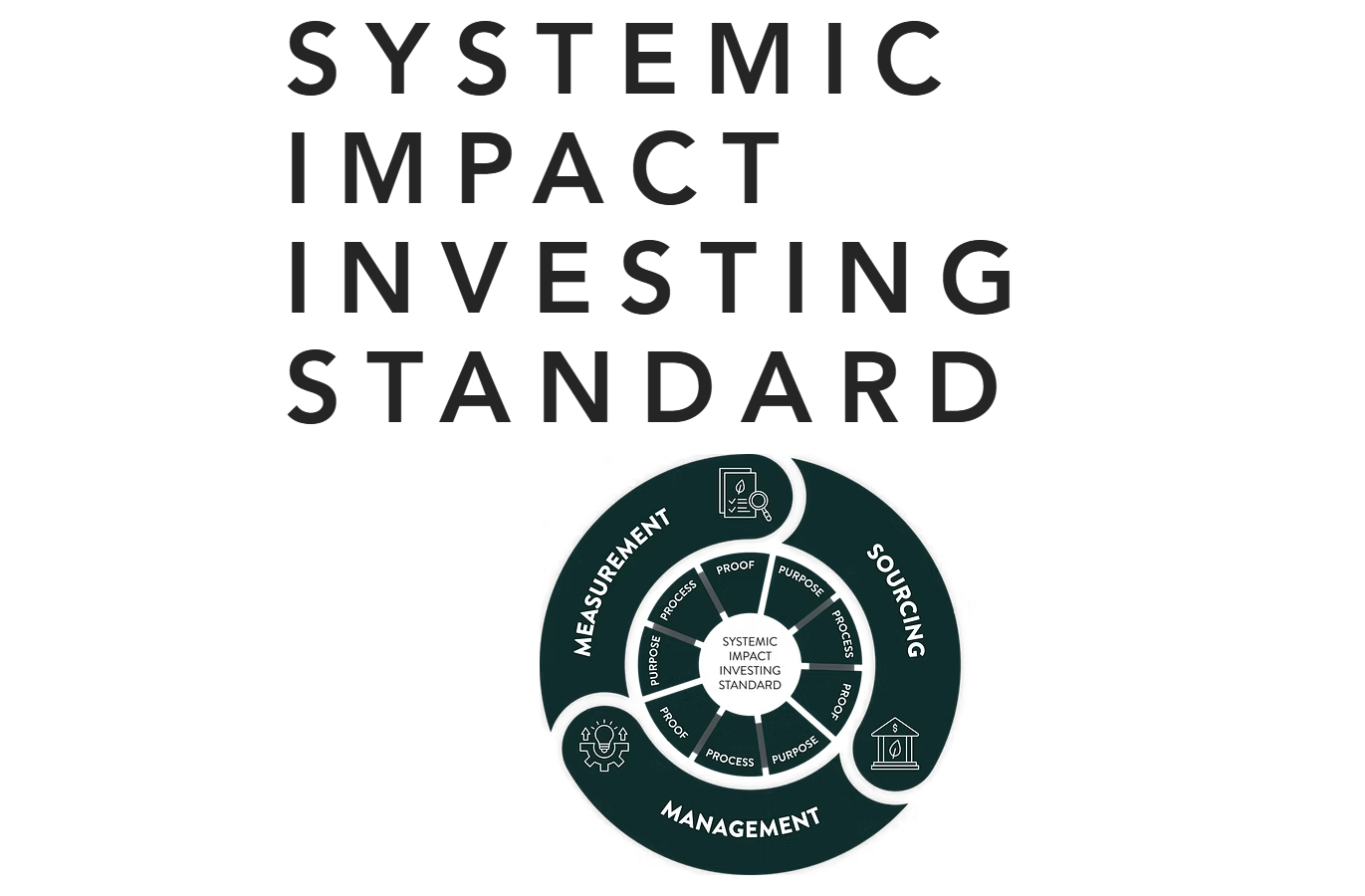
Systemic Impact Investment Standard
The Systemic Impact Investing Standard is an independently audited framework enabling asset owners to assess whether asset managers’ strategies, processes and outcomes align with delivering systemic impact. It supports improved investment decision-making by emphasising sourcing, management and measurement practices that generate credible, system-level social and environmental outcomes.
UK Stewardship Code 2026
The UK Stewardship Code (2026) sets voluntary principles for asset owners, managers and service providers to demonstrate effective stewardship through transparent, outcomes-focused reporting, supporting responsible capital allocation and long-term value creation for clients and beneficiaries.
Sectoral roadmaps as the backbone of transition planning: Linking NDCs, finance and the real economy
Sectoral roadmaps translate national climate targets into sector-specific decarbonisation pathways, guiding policy, investment and corporate transition plans. They align real-economy activity with finance, reduce uncertainty, and support risk assessment and capital allocation, strengthening the credibility and implementation of whole-economy transition planning.
GRI Standards
The GRI Standards are globally recognised sustainability reporting guidelines enabling organisations to disclose economic, environmental and social impacts in a consistent and comparable way. They support transparency, accountability and informed decision-making by helping organisations identify, measure and communicate material ESG impacts and contributions to sustainable development.
IFC's performance standards on environmental and social sustainability
The IFC Performance Standards (2012) form part of the Sustainability Framework, setting requirements for clients to identify, manage, and mitigate environmental and social risks in financed projects. They comprise eight standards covering areas such as labour, resource efficiency, biodiversity, and community impacts, and are widely used as a global benchmark for responsible investment.

Recharge for rights: Ranking the human rights due diligence reporting of leading electric vehicle makers
Amnesty International assesses 13 leading EV makers’ public reporting on human rights due diligence in battery mineral supply chains. It finds uneven progress since 2017, but no company demonstrates adequate alignment with international standards; Mercedes-Benz and Tesla lead, while BYD ranks last.
Tipping points: Decision making under deep uncertainty
Examines climate tipping points and their implications for financial decision-making under deep uncertainty. It outlines risks of abrupt, nonlinear climate shifts, limitations of traditional valuation models, and emerging approaches including scenario analysis, resilience planning and climate intervention, emphasising challenges in pricing, timing and managing long-term systemic risks.
Implications of the International Court of Justice’s Advisory Opinion on Climate Change for directors’ duties in relation to climate-related risks
Examines how the ICJ’s climate advisory opinion may elevate climate-related risks and regulatory pressures, increasing directors’ duty of care. Highlights litigation, disclosure, and transition risks, particularly for emissions-intensive sectors, and emphasises informed decision-making and accurate reporting to mitigate liability.
Forever wild series
This series outlines the Forever Wild Initiative’s approach to financing and managing large-scale wilderness landscapes through blended capital models, community co-design, and nature-based enterprises. It documents the development of equitable nature finance structures that integrate conservation, economic activity, and social outcomes across landscapes.
Oxford climate policy monitor: 2025 annual review
Assesses climate policies across 37 jurisdictions and six domains, finding overall strengthening despite political pressures, but slow implementation. Highlights rising policy leadership in developing regions and persistent gaps in ambition and execution relative to Paris Agreement targets.
2025 Southeast Asia fossil fuel divestment scorecard
Assesses 35 banks’ fossil fuel financing and climate policies in Southeast Asia, finding continued coal and gas funding despite commitments. International banks dominate financing, with policy gaps and loopholes persisting. The scorecard highlights misalignment with 1.5°C goals and calls for stricter divestment and increased renewable investment.
Nature markets: Overarching principles and framework: Specification version 2
Sets out overarching principles and framework for high-integrity UK nature markets, covering credit generation, trading and storage. Emphasises transparency, additionality, governance, verification and registries to ensure credible environmental outcomes, prevent greenwashing, and support investment in nature recovery.


