
Library | ESG issues
Governance
The governance pillar in ESG (environmental, social, and governance) refers to the systems, policies, and practices that ensure an organisation is managed responsibly and ethically. It includes issues such as board structure, reporting & disclosures, shareholders & voting, and risk management. Strong governance reduces risks, enhances trust, and supports long-term business sustainability.
Refine
2256 results
REFINE
SHOW: 16


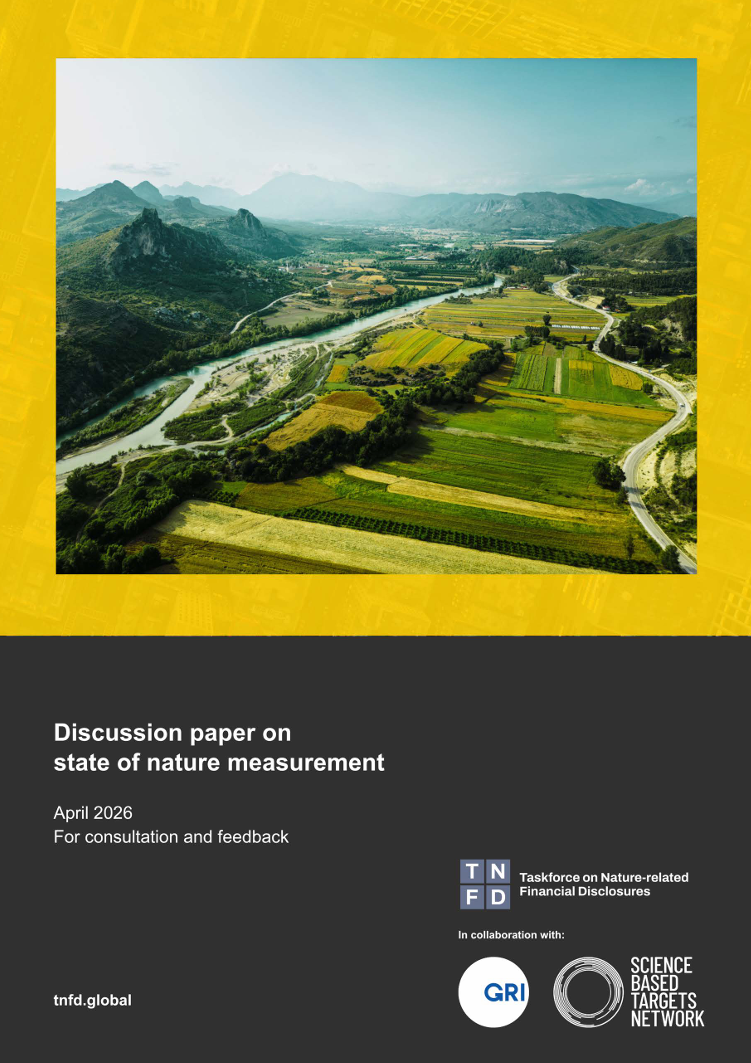
Discussion paper on state of nature measurement
Discussion paper outlines integrating state of nature metrics into TNFD, GRI and SBTN frameworks. It proposes embedding consensus metrics from the Nature Positive Initiative across assessment, disclosure, transition planning and target-setting, highlighting ecosystem extent and condition as central to evaluating nature-related dependencies, risks and opportunities.
The unseen costs of blue skies: Pollutant substitution and biodiversity loss
China’s PM₂.₅-targeted regulation reduced particulates but increased O₃ via pollutant substitution driven by incentive distortions. Resulting ozone rises increased mortality and reduced biodiversity, offsetting ~24% of policy benefits. Findings highlight welfare losses from narrow performance metrics and the need for multi-pollutant regulation.
Indigenous wisdom and co-creation towards decolonisation: A review of Indigenous inclusion in management education
This review finds Western business schools have often excluded Indigenous knowledge, and argues decolonising management education requires Indigenous self-determination, truth-telling, trust-building, co-created curricula and relational pedagogies grounded in Indigenous wisdom and communities.
Impact statement framework: Valuing, accounting and reporting societal impact
Framework for impact statements, valuing organisations’ societal effects across natural, human and social capital using eQALY. It outlines scope, data, modelling, reporting, governance and case studies to support comparable, decision-useful impact valuation.
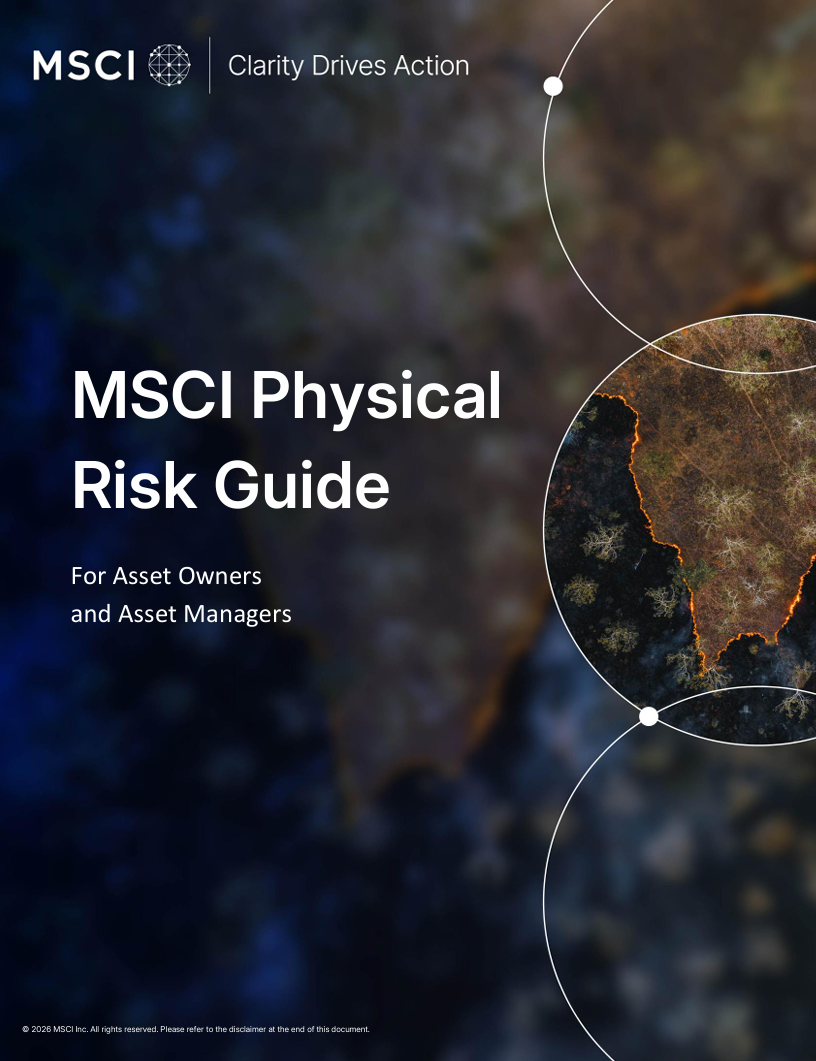
Physical risk guide: For asset owners and asset managers
Guide outlines frameworks for assessing, managing and reporting physical climate risks in investment portfolios. It covers exposure mapping, hazard identification, financial impact metrics (e.g. AAL, Climate VaR), scenario analysis, adaptation strategies and regulatory alignment, emphasising integration into governance, risk management and disclosure processes.
The case for pricing pollution: Reducing emissions, strengthening the economy, and delivering a fair share for Australians
The report argues Australia should introduce a Polluter Pays Levy and Fair Share Levy to cut emissions, raise revenue, compensate households, improve productivity, and secure fairer returns from fossil fuel resources.

Free to be exploited: The abuse of platform-based food delivery riders in Saudi Arabia and the UAE
Report finds migrant delivery riders in Saudi Arabia and UAE face systemic exploitation via third-party logistics, including coercive employment, wage abuses, unsafe conditions, and restricted mobility. Weak enforcement and outsourcing obscure accountability. Recommends stronger regulation, corporate oversight, and international labour standards.

Equidem
Equidem is an independent human rights and labour rights organisation working globally to expose injustice and support marginalised communities. It conducts research, investigates abuses in supply chains, and promotes accountability. Through advocacy and partnerships, Equidem develops practical solutions to strengthen labour rights, migrant worker protections, and the wider human rights movement.
Impact trickles down: A general equilibrium theory of stakeholder exit and engagement
Develops a multi-sided matching model showing stakeholder exit or engagement depends on whether harm scales with productivity. When it does, high-productivity stakeholders exit, triggering reallocation spillovers that reduce harm economy-wide. Firm-level analyses underestimate impact by missing these general equilibrium “trickle-down” effects.
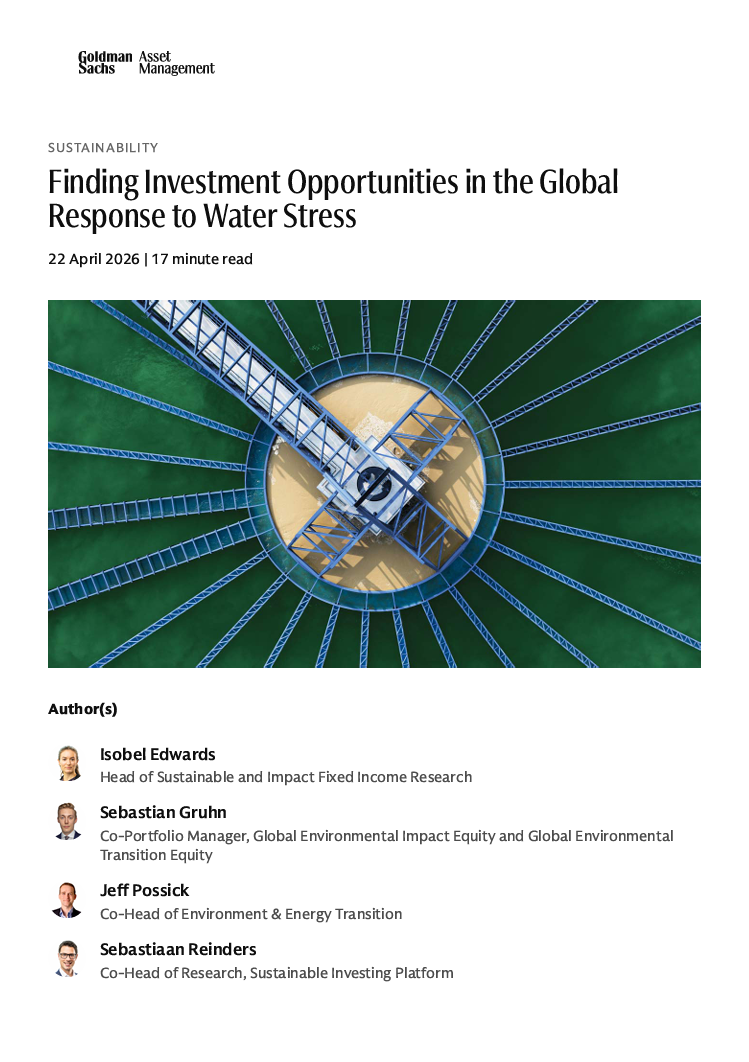
Finding investment opportunities in the global response to water stress
Examines investment opportunities arising from global water stress, focusing on infrastructure renewal, risk management and efficiency gains. Outlines how investors can identify growth across asset classes and technologies addressing water scarcity, supporting resilience, cost reduction and long-term economic trends.
A director’s guide to mandatory climate reporting: Version 2
Provides guidance for directors on Australia’s mandatory climate reporting regime, outlining regulatory requirements, governance expectations, and disclosure obligations under AASB S2. Explains implementation timelines, assurance pathways, and practical steps to manage climate-related risks, opportunities, and reporting processes within corporate reporting frameworks.
OECD Green Finance and Investment library
OECD’s Green Finance and Investment series provides policy analysis and guidance to mobilise public and private finance for green growth. It examines how regulatory frameworks and investment strategies can scale funding for low-carbon, climate-resilient and resource-efficient infrastructure, technologies and businesses.
Stakeholder Engagement Guide (beta)
The Stakeholder Engagement Guide is an investor-focused tool for assessing how portfolio companies engage with affected stakeholders within human rights and environmental due diligence. It outlines four stages and seven effectiveness criteria, providing questions, indicators and examples to evaluate engagement quality and identify risks and improvements.
Investor democracy
Examines investor democracy in pension funds using deliberative mini-publics and a binding member vote. Finds informed deliberation shifts preferences towards impact investing despite potential lower returns, with broader member support leading to increased allocations, demonstrating how structured participation can guide sustainable investment decisions.
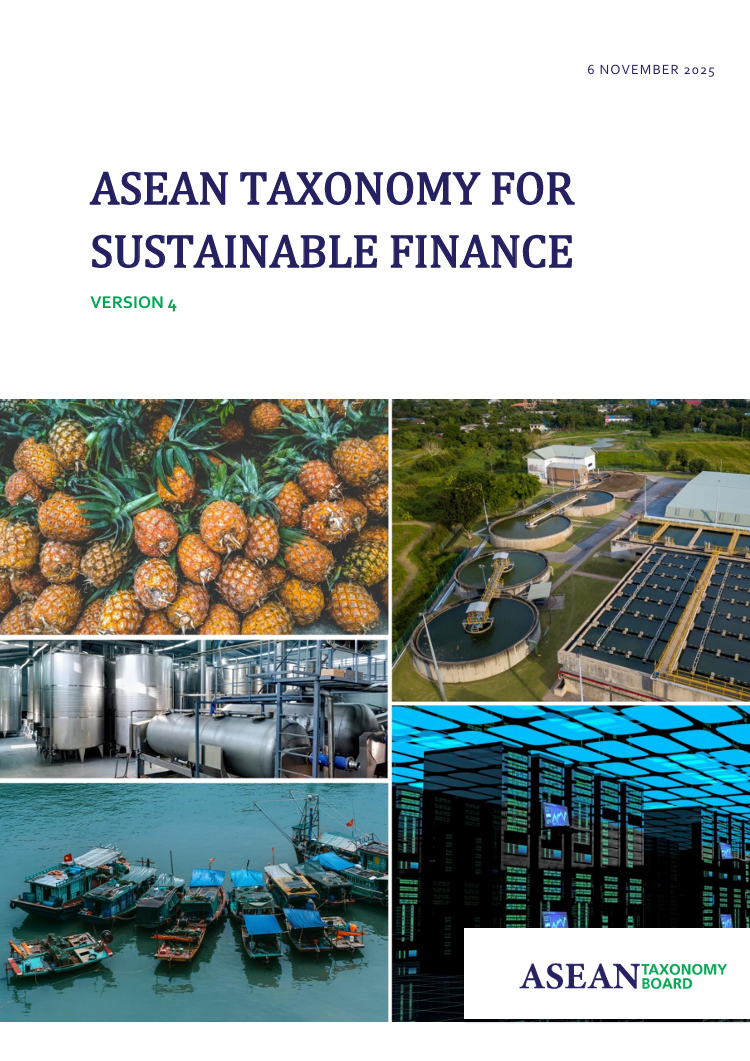
ASEAN taxonomy for sustainable finance series
The ASEAN Taxonomy for Sustainable Finance is a benchmark series that provides a common framework to classify sustainable economic activities across ASEAN. It guides financial institutions, policymakers and market participants in assessing environmental objectives, supporting an orderly transition and alignment with regional and international sustainable finance standards.
ESRS–ISSB standards: Interoperability guidance
Guidance outlines alignment between ESRS and ISSB sustainability standards, focusing on climate disclosures, materiality and reporting requirements. It maps corresponding provisions, highlights differences, and explains how entities can achieve compliance with both frameworks to improve efficiency and consistency in sustainability reporting.


