
Library | ESG issues
Governance
The governance pillar in ESG (environmental, social, and governance) refers to the systems, policies, and practices that ensure an organisation is managed responsibly and ethically. It includes issues such as board structure, reporting & disclosures, shareholders & voting, and risk management. Strong governance reduces risks, enhances trust, and supports long-term business sustainability.
Refine
2256 results
REFINE
SHOW: 16


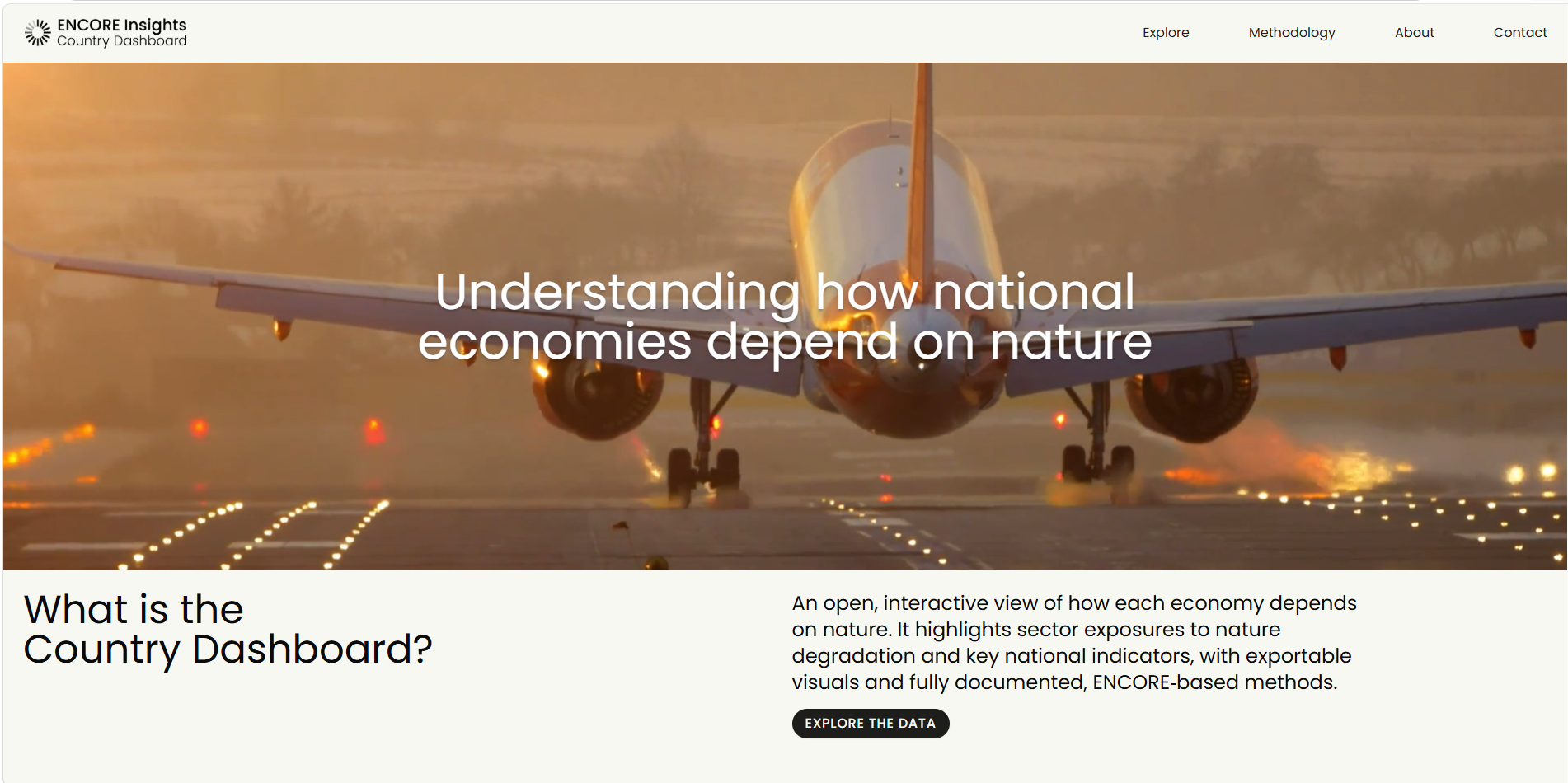
ENCORE Insights: Country Dashboard
The ENCORE Insights: Country Dashboard is an interactive tool that maps how national economies and sectors depend on nature. Developed by Global Canopy, it helps finance professionals and regulators assess macroeconomic risks associated with nature degradation and ecosystem service dependencies.
Preference for explainable AI
This research investigates the demand for explainable AI in high-stakes credit settings. It finds that decision-makers strategically avoid explanations that reveal racial or gender bias to preserve moral wiggle room. Additionally, behavioural biases cause individuals to undervalue explanations even when they complement private information and improve decision accuracy.
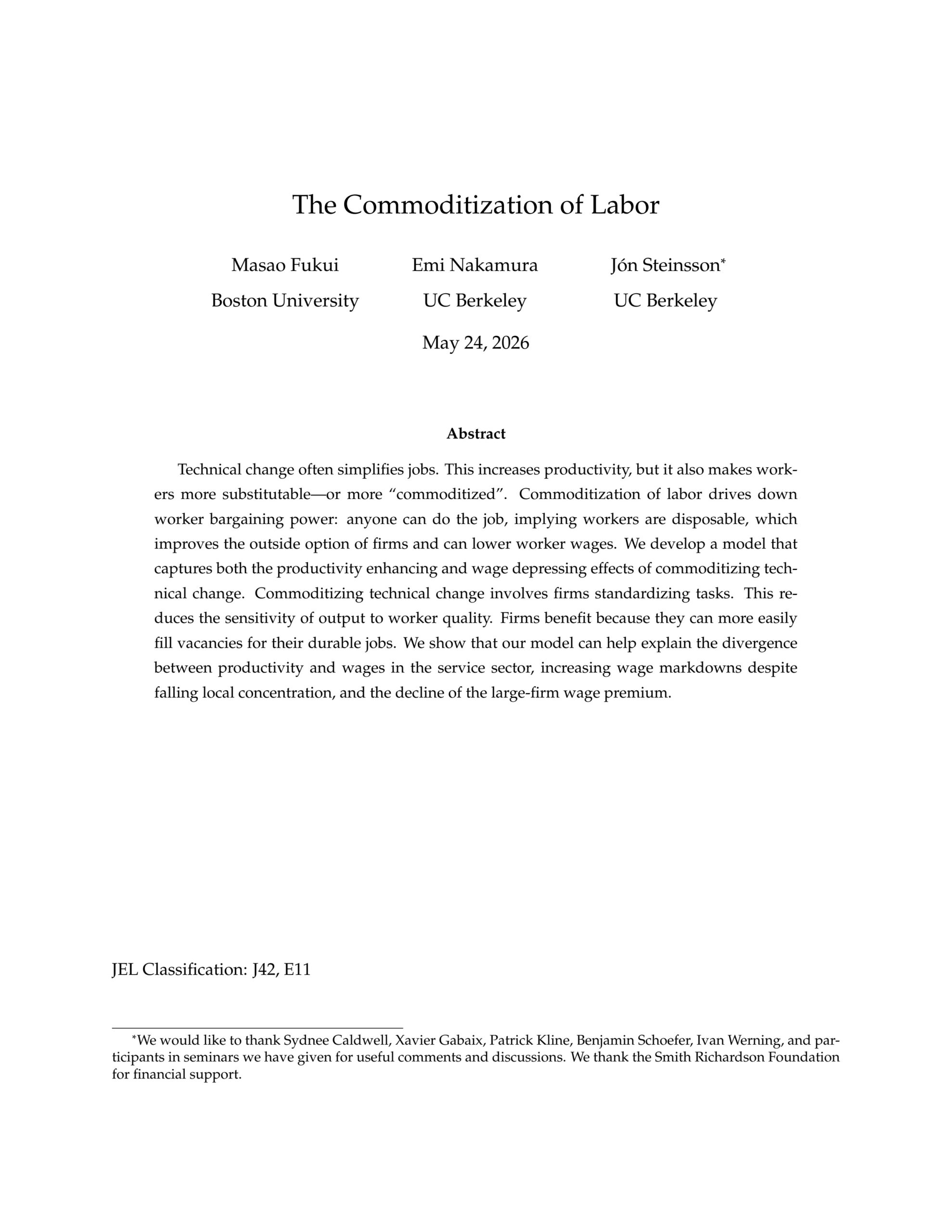
The commoditization of labor
This research examines how technological standardisation commoditises labour by making workers interchangeable. It develops a model showing that while this process increases productivity, it simultaneously reduces worker bargaining power and wages. This framework explains the declining large-firm wage premium and the divergence between productivity and pay in services.
The total portfolio approach (TPA): A practical guide for navigating the transition to TPA
The report examines the Total Portfolio Approach as an alternative to traditional strategic asset allocation. Drawing on interviews and survey evidence, it explains TPA’s investment, governance, risk, sustainability and organisational foundations, outlines a five-level transition pathway, and provides practical guidance for asset owners assessing readiness and implementation.
The current state of BRSR in corporate India 2.0
This report analyses Business Responsibility and Sustainability Reporting (BRSR) data from 300 Indian companies over three years. It identifies progress in disclosure quality, energy intensity trends, and assurance practices. Recommendations focus on standardisation and sector-specific guidance to enhance the decision usefulness of sustainability data for investors and regulators.
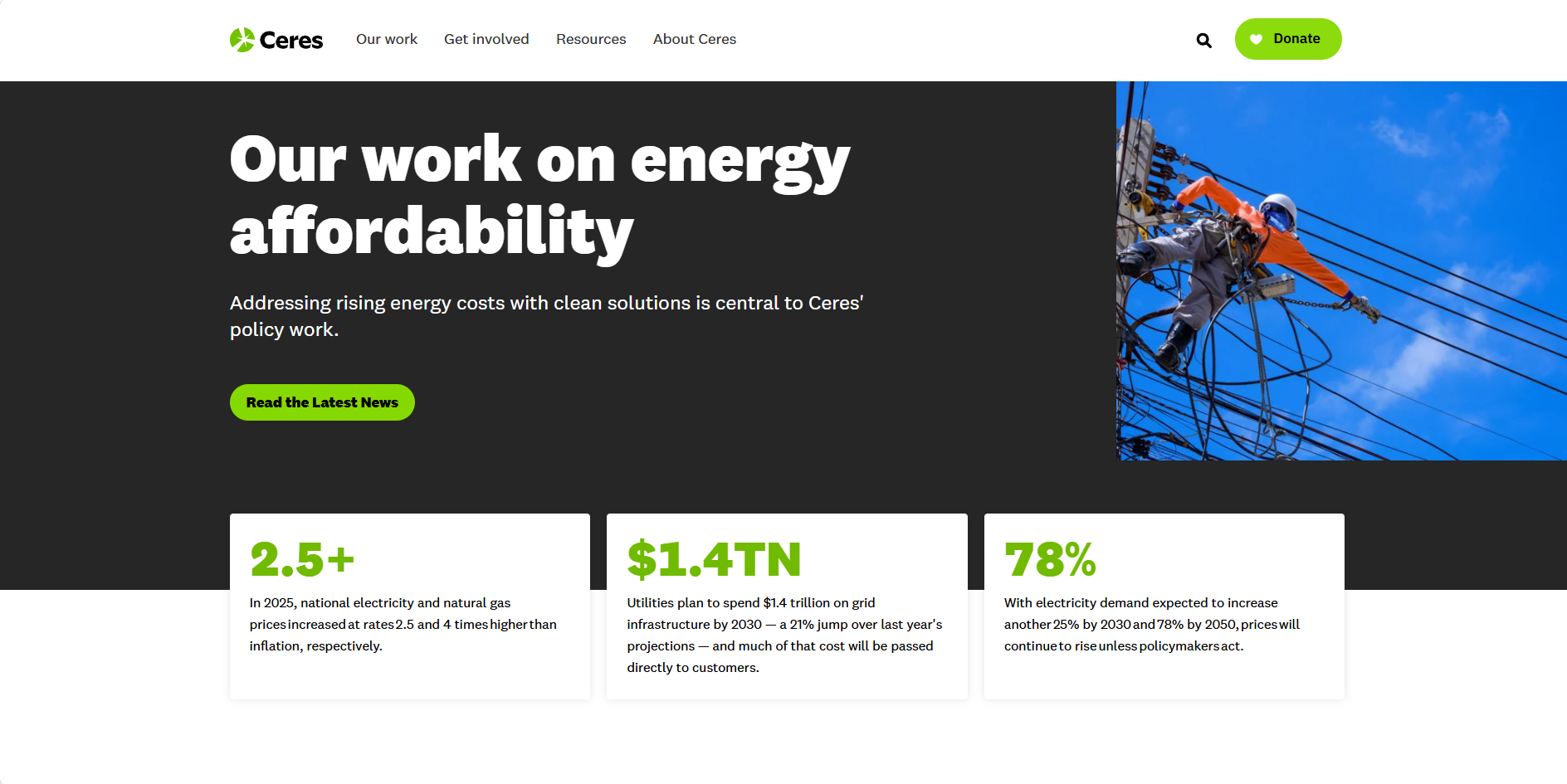
Ceres: Our work on energy affordability
A Ceres initiative and playbook focused on curbing rising energy prices through clean energy expansion, providing policymakers and investors with strategies for a modern, efficient, and affordable energy system.
Environmental crime: From blind spot to business risk
This report identifies environmental crime as an illicit economy worth USD 300 billion, posing significant financial risks to global businesses. It examines how illegal goods permeate supply chains and details tightening regulations. The research provides strategic actions for organisations to improve traceability and manage exposure effectively.
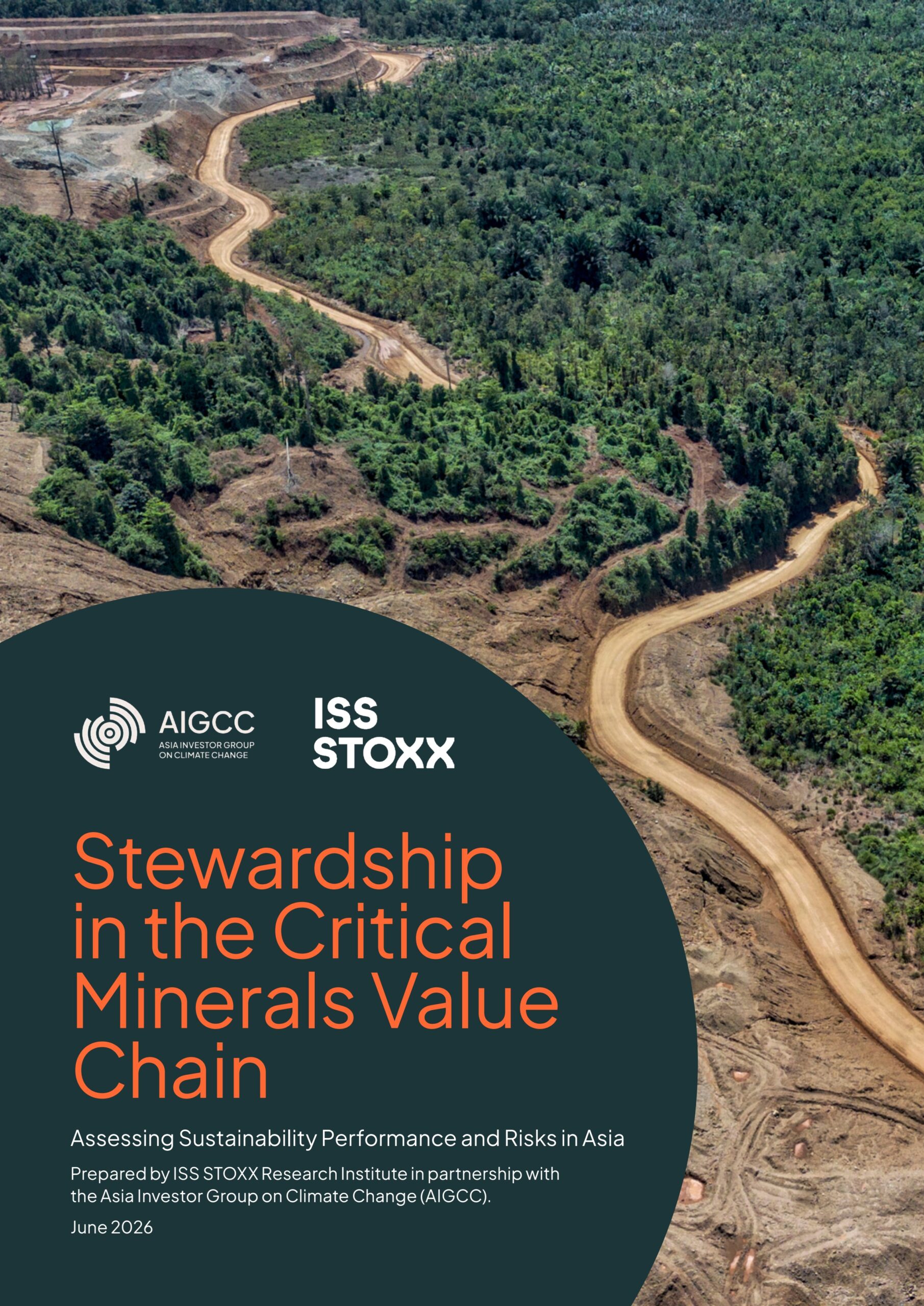
Stewardship in the critical minerals value chain: Assessing sustainability performance and risks in Asia
This research examines sustainability risks in Asia’s critical minerals value chain, focusing on nickel, cobalt and copper. Utilising IRMA-aligned assessments and geospatial data, it highlights gaps between corporate policy and implementation, intensifying physical climate risks, and nature dependencies, providing actionable stewardship priorities for institutional investors in the region.
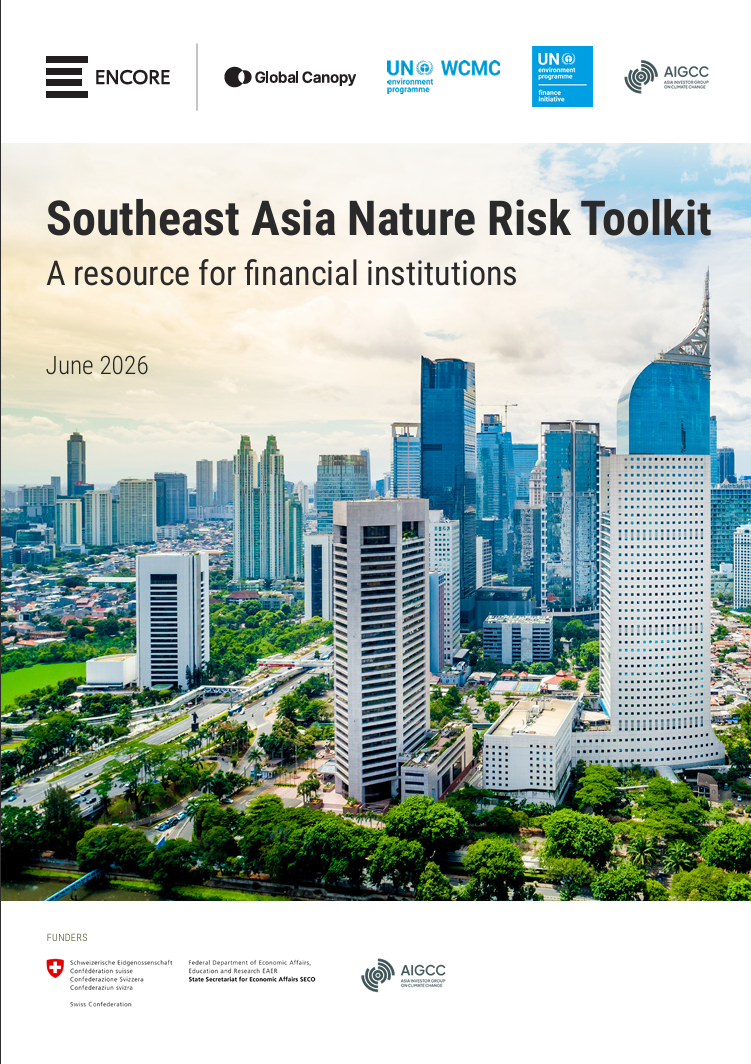
Southeast Asia nature risk toolkit: A resource for financial institutions
A resource-hub and workbook designed by ENCORE partners to help financial institutions assess nature-related risks in Indonesia, Malaysia, Thailand, and Viet Nam. It provides over 120 curated tools and datasets to support TNFD-aligned risk management and investment decisions.
Tracking methane action in the dairy and coffee sector
This benchmark series evaluates the progress of leading dairy and coffee companies in addressing methane emissions. It assesses corporate targets, disclosure practices, and reduction strategies within the food sector. The research provides a comparative analysis of industry performance against global climate commitments to encourage transparency and accountability.

Women's empowerment principles series
This series examines how businesses integrate women’s empowerment and gender equality across leadership, workplaces, marketplaces and communities. It uses the Women’s Empowerment Principles Gender Gap Analysis Tool to assess corporate policies and practices, support benchmarking and identify opportunities for businesses to strengthen gender equality approaches over time.
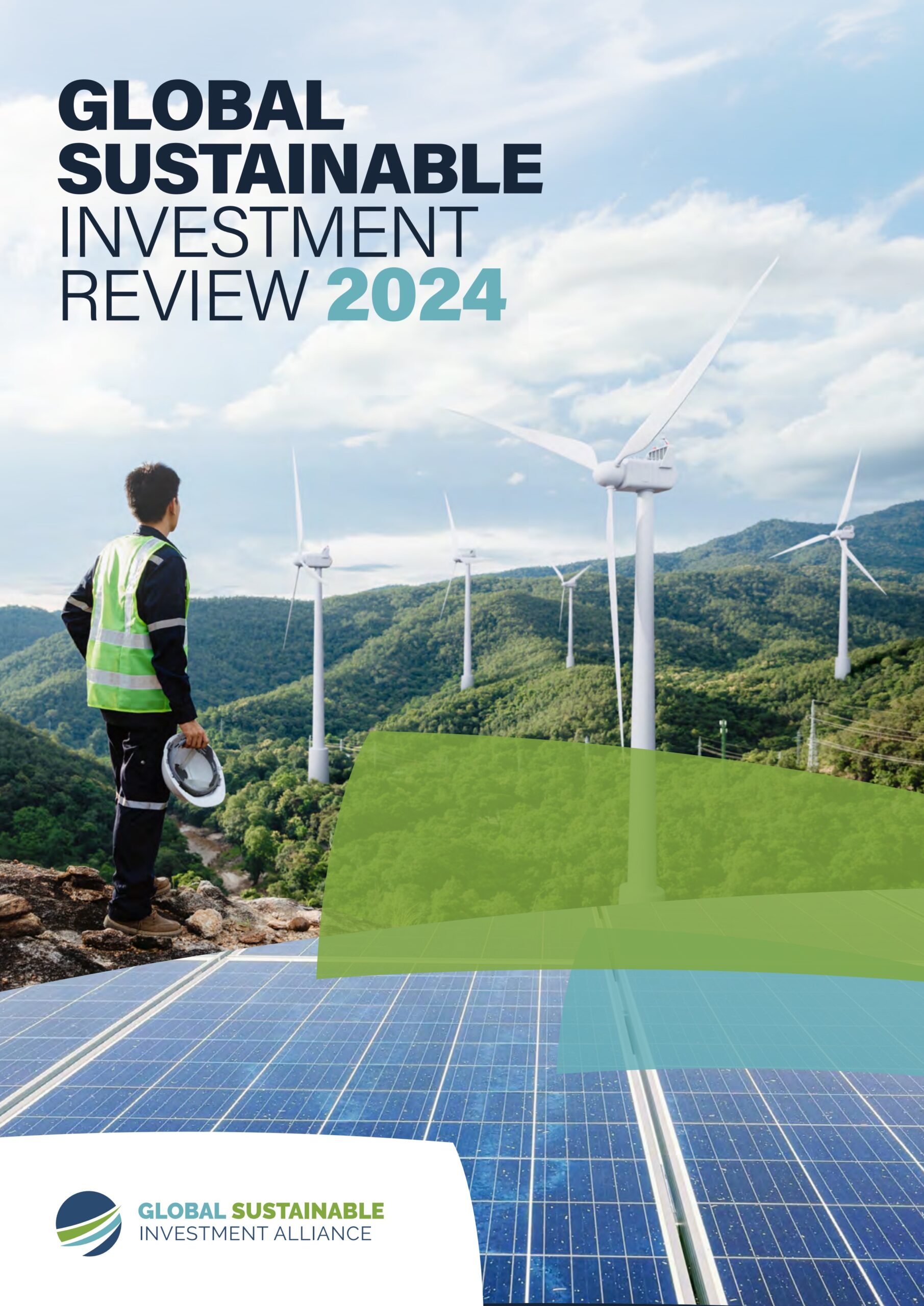
Global sustainable investment review series
This benchmark series provides a factual mapping of the state of responsible and sustainable investment across major global financial markets. Produced biennially, it offers regional insights and policy recommendations to help finance professionals navigate evolving regulatory frameworks, standardised methodologies, and the transition to a net-zero economy through international cooperation.
ICMA's guidance handbooks series
This guidance series provides a comprehensive set of questions and answers regarding the application of the Green Bond Principles, Social Bond Principles, Sustainability Bond Guidelines, and Sustainability-Linked Bond Principles. It serves as a benchmark series for the sustainable bond market, promoting transparency and standardisation across various financial debt instruments.
Corporate Health Check 2026: The annual state of Earth-positive business action
The CDP 2026 Corporate Health Check, produced with Oliver Wyman, demonstrates that environmental leadership aligns with financial performance. While a 15% leadership cohort achieves 4% annual emission reductions, a major gap persists in adaptation finance. The report identifies four key levers for building resilience and capturing emerging commercial opportunities.
Mobilising capital for India’s critical minerals sector
This report examines financing challenges in India's critical minerals sector across upstream, midstream, and recycling segments. It evaluates the National Critical Mineral Mission's role in addressing capital gaps and suggests de-risking projects to ensure commercial viability and support India’s energy transition goals through strategic policy and international partnerships.
FCLT Gold Standard: Information and resources
FCLTGlobal’s Gold Standard provides criteria for asset owners, asset managers and companies to support long-term value creation. It outlines recommended practices across governance, incentives, engagement, metrics and future success, including long-term performance measurement, aligned remuneration, sustainability reporting, carbon pricing, diverse decision-making and investment in innovation.


