
Library | ESG issues
Governance
The governance pillar in ESG (environmental, social, and governance) refers to the systems, policies, and practices that ensure an organisation is managed responsibly and ethically. It includes issues such as board structure, reporting & disclosures, shareholders & voting, and risk management. Strong governance reduces risks, enhances trust, and supports long-term business sustainability.
Refine
2256 results
REFINE
SHOW: 16


Regenerative agriculture: Moving from ambition to credibility
This report evaluates regenerative agriculture commitments across 78 global agri-food companies. While disclosures have increased, quantified targets have declined to 28%. Significant gaps remain in financial support for farmers and pesticide reduction targets, with the pork and poultry sectors largely overlooked in transition planning.
Mainstreaming just transition finance: Lessons from emerging best practice
This report examines the integration of just transition principles into private finance. It highlights structural barriers, including the lack of robust business cases and quantifiable evidence. Recommendations include embedding just transition into existing regulatory frameworks, strengthening the evidence base for commercial benefits, and aligning private incentives with national commitments.
Assessing climate finance quality in practice: Lessons from six cases
This research report analyses six case studies to determine what constitutes high-quality public climate finance. It introduces a two-pronged framework assessing design, delivery, and results. Findings emphasise context-specific calibration, the importance of building enabling environments, and identifying data gaps that hinder systematic reporting across public climate finance providers.
Cyber risk stress testing for banks
This report examines cyber risk stress testing for banks, contrasting system-focused and firm-focused approaches. Drawing on exercises by the Bank of England, the Danish Financial Supervisory Authority, and the European Central Bank, it outlines scenario design, operational resilience, and the role of disclosure in establishing best practices.
Gaining ground: State of private investment in nature 2026
This report analyses the growth of private investment in nature between 2016 and 2025, documenting a fivefold increase in annual capital deployment to $14 billion. It highlights the shift towards institutional-grade natural capital and recommends clearer policy drivers and standardised metrics to unlock investment and bridge the $700 billion finance gap.
Profits and social impacts: Complements vs. tradeoffs for lenders in three countries
This research examines the tradeoff between lender profits and social impact using machine learning across three countries. It demonstrates that algorithmic targeting significantly boosts profit margins in South Africa and the Philippines but may reduce financial inclusion for women and low-income borrowers unless balanced strategies are implemented.
The price and distributional impact of flood risk disclosure: Evidence from US housing platforms
This research quantifies the impact of property-level flood risk disclosure on US housing prices and demographics. Homes labelled with 'extreme' risk saw a 3.3% price discount. Disclosure caused significant resorting, with lower-income, older, and FHA-financed buyers increasingly purchasing high-risk properties primarily due to reduced transaction prices.
Global Forest Review
The Global Forest Review is an online resource by the World Resources Institute providing annual data on global forest loss, deforestation drivers, and carbon stocks. It helps finance professionals assess environmental risks and track supply chain exposure to deforestation-linked commodities.
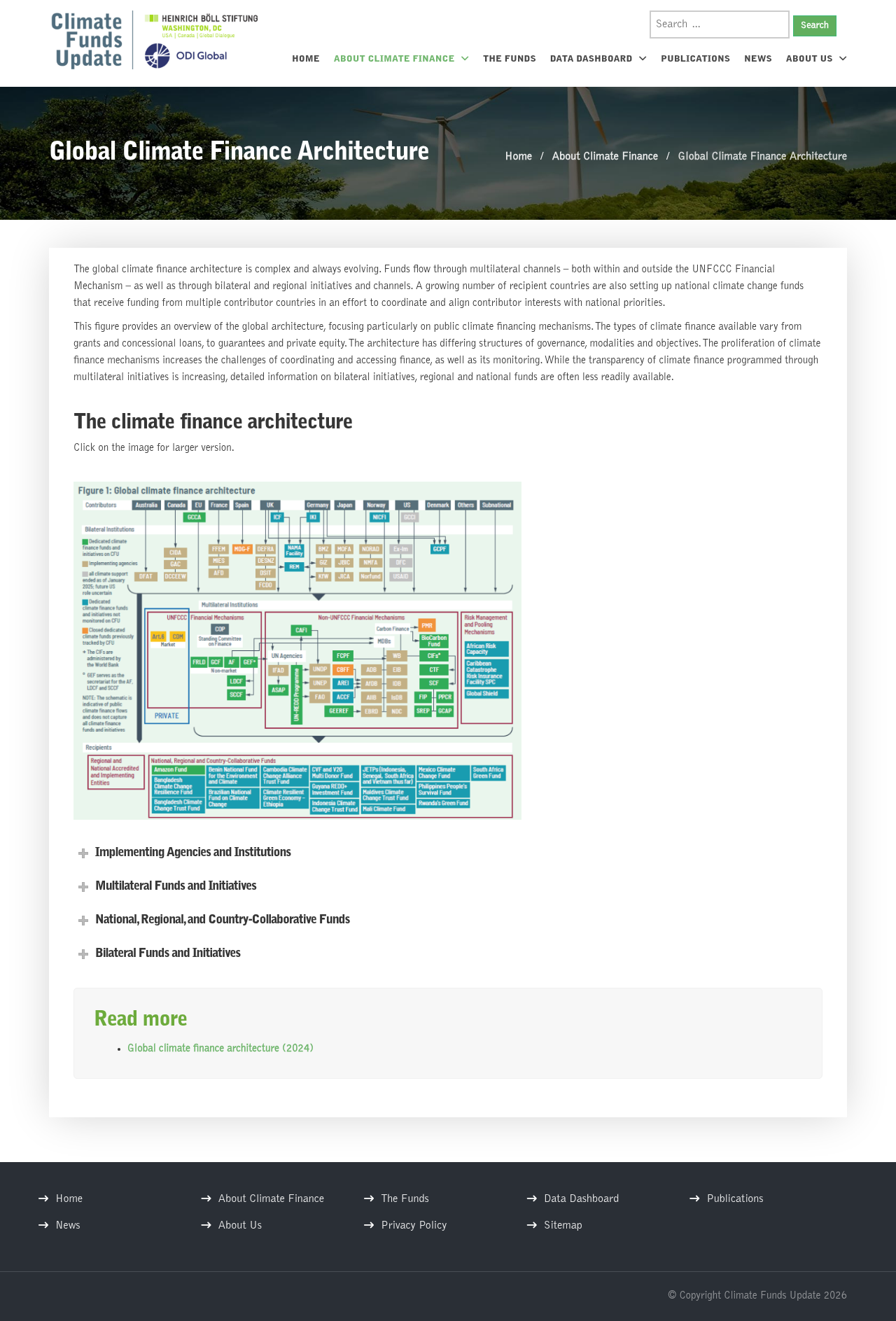
Global Climate Finance Architecture
Climate Funds Update tracks the complex global climate finance architecture, monitoring multilateral, bilateral, and regional funds. It provides critical insights into how international capital is channelled toward climate action in developing nations, supporting ESG analysis and investment context.
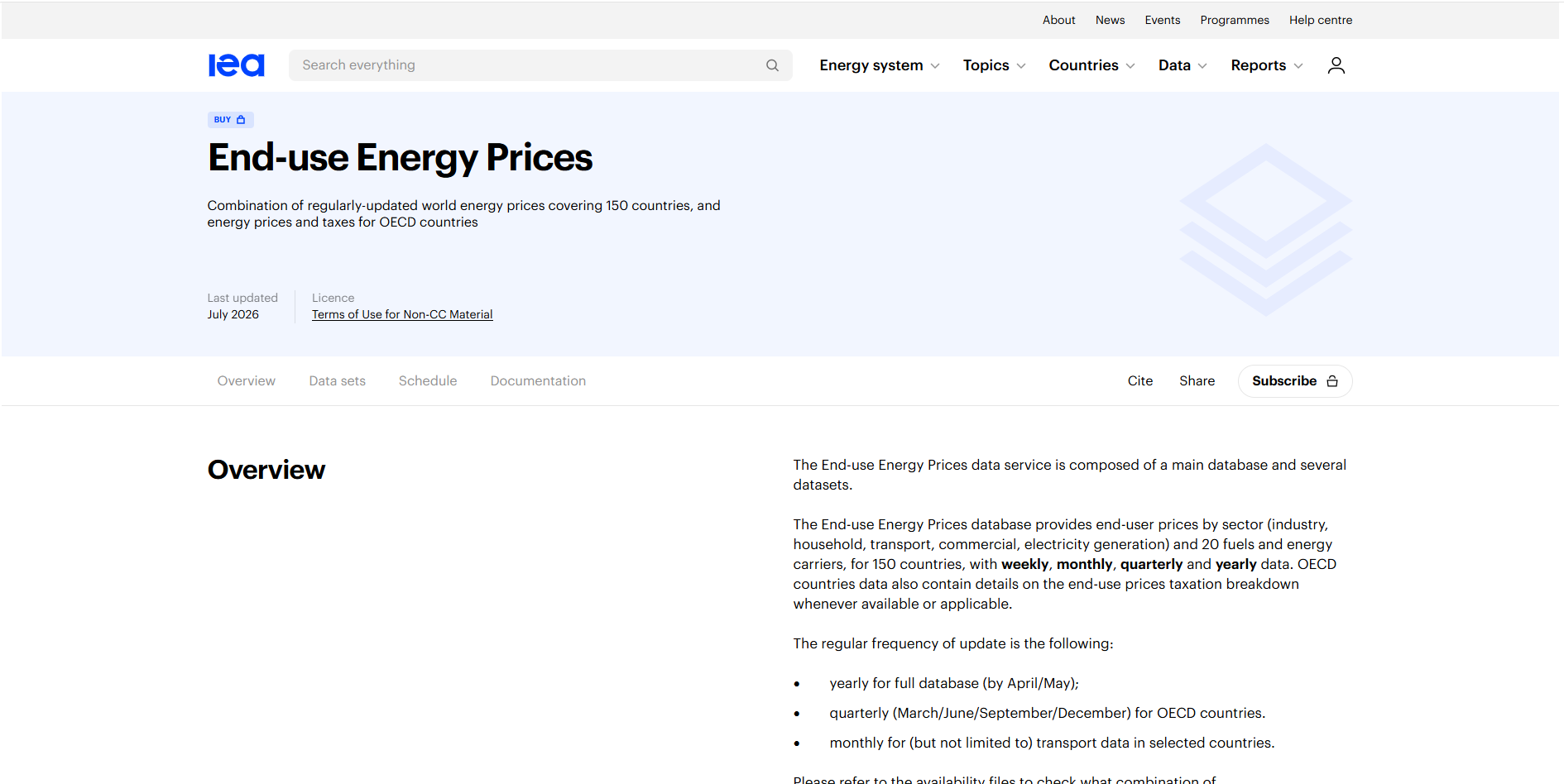
2026 IEA Energy Prices Database
The 2026 IEA Energy Prices Database provides comprehensive global data on energy prices, investment trends, and capital flows. It supports finance professionals in assessing market volatility, conducting risk analysis, and evaluating energy sector investments.
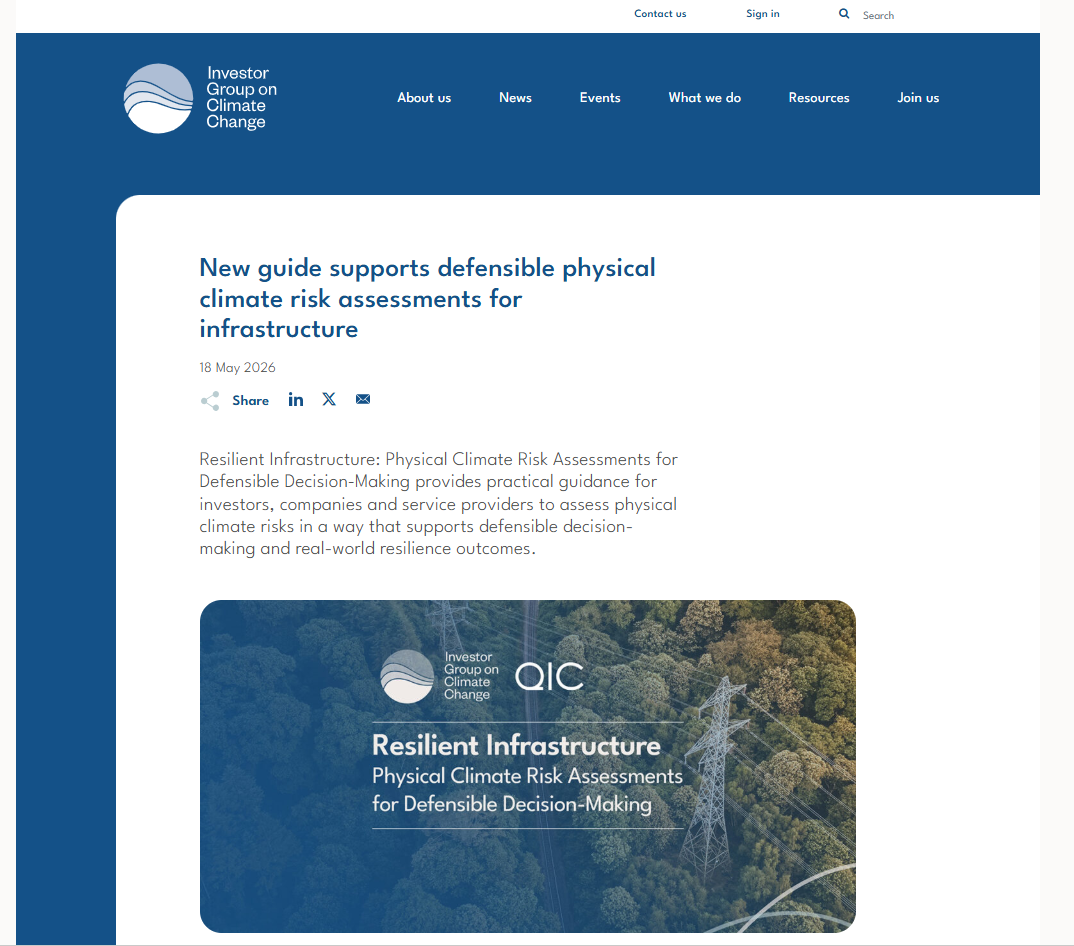
Asset-level physical climate risk register template
The Asset-level physical climate risk register template, developed by the Investor Group on Climate Change (IGCC), enables consistent documentation of climate hazard assessments. It helps investors and managers track risks such as floods and wildfires at the individual asset level to support financial reporting and resilience planning.
Assessing the quality of adaptation finance tool
A CPI decision-support tool for public finance providers to assess adaptation finance quality across project, market, and system levels.

EU energy and raw materials mechanism platform
EU Commission platform aggregating demand for critical raw materials to connect buyers, suppliers, and financial institutions across strategic sectors.
Financial Innovation Knowledge Platform
CPI's platform offering practical tools, research, and guidance for public and private actors developing and investing in climate finance vehicles.
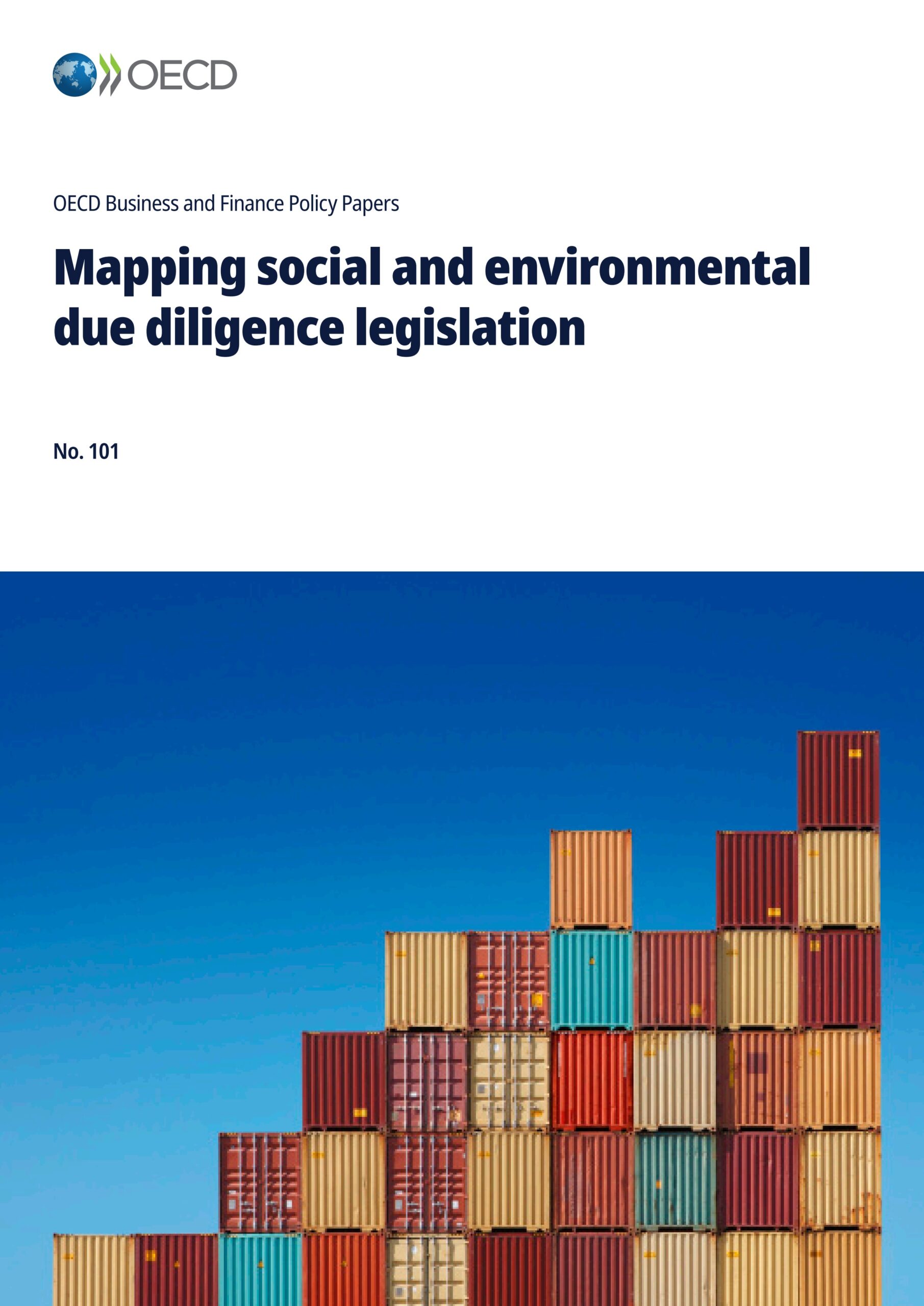
Mapping social and environmental due diligence legislation
This OECD report maps 21 legislative measures across 11 jurisdictions concerning social and environmental due diligence. It identifies key areas of convergence and divergence in regulatory scope and requirements. The findings aim to support international policy co-operation, reduce implementation complexity, and promote consistent global enforcement approaches.
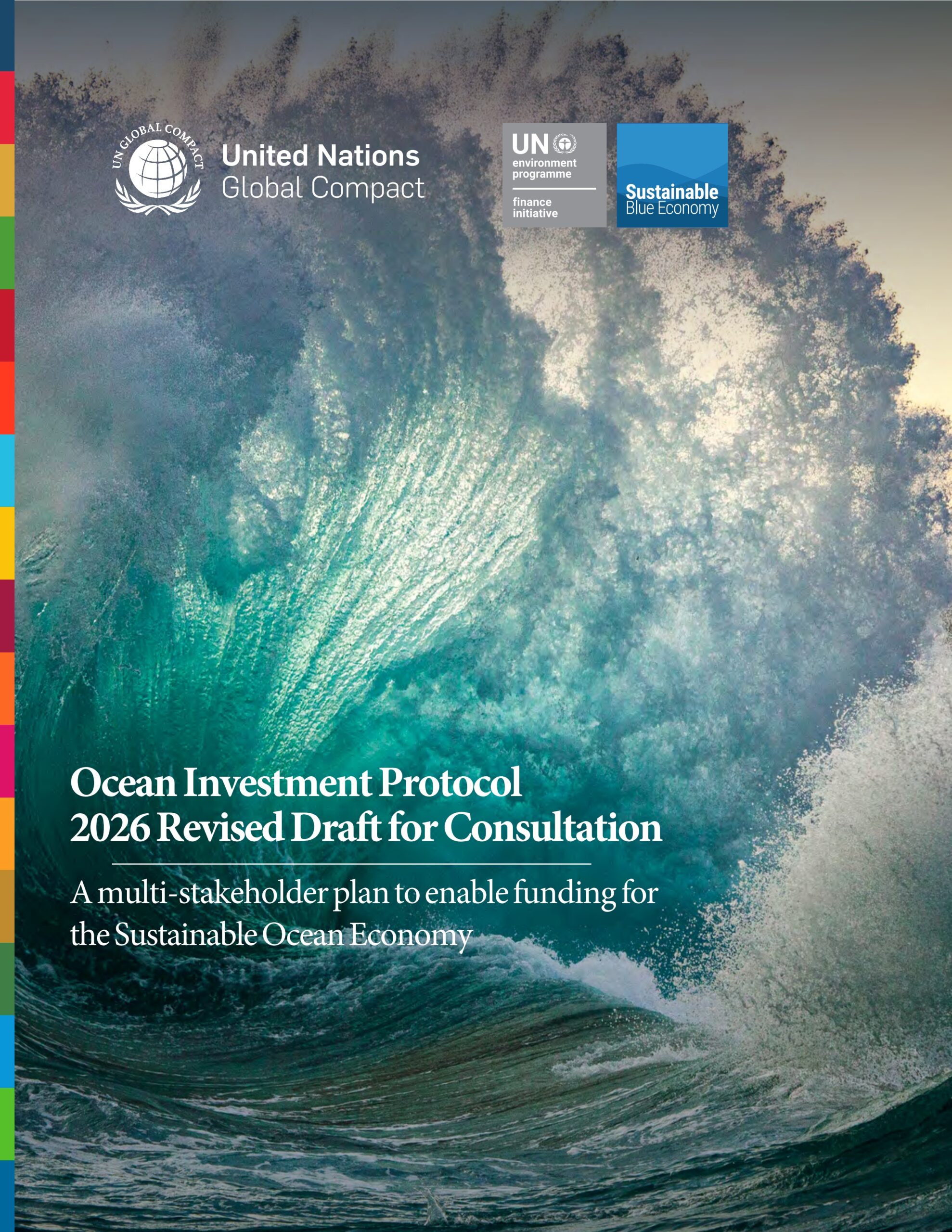
Ocean investment protocol: 2026 revised draft for consultation: A multi-stakeholder plan to enable funding for the Sustainable Ocean Economy
This report provides a framework for scaling finance towards a sustainable ocean economy. It outlines recommendations for financial institutions, insurers, governments, and central banks to manage risks and capture opportunities. The protocol aims to mobilise the US$1 trillion required by 2030 to protect marine ecosystems and ensure prosperity.


