
Library | ESG issues
Health
Health encompasses physical, mental, and social well-being. Ensuring universal access to quality healthcare is essential to sustainable development, as it improves life expectancy, reduces child and maternal mortality, and combats infectious and non-communicable diseases. While significant progress has been made, persistent challenges remain, requiring healthcare funding, improved sanitation, and greater access to medical services to enhance global health outcomes.


Refine
167 results
REFINE
SHOW: 16


The Quadripartite Joint Offer: A call for targeted One Health investment
This advocacy document calls for targeted investment in the One Health Joint Plan of Action. The Quadripartite collaboration proposes a Joint Offer to support at least ten countries over five years, strengthening governance, multisectoral coordination, and sustainable financing to prevent and control global health risks effectively.
Financial and economic returns to investing in One Health: Evidence and future directions
This research examines the financial case for investing in One Health to mitigate global health threats. It highlights how integrated approaches reduce costs and improve efficiencies. Through various global case studies, the report demonstrates significant economic returns and provides a strategic blueprint for future sustainable investment.
Workforce heat resilience: An actionable framework to close the execution gap
This report provides a framework for businesses to address workforce heat risks. It details a seven-step roadmap to assess climate impacts, design tailored interventions, and scale resilience. With heat-driven productivity losses projected to reach $2.4 trillion by 2030, the document highlights the strategic necessity of protecting workers.
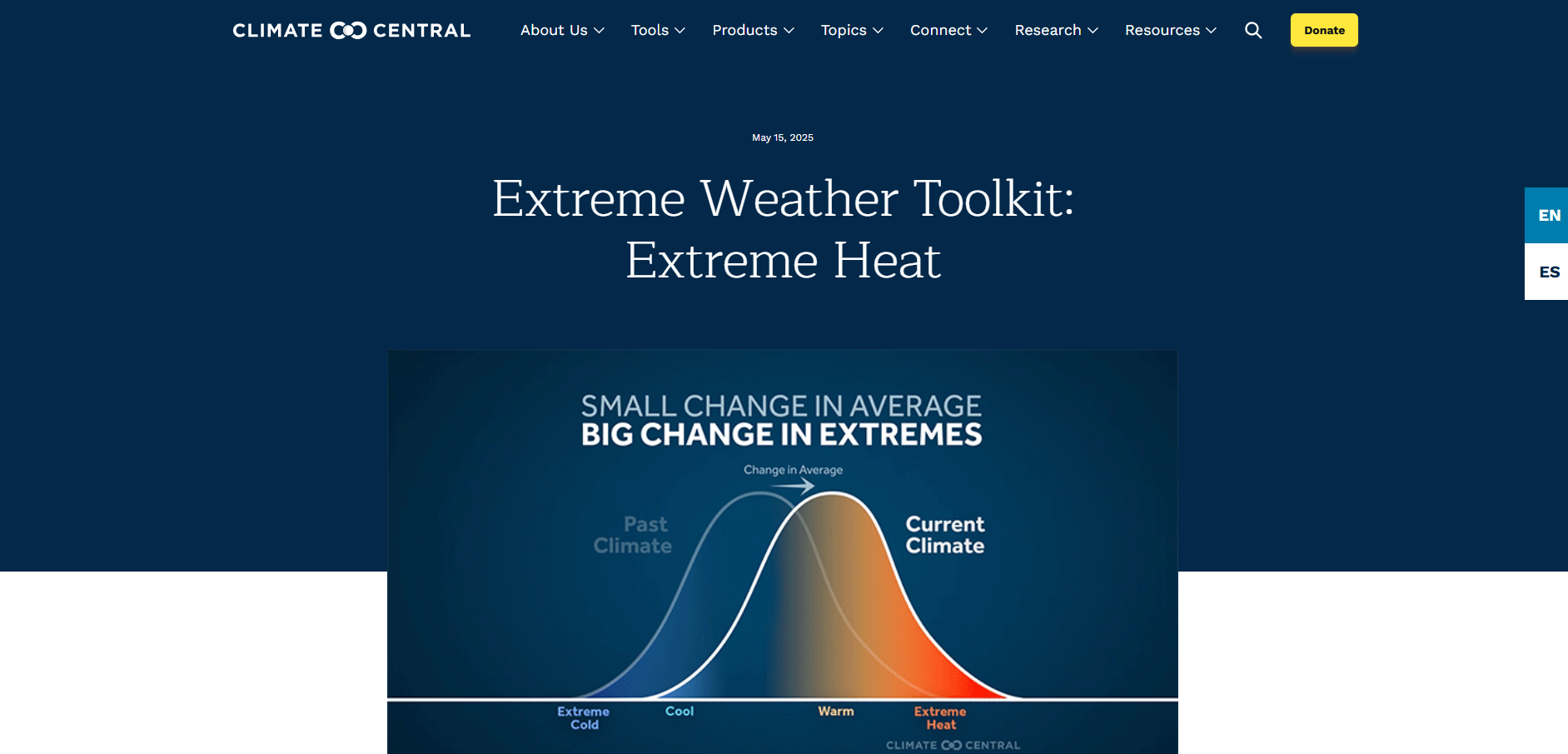
Extreme Weather Toolkit: Extreme Heat
A resource hub from Climate Central providing data, analysis, and visualisations on the trends and local impacts of extreme heat, including the Climate Shift Index and urban heat island studies.
2026 Sustainable investment trends
This report analyses sustainable investment trends for 2026, examining physical climate risk, the energy transition, and Asia’s leadership. It addresses the influence of artificial intelligence on power demand and emission targets, alongside structural challenges in the health care and food production sectors, highlighting resilience and adaptation as key priorities.
Rust in motion: The political environmental trap of vehicle tax exemptions
This research examines Brazil's vehicle tax exemptions, finding that lower age thresholds increase fleet age, pollution and infant health risks. It identifies a 'political environmental trap', where raising exemption ages leads to significant electoral penalties for incumbents, despite the policies resulting in a net welfare loss.

Super-duper El Nino and the bigger problem
This report analyses the 2026 super El Nino, identifying it as the strongest in the modern record. It discusses accelerating human-made global warming, the doubling of Earth’s energy imbalance, and severe health implications. Findings highlight that rising temperatures significantly increase mortality risks for vulnerable populations across Europe and Asia.
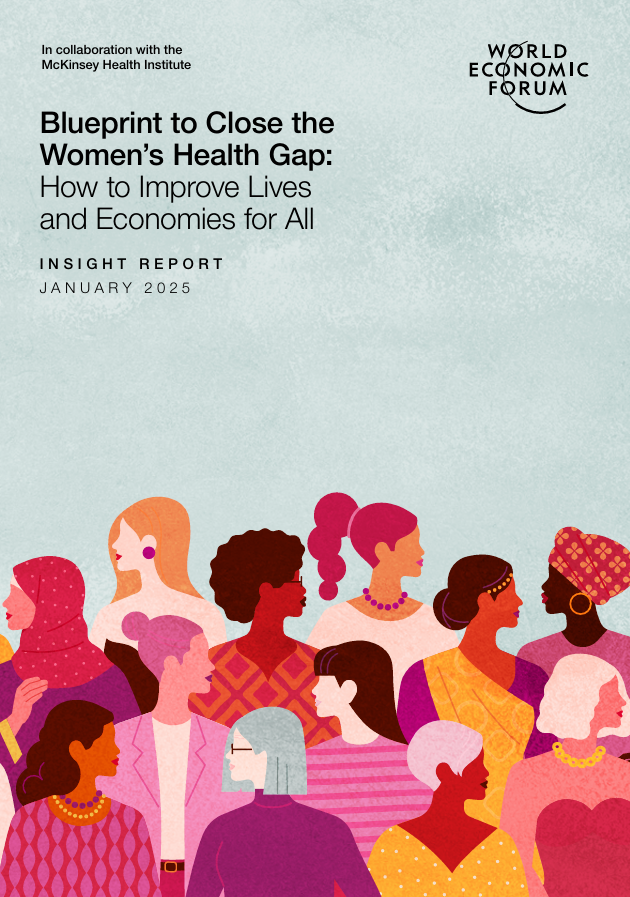
Closing the gender health gap: The investment case and capturing Australia's window of opportunity
This report identifies the gender health gap as a systemic market failure and significant investment opportunity. Closing this gap could boost the global economy by US$1 trillion annually by 2040. In Australia, the opportunity is valued at US$24.8 billion per year, offering a time-limited ten-year window for investors.
Disaster resilience scorecard for cities: Addendum for extreme heat risk management
An addendum to the Disaster Resilience Scorecard for Cities, this tool helps local governments assess and strengthen extreme heat risk management. It uses 18 indicators to evaluate governance, infrastructure, and financial planning to build long-term urban resilience against rising temperatures.

Tiny plastics big problem: The hidden risks of plastic pouches for baby food
Greenpeace research identifies significant microplastic contamination in Danone and Nestlé baby food pouches. The report highlights the rapid market shift towards flexible plastic packaging, outstripping regulatory protections. It recommends a 75% reduction in plastic production by 2040 and urges manufacturers to prioritise non-toxic, reusable alternatives to protect infant health.
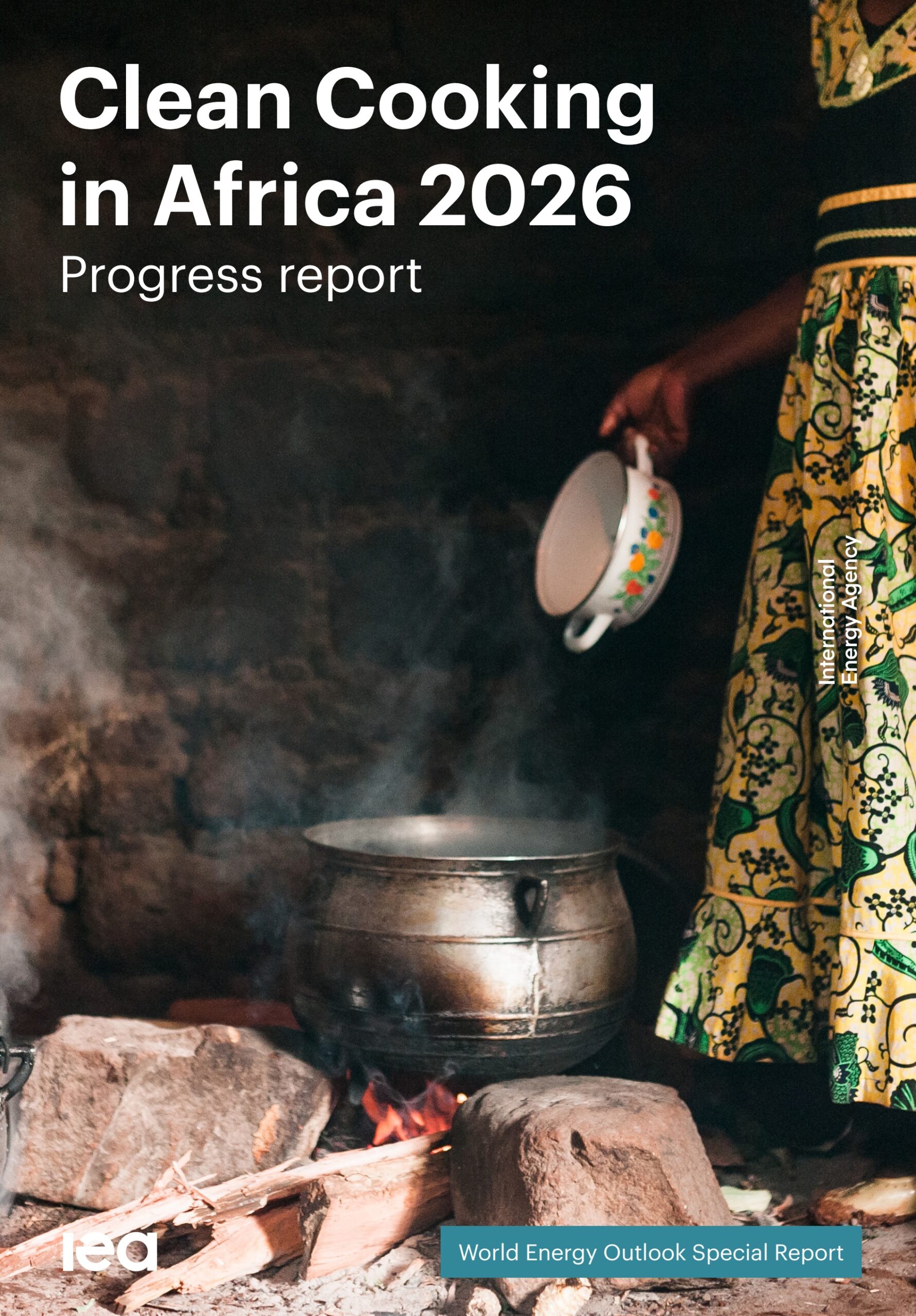
Clean cooking in Africa 2026: Progress report
This report evaluates progress toward universal clean cooking access in sub-Saharan Africa. While delivery rates have tripled since 2010, population growth continues to outpace gains. The analysis covers investment trends, infrastructure development, and the impact of the 2026 energy crisis on regional fuel supply chains.
The price of gas: The hidden costs of European banks’ support for gas power expansion
This report examines how 24 European banks provided US$41.9 billion to gas power developers between 2021 and 2024. It highlights significant health impacts, including nearly 3,000 premature deaths in Europe, and warns that expanding gas infrastructure undermines global climate targets and exposes economies to price volatility.
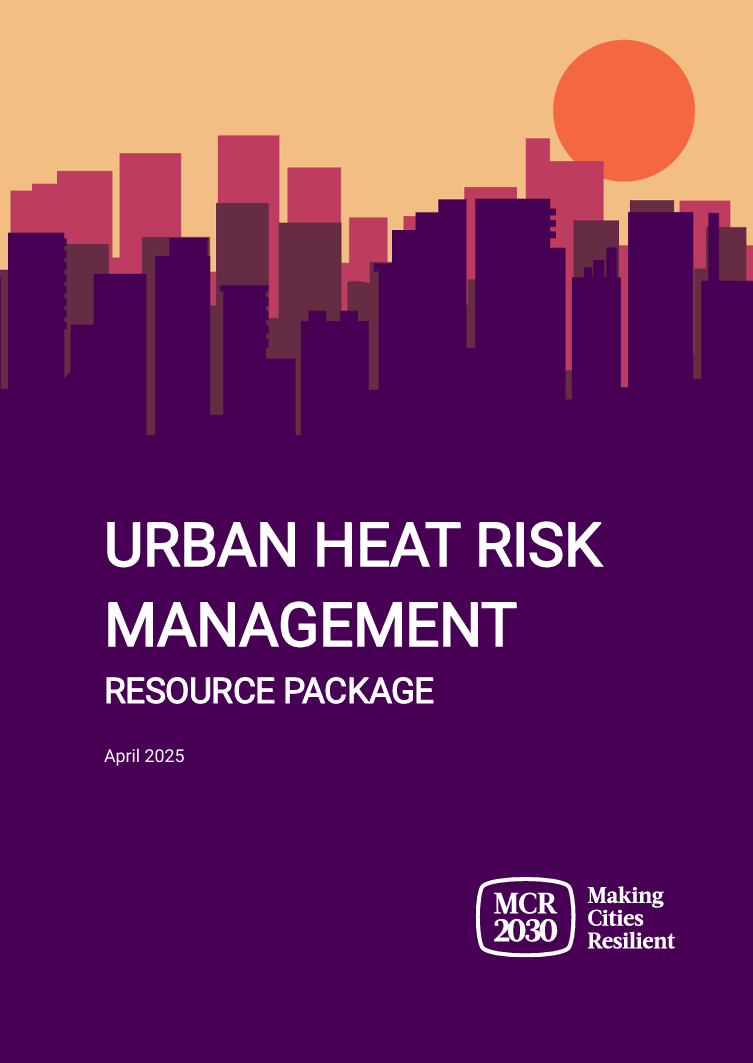
Urban heat risk management: Resource package
This resource package provides practical guidance for local and national governments on managing urban heat risks through governance, planning, nature-based solutions and emergency preparedness. Drawing on global evidence and city case studies, it outlines strategies to strengthen urban resilience to increasing extreme heat.
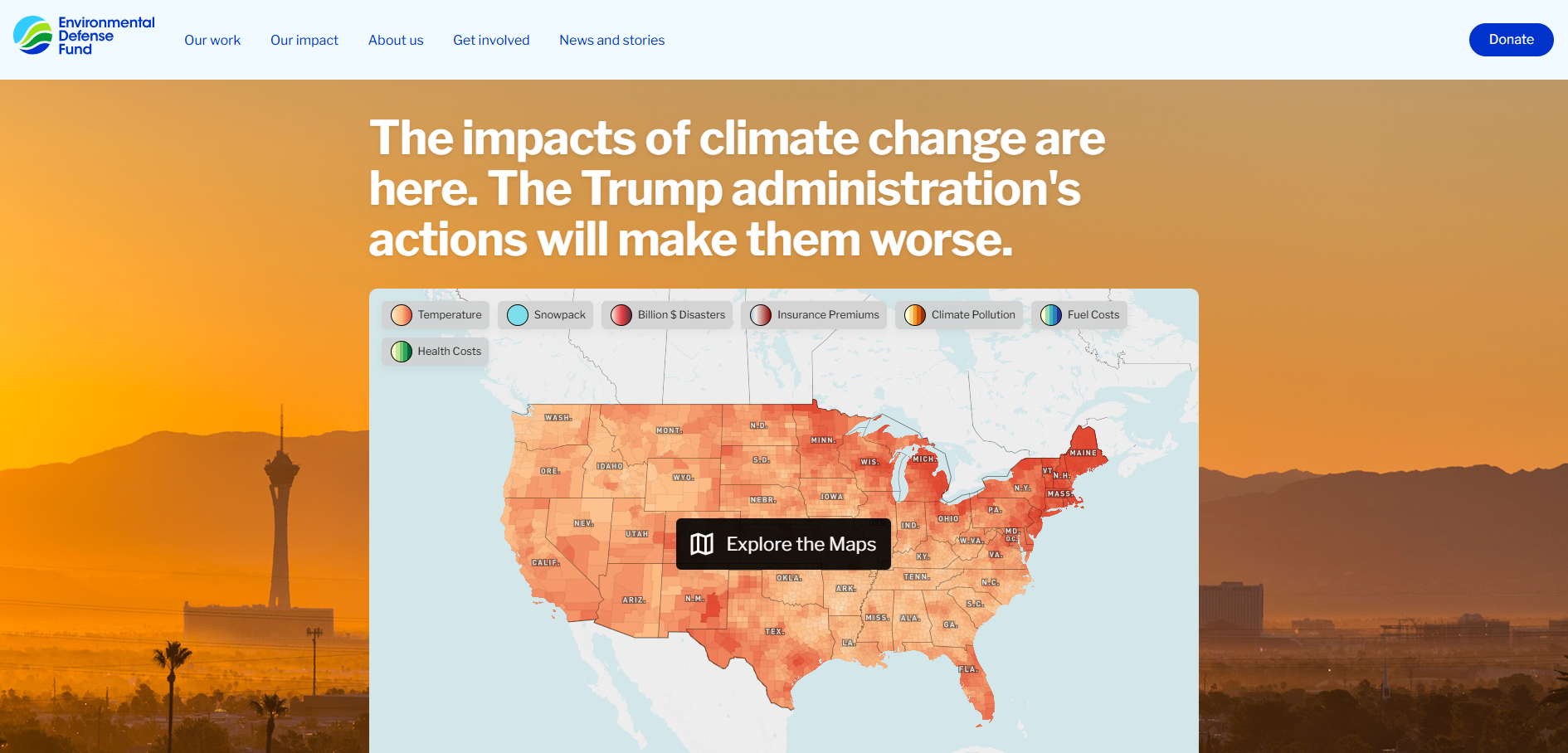
Trump climate endangerment stories
This interactive mapping tool from the Environmental Defense Fund (EDF) combines climate data and community stories to show how climate change is affecting temperatures, water resources, disaster losses, insurance costs and public health across the United States. It also illustrates the projected impacts of changes to federal climate pollution regulations.
Climate Shift Index: Humid Heat
Climate Shift Index: Humid Heat tracks and calculates the influence of human-caused climate change on daily humid heat conditions across the globe.
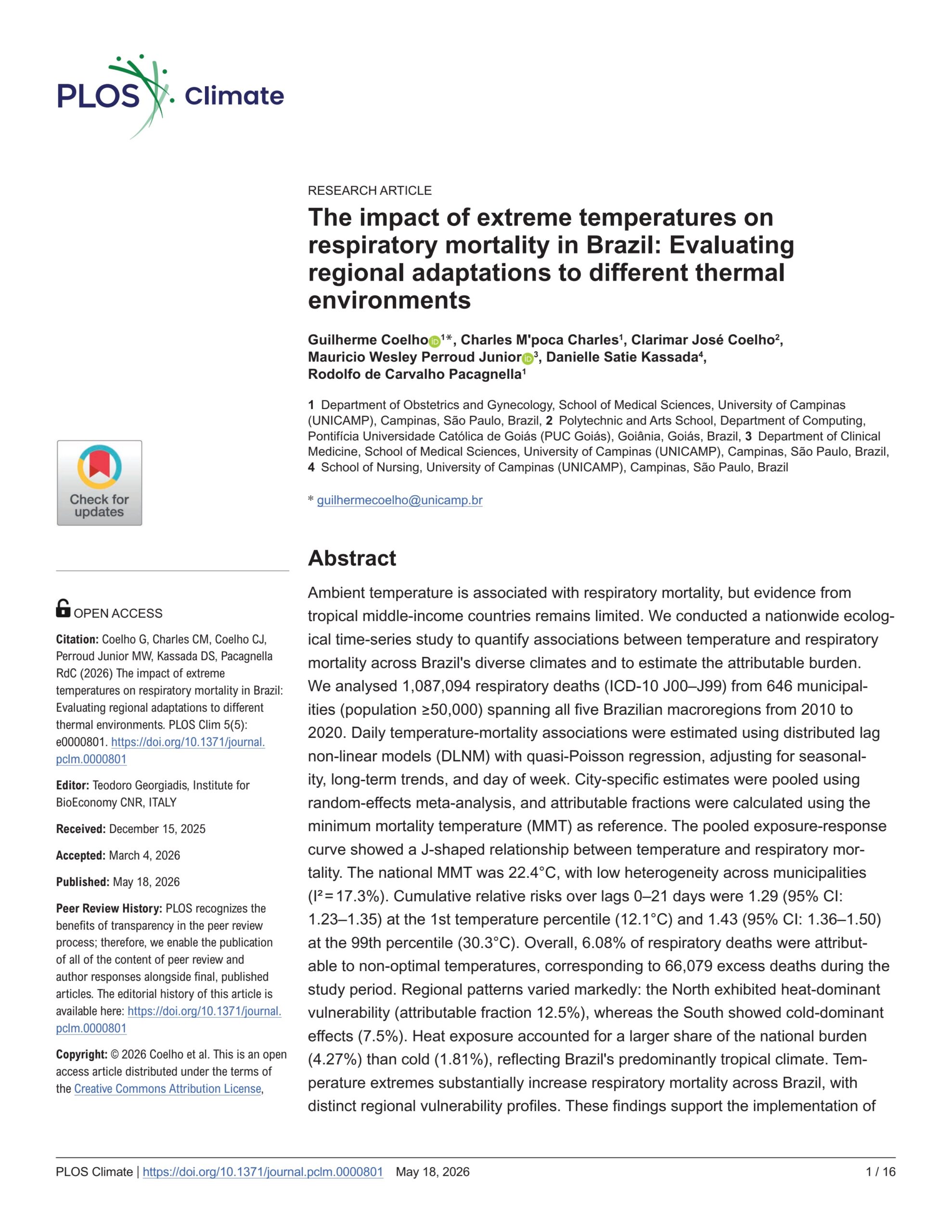
The impact of extreme temperatures on respiratory mortality in Brazil: Evaluating regional adaptations to different thermal environments
This report analyses the impact of extreme temperatures on respiratory mortality across 646 Brazilian municipalities from 2010 to 2020. Findings reveal a J-shaped exposure-response curve, with heat-related deaths dominating in tropical northern regions, whilst cold-related mortality predominates in the subtropical south, underscoring the need for region-specific climate adaptation policies.


