
Library | ESG issues
Health
Health encompasses physical, mental, and social well-being. Ensuring universal access to quality healthcare is essential to sustainable development, as it improves life expectancy, reduces child and maternal mortality, and combats infectious and non-communicable diseases. While significant progress has been made, persistent challenges remain, requiring healthcare funding, improved sanitation, and greater access to medical services to enhance global health outcomes.


Refine
167 results
REFINE
SHOW: 16


CARE for women: Investing in care delivery to improve women’s lives and livelihoods
This report examines the 34% of the global women's health gap caused by care delivery failures. Focusing on cardiovascular risk and perinatal depression, it outlines the CARE framework to standardise screening and referral pathways, demonstrating that preventative care investments yield a three- to six-fold return.
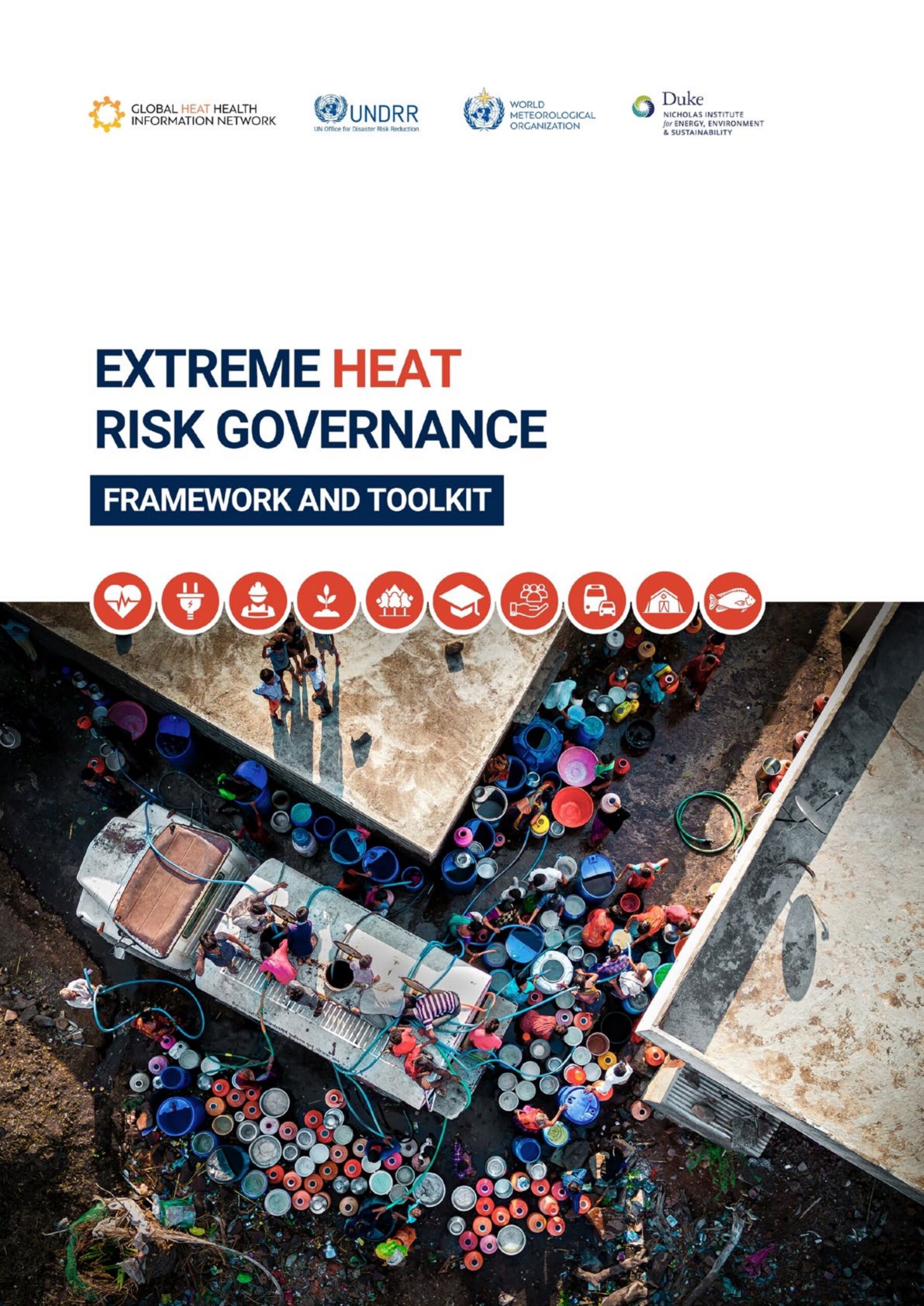
Extreme heat risk governance: Framework and toolkit
This report presents a comprehensive framework and toolkit to help governments and stakeholders manage extreme heat risk. It provides actionable guidance, a maturity assessment tool, and strategies to operationalise governance and develop effective heat action plans across multiple sectors and timescales.
Food systems and antimicrobial resistance: Impacts on food safety, animal production and trade
This report examines the impact of antimicrobial resistance in food systems on public health, animal production, and international trade. It highlights the role of food-borne pathogens and commensal bacteria in transmitting resistance, evaluates risk analysis models, and recommends enhanced surveillance, antimicrobial stewardship, and standardisation of global trade regulations.

Who is behind the nicotine industry in Europe? Leading players and their financiers
This research maps the key players in Europe's nicotine product industry and their financial backers. It examines ten companies, their supply chains, and specific nicotine-related financing. Findings reveal that major tobacco multinationals receive the vast majority of financing, predominantly from North American and European institutions.
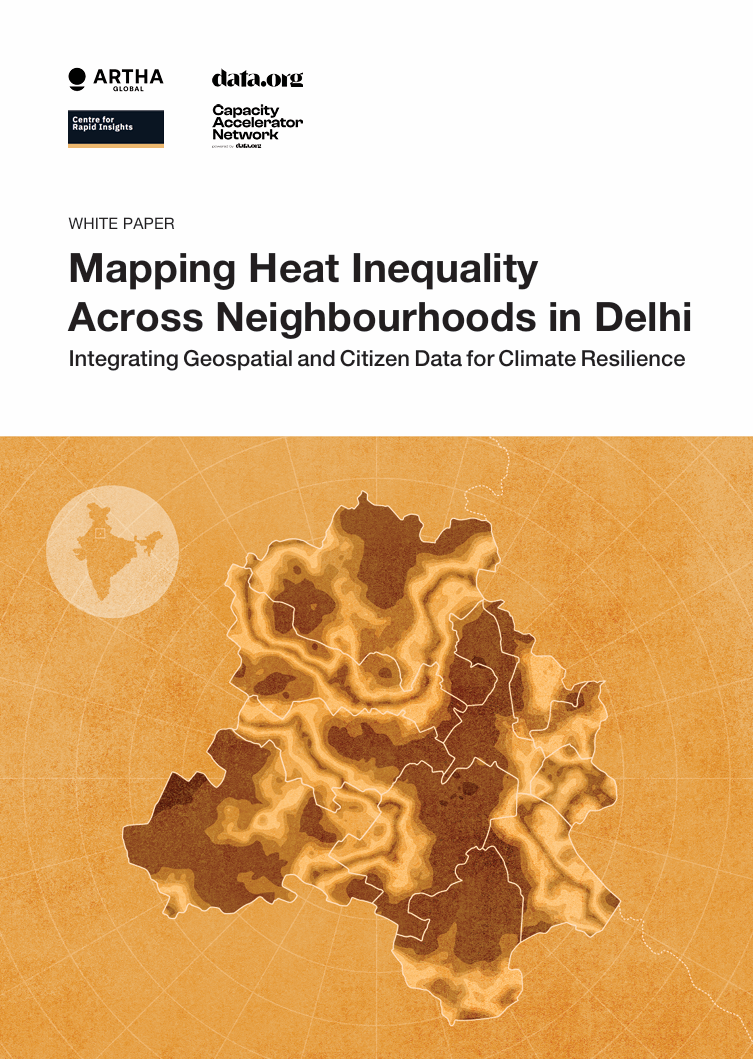
Mapping heat inequality across neighbourhoods in Delhi: Integrating geospatial and citizen data for climate resilience
Delhi heat vulnerability is shaped by neighbourhood density, limited green cover and unequal access to cooling. Using geospatial and household survey data, the report finds higher heat exposure increases illness, sleep disruption and productivity loss, while targeted greening, micro-level heat planning and energy-efficient cooling could improve urban climate resilience.
PFAS: From non-stick to stuck in court – Dashboard
The PFAS: From Non-stick to Stuck in Court Dashboard is an online tool developed by Planet Tracker to help investors assess PFAS litigation risk. It maps facility-level exposure across publicly listed companies, supporting ESG analysis, risk assessment and investment decisions related to environmental liabilities.
Exposing tobacco companies’ retail presence and highlighting regulatory options
The report outlines how tobacco companies use retailer incentives, targeted in-store marketing, and retailer lobbying to sustain product visibility and influence regulation. It reviews policy options, including retail licensing, outlet restrictions, and sales limitations, aimed at reducing tobacco availability and countering industry presence in retail settings.

Blocking a better world altogether: Rabobank’s bogus policy about animal welfare and sustainable agriculture
World Animal Protection argues Rabobank’s sustainability policies fail to match its financing practices, alleging continued support for companies linked to animal cruelty, deforestation and high emissions. The report urges stricter lending conditions, stronger monitoring and reduced investment in industrial livestock expansion to align with climate and animal welfare goals.
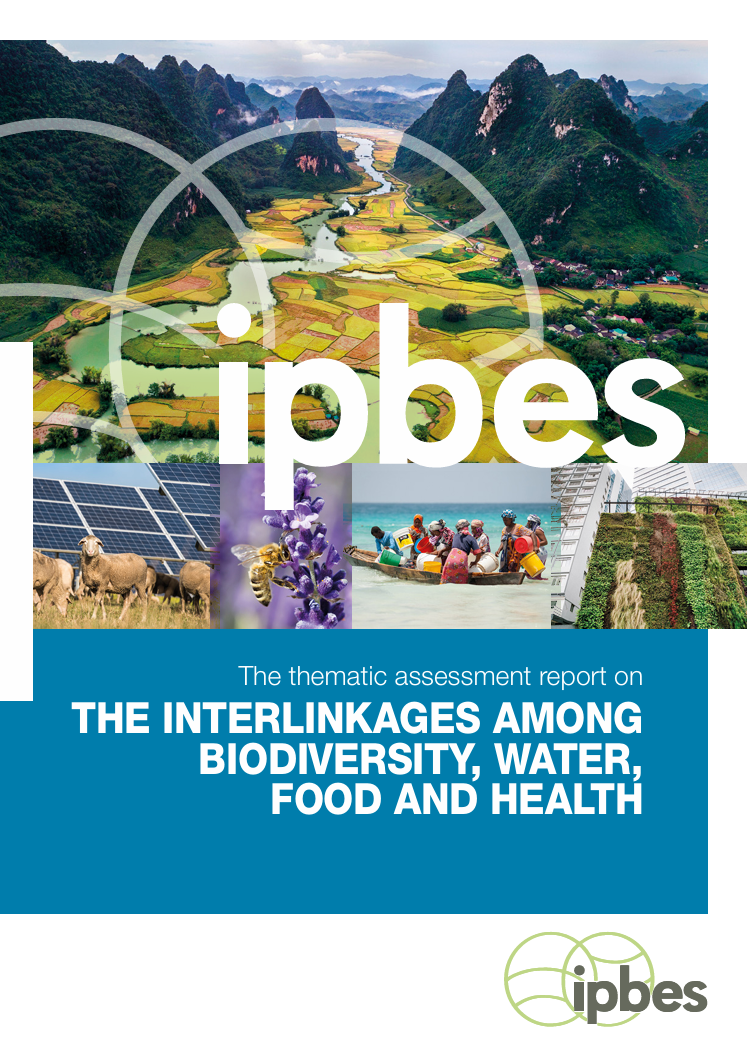
The thematic assessment report on the interlinkages among biodiversity, water, food and health
IPBES assesses links between biodiversity, water, food, health and climate, finding siloed decisions worsen trade-offs. It identifies integrated governance, sustainable consumption, ecosystem restoration and finance reform as response options to support more just and sustainable outcomes.
A Lens on the transition: Trends shaping the future economy: Sector in focus: Healthcare
Impax Asset Management reviews sustainability-driven trends shaping healthcare, highlighting AI-enabled productivity gains, regulatory pressures, and supply chain localisation. The report examines opportunities in healthcare equipment, life sciences and managed care, alongside risks from regulation, product liability, affordability concerns and geopolitical tensions.
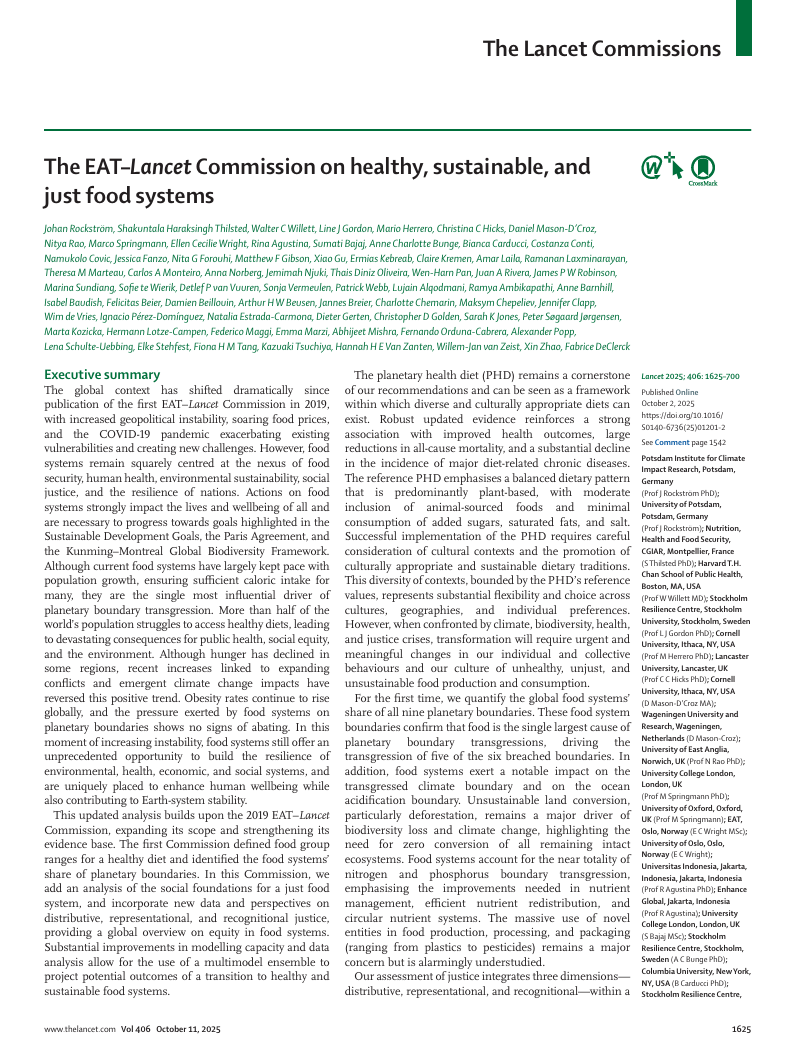
The EAT-Lancet Commission on healthy, sustainable, and just food systems
This report assesses how transforming global food systems can improve health, sustainability, and equity. It updates evidence on the planetary health diet, quantifies food systems’ pressures on planetary boundaries, and analyses justice in food access and production, recommending coordinated policy, dietary shifts, and sustainable agricultural practices to support healthy diets within environmental limits.
Thriving workplaces: How employers can improve productivity and change lives
World Economic Forum report examining how employer investment in employee health and well-being improves productivity, retention and economic value. It analyses global workforce health data, identifies demographic disparities in burn-out and holistic health, and proposes measurement frameworks and organisational strategies to build healthier, more productive workplaces.
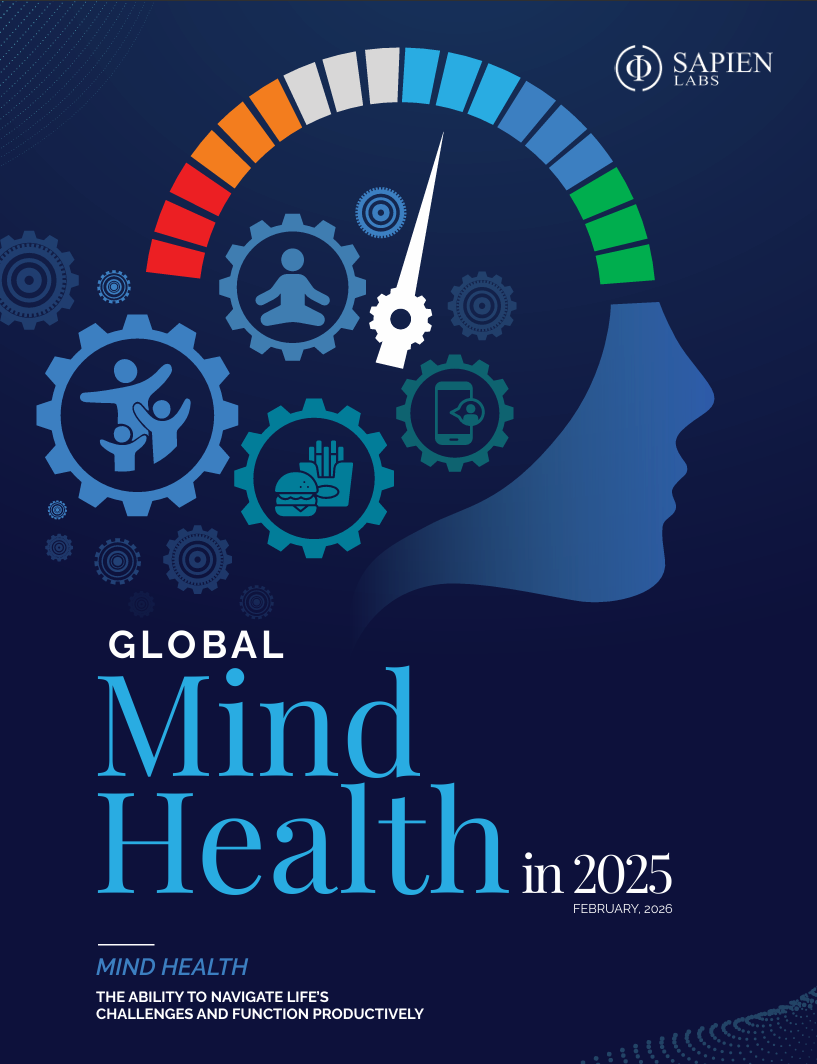
Mental state of the world report series
This benchmark series examines global trends in mind health using data from the Global Mind Project. It assesses people’s capacity to navigate life’s challenges and function productively using the Mind Health Quotient (MHQ), analysing generational, geographic, and societal factors influencing mental wellbeing across the internet-enabled global population.
Sapien Labs
Sapien Labs is a global non-profit research organisation founded in 2016 that studies the human brain and mind. Through initiatives such as the Global Mind Project, Sapien Labs collects large-scale data on mental health, environment and lifestyle to understand drivers of mind health and inform evidence-based approaches to mental wellbeing.
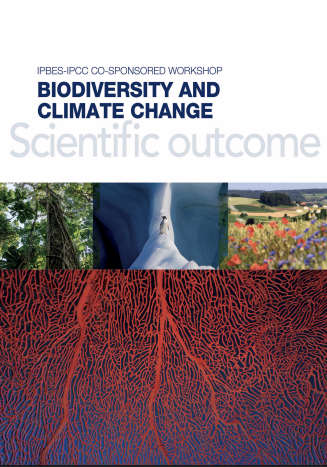
IPBES-IPCC co-sponsored Workshop: Biodiversity and climate change
This IPBES–IPCC workshop report examines interlinkages between biodiversity, climate change and society, identifying synergies, trade-offs and risks. It assesses mitigation and adaptation impacts on ecosystems and people, and outlines integrated, nature-based solutions to inform climate and biodiversity policy and governance.
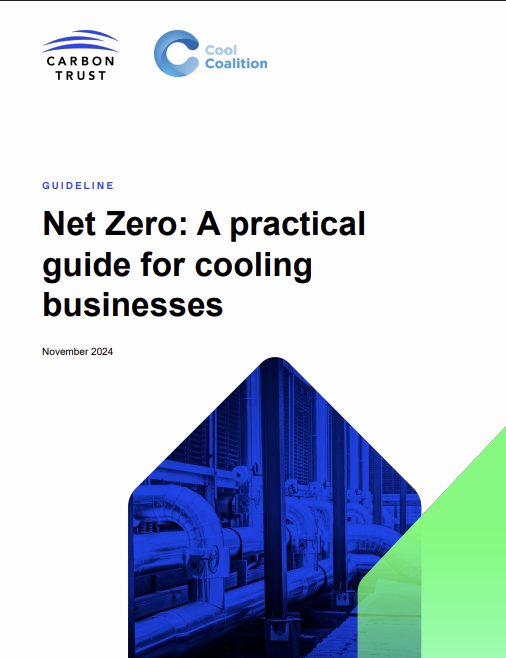
Net zero: A practical guide for cooling businesses
This guideline provides practical guidance for cooling manufacturers to achieve Net Zero by 2050, outlining emissions hotspots, regulatory drivers and decarbonisation levers across Scopes 1–3, with emphasis on efficiency, low-GWP refrigerants, value-chain collaboration and science-based targets.


