
Library | ESG issues
Inequality
Inequality refers to disparities in income, wealth, and access to essential services such as healthcare, education, and economic opportunities. While some progress has been made, inequalities persist and deepen for vulnerable populations, including refugees, migrants, Indigenous peoples, older persons, people with disabilities, and children. These disparities hinder sustainable development, threaten social stability, and limit economic growth. Addressing inequality requires inclusive policies, equitable access to resources, and protections against discrimination and social exclusion.
Team Altiorem recommends


Refine
246 results
REFINE
SHOW: 16



UNSW Centre for Social Impact
UNSW Centre for Social Impact (UNSW CSI) is a research and education centre focused on social impact, impact measurement, social investment and purpose-driven leadership. Based at UNSW Business School, it works with government, business, philanthropy and civil society to support evidence-based social and environmental outcomes.
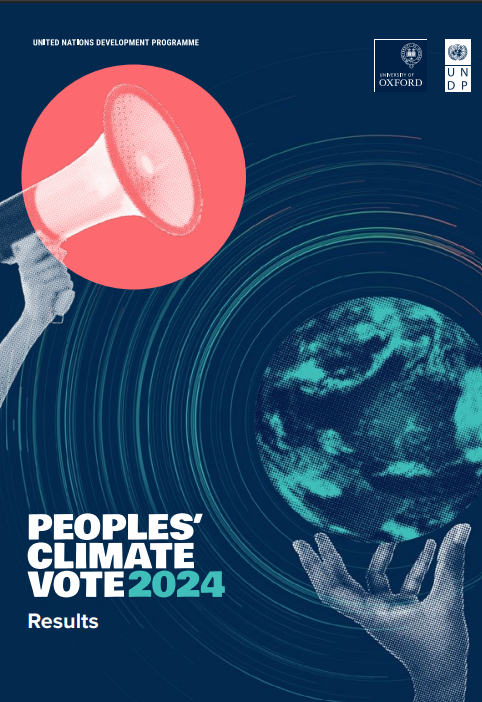
Peoples' climate vote series
The Peoples’ Climate Vote is a global survey series capturing public perspectives on climate change, policy priorities and collective action. Led by international institutions, it provides a consistent framework to understand how people experience climate impacts and how they expect governments, businesses and global actors to respond.

Climate fiduciaries: part II – the duty of even-handedness
This article explores the fiduciary duty of even-handedness and its implications for climate-aware pension fund investing, focusing on emerging legal challenges in Australia and Canada. It argues that unmanaged climate risk may breach trustees’ obligations to act equitably across generations, particularly where younger members bear disproportionate long-term harm.

Systems-informed stewardship part I: Reshaping sustainable and impact finance through systems thinking
This article introduces systems thinking and explains how it is reshaping sustainable and impact finance by addressing interconnected systemic risks like climate change and inequality. It outlines four emerging applications; from systemic risk management to systems-informed stewardship, highlighting the implications for investors’ roles, tools, and decision-making.
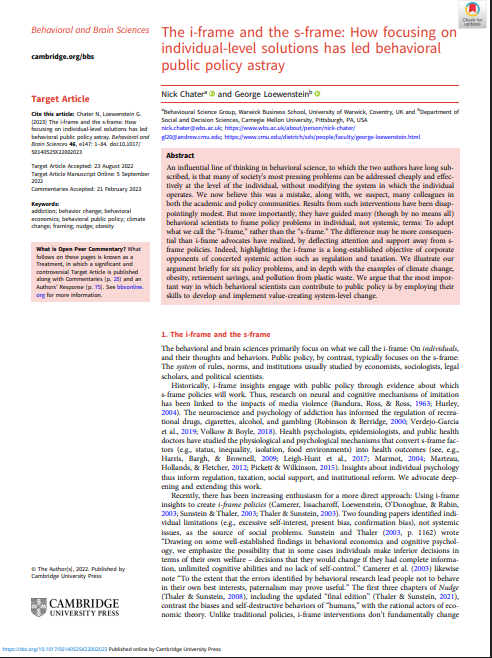
The i-frame and the s-frame: How focusing on individual-level solutions has led behavioral public policy astray
The report argues that behavioural public policy has over-emphasised individual-level (“i-frame”) solutions, often aligning with corporate interests and weakening systemic reform. It contends that structural (“s-frame”) interventions, alongside institutional changes in research and policy design, are necessary to address entrenched social and economic problems effectively.
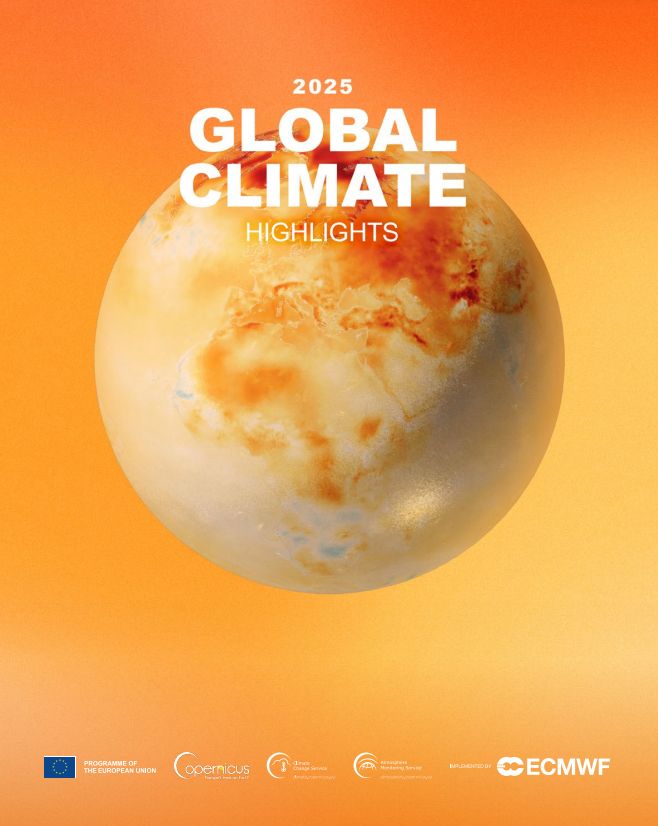
Global climate highlights series
This benchmark series provides a recurring, standardised overview of global climate conditions, produced using consistent observational and reanalysis datasets. It tracks changes across key climate indicators to support comparability over time and inform assessment of longer-term climate trends within a recognised reference framework.
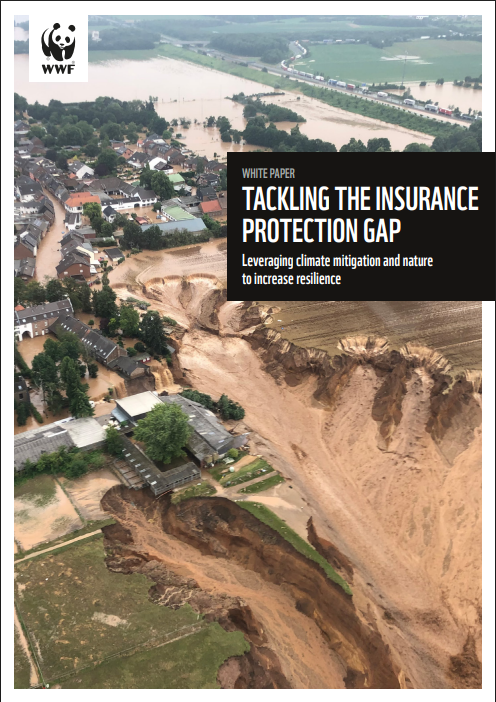
Tackling the insurance protection gap: Leveraging climate mitigation and nature to increase resilience
This white paper analyses how climate change and nature loss are widening insurance protection gaps in advanced economies. It outlines impacts on affordability and coverage, and recommends combining climate mitigation, nature-based solutions, and regulatory reforms to strengthen resilience and maintain insurability.
UN SDG Portal
The United Nations SDGs platform (sdgs.un.org) is an online hub for the 2030 Agenda and 17 Sustainable Development Goals, offering goals, targets, indicators, events, publications and global actions to track and support SDG implementation. It also includes registries of voluntary commitments and multi-stakeholder partnerships.
Engaging the ICT sector on human rights series
This is a series of sector-wide risk assessment briefings for the Information and Communications Technology (ICT) sector. It examines salient human rights issues linked to ICT business models and technologies, providing a consistent analytical framework to support investor assessment, engagement, and governance analysis across multiple thematic areas.
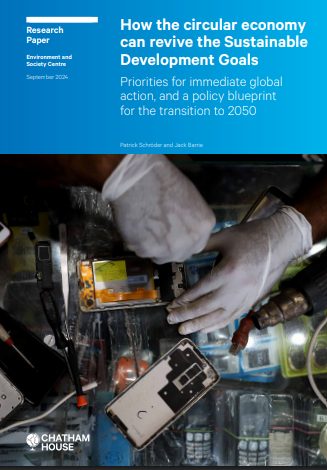
How the circular economy can revive the sustainable development goals: Priorities for immediate global action, and a policy blueprint for the transition to 2050
This report argues that embedding circular economy principles within the Sustainable Development Goals could revive stalled progress. It outlines five global policy priorities and proposes a 2050 blueprint linking circularity, inclusive growth, trade, finance and standards to post-2030 development agendas.
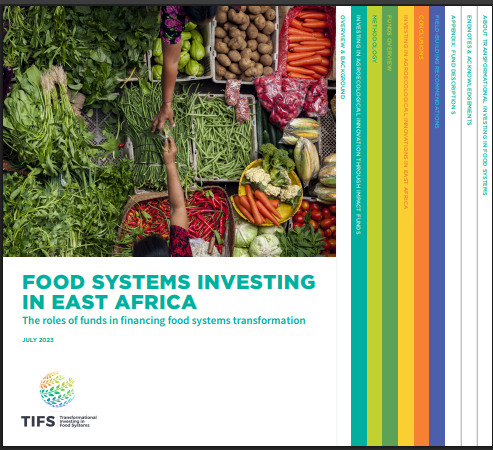
Food systems investing in East Africa: The roles of funds in financing food systems transformation
This report analyses 23 impact funds investing in East African food systems, assessing their design, impact alignment, and financing roles. It identifies gaps, good practices, and recommendations to strengthen agroecological and regenerative food systems investing.
New approaches and challenges regarding trade, climate action, and the WTO
The report analyses how WTO trade rules can support climate action. It assesses tools such as border carbon adjustments, standards, subsidies and technology policy, identifying legal gaps, development impacts and the need for coordinated reforms to align multilateral trade governance with climate objectives.
Defining climate finance justice: Critical geographies of justice amid financialized climate action
The article defines “climate finance justice” as a framework for analysing how financialised climate action shapes equity, power, and outcomes. It critiques climate finance mechanisms, including UNFCCC processes and voluntary carbon markets, and argues for justice-centred approaches that address historical responsibility, governance, and uneven impacts.
Time to plan for a future beyond 1.5 degrees
The report argues that limiting warming to 1.5°C is no longer realistic and may hinder preparedness. It calls for acknowledging higher warming scenarios, accelerating mitigation, and adopting disruptive policy, financial, and governance approaches to manage climate and nature risks in a likely 2°C-plus world.
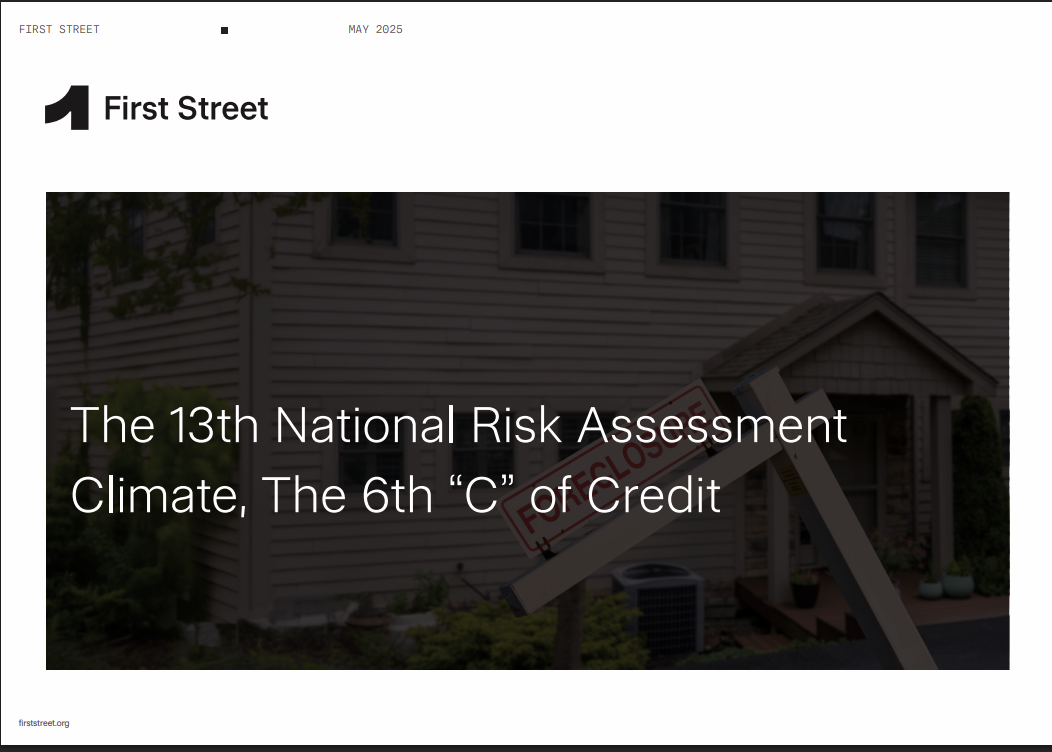
The 13th national risk assessment: Climate, the 6th “C” of credit
The report analyses US climate-driven mortgage risk, showing floods as the dominant driver of post-disaster foreclosures. Rising insurance costs, coverage gaps and falling property values create hidden credit losses. It argues climate risk should be treated as a sixth core credit assessment factor.
Germanwatch
Germanwatch is an independent development, environmental and human rights non-governmental organisation advocating sustainable global development based on social equity, ecological protection and economic stability. It influences climate, trade and corporate policy, produces research and indices like the Climate Change Performance Index, and promotes fair, equitable climate action globally.


