
Library | ESG issues
Inequality
Inequality refers to disparities in income, wealth, and access to essential services such as healthcare, education, and economic opportunities. While some progress has been made, inequalities persist and deepen for vulnerable populations, including refugees, migrants, Indigenous peoples, older persons, people with disabilities, and children. These disparities hinder sustainable development, threaten social stability, and limit economic growth. Addressing inequality requires inclusive policies, equitable access to resources, and protections against discrimination and social exclusion.
Team Altiorem recommends


Refine
246 results
REFINE
SHOW: 16


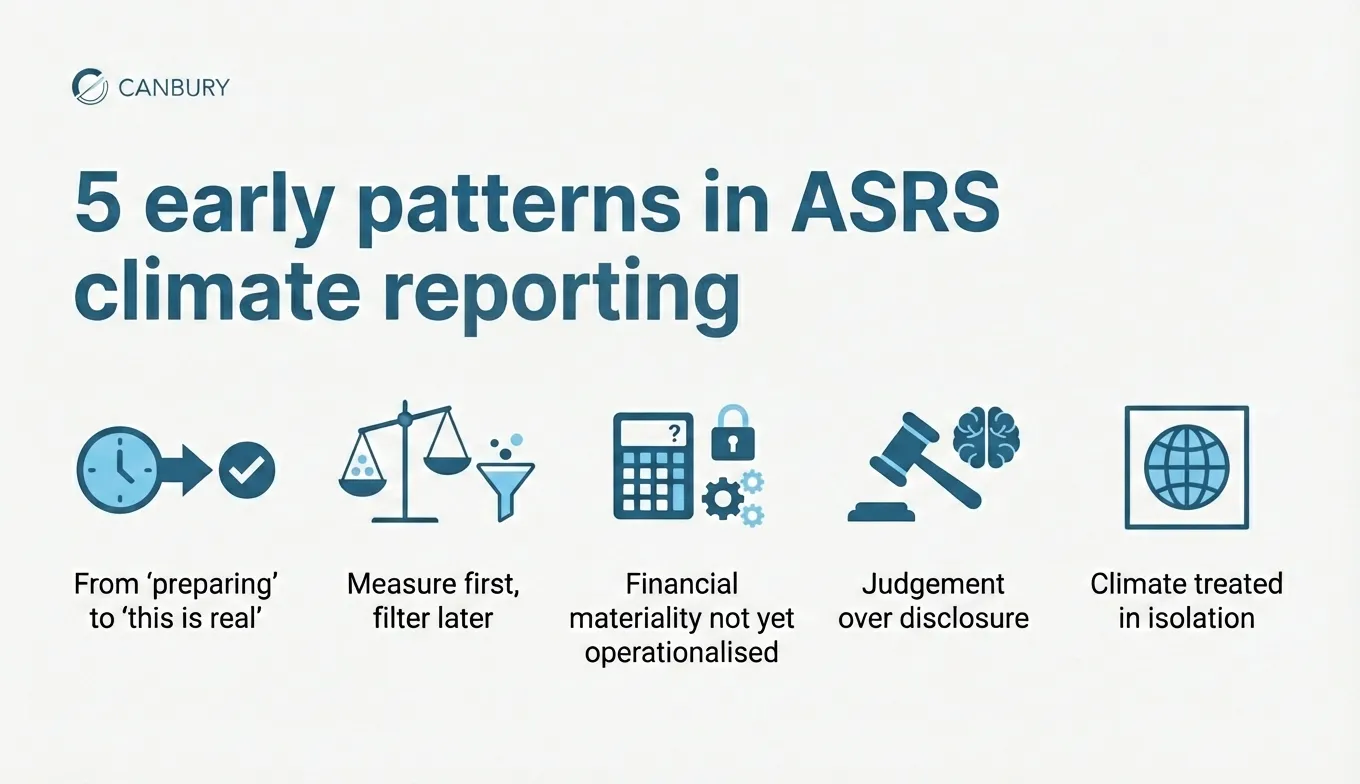
ASRS first year has landed: Here's what we’re seeing in the market
This article examines how Australian organisations are approaching the first year of mandatory ASRS climate disclosures. It highlights common implementation patterns, areas of misallocated effort, and emerging practices that prioritise financially material, decision-useful climate reporting.

The slow forces behind this year’s fast crises
The article argues that today’s rapid global crises (political, ecological, and social) are the visible outcomes of long-building systemic pressures. Using complexity science and systemic risk analysis, it highlights how understanding these deep drivers can help societies both anticipate crises and accelerate positive, transformative change.

Joseph Rowntree Foundation (JRF)
Joseph Rowntree Foundation (JRF) is a UK-based social change charity focused on tackling poverty and inequality. Through research, policy analysis and collaboration, JRF produces evidence, reports and data on housing, work, social security and living standards to inform policy and drive action towards a UK without poverty.
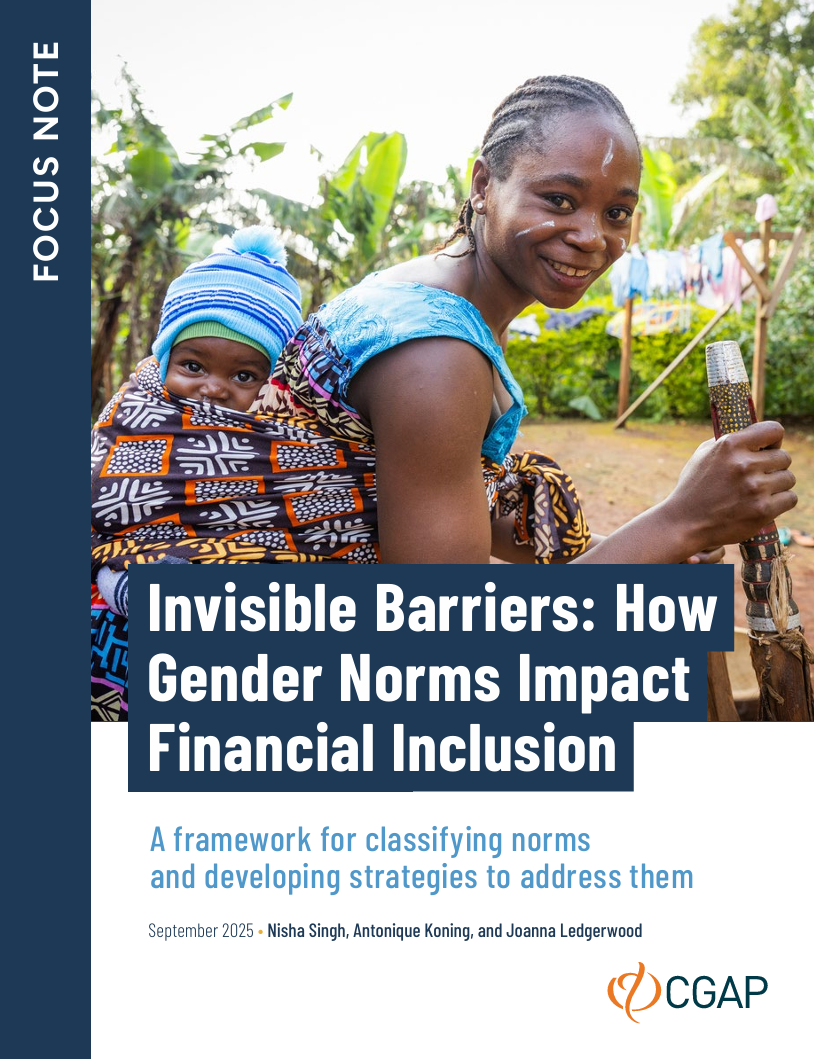
Invisible barriers: How gender norms impact financial inclusion A framework for classifying norms and developing strategies to address them
This CGAP Focus Note presents a framework classifying gender norms by strength and prevalence to address barriers to women’s financial inclusion. Drawing on diagnostics in Rwanda, Tanzania and Uganda, it outlines four intervention strategies for development and market actors to transform financial systems and advance women’s economic empowerment.
Unblocking climate and biodiversity finance: Global public investment for global missions
The report proposes integrating mission-oriented policy with Global Public Investment to unblock climate and biodiversity finance. It argues for predictable, equitable public funding, shared decision-making, reduced debt reliance, and reforms such as a Climate and Biodiversity Marshall Plan and redesigned debt-for-nature swaps.
Too-big-to-strand? Bond versus bank financing in the transition to a low-carbon economy
The paper shows bond markets price fossil fuel stranding risk, while syndicated bank loans do not. Firms substitute bonds with bank loans as climate policy risk rises, concentrating exposure in large banks and raising “too-big-to-strand” regulatory concerns.

Global Nation
Global Nation is an independent think-do tank advancing global cooperation and solidarity.
It produces research, policy analysis and convenings on geopolitics, climate, development and governance, supporting governments, multilateral institutions and civil society with practical insights, partnerships and evidence-based recommendations across regions and sectors worldwide, through collaboration and dialogue initiatives programmes.
It produces research, policy analysis and convenings on geopolitics, climate, development and governance, supporting governments, multilateral institutions and civil society with practical insights, partnerships and evidence-based recommendations across regions and sectors worldwide, through collaboration and dialogue initiatives programmes.

Systems-informed stewardship part II: Bringing a systems perspective to stewardship
This article applies a systems lens to stewardship, arguing that fragmented intermediation and entrenched short-term time horizons undermine sustainability outcomes. It calls for recognising these structural barriers as a critical step toward more effective, systems-informed stewardship.
Doughnut of social and planetary boundaries monitors a world out of balance series
This series presents the Doughnut Economics framework, which assesses economic progress by balancing social foundations with ecological limits. It provides a structured approach to understanding whether human activity meets essential needs while remaining within planetary boundaries, supporting analysis, comparison and application across global, national and local contexts.
Doughnut Economics Action Lab
Doughnut Economics Action Lab tools provide practical frameworks, guides, and interactive resources to apply Doughnut Economics in policy, business, and place-based contexts, supporting decision-making that balances social foundations with ecological limits through evidence-informed, adaptable methodologies.
Women’s equality in the workplace series
The Gender Equality Report & Ranking is an annual benchmark series, first launched in 2017, that assesses corporate gender equality across publicly listed companies using Equileap’s proprietary scorecard. It enables investors and finance professionals to compare company performance, monitor progress and incorporate gender equality considerations into investment analysis.
Advancing gender equality and women’s empowerment: Target setting guidance for banks
This guidance outlines how banks can set and implement measurable targets to advance gender equality and women’s empowerment across leadership, portfolios, financial inclusion and ecosystems, aligned with the Principles for Responsible Banking and Women’s Empowerment Principles.
Climate and catastrophe insight series
The Climate and Catastrophe Insight is an annual research series that provides a consistent global view of natural disaster activity and climate-related catastrophe trends. It examines impacts on people, assets and economies to support risk assessment, resilience planning and long-term decision-making.
Sustainable Finance Roundup January 2026: Geopolitics, Energy Transitions, and Systemic Risk
This month’s sustainable finance article roundup examines a landscape increasingly shaped by geopolitics and climate risk, as near-term fragmentation, energy security, and affordability pressures collide with intensifying long-term threats from climate change, biodiversity loss, and water stress. The works featured analyse how these dynamics are reshaping capital allocation, disclosure, and resilience planning, demonstrating the growing need for sustainable finance to integrate geopolitical risk with real-economy transition.
10 New insights in climate science series
The 10 New Insights in Climate Science is an annual series that synthesises recent peer-reviewed climate research across natural and social sciences. It provides a concise, policy-relevant overview of emerging scientific developments to inform decision-makers, practitioners, and stakeholders engaged in climate policy, finance, and governance.
Benchmarking impact: Australian impact investor insights activity and performance series
Benchmarking Impact is a benchmark series that provides a structured, recurring assessment of Australia’s impact investing market. It examines investor activity, market practices, and product development to support comparability over time and inform understanding of how impact investing is evolving across the financial system.


