
Library | ESG issues
Inequality
Inequality refers to disparities in income, wealth, and access to essential services such as healthcare, education, and economic opportunities. While some progress has been made, inequalities persist and deepen for vulnerable populations, including refugees, migrants, Indigenous peoples, older persons, people with disabilities, and children. These disparities hinder sustainable development, threaten social stability, and limit economic growth. Addressing inequality requires inclusive policies, equitable access to resources, and protections against discrimination and social exclusion.
Team Altiorem recommends


Refine
246 results
REFINE
SHOW: 16


Equity in principle, misalignment in practice: Adaptation finance governance in the adaptation fund and green climate fund
The report argues that adaptation finance through the Adaptation Fund and Green Climate Fund formally prioritises equity, vulnerability and country ownership, but remains constrained by voluntary funding, access barriers and project-based delivery, limiting alignment with Global South priorities.
SAIL: Systems Aware Investing Launchpad
SAIL (Systems Aware Investing Launchpad) is an AI-enhanced platform developed by TIIP to support institutional investors in implementing system-level investing strategies. It provides tools for strategy development, benchmarking, reporting and collaboration, helping users assess and manage systemic environmental, social and financial risks.
2026 Living Wage Dataset
The 2026 Living Wage Dataset by Valuing Impact is a free global database covering 217 countries and eight household scenarios. It uses the Anker and Anker methodology with updated cost-of-living data to estimate living wages for urban and rural households, supporting sustainability, labour practice and supply chain analysis.
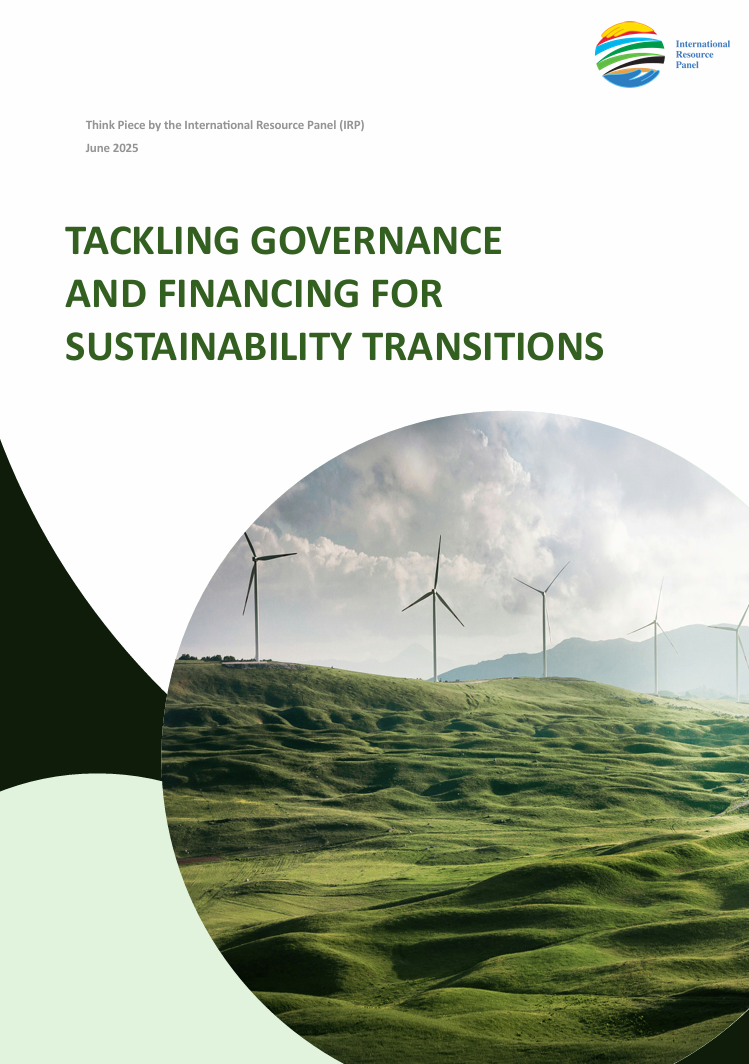
Tackling governance and financing for sustainability transitions
The report argues current financial systems misallocate capital towards resource-intensive activities, hindering sustainability transitions. It recommends policy, governance and financial reforms to redirect investment towards resource efficiency, low-carbon development and equitable transition pathways, particularly in resource-dependent economies.
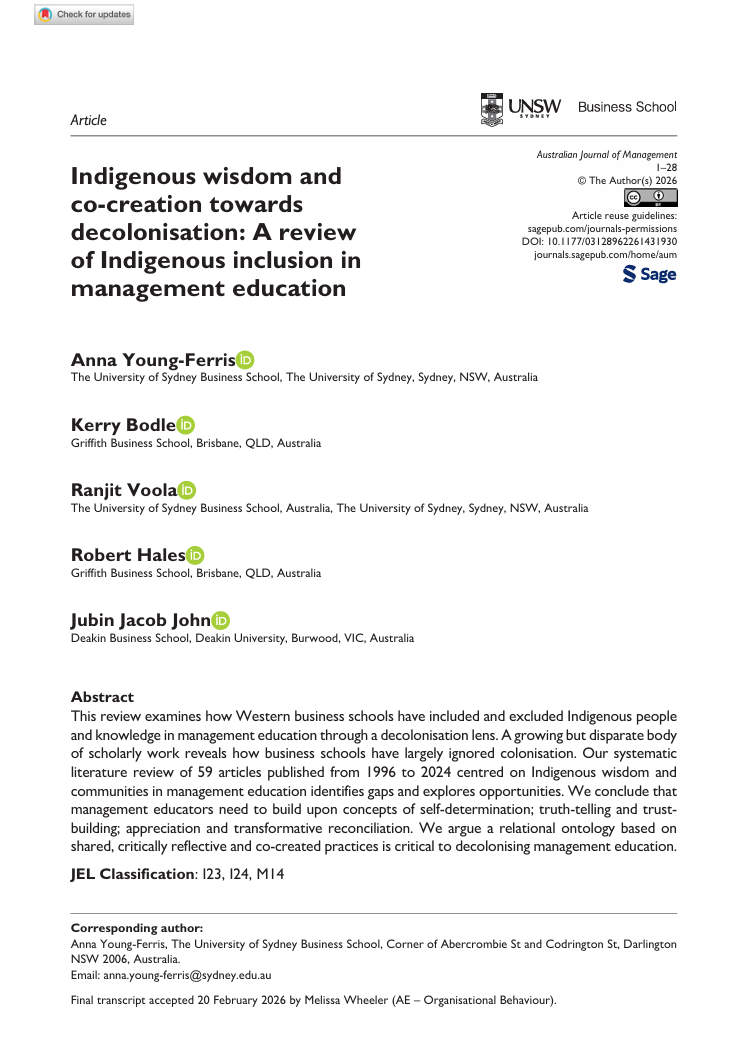
Indigenous wisdom and co-creation towards decolonisation: A review of Indigenous inclusion in management education
This review finds Western business schools have often excluded Indigenous knowledge, and argues decolonising management education requires Indigenous self-determination, truth-telling, trust-building, co-created curricula and relational pedagogies grounded in Indigenous wisdom and communities.
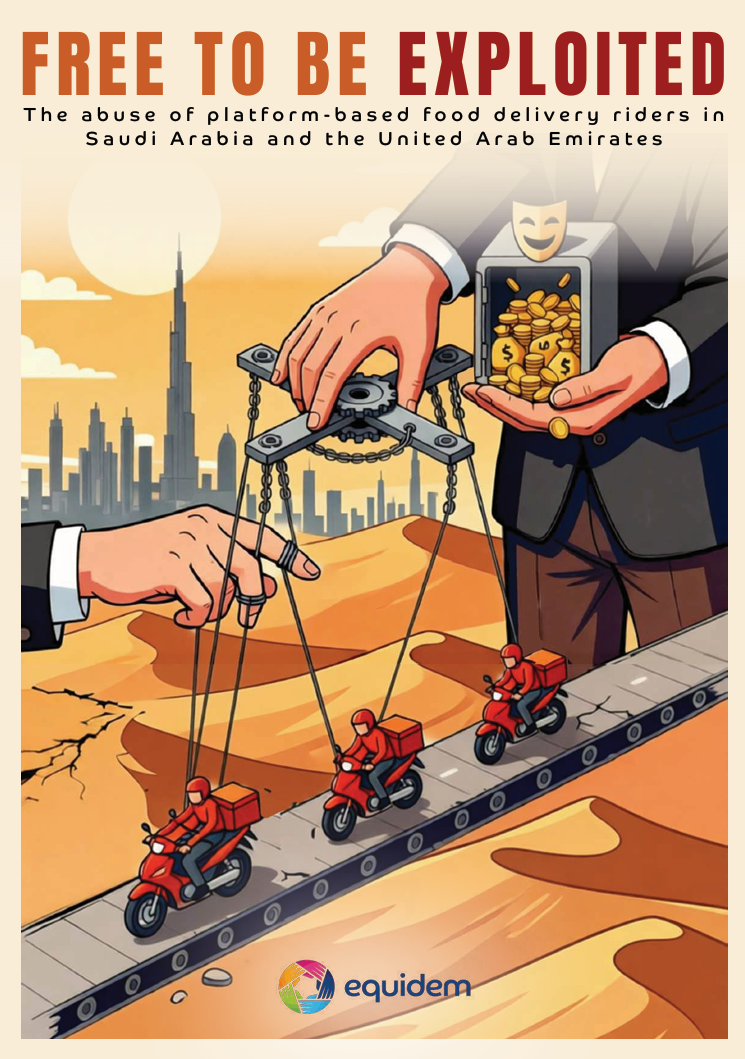
Free to be exploited: The abuse of platform-based food delivery riders in Saudi Arabia and the UAE
Report finds migrant delivery riders in Saudi Arabia and UAE face systemic exploitation via third-party logistics, including coercive employment, wage abuses, unsafe conditions, and restricted mobility. Weak enforcement and outsourcing obscure accountability. Recommends stronger regulation, corporate oversight, and international labour standards.
Our Watch: Change the story and key frameworks
Change the Story is an evidence-based national framework developed by Our Watch to guide the primary prevention of violence against women in Australia. It examines social, economic and cultural drivers of gender inequality and outlines coordinated actions across institutions and communities to address these underlying causes.

Our Watch
Our Watch is an Australian not-for-profit organisation leading primary prevention of violence against women and children. It promotes gender equality through research, frameworks, education and workplace programmes. Initiatives such as “Change the Story” support policy and practice change, helping organisations address drivers of gender-based violence across communities, workplaces and institutions.
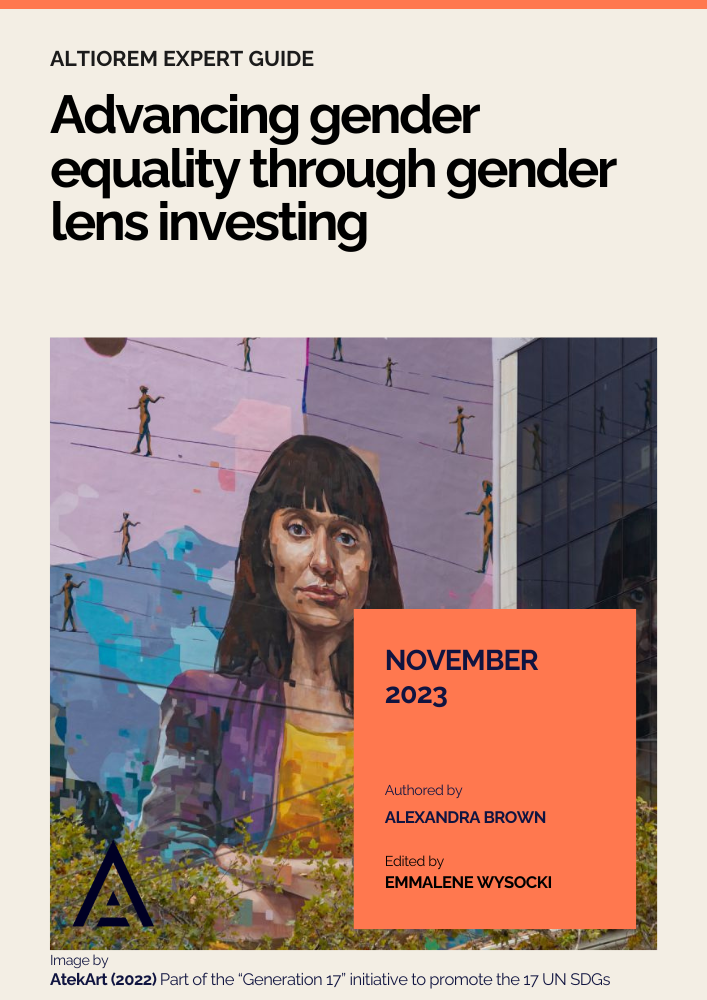
Advancing gender equality through gender lens investing
Examines gender lens investing as an approach integrating gender analysis into investment decisions to promote equality and returns. Outlines strategies, benefits, challenges, and case studies, linking to SDGs and emphasising measurement, engagement, and diverse investment practices.
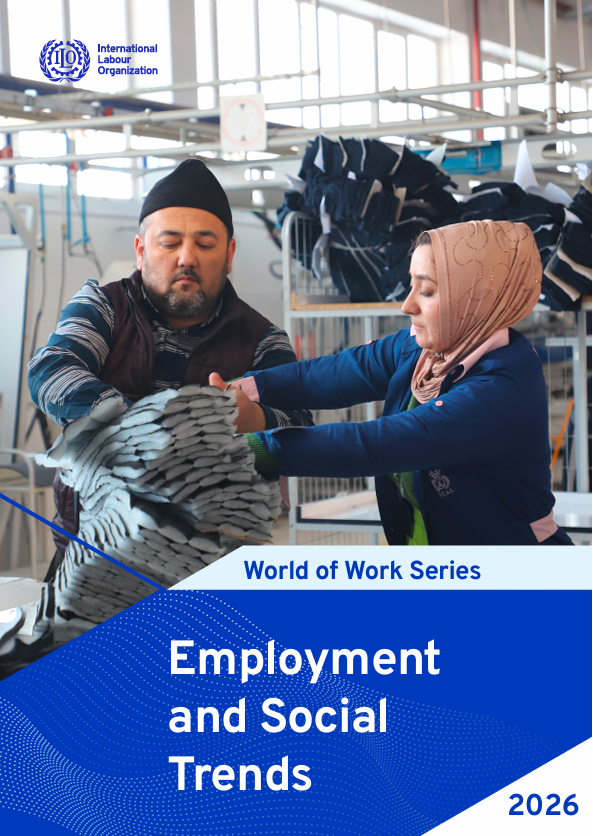
World of work series: Employment and social trends
Global labour markets remain resilient amid uncertainty, but decent work deficits persist. Informality, working poverty and gender gaps remain widespread, especially in low-income countries. Productivity growth is weak, and demographic shifts and AI add risks. Economic growth alone is insufficient to improve employment quality or social outcomes.
Sustainable Finance Roundup March 2026: Markets, Climate Risk, and the Transition in Practice
This month’s sustainability roundup captures a shift from framework development to real-world application, where climate and nature risks are increasingly embedded across financial systems, legal accountability, and decision-making. It highlights how intensifying physical climate signals, evolving disclosures, and maturing litigation are converging with insights on sovereign risk, energy systems, and corporate strategy. Together, these developments show how sustainability is moving beyond principle—being tested, priced, and enforced across markets, regulation, and the real economy.
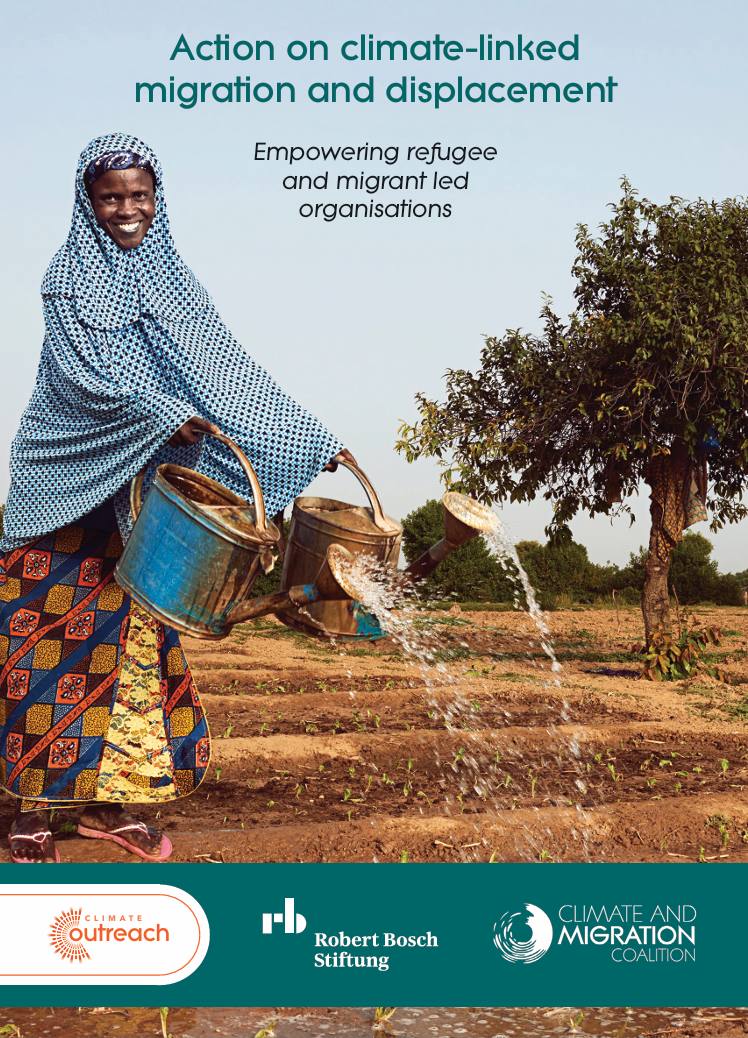
Action on climate-linked migration and displacement: Empowering refugee and migrant led organisations
Analyses climate-linked migration, highlighting impacts on displacement patterns and vulnerabilities. Evaluates roles, motivations and barriers for refugee- and migrant-led organisations, and proposes funding and policy interventions to strengthen their engagement in climate advocacy and support adaptive, rights-based responses.
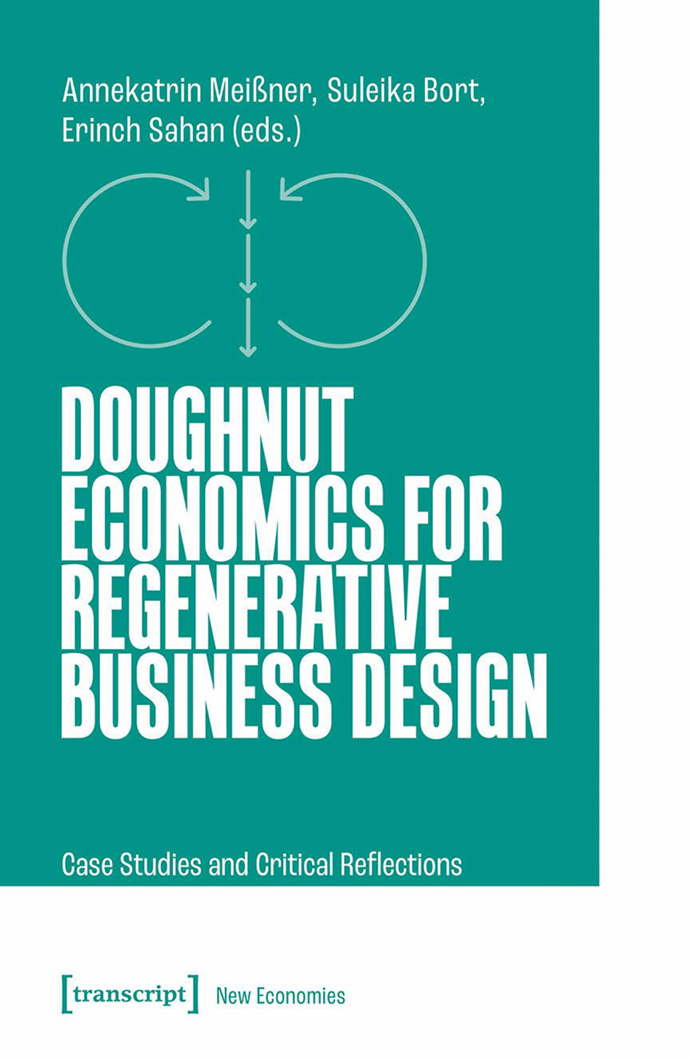
Doughnut economics for regenerative business design
An edited volume applying Doughnut Economics to business design, using case studies and critical reflections to examine how purpose, networks, governance, ownership and finance can support regenerative and distributive business models. It focuses on redesigning firms to operate within ecological and social limits.

You Built This
This article argues that modern investment strategies fuel economic extraction while often underperforming simpler alternatives. It calls on investors to realign portfolios with productive, community-oriented investments that generate real economic and social value.
Resourcing the solidarity economy: Insights on building community power through reorganising wealth
This report examines how solidarity economy organisations can be resourced through wealth redistribution, arguing they are underfunded, misrecognised and poorly served by conventional investment models. It recommends reparative, community-led financing and ecosystem support rather than profit-focused, repayable finance.
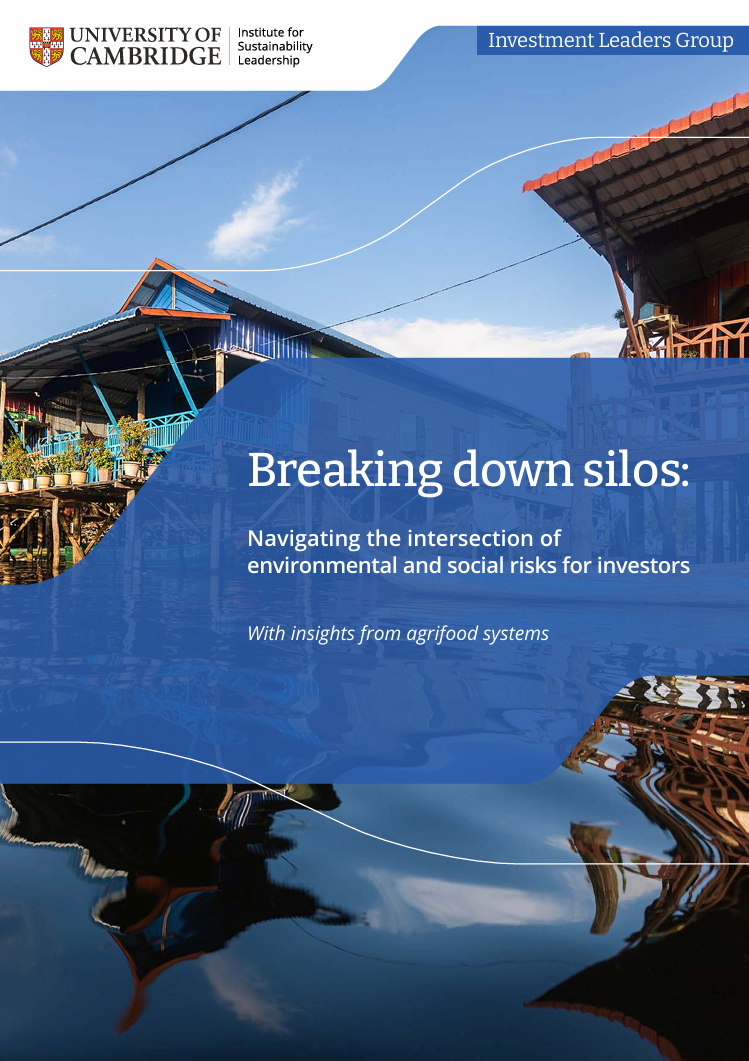
Breaking down silos: Navigating the intersection of environmental and social risks for investors
Examines how environmental and social risks interact to create compounding financial impacts for investors. Presents a systems-based framework and agrifood case study illustrating portfolio volatility, credit risk and supply disruptions. Recommends integrated risk assessment, value-chain finance, stewardship and blended finance to strengthen portfolio resilience.


