
Library | ESG issues
Public Policy
Public policy refers to the actions and decisions taken by governments to address societal issues through laws, regulations, and funding priorities. It shapes the business environment by influencing regulatory requirements, market conditions, and corporate responsibilities. Policies related to taxation, labour laws, environmental regulations, and trade agreements can impact business operations, costs, and investment strategies.
Team Altiorem recommends

Refine
484 results
REFINE
SHOW: 16


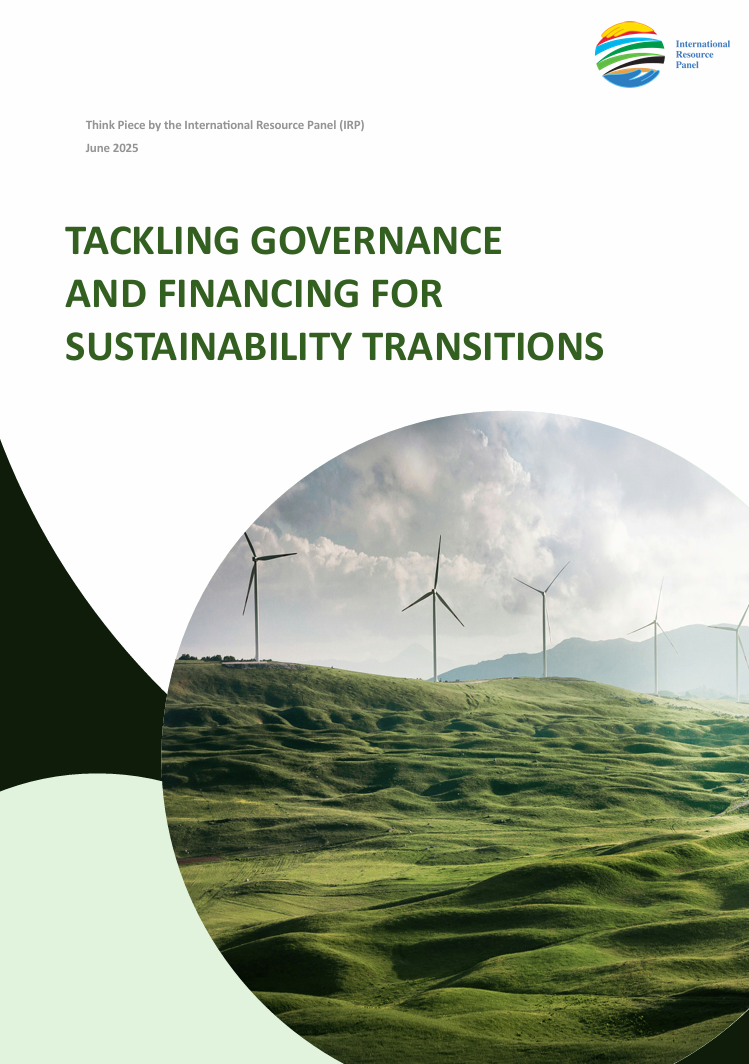
Tackling governance and financing for sustainability transitions
The report argues current financial systems misallocate capital towards resource-intensive activities, hindering sustainability transitions. It recommends policy, governance and financial reforms to redirect investment towards resource efficiency, low-carbon development and equitable transition pathways, particularly in resource-dependent economies.
The case for pricing pollution: Reducing emissions, strengthening the economy, and delivering a fair share for Australians
The report argues Australia should introduce a Polluter Pays Levy and Fair Share Levy to cut emissions, raise revenue, compensate households, improve productivity, and secure fairer returns from fossil fuel resources.
Oxford climate policy monitor: 2025 annual review
Assesses climate policies across 37 jurisdictions and six domains, finding overall strengthening despite political pressures, but slow implementation. Highlights rising policy leadership in developing regions and persistent gaps in ambition and execution relative to Paris Agreement targets.
Untapped potential: Asset owners and climate policy influence
Assesses major asset owners’ influence on climate policy, finding limited stewardship and advocacy despite significant potential. Most score poorly on climate lobbying oversight and transparency, with few aligning engagement to net zero goals. Highlights gaps in managing asset managers and industry associations, and calls for stronger, coordinated policy engagement.
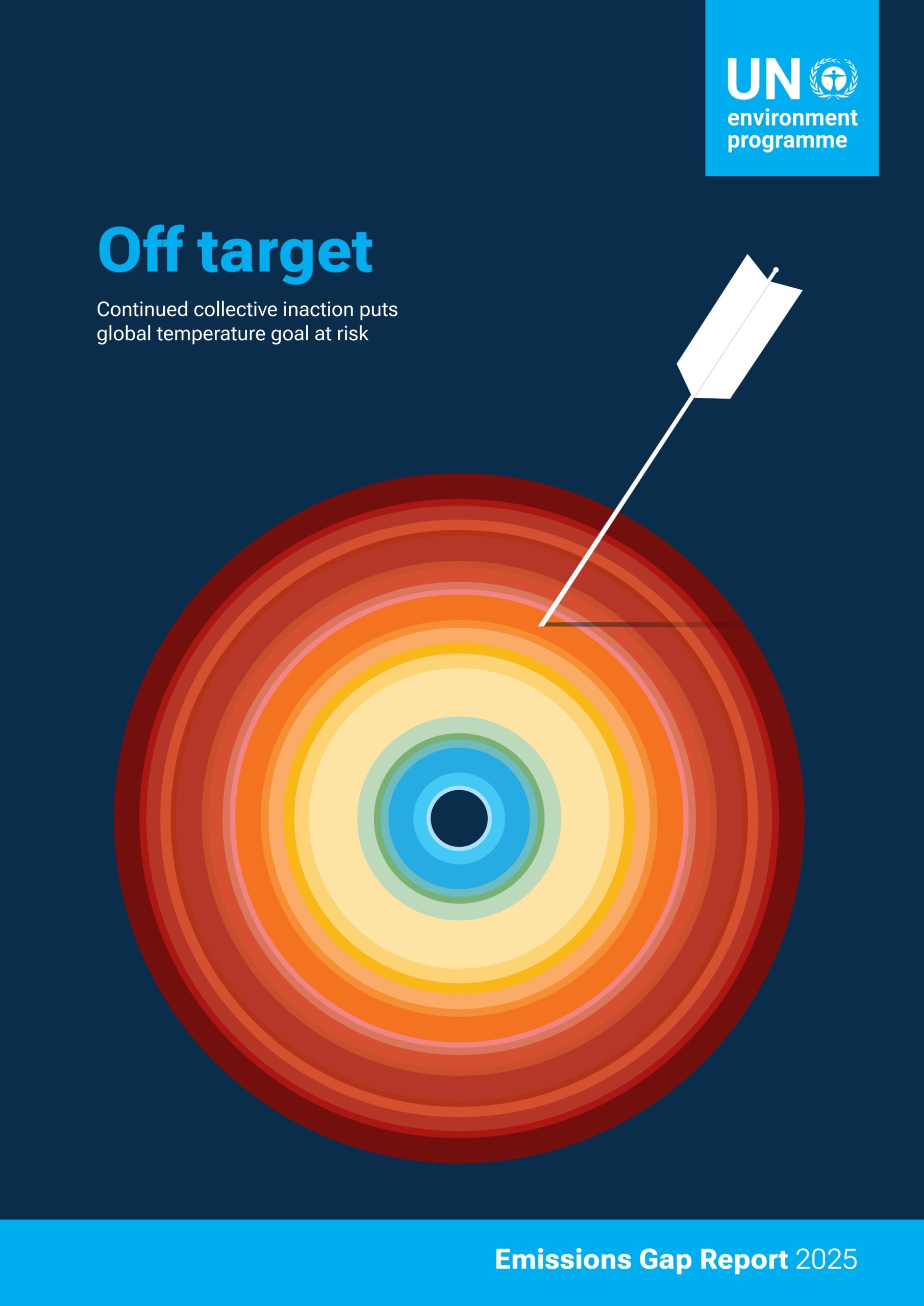
Emissions gap report series
UNEP's annual assessment of the gap between countries' climate pledges and emission reductions needed to meet the Paris Agreement's temperature goals, with 2025 focus on new NDCs and 2035 targets.

The slow forces behind this year’s fast crises
The article argues that today’s rapid global crises (political, ecological, and social) are the visible outcomes of long-building systemic pressures. Using complexity science and systemic risk analysis, it highlights how understanding these deep drivers can help societies both anticipate crises and accelerate positive, transformative change.
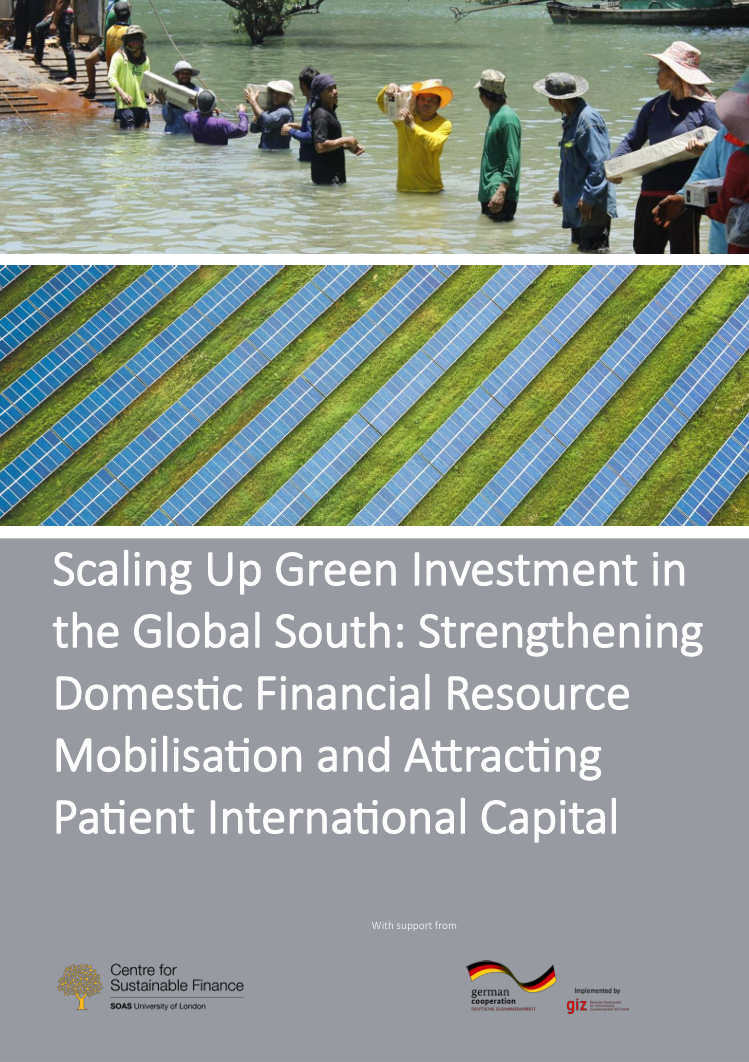
Scaling up green investment in the global south: Strengthening domestic financial resource mobilisation and attracting patient international capital
This report examines why capital flows ‘uphill’ from emerging and developing economies and argues that scaling green investment requires stronger domestic financial resource mobilisation. It recommends developing local currency bond markets, empowering national development banks, reforming multilateral development banks, and establishing a climate finance facility to attract patient international capital.
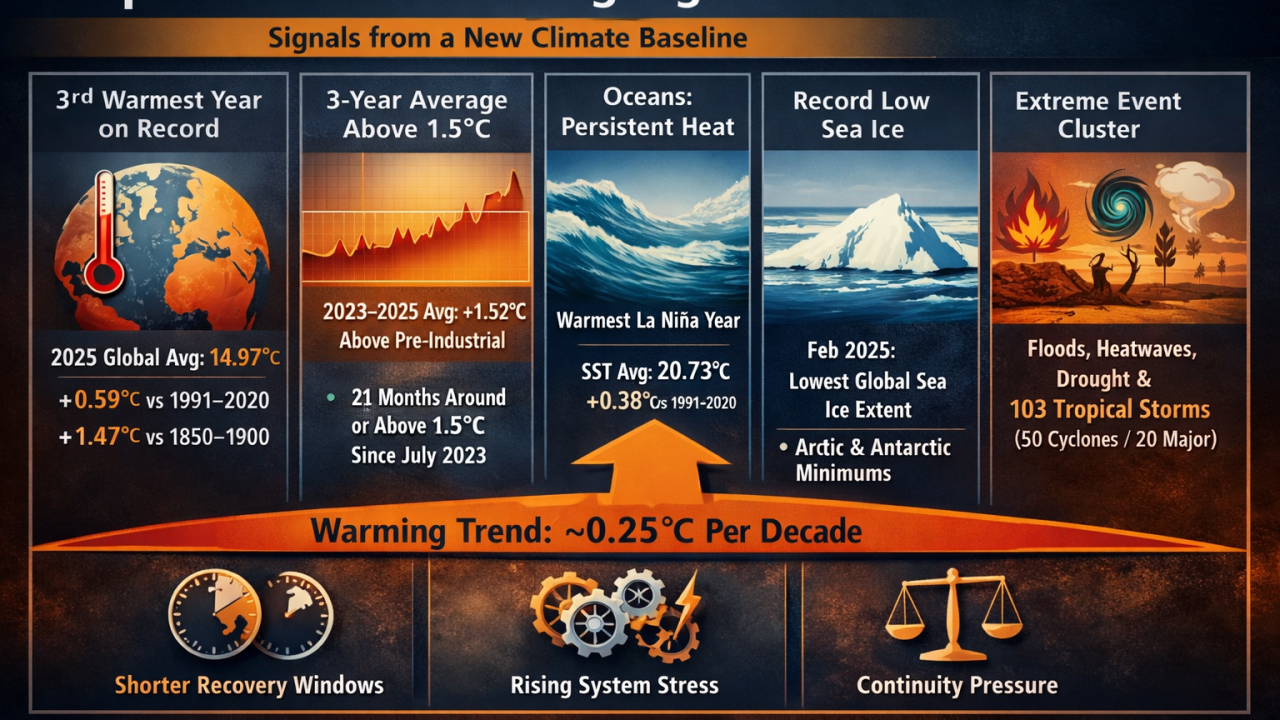
PerilScope: Strategic Deep Dive Copernicus Global Climate Highlights 2025 — From Records to Operating Conditions in the 3°C World SRP® Frame
The article interprets Copernicus’s Global Climate Highlights 2025 as a shift from episodic extremes to a structurally warmer, more volatile baseline. It argues that persistent temperature exceedances, ocean heat, cryosphere decline, and overlapping hazards demand a move from climate risk awareness to disciplined adaptation and continuity planning.
The production gap series
This benchmark series examines the gap between governments’ planned fossil fuel production and pathways consistent with international climate goals. It assesses alignment with temperature limits by reviewing national production plans and policy signals, providing a consistent framework to track progress and comparability across editions.
Sustainable finance progress tracker series
Annual progress report assessing Australia's sustainable finance agenda across 26 priority actions in eight domains under the 2025-2027 Sustainable Finance Action Plan.
Unblocking climate and biodiversity finance: Global public investment for global missions
The report proposes integrating mission-oriented policy with Global Public Investment to unblock climate and biodiversity finance. It argues for predictable, equitable public funding, shared decision-making, reduced debt reliance, and reforms such as a Climate and Biodiversity Marshall Plan and redesigned debt-for-nature swaps.
IPBES-IPCC co-sponsored Workshop: Biodiversity and climate change
This IPBES–IPCC workshop report examines interlinkages between biodiversity, climate change and society, identifying synergies, trade-offs and risks. It assesses mitigation and adaptation impacts on ecosystems and people, and outlines integrated, nature-based solutions to inform climate and biodiversity policy and governance.
Energy and AI
The IEA’s Energy and AI report examines AI’s rising electricity demand and its capacity to improve energy efficiency, security and innovation. It assesses data centres, grids and end-uses, highlighting skills, infrastructure and policy needs to manage costs, emissions and resilience globally.

Global Nation
Global Nation is an independent think-do tank advancing global cooperation and solidarity.
It produces research, policy analysis and convenings on geopolitics, climate, development and governance, supporting governments, multilateral institutions and civil society with practical insights, partnerships and evidence-based recommendations across regions and sectors worldwide, through collaboration and dialogue initiatives programmes.
It produces research, policy analysis and convenings on geopolitics, climate, development and governance, supporting governments, multilateral institutions and civil society with practical insights, partnerships and evidence-based recommendations across regions and sectors worldwide, through collaboration and dialogue initiatives programmes.
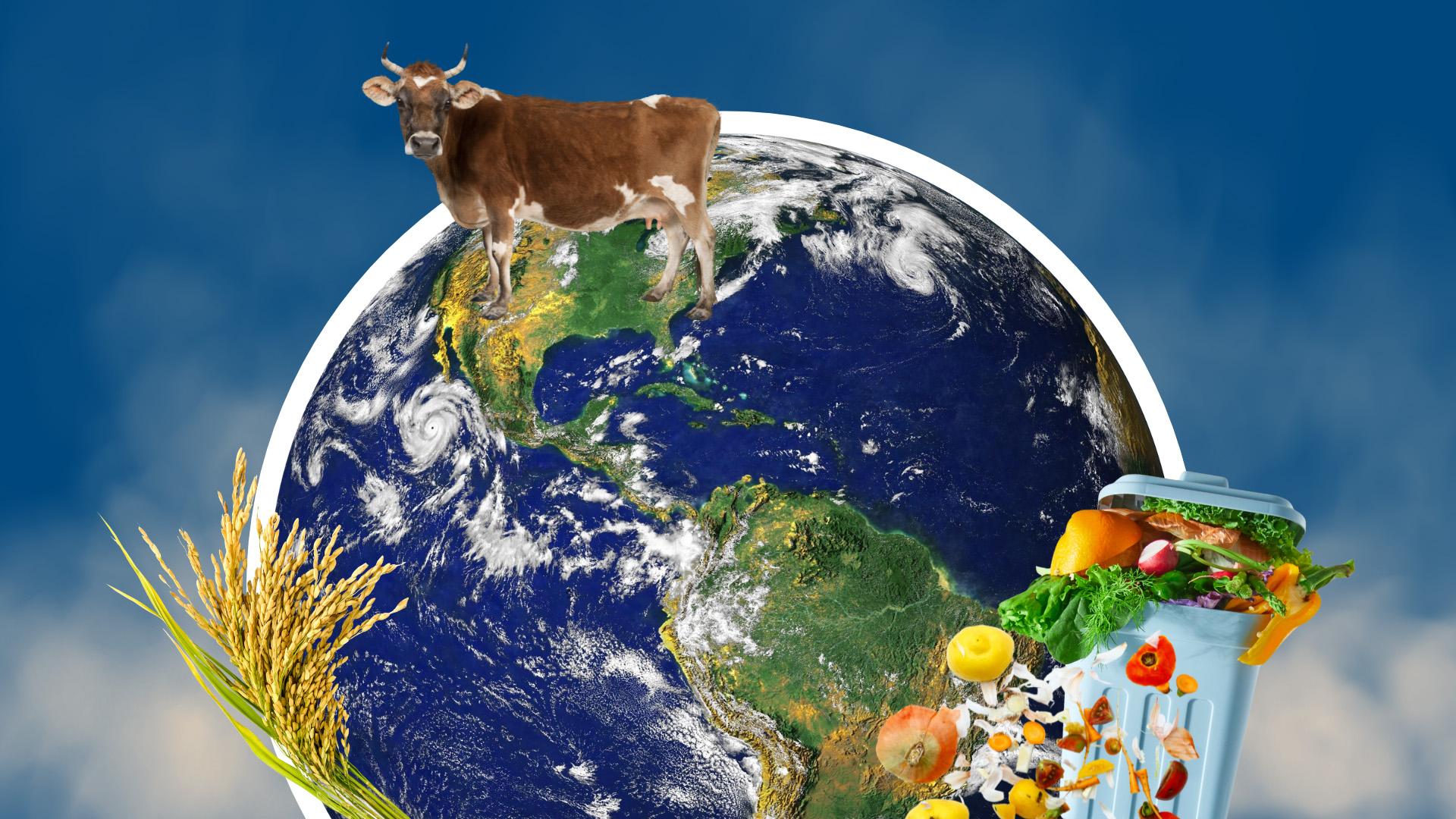
We can’t ignore the largest source of methane
This article argues the global food system is the largest source of human-caused methane and deserves far more policy and funding attention. It maps key emission “hot spots”—ruminant livestock, food waste in landfills, biomass burning, and flooded rice fields—and outlines practical mitigation options from dietary shifts to landfill capture and improved rice management.
State of the sovereign transition series
An assessment of 85 countries against the ASCOR framework, evaluating sovereign climate performance across emissions pathways, climate policies, and finance to inform investor decision-making and engagement.


