
Library | ESG issues
Social
The social pillar in ESG (environmental, social, and governance) assesses a organisation’s impact on people and society. It covers labour practices, diversity and inclusion, human rights and community engagement. Prioritising social responsibility not only benefits society but also mitigates risks, strengthens reputation, and creates long-term value for businesses and investors.
Refine
1331 results
REFINE
SHOW: 16


Social performance measurement: Practical insights and tips for financial institutions
This report by Shift distils insights from practitioner clinics for financial institutions on social performance measurement. It identifies key challenges and misperceptions, and provides eight practical tips for building more effective human rights due diligence measurement approaches, covering HRDD maturity assessment, theory of change, and quantification at scale.
Responsible AI in practice: 2025 global insights from the AI Company Data initiative
This report analyses publicly disclosed data from 2,972 companies across 11 sectors, revealing a significant gap between AI adoption and governance maturity. Only 13 per cent align their strategy with a formal framework, and few demonstrate adequate worker protections, ethical impact assessments, or training data oversight.
Weapons, dual use tech and financial institutions
This Shift briefing examines how financial institutions should approach human rights due diligence in relation to weapons and dual-use technologies. It identifies four key challenges, six anchors grounded in international humanitarian law, and six practical approaches to support responsible defence-related lending and investment decisions.
SIPRI Military Expenditure Database
SIPRI's open-access database providing annual military expenditure data for countries worldwide from 1949 to 2025, across multiple metrics.
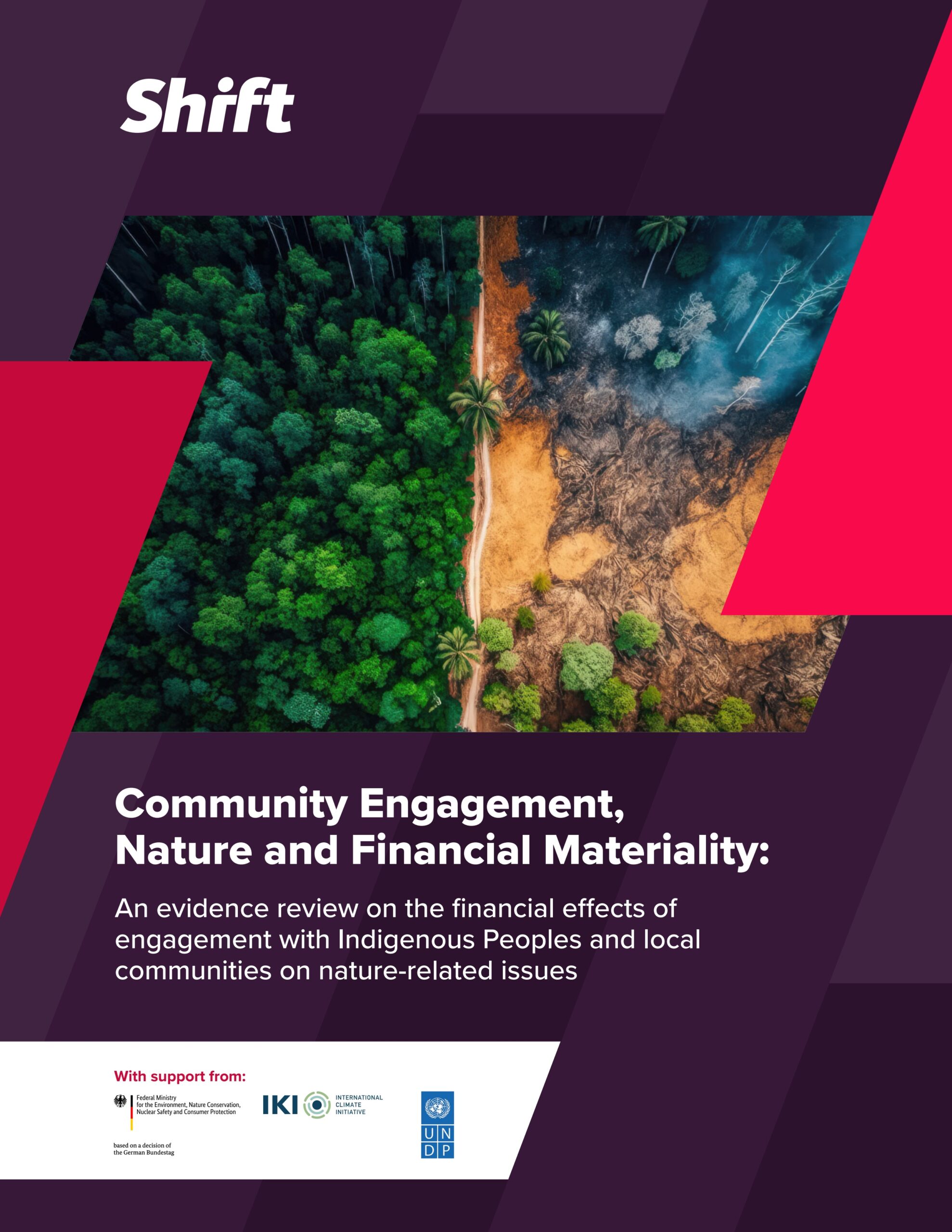
Community engagement, nature and financial materiality: An evidence review on the financial effects of engagement with indigenous peoples and local communities on nature-related issues
This Shift report reviews the financial effects of corporate engagement with Indigenous Peoples and local communities on nature-related issues. Drawing on over 1,200 cases and approximately 40 publications, it finds that engagement quality is financially material, with poor engagement linked to significant operational, legal, and reputational costs.
Labor market effects of California's $20 fast-food minimum wage
This NBER working paper examines the labour market effects of California's AB 1228, which raised the fast-food minimum wage to $20 per hour in April 2024. Across 32 QCEW and QWI specifications, wages rose by roughly 7 per cent with an own-wage elasticity of employment ranging from −0.29 to +0.26, indicating modest to no disemployment.
Ranking digital rights: The 2025 big tech edition
The 2025 RDR Index Big Tech Edition ranks 14 major technology companies on governance, freedom of expression, and privacy. Microsoft leads overall with 50%, followed by Alphabet at 49% and Meta at 47%. Scores are also assessed across eight thematic lenses, including algorithmic transparency, security, and targeted advertising.
Ranking digital rights: The 2026 Telco giants edition
Ranking Digital Rights' 2026 Telco Giants Edition scores 12 major telecom companies on governance, freedom of expression, and privacy. Telefónica leads overall with 57%, while Ooredoo ranks lowest at 14%. Historical data from 2017 to 2026 shows varied progress, with scores dipping in 2020 due to new indicators.

Urban heat risk management: Resource package
This resource package provides practical guidance for local and national governments on managing urban heat risks through governance, planning, nature-based solutions and emergency preparedness. Drawing on global evidence and city case studies, it outlines strategies to strengthen urban resilience to increasing extreme heat.
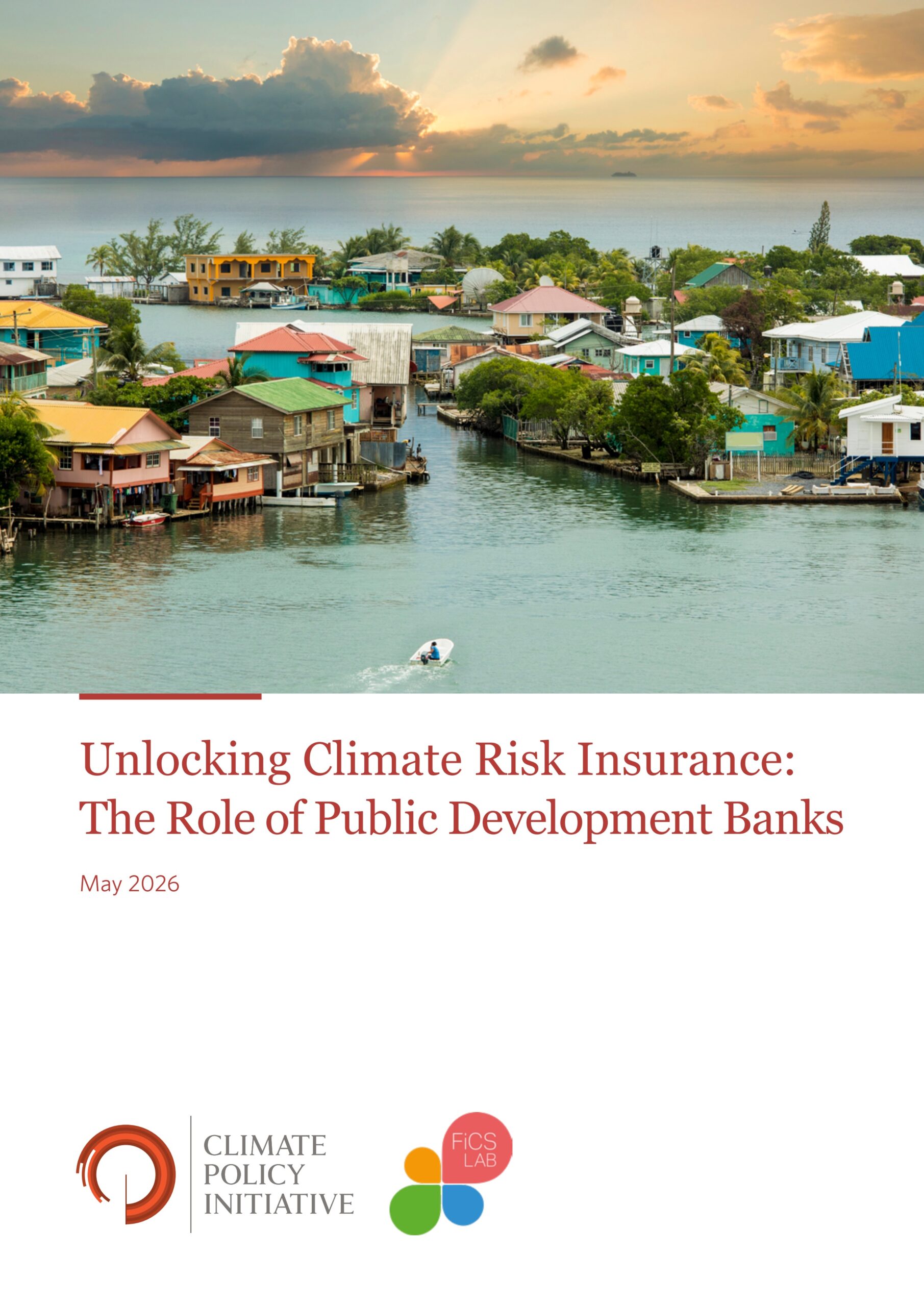
Unlocking climate risk insurance: The role of public development banks
This report examines how public development banks (PDBs) can expand climate risk insurance in emerging markets and developing economies. It identifies five key barriers to insurance uptake, analyses distinct roles for national, regional, and multilateral development banks, and provides recommendations to scale insurance solutions that build climate resilience.
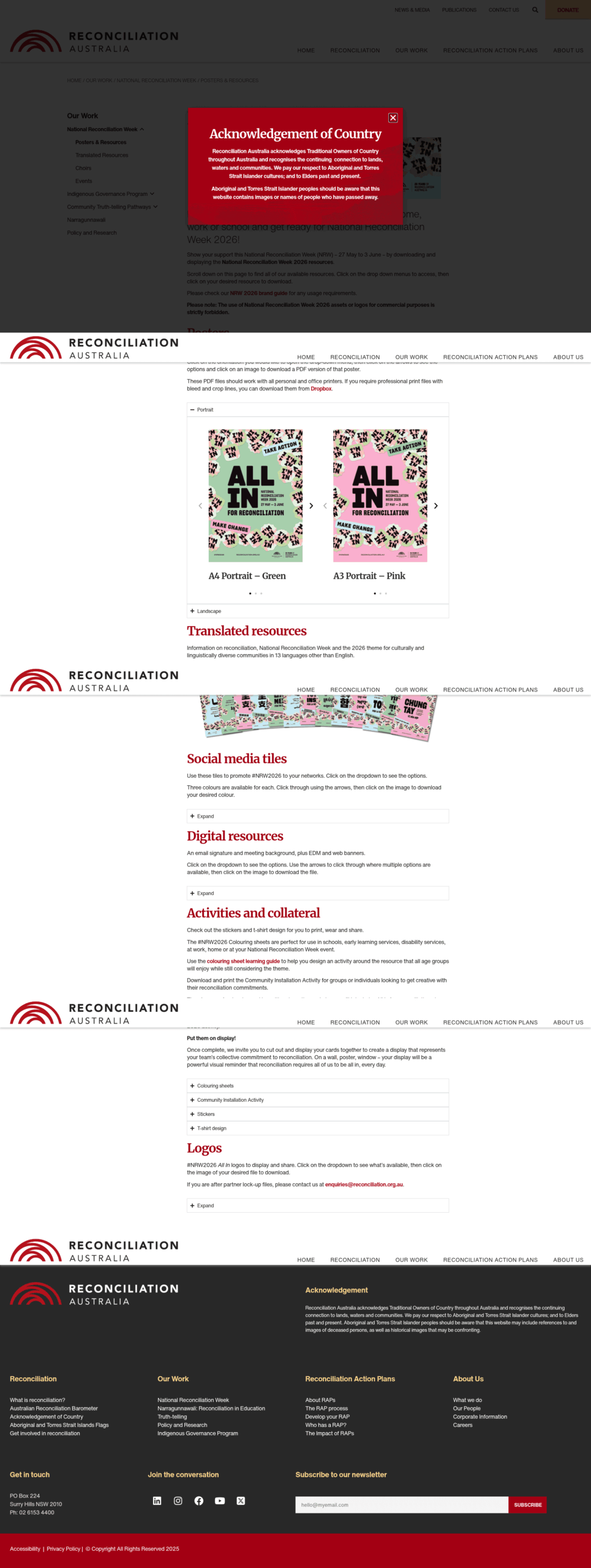
Posters & Resources - Reconciliation Australia
The Posters & Resources portal by Reconciliation Australia offers downloadable assets to support National Reconciliation Week 2026.
Anti-harassment policy and the startup labor market
This paper studies the effects of state-level NDA-weakening laws on hiring in over 50,000 U.S. VC-backed startups from 2014–2022. Anti-harassment reforms reduce female hiring by approximately 8%, concentrated among junior women and small startups, while also triggering internal restructuring including more female promotions and male manager departures.
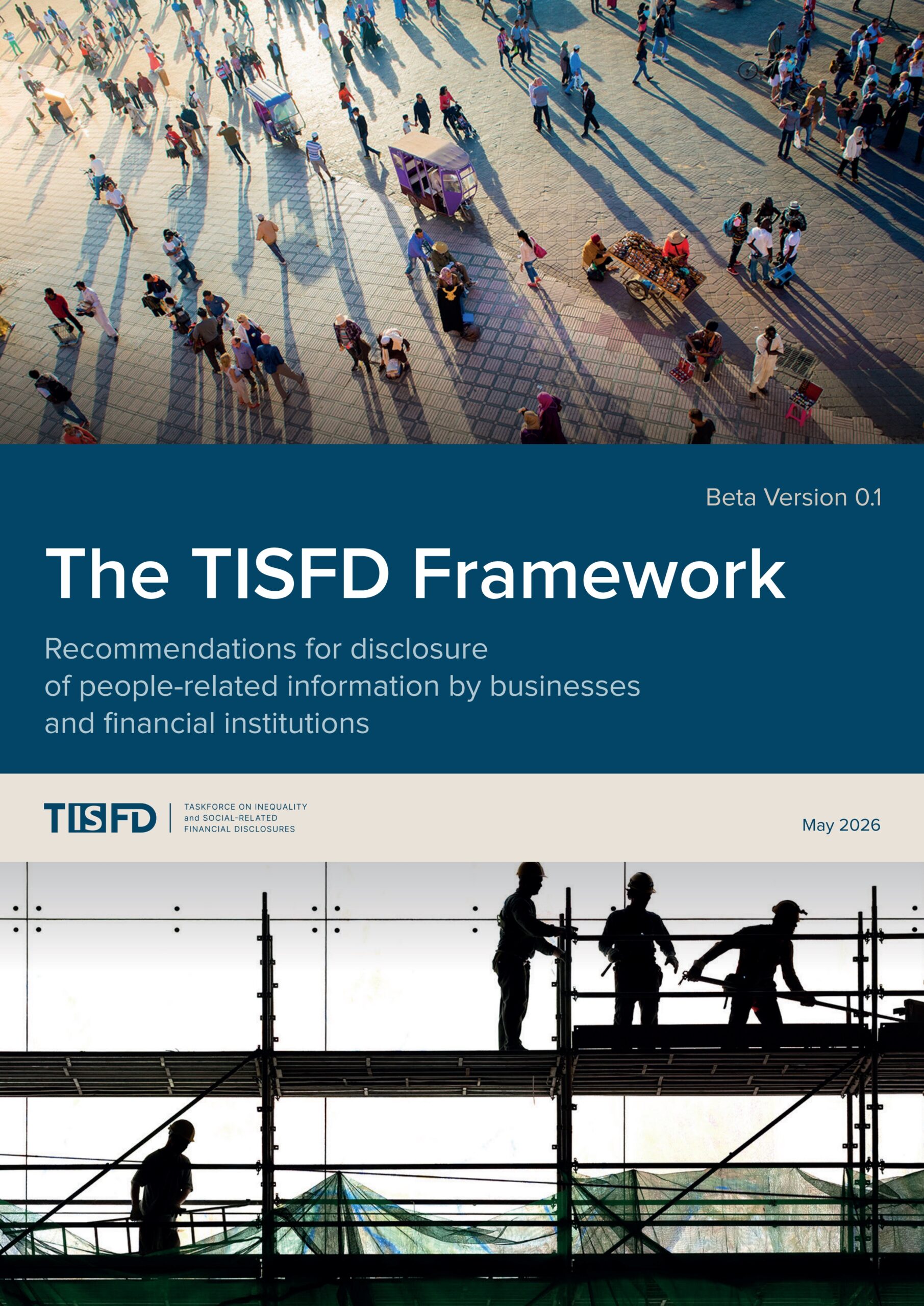
The TISFD framework: Recommendations for disclosure of people-related information by businesses and financial institutions
The TISFD Framework (Beta Version 0.1) presents draft disclosure recommendations for businesses and financial institutions on people-related impacts, dependencies, risks and opportunities. Building on ISSB, GRI and ESRS standards, it covers governance, strategy, and impact and risk management pillars, with metrics and targets to follow in future iterations.
The Swiss investors in the ICE system
This BreakFree Suisse research note examines Swiss institutional investors — including UBS, SNB, Zurich Insurance, and others — holding billions of dollars in US ICE contractors Palantir, AT&T, Geo Group, and CoreCivic. The report argues these investments conflict with the investors' stated human rights policies and ESG commitments.

Nature-based solutions for a sustainable critical minerals value chain
This report examines how nature-based solutions (NbS) can be integrated into critical minerals mining. Drawing on case study research and expert events at Climate Week NYC and COP30, it identifies six resilience-building NbS categories and highlights the need for systems-based planning, community collaboration, and improved financing mechanisms.
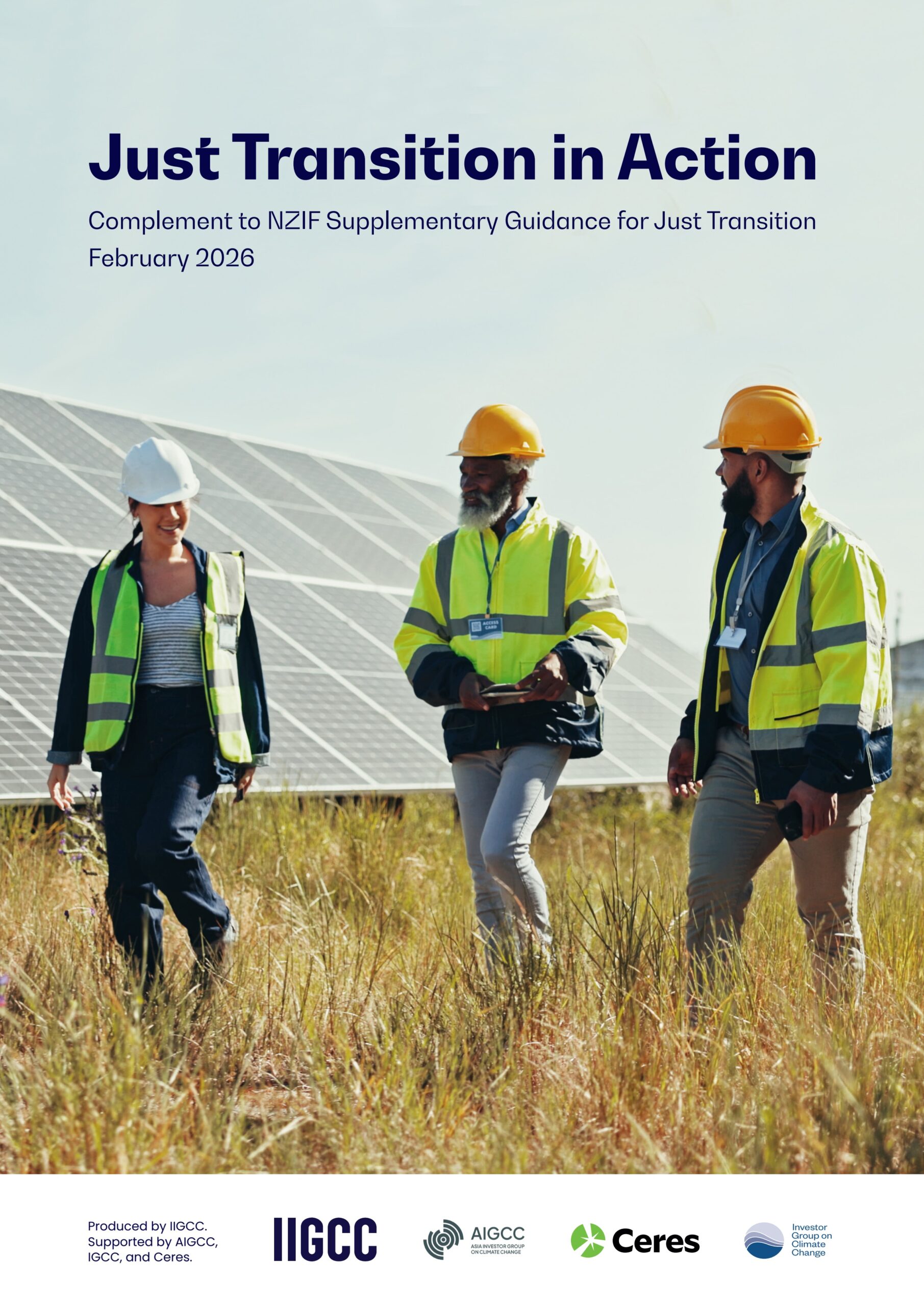
Just transition in action: Complement to NZIF supplementary guidance for just transition
Produced by IIGCC with support from AIGCC, IGCC, and Ceres, this report complements the NZIF Supplementary Guidance on Just Transition. It provides practical case studies and frameworks to help investors integrate social equity considerations into climate-aligned investment strategies across internal direction, asset alignment, and external engagement.


