
Library | SDGs
GOAL 07: Affordable and Clean Energy
Refine
253 results
REFINE
SHOW: 16


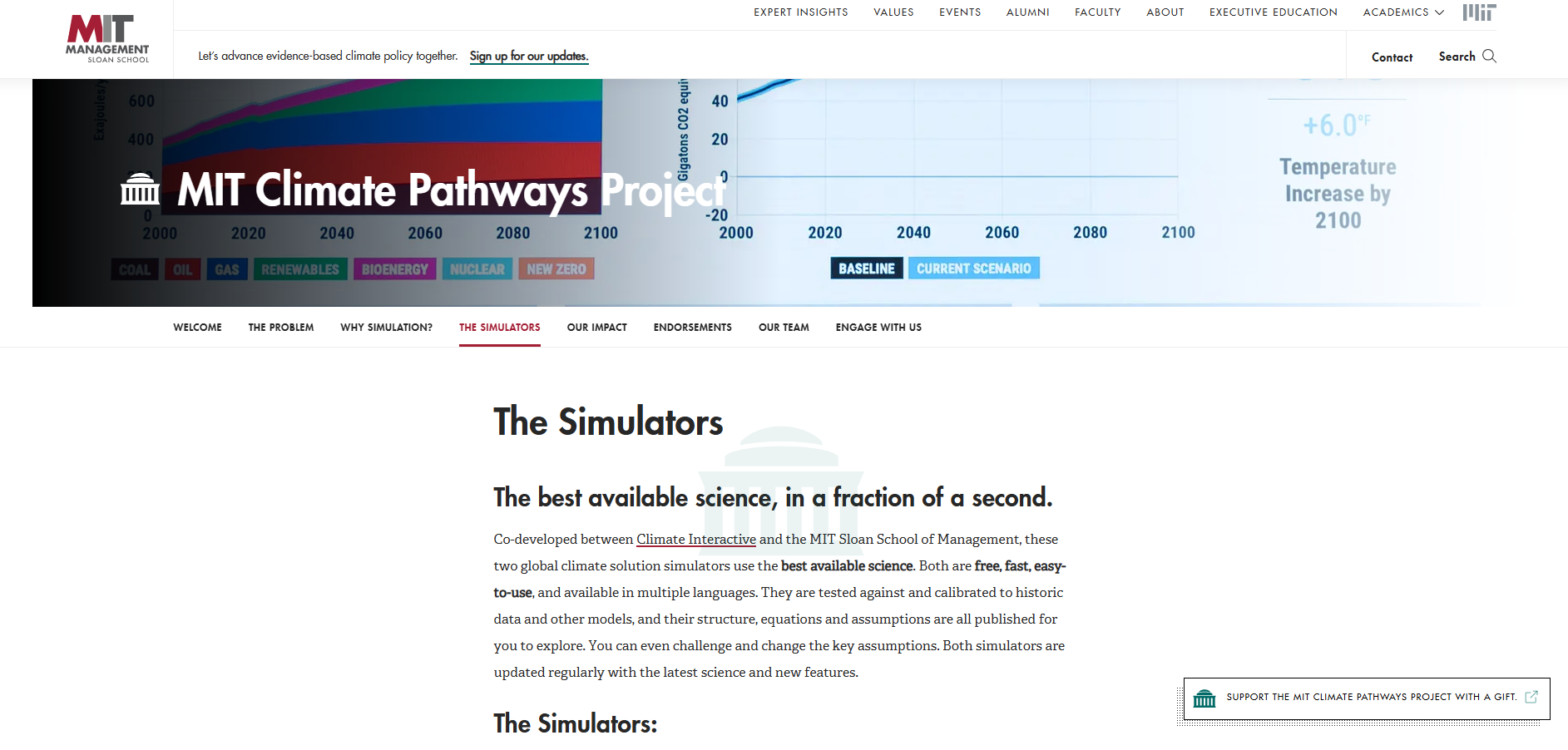
Climate Pathways Project Simulation Tools
A suite of interactive climate policy simulators, including En-ROADS, developed by MIT Sloan and Climate Interactive. These tools help leaders and finance professionals model the impacts of carbon pricing, electrification, and energy efficiency on global warming in real-time.
2026 Sustainable investment trends
This report analyses sustainable investment trends for 2026, examining physical climate risk, the energy transition, and Asia’s leadership. It addresses the influence of artificial intelligence on power demand and emission targets, alongside structural challenges in the health care and food production sectors, highlighting resilience and adaptation as key priorities.
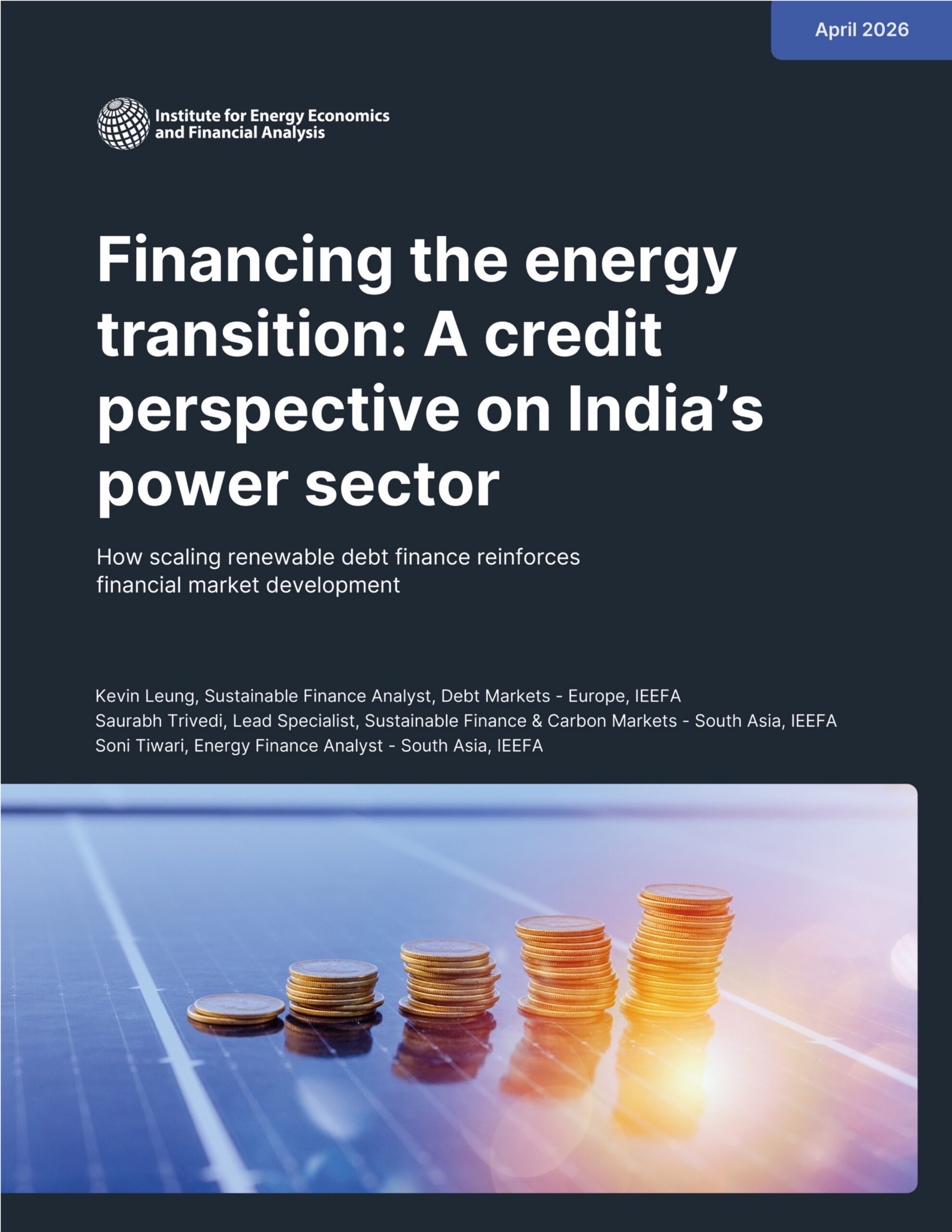
Financing the energy transition: A credit perspective on India’s power sector
This report examines India’s power sector transition from a credit perspective. It highlights the structural divergence between renewable and thermal assets, identifies bottlenecks in domestic debt markets, and recommends strategies to unlock large-scale financing, including the pivotal role of NTPC and the need for deeper institutional investor participation.
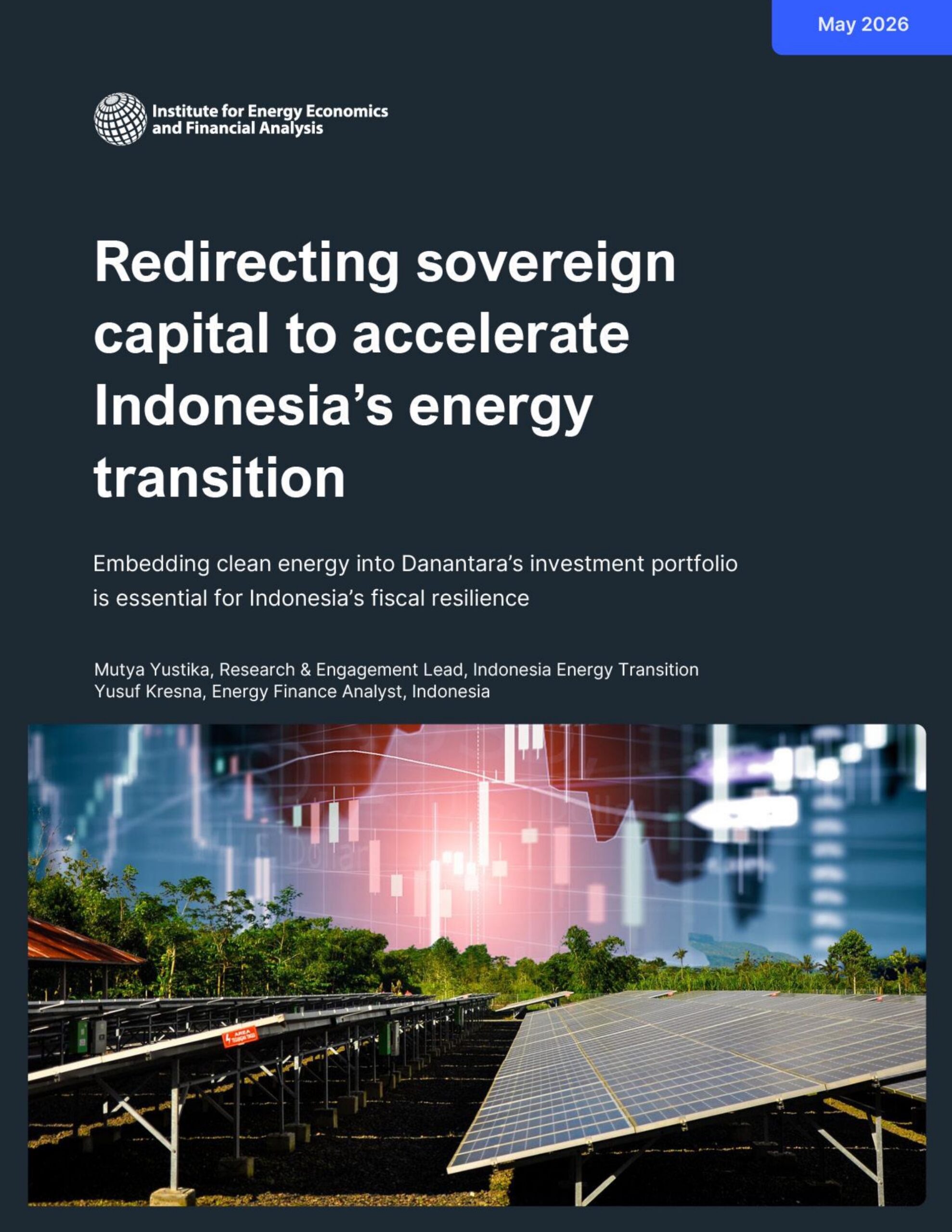
Redirecting sovereign capital to accelerate Indonesia’s energy transition
This report examines Indonesia’s sovereign wealth fund, Danantara, and its role in the energy transition. It highlights the fiscal risks of subsidy-dependent energy SOEs and recommends a strategic shift towards renewables. Drawing on global SWF experiences, it advocates for portfolio diversification to ensure long-term profitability and national energy security.
Raw power: China locks-in global dominance of critical minerals and metals with $120bn outbound investment surge
This report details China's structural "Going Global" strategy, tracking over US$120 billion in outbound investment since 2023 to secure critical mineral supply chains. It examines China's refining dominance and provides strategic recommendations for Australian policymakers to build domestic value-adding capacity in the zero-emissions economy.
Interactive data tool on Middle East energy reliance
Developed by the International Energy Agency, this interactive tool tracks global energy market impacts stemming from Middle East conflicts. It monitors commodity shipping flows, policy responses, and supply disruptions.
Investing in tomorrow: The electrification opportunity
New Zealand households and businesses could save $10.7 billion annually by 2040 through electrification. This report details how replacing fossil fuel appliances and vehicles with electric alternatives, supported by solar and batteries, reduces total energy use by 70% and provides cumulative national savings of $95 billion while substantially cutting emissions.

Oil market report series
This monthly series provides a comprehensive analysis of global oil market fundamentals, including supply, demand, refinery throughputs, and price developments. Produced by the International Energy Agency, it offers detailed data and forecasts to support evidence-based decision-making. This document is part of a benchmark series.

Community energy: Hope and headwinds
This report examines the Australian community energy sector, highlighting growth to over 126 projects by 2023. It explores the tension between strong community motivations and significant economic headwinds, such as scale diseconomies and market volatility. Key findings emphasise technical expertise and de-risking strategies as essential for success.
BSI Net Zero Barometer Report Series
This benchmark series examines the UK business landscape's transition to net zero. It tracks commitment levels, drivers, and barriers among senior decision-makers. The research explores how organisations are reframing sustainability as a commercial necessity and highlights the demand for government support, financial incentives, and standardised guidance to achieve 2050 targets.
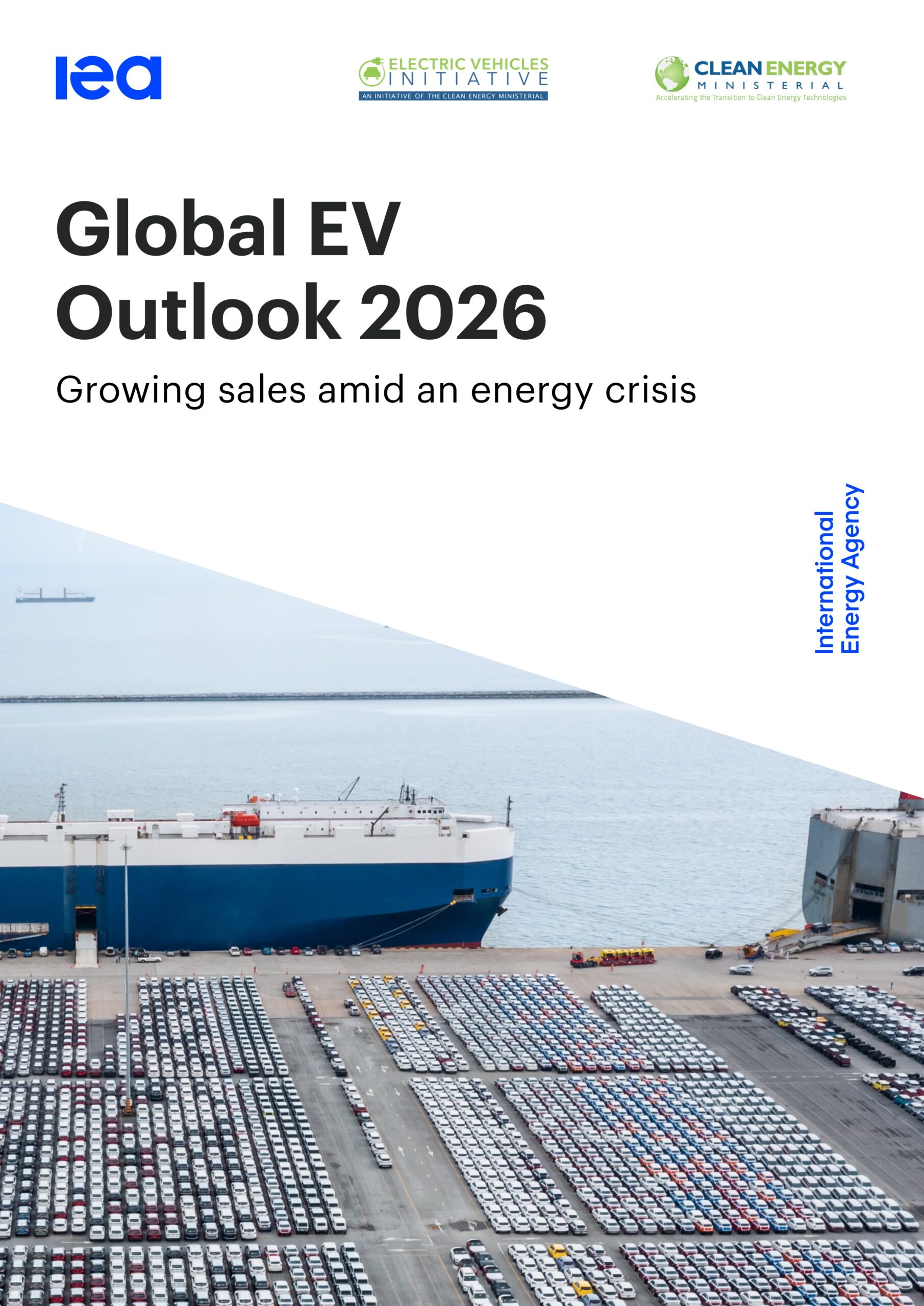
Global EV Outlook series
This benchmark series monitors recent developments in electric mobility across the globe. Produced annually, the report examines deployment of vehicles and infrastructure, battery demand, and policy developments. It evaluates the implications of growing adoption for energy consumption and emissions across major and emerging markets.
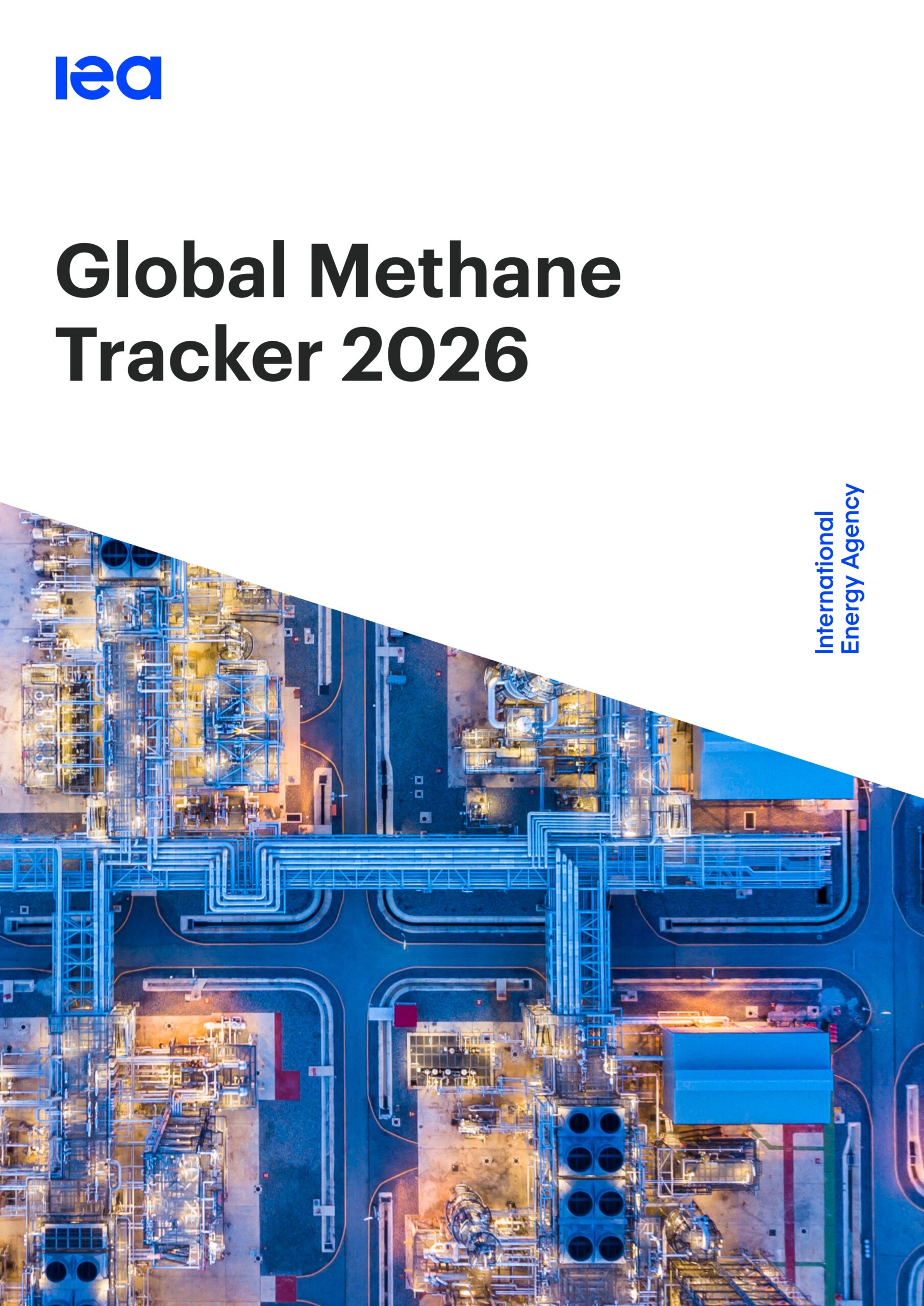
Global Methane Tracker 2026
The International Energy Agency report analyses global energy-related methane emissions, highlighting 124 million tonnes emitted in 2025. It examines abatement strategies, satellite data advancements and policy trends. The research underscores that 30% of emissions could be reduced at no net cost, advocating for robust international standards and increased transparency.
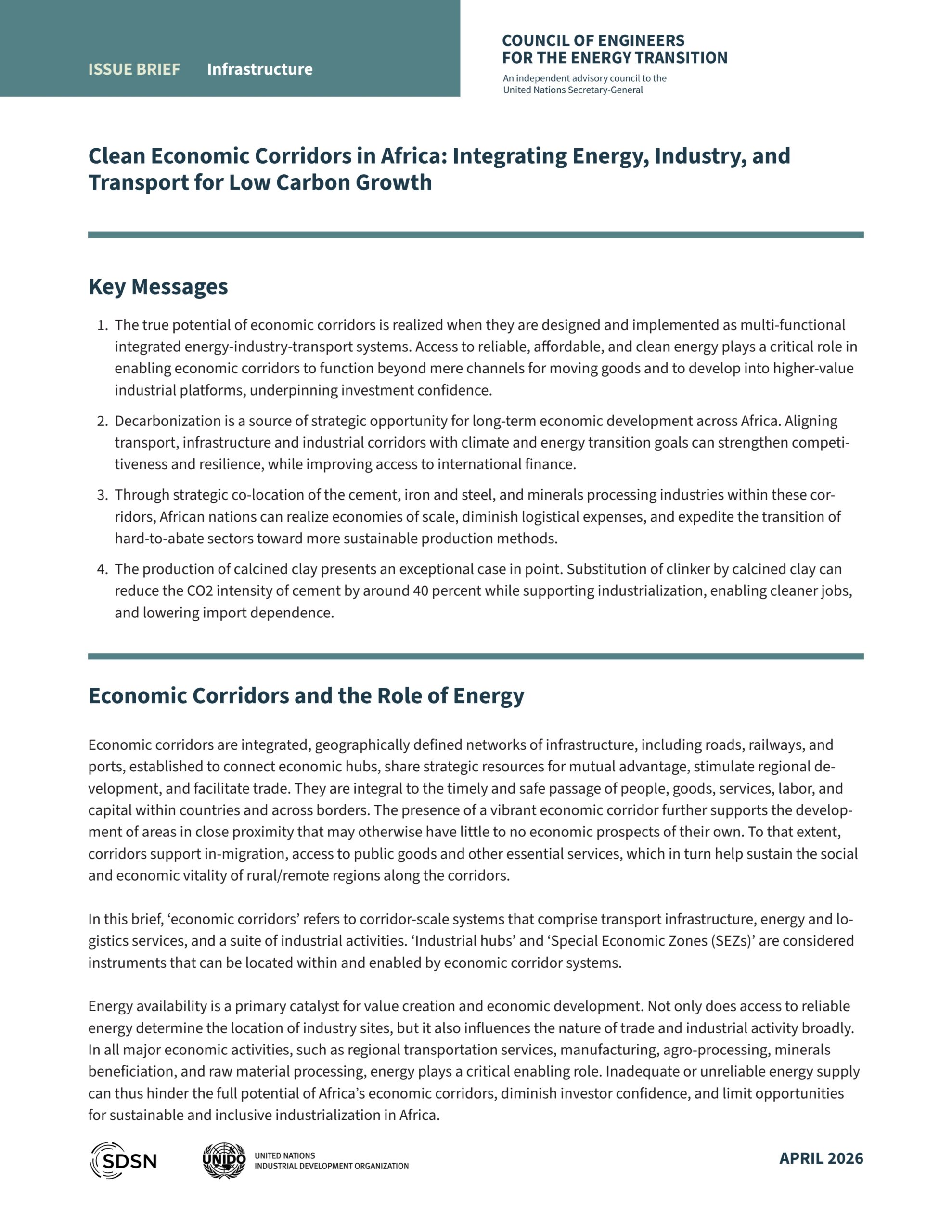
Clean economic corridors in Africa: Integrating energy, industry, and transport for low carbon growth
This report examines the development of integrated energy-industry-transport corridors in Africa to foster low-carbon growth. It details strategies for decarbonising logistics and manufacturing, particularly in steel and cement. By linking industrial hubs with renewable energy, African nations can enhance regional trade, competitiveness, and sustainable economic development.
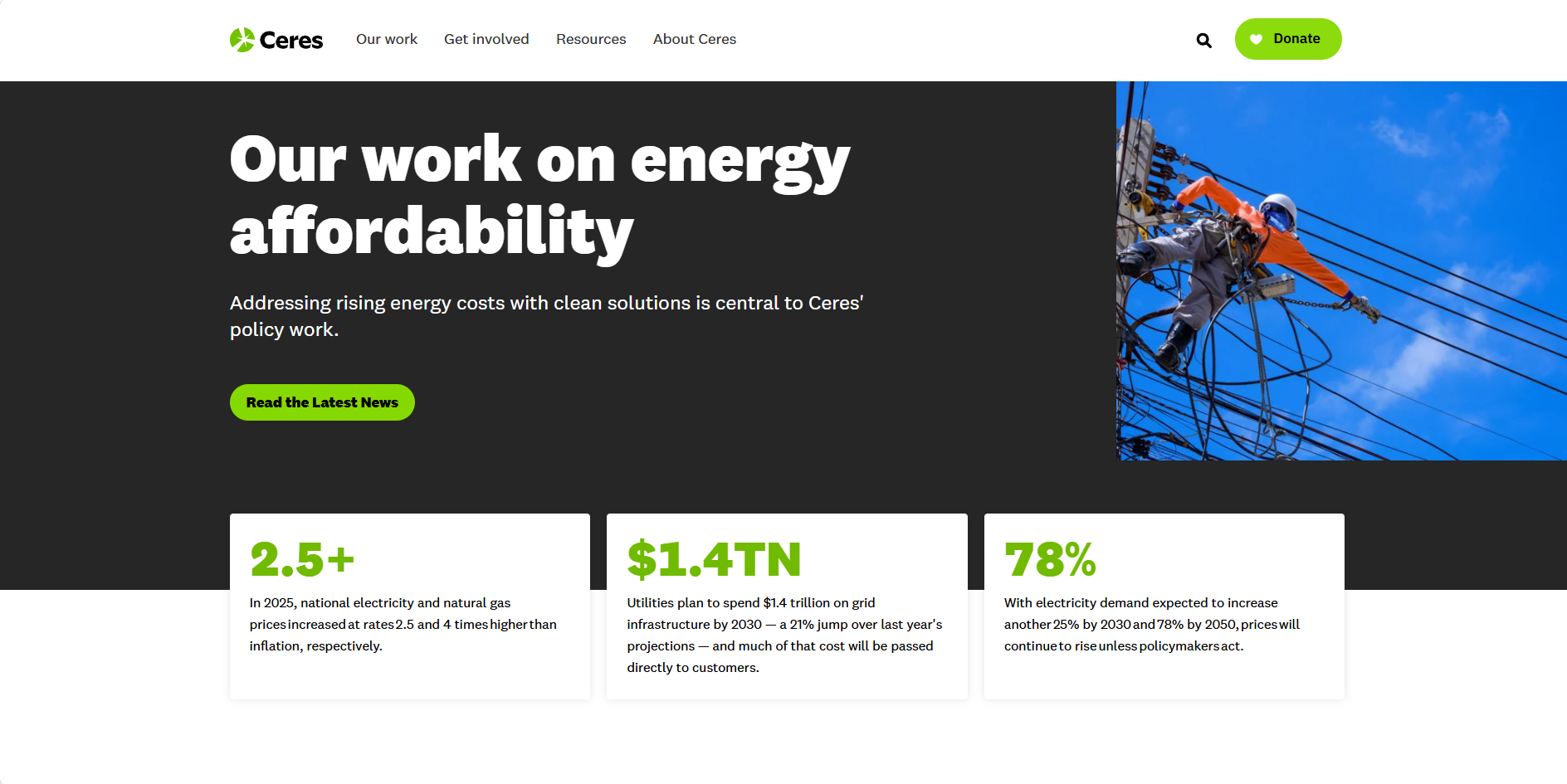
Ceres: Our work on energy affordability
A Ceres initiative and playbook focused on curbing rising energy prices through clean energy expansion, providing policymakers and investors with strategies for a modern, efficient, and affordable energy system.
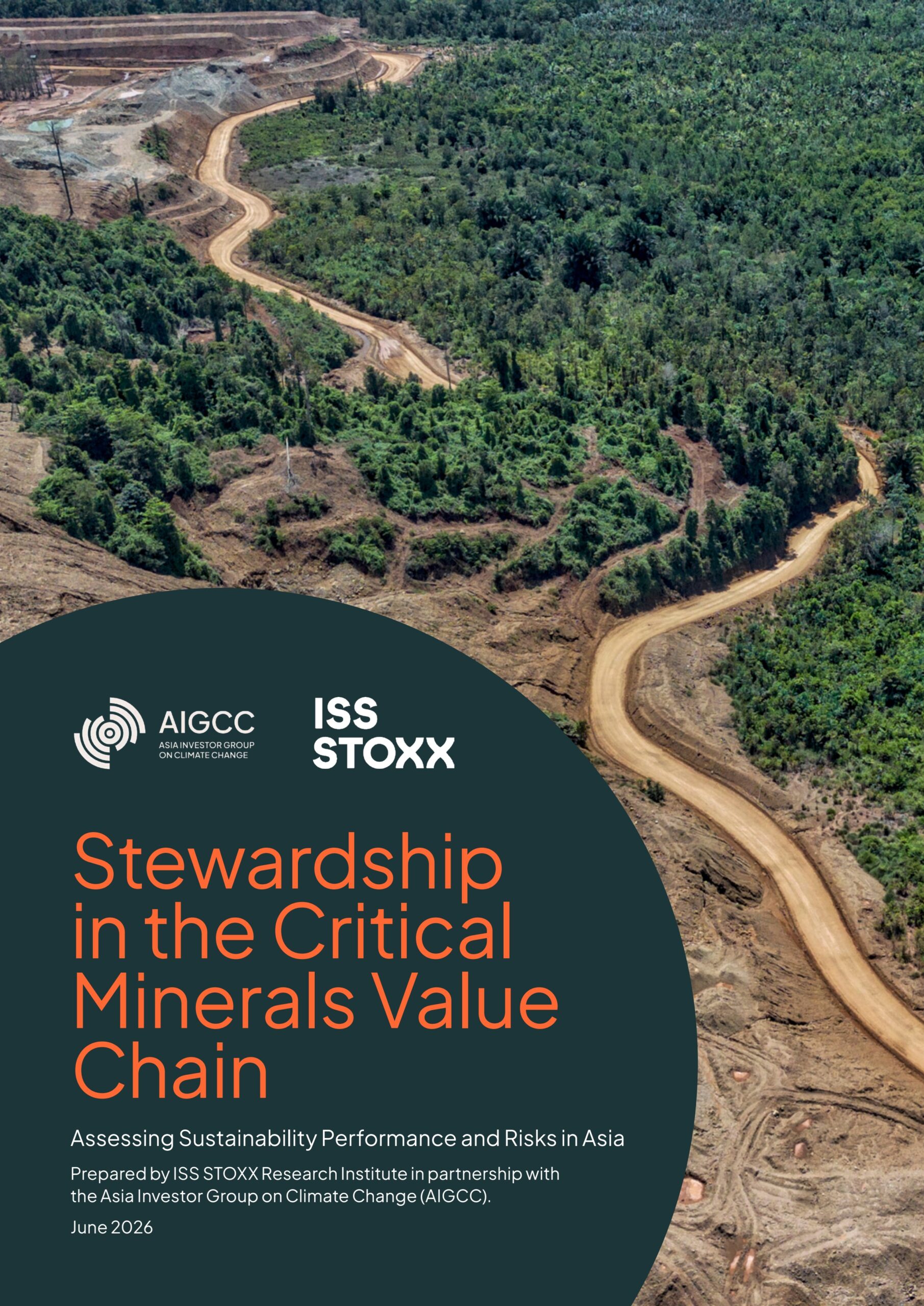
Stewardship in the critical minerals value chain: Assessing sustainability performance and risks in Asia
This research examines sustainability risks in Asia’s critical minerals value chain, focusing on nickel, cobalt and copper. Utilising IRMA-aligned assessments and geospatial data, it highlights gaps between corporate policy and implementation, intensifying physical climate risks, and nature dependencies, providing actionable stewardship priorities for institutional investors in the region.
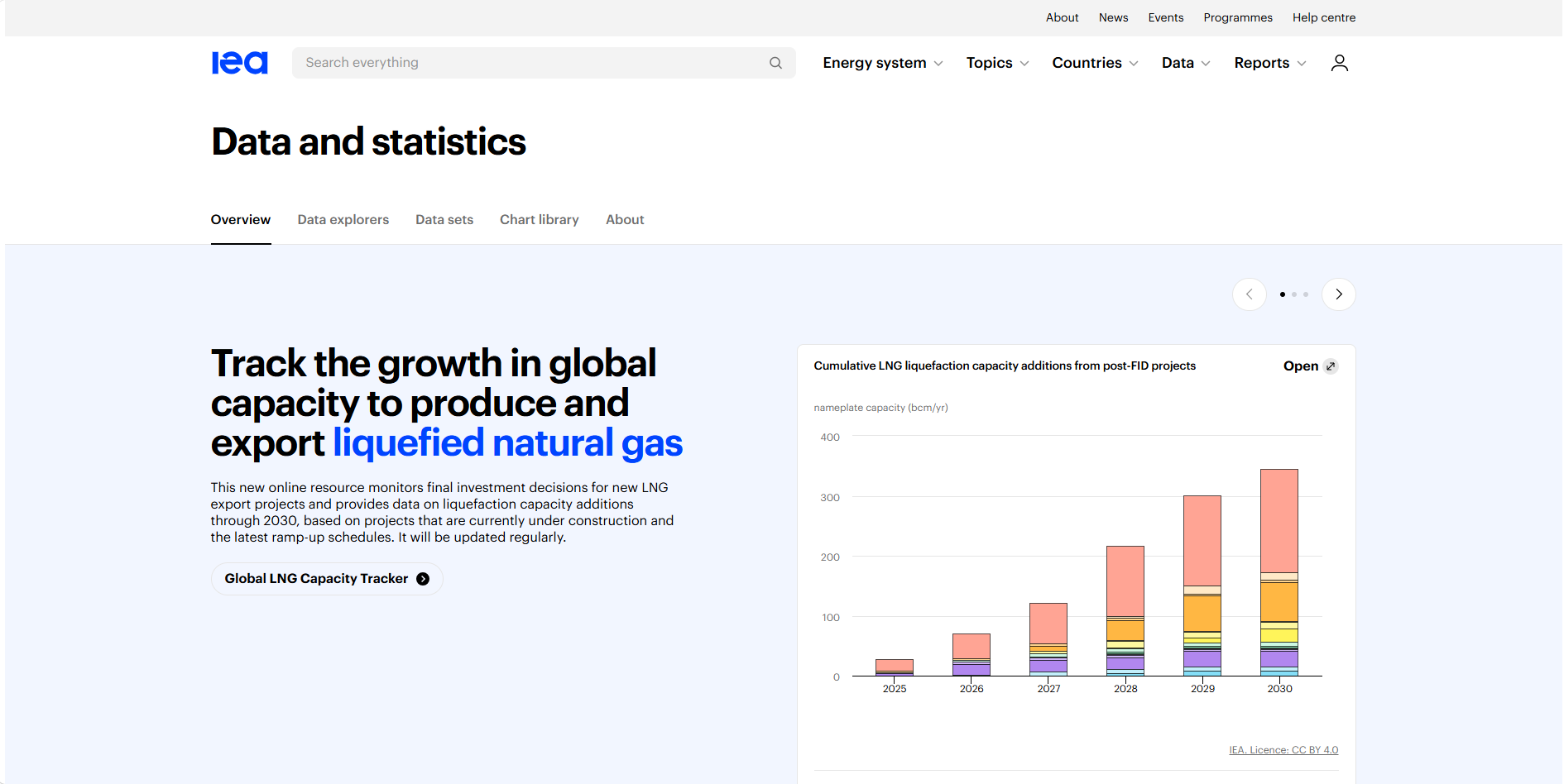
IEA Statistics Search
The IEA Statistics Search is an authoritative data portal providing global energy analysis, projections, and historical statistics. It supports finance professionals in assessing energy market trends, ESG metrics, and investment risks during the clean energy transition.


