
Library | SDGs
GOAL 10: Reduced Inequality
Refine
300 results
REFINE
SHOW: 16



Handbook: Harmonised framework for impact reporting for social bonds
This handbook provides a harmonised framework for impact reporting on social bonds. It outlines core principles, recommendations, and sector-specific metrics for categories including affordable housing, essential services, and basic infrastructure. The document aims to enhance transparency and integrity in the social bond market through standardised reporting practices.

Closing the gender health gap: The investment case and capturing Australia's window of opportunity
This report identifies the gender health gap as a systemic market failure and significant investment opportunity. Closing this gap could boost the global economy by US$1 trillion annually by 2040. In Australia, the opportunity is valued at US$24.8 billion per year, offering a time-limited ten-year window for investors.
Firm pay, amenities, and inequality
This research assesses firm-specific amenity valuations using discrete choice experiments linked to German administrative records. It finds that amenities widen between-firm inequality by 20% in variance terms. Furthermore, gender differences in valuations contribute to female sorting into lower-wage firms, as women prioritise non-wage attributes more highly.

Global employment trends for youth 2026: Back to the future
The Global Employment Trends for Youth 2026 report highlights a stalled post-pandemic recovery, with global youth unemployment reaching 12.4 per cent. It examines rising NEET rates, artificial intelligence impacts, and job experience inflation, while advocating for bold, adaptive policies to ensure secure, decent work pathways for young people.
Preference for explainable AI
This research investigates the demand for explainable AI in high-stakes credit settings. It finds that decision-makers strategically avoid explanations that reveal racial or gender bias to preserve moral wiggle room. Additionally, behavioural biases cause individuals to undervalue explanations even when they complement private information and improve decision accuracy.
The commoditization of labor
This research examines how technological standardisation commoditises labour by making workers interchangeable. It develops a model showing that while this process increases productivity, it simultaneously reduces worker bargaining power and wages. This framework explains the declining large-firm wage premium and the divergence between productivity and pay in services.

The hidden human cost of content moderation and data labelling
This report examines the hidden human costs of content moderation and data labelling in Colombia, Kenya, and the Philippines. It details systemic physical, psychological, and economic harms caused by lead firm power, informal employment, and intense target pressure, while identifying significant barriers to corporate accountability and worker rights.
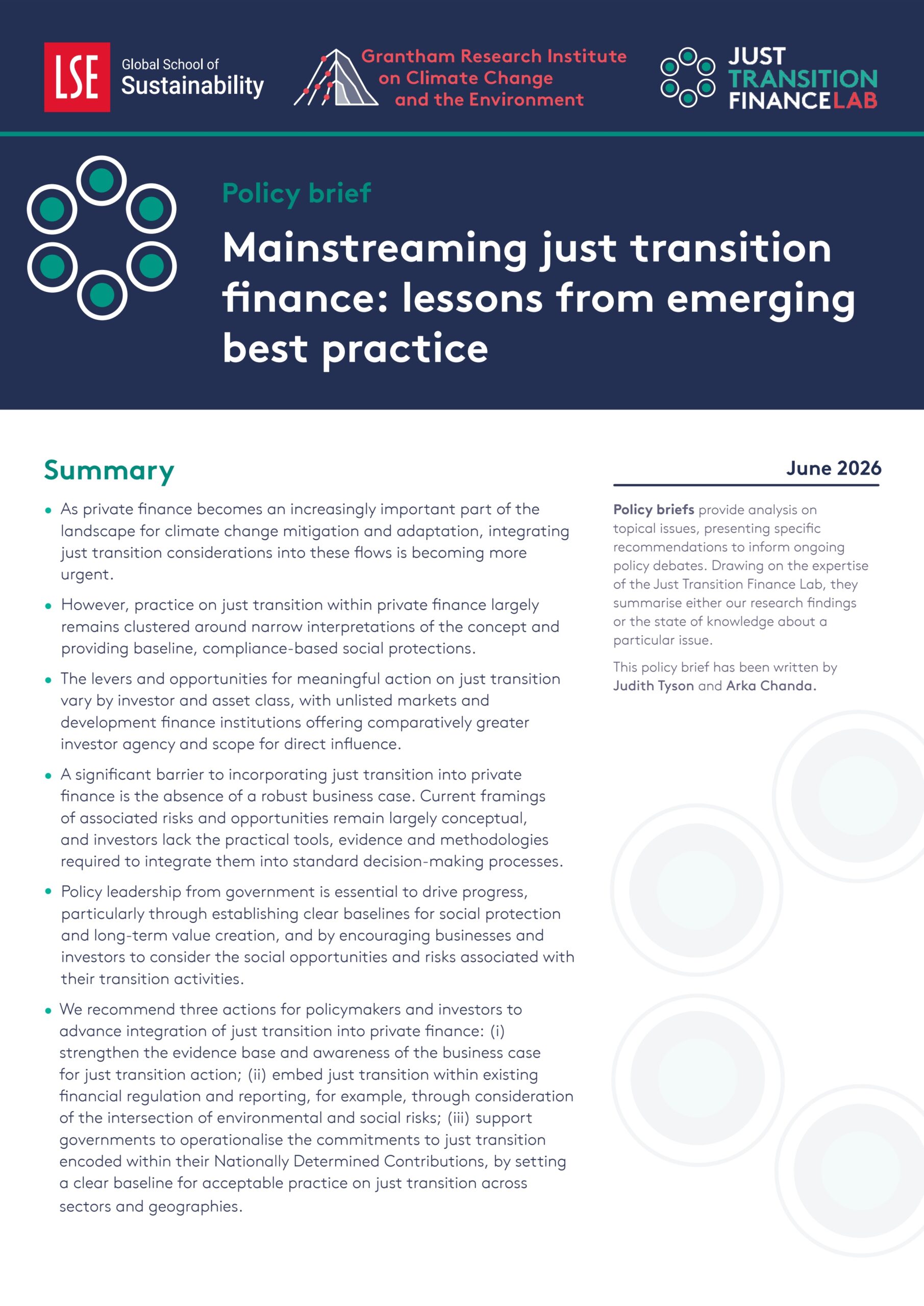
Mainstreaming just transition finance: Lessons from emerging best practice
This report examines the integration of just transition principles into private finance. It highlights structural barriers, including the lack of robust business cases and quantifiable evidence. Recommendations include embedding just transition into existing regulatory frameworks, strengthening the evidence base for commercial benefits, and aligning private incentives with national commitments.

Just Nature: How finance can support a just transition at the interface of action on climate and biodiversity
This report examines how the financial sector can facilitate a just transition within nature-based systems. It outlines priorities for sustainable agriculture, deforestation, nature-based solutions, and ocean restoration. The authors provide strategic recommendations for integrating human rights and social inclusion into climate and biodiversity actions to achieve a net-zero economy.
Profits and social impacts: Complements vs. tradeoffs for lenders in three countries
This research examines the tradeoff between lender profits and social impact using machine learning across three countries. It demonstrates that algorithmic targeting significantly boosts profit margins in South Africa and the Philippines but may reduce financial inclusion for women and low-income borrowers unless balanced strategies are implemented.
The price and distributional impact of flood risk disclosure: Evidence from US housing platforms
This research quantifies the impact of property-level flood risk disclosure on US housing prices and demographics. Homes labelled with 'extreme' risk saw a 3.3% price discount. Disclosure caused significant resorting, with lower-income, older, and FHA-financed buyers increasingly purchasing high-risk properties primarily due to reduced transaction prices.
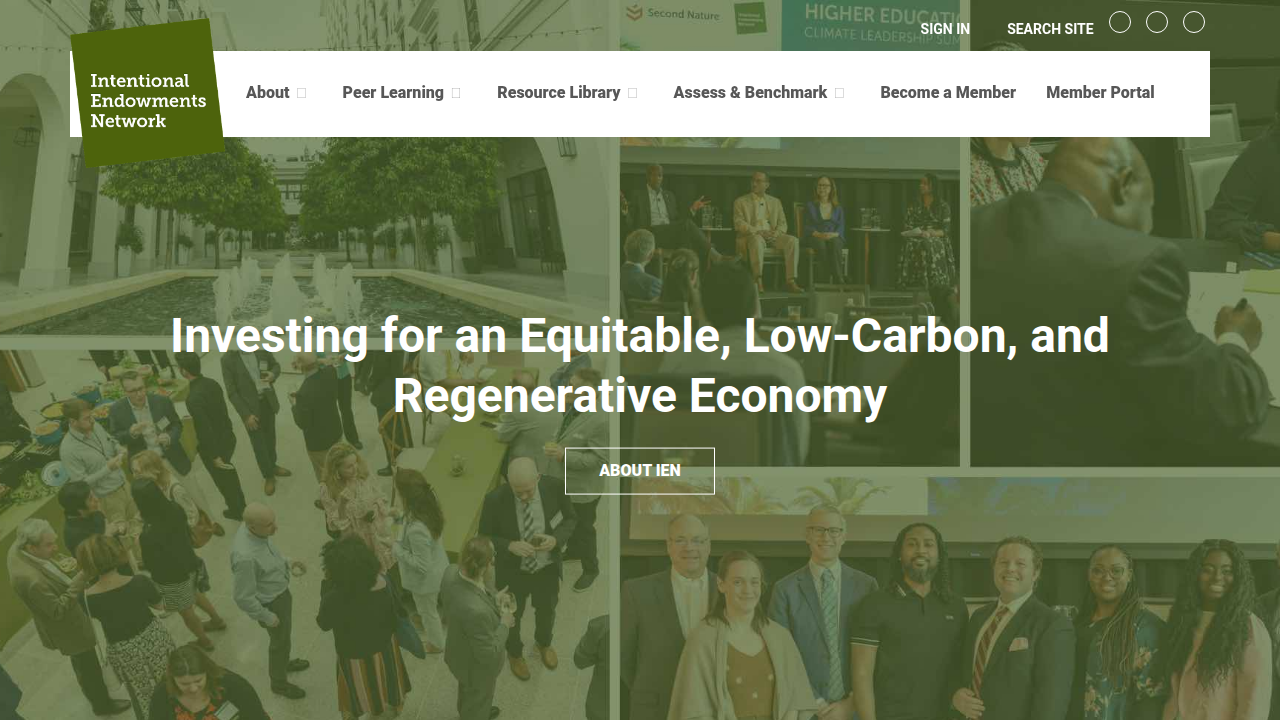
Intentional Endowments Network (IEN)
IEN is a peer-learning network supporting endowments and foundations to integrate climate and social inequality considerations into investment strategies.

Understanding inequality as a macro-financial risk to markets and diversified portfolios
This research identifies economic inequality as a systemic macro-financial risk to markets. It examines how wealth concentration and market power destabilise economies, fuel social instability, and hinder progress on global challenges. The report advocates for new financial analysis tools and disclosure frameworks to integrate social-related risks into investment strategies.
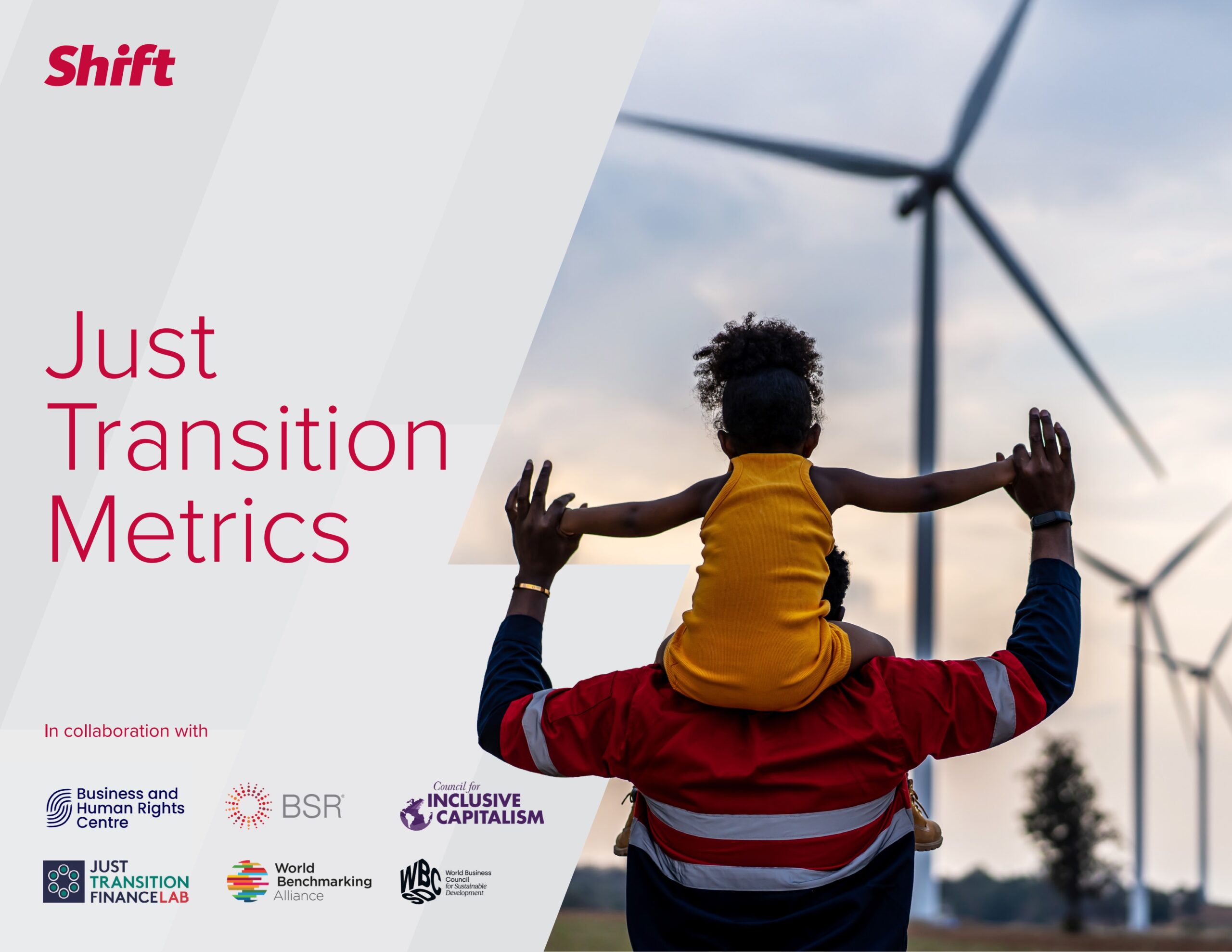
Just transition metrics benchmark
Just Transition Metrics is a benchmark series developed by Shift in collaboration with multiple organisations. It provides a foundational, sector-agnostic set of quantitative metrics designed to assess the 'justness' of companies' climate-related transition plans, covering workforce, communities, and value chain impacts.

From climate crisis to insurance crisis: Designing solidarity-based natural disaster insurance
This report examines rising climate-related insurance losses and Germany's lack of comprehensive natural disaster coverage, with only 57% of residential buildings insured against such risks. It analyses international public-private insurance models — particularly France's CatNat system — and recommends a solidarity-based approach alongside measures to hold the fossil fuel industry financially accountable.
Interest rate caps, competition, and strategic borrowing: Evidence from Kenya
This paper examines Kenya's 2016 interest rate regulation, which capped bank lending rates but exempted the digital platform M-Shwari. Using borrower-level administrative data and a structural model, the authors find that the M-Shwari carve-out preserved credit access for high-risk borrowers, while a uniform cap would have eliminated it entirely.


