
Library | SDGs
GOAL 12: Responsible Consumption and Production
Refine
471 results
REFINE
SHOW: 16


OECD Due Diligence Policy Mapping Tool
The OECD Due Diligence Policy Mapping Tool compares global responsible business conduct legislation against the OECD's six-step framework. It helps users identify regulatory convergence and differences in mandatory due diligence requirements.
What do sustainability disclosures disclose?
This research analyses over 15,000 sustainability disclosures from Russell 3000 firms. It finds that while reporting has surged since 2015, informative quality has declined. Adoption of voluntary standards yields mixed results, correlating with reduced 'fluff' but lower narrative specificity. Improvements primarily reflect selection effects rather than organisational learning.
Industrial policies for multi-stage production: The battle for battery-powered vehicles
This research analyses industrial policies for the multi-stage electric vehicle supply chain. It evaluates consumer subsidies and local content requirements, finding that while protectionist measures expand domestic production, they can significantly increase costs and reduce overall adoption compared to unconditional subsidies that maximise scale economies.
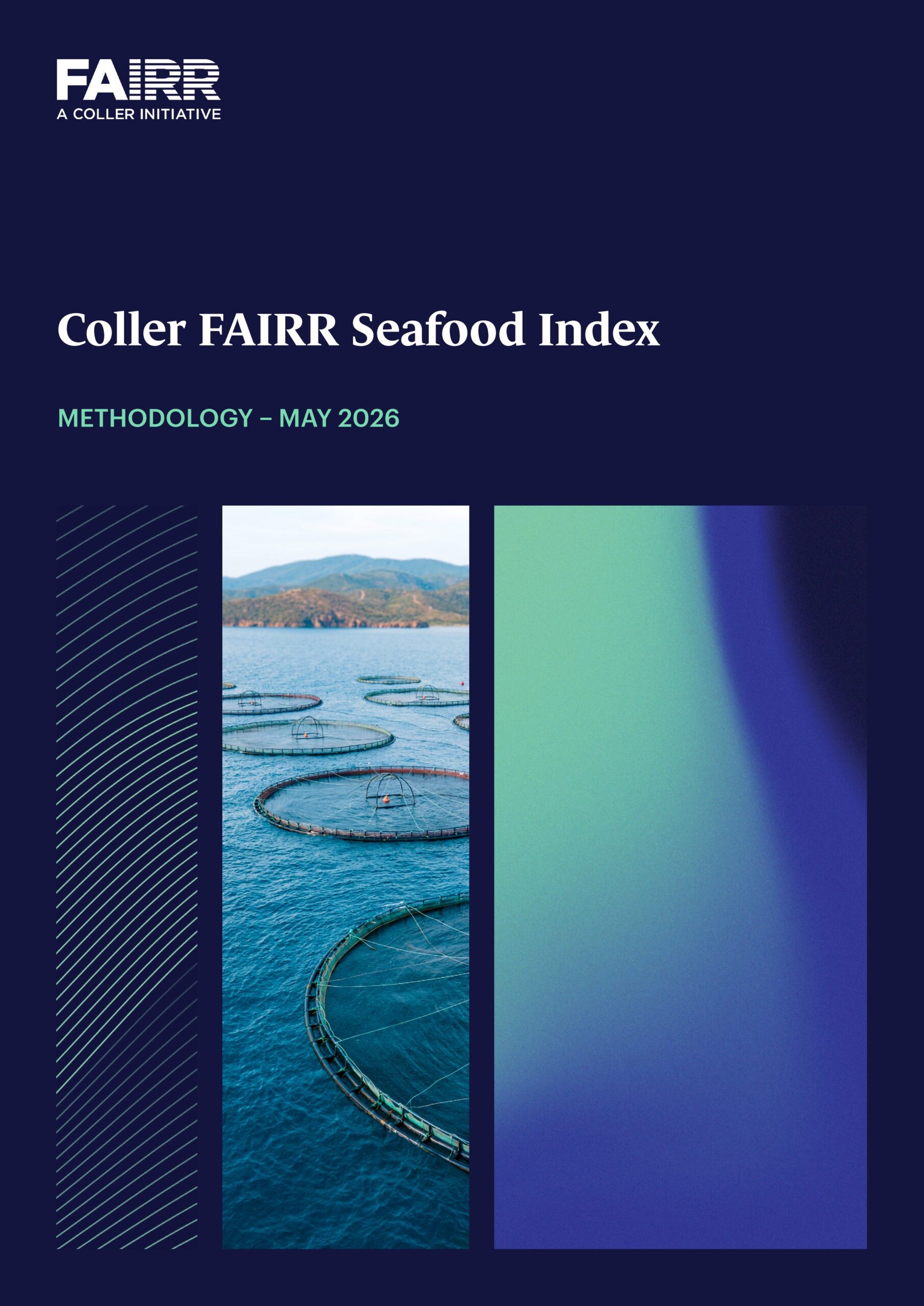
Coller FAIRR seafood index methodology: May 2026
The Coller FAIRR Seafood Index Methodology outlines the framework for assessing 20 global companies across 16 material topics. It details a bottom-up scoring process, ranging from 0 to 100, and a four-step production cycle. The index measures corporate maturity in response to environmental and social risks in the seafood industry.
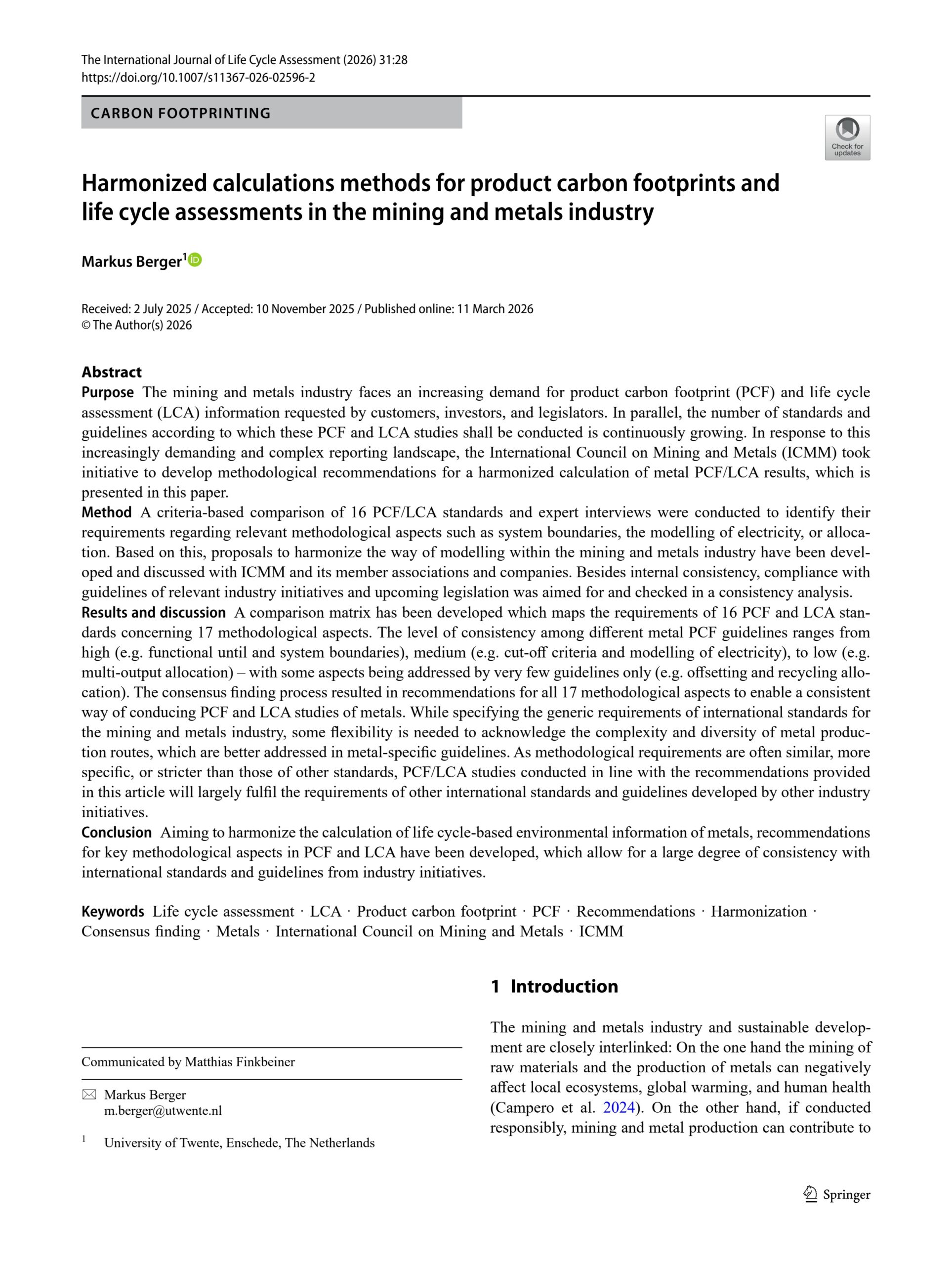
Harmonized calculations methods for product carbon footprints and life cycle assessments in the mining and metals industry
This research presents methodological recommendations for harmonising product carbon footprint and life cycle assessment calculations across the mining and metals industry. Developed with the International Council on Mining and Metals, it establishes consistent guidelines for 17 aspects, including system boundaries, electricity modelling, and multi-output allocation procedures.
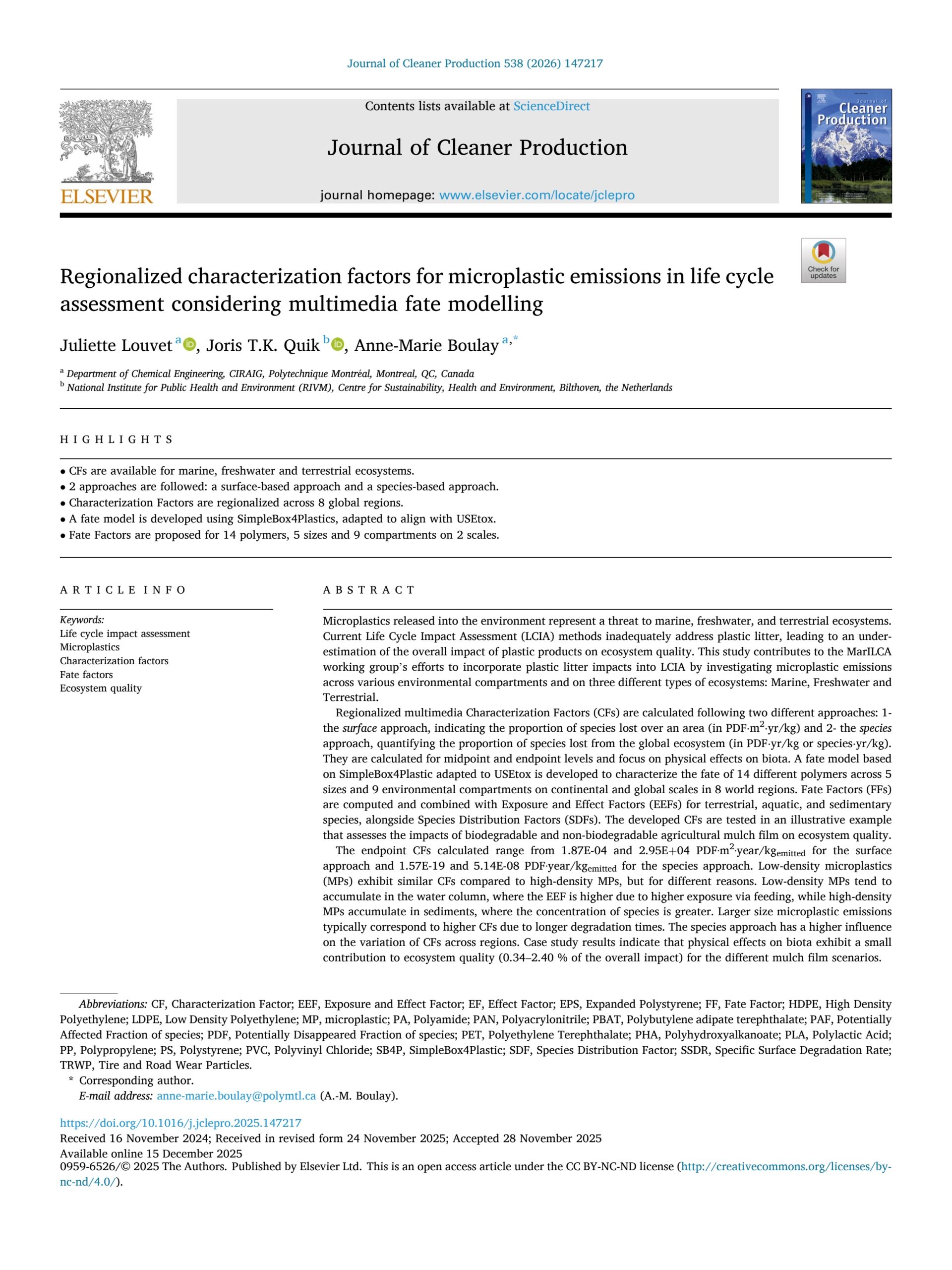
Regionalized characterization factors for microplastic emissions in life cycle assessment considering multimedia fate modelling
This research establishes regionalised characterisation factors for microplastic emissions across marine, freshwater, and terrestrial ecosystems. Using fate modelling aligned with USEtox, it evaluates 14 polymers and five size categories. Findings demonstrate that particle size and density significantly influence environmental persistence and subsequent impacts on global species richness.
The current state of BRSR in corporate India 2.0
This report analyses Business Responsibility and Sustainability Reporting (BRSR) data from 300 Indian companies over three years. It identifies progress in disclosure quality, energy intensity trends, and assurance practices. Recommendations focus on standardisation and sector-specific guidance to enhance the decision usefulness of sustainability data for investors and regulators.
Environmental crime: From blind spot to business risk
This report identifies environmental crime as an illicit economy worth USD 300 billion, posing significant financial risks to global businesses. It examines how illegal goods permeate supply chains and details tightening regulations. The research provides strategic actions for organisations to improve traceability and manage exposure effectively.
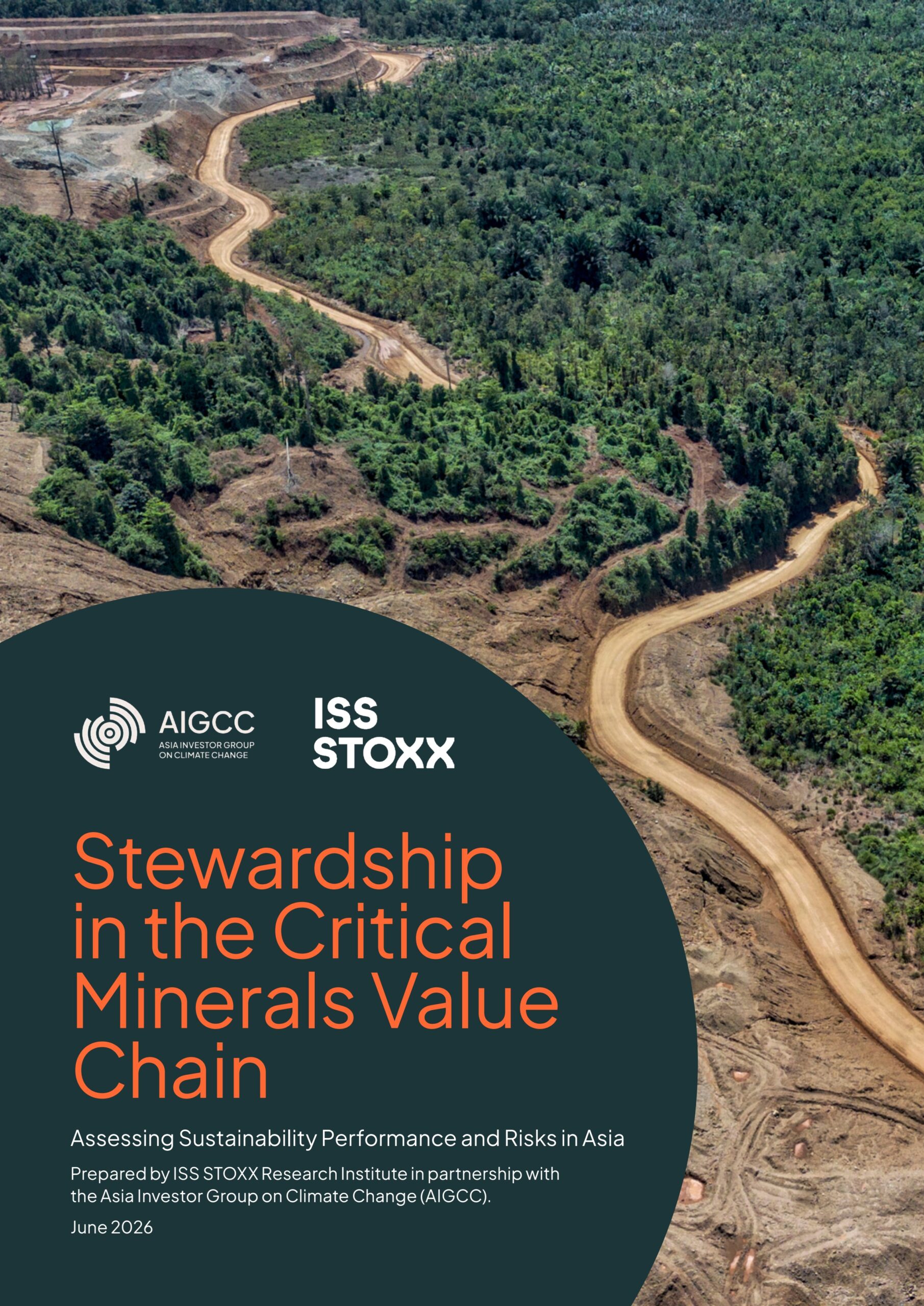
Stewardship in the critical minerals value chain: Assessing sustainability performance and risks in Asia
This research examines sustainability risks in Asia’s critical minerals value chain, focusing on nickel, cobalt and copper. Utilising IRMA-aligned assessments and geospatial data, it highlights gaps between corporate policy and implementation, intensifying physical climate risks, and nature dependencies, providing actionable stewardship priorities for institutional investors in the region.
Tracking methane action in the dairy and coffee sector
This benchmark series evaluates the progress of leading dairy and coffee companies in addressing methane emissions. It assesses corporate targets, disclosure practices, and reduction strategies within the food sector. The research provides a comparative analysis of industry performance against global climate commitments to encourage transparency and accountability.

Tropical deforestation outlook: How market trends could impact the Amazon, the Congo Basin, and Southeast Asia-Oceania
This report evaluates market drivers of tropical deforestation across the Amazon, Congo Basin, and Southeast Asia. It analyses impacts from transition minerals, food systems, and fast-turnover products. The document outlines transition pathways and provides policy recommendations to address global trade and consumer demand trends through 2035.

Tiny plastics big problem: The hidden risks of plastic pouches for baby food
Greenpeace research identifies significant microplastic contamination in Danone and Nestlé baby food pouches. The report highlights the rapid market shift towards flexible plastic packaging, outstripping regulatory protections. It recommends a 75% reduction in plastic production by 2040 and urges manufacturers to prioritise non-toxic, reusable alternatives to protect infant health.
Regenerative agriculture: Moving from ambition to credibility
This report evaluates regenerative agriculture commitments across 78 global agri-food companies. While disclosures have increased, quantified targets have declined to 28%. Significant gaps remain in financial support for farmers and pesticide reduction targets, with the pork and poultry sectors largely overlooked in transition planning.
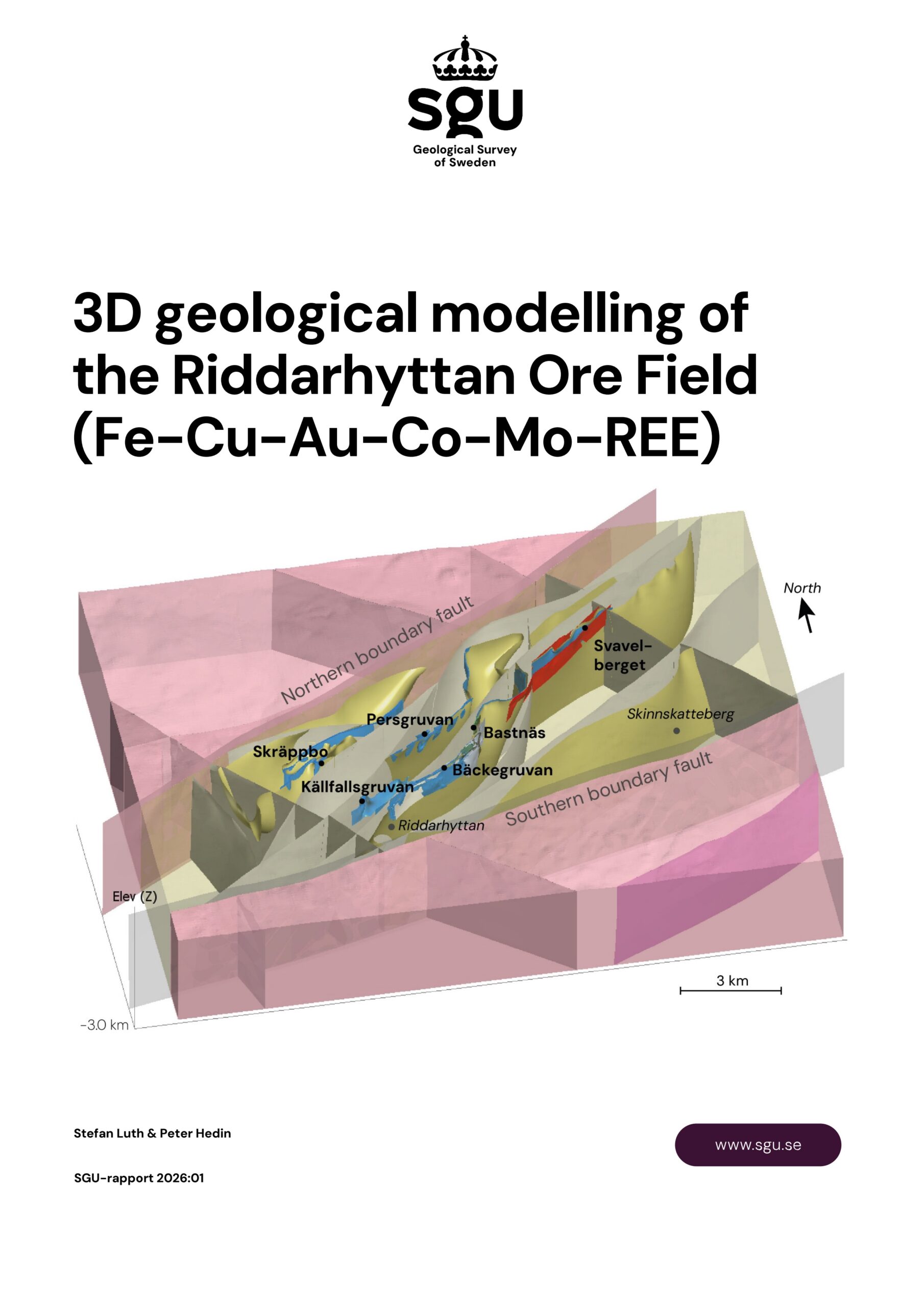
3D geological modelling of the Riddarhyttan Ore Field (Fe-Cu-Au-Co-Mo-REE)
This report details 3D geological modelling of the Riddarhyttan Ore Field, identifying significant iron, copper, and rare earth element mineralisations. Characterising complex deformation patterns, the research suggests orebodies extend below historical mining depths, indicating high potential for future resource extraction within the western Bergslagen region.
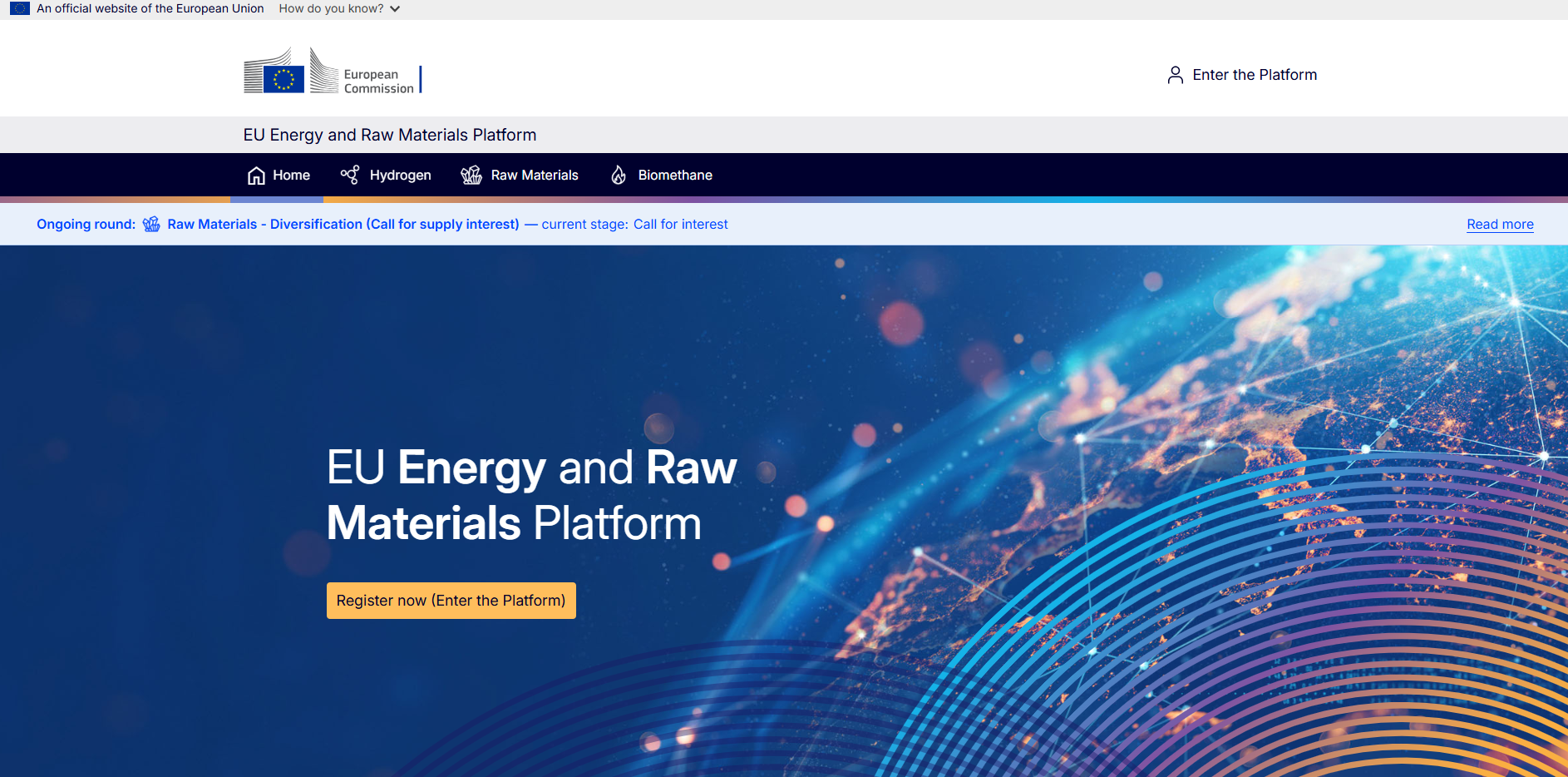
EU energy and raw materials mechanism platform
EU Commission platform aggregating demand for critical raw materials to connect buyers, suppliers, and financial institutions across strategic sectors.
Mapping social and environmental due diligence legislation
This OECD report maps 21 legislative measures across 11 jurisdictions concerning social and environmental due diligence. It identifies key areas of convergence and divergence in regulatory scope and requirements. The findings aim to support international policy co-operation, reduce implementation complexity, and promote consistent global enforcement approaches.


