
Library | SDGs
GOAL 13: Climate Action
Refine
996 results
REFINE
SHOW: 16


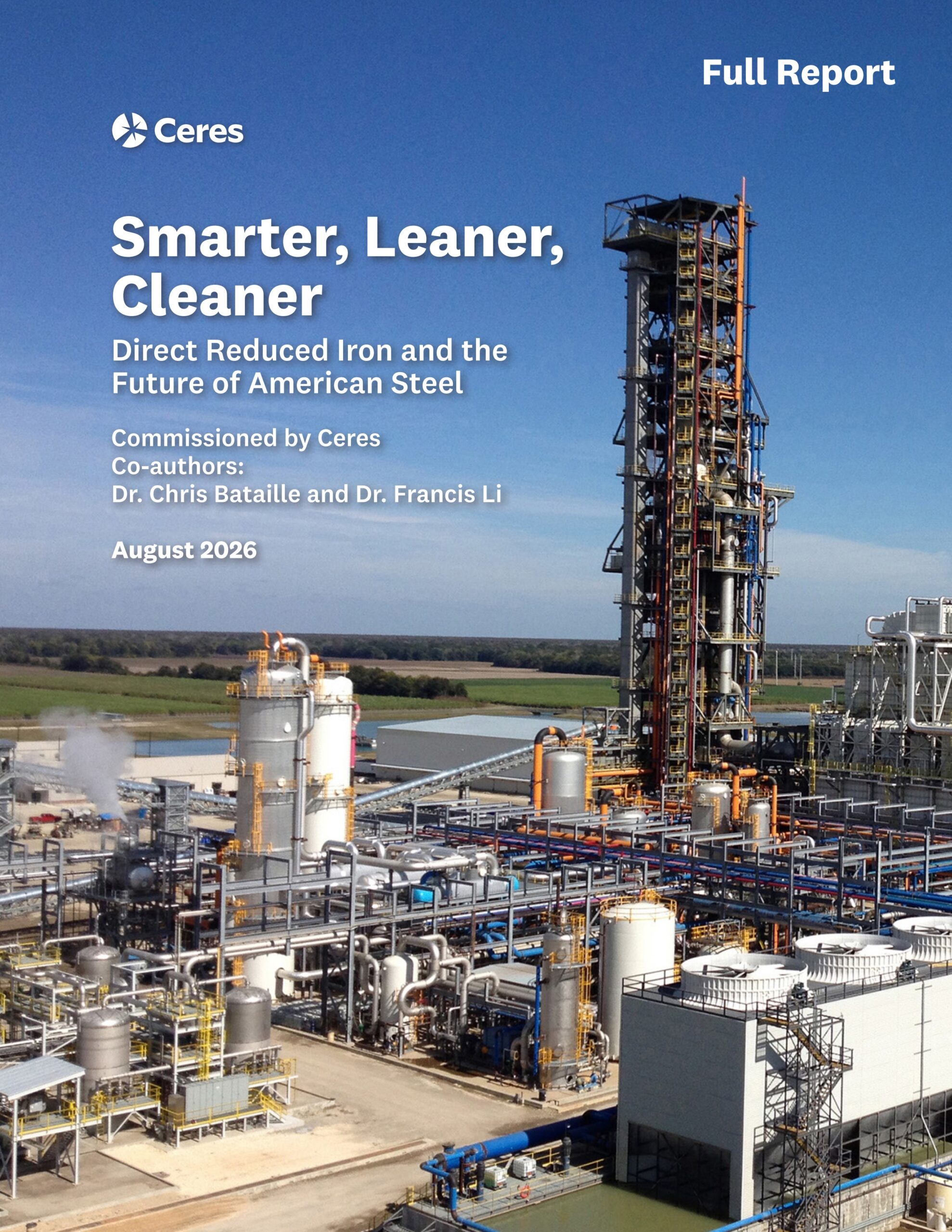
Smarter, leaner, cleaner: Direct reduced iron and the future of American steel
Direct Reduced Iron (DRI) is the most cost-effective new-build investment for the American steel sector. This analysis confirms that natural-gas-based DRI meets investment hurdles across all regions, offering a 15% real return and significant emissions reductions while providing flexibility for future hydrogen integration.

Community energy: Hope and headwinds
This report examines the Australian community energy sector, highlighting growth to over 126 projects by 2023. It explores the tension between strong community motivations and significant economic headwinds, such as scale diseconomies and market volatility. Key findings emphasise technical expertise and de-risking strategies as essential for success.
BSI Net Zero Barometer Report Series
This benchmark series examines the UK business landscape's transition to net zero. It tracks commitment levels, drivers, and barriers among senior decision-makers. The research explores how organisations are reframing sustainability as a commercial necessity and highlights the demand for government support, financial incentives, and standardised guidance to achieve 2050 targets.
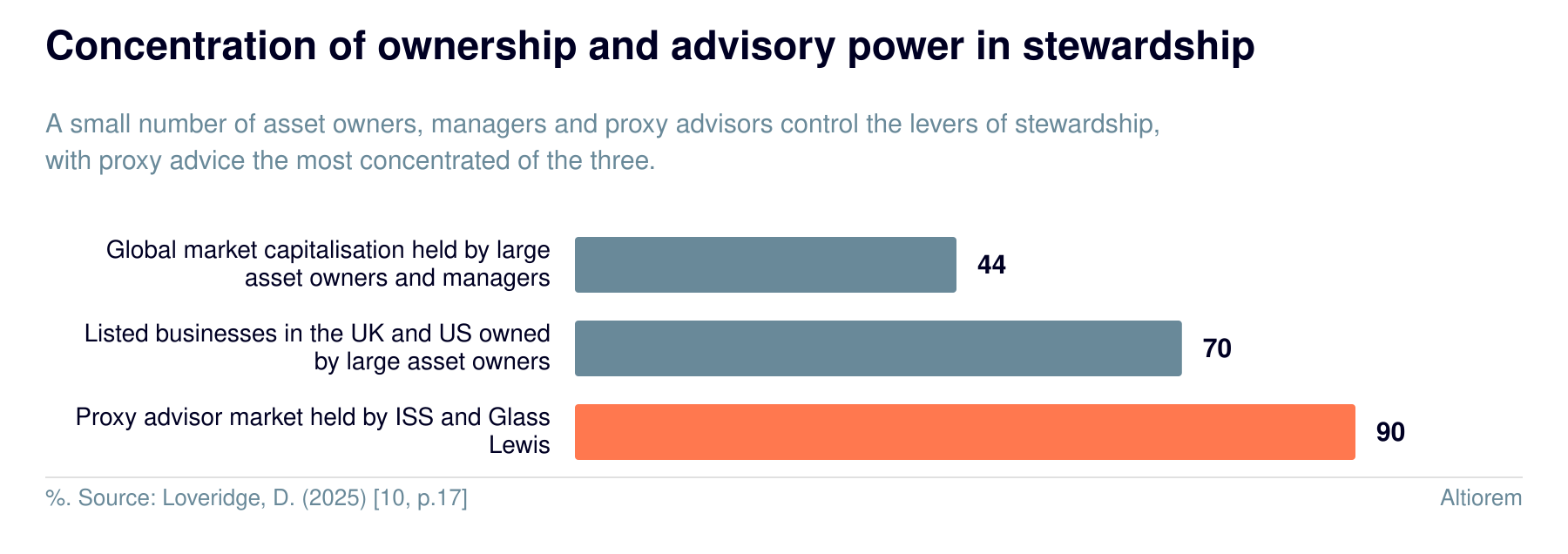
Does stewardship work in controversial sectors?
As at 2025 there were 56 stewardship codes worldwide, 49 of them jurisdiction-specific across 24 jurisdictions and six continents, yet the field has not agreed what stewardship is ultimately for. Codes and practitioner guidance converge on process: written policies, prioritisation by severity, escalation, contribution reporting. Legal scholarship published in 2026 questions whether shareholder pressure alone shifts corporate behaviour at all.
Faire Fonds Database
The Faire Fonds Database is a screening tool from Facing Finance and urgewald that analyses thousands of retail funds for controversial holdings. It identifies exposure to sectors like fossil fuels and weapons while highlighting potential greenwashing in ESG-labelled products.
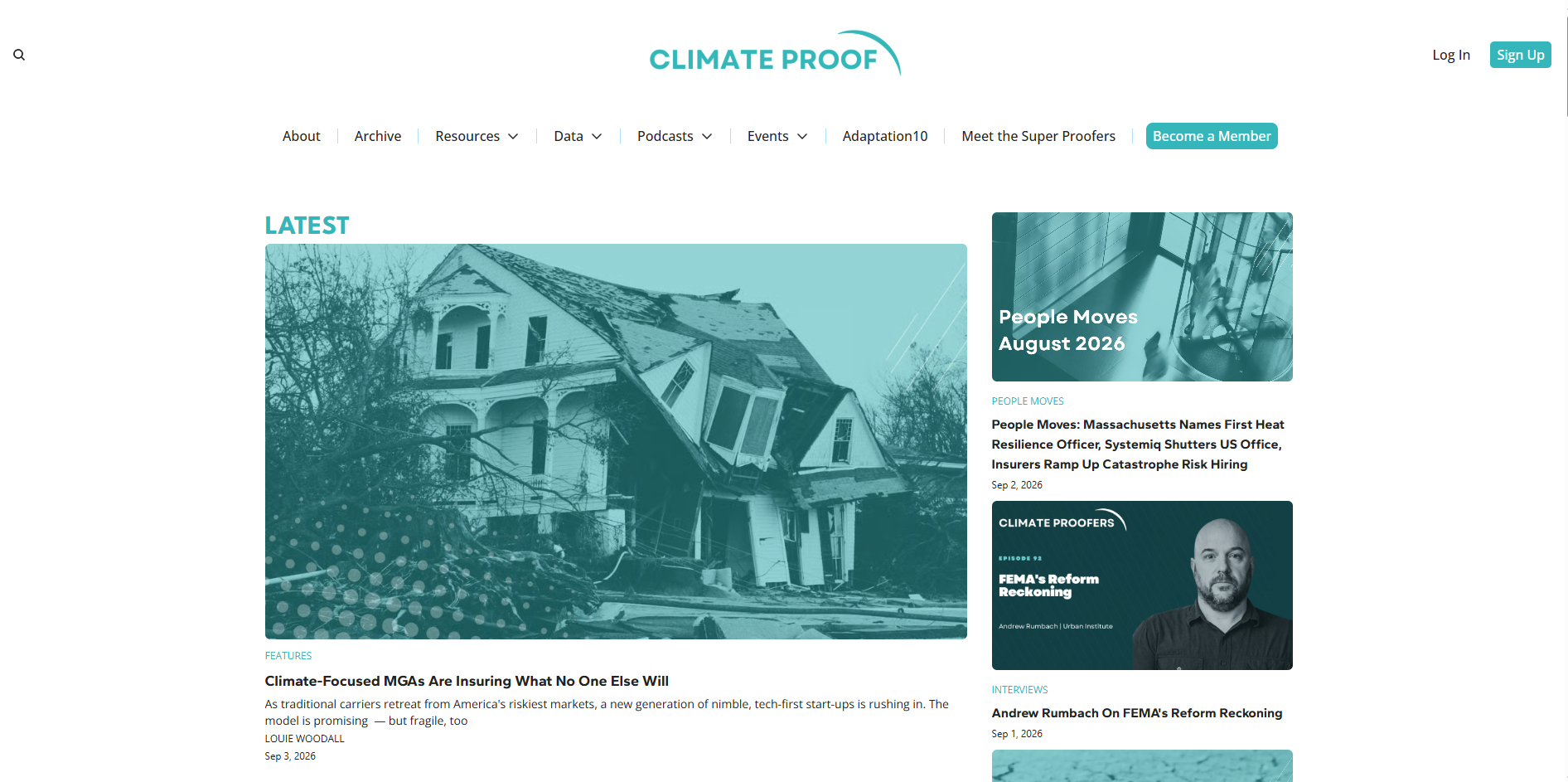
Climate Risk Signals Explorer
The Climate Risk Signals Explorer is an AI-powered analytical tool by Climate Proof that tracks climate risk mentions in corporate earnings calls, helping finance professionals monitor physical and transition risks.
SUSREG annual report series
This benchmark series provides a comprehensive assessment of sustainable financial regulations and central banking activities. It tracks progress across global jurisdictions in integrating climate, environmental, and social risks within banking, insurance, and capital markets sectors, supporting the transition towards a net-zero and nature-positive global economy.
Global EV Outlook series
This benchmark series monitors recent developments in electric mobility across the globe. Produced annually, the report examines deployment of vehicles and infrastructure, battery demand, and policy developments. It evaluates the implications of growing adoption for energy consumption and emissions across major and emerging markets.
Global Methane Tracker 2026
The International Energy Agency report analyses global energy-related methane emissions, highlighting 124 million tonnes emitted in 2025. It examines abatement strategies, satellite data advancements and policy trends. The research underscores that 30% of emissions could be reduced at no net cost, advocating for robust international standards and increased transparency.
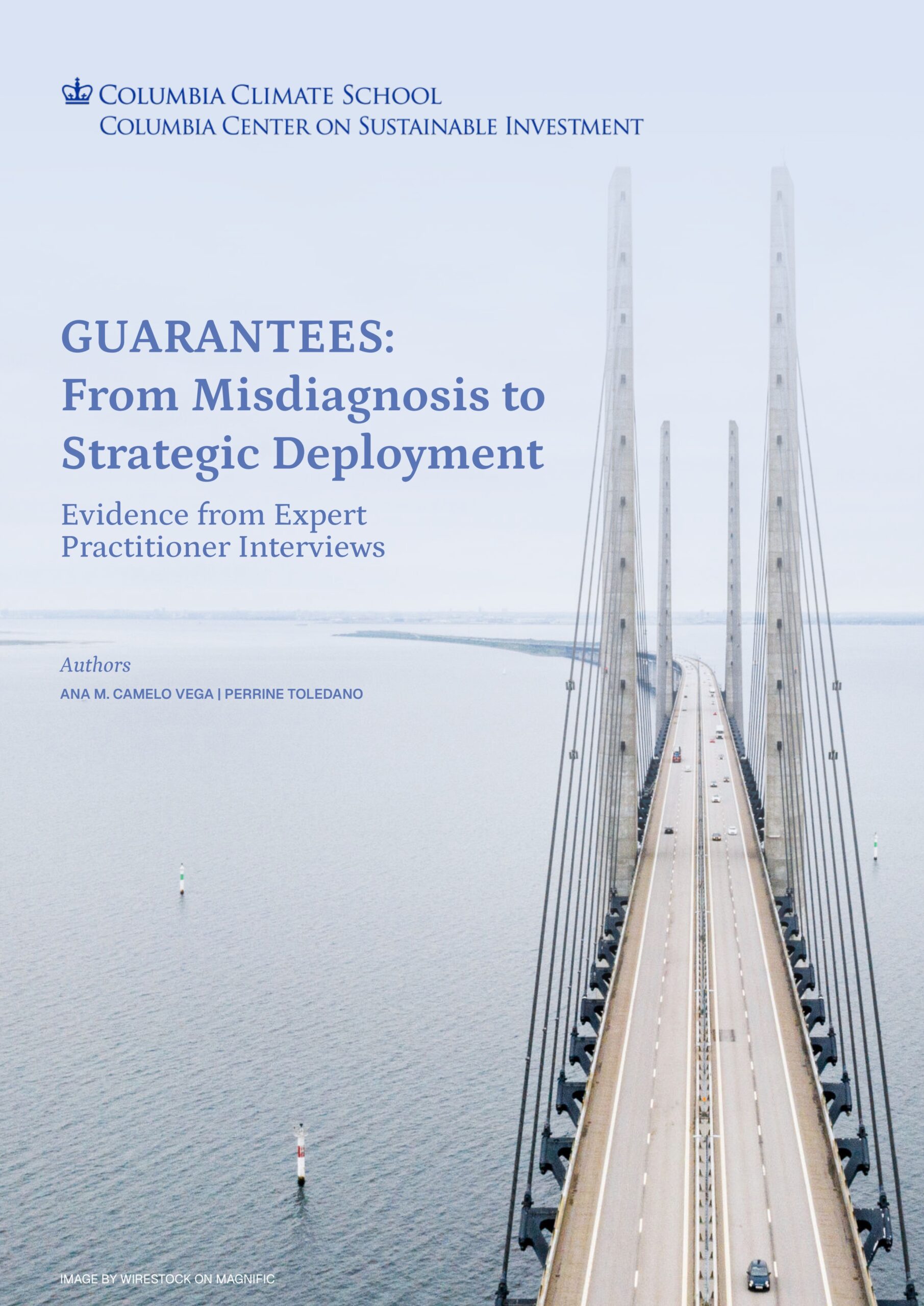
Guarantees: From misdiagnosis to strategic deployment: Evidence from expert practitioner interviews
This research examines why climate-aligned guarantees often fail to mobilise private capital effectively. It identifies structural misalignments within multilateral development banks and suggests that strategic deployment requires a move towards portfolio-based approaches, local-currency financing, and better risk layering to address specific investment constraints in emerging markets.
The Paris Agreement ten years later: Navigating climate uncertainty and tipping points
This research evaluates the Paris Agreement ten years on, highlighting critical implementation and ambition gaps. It identifies a triple-track crisis involving geophysical inertia, cognitive barriers, and policy lags. The report proposes a precautionary paradigm using technological and financial levers to navigate climate uncertainty and prevent irreversible tipping points.
How certain can we be about NGFS Climate Scenarios?
This research analyses uncertainty in Network for Greening the Financial System (NGFS) climate scenarios across four vintages and 254 variables. It finds that revisions to initial conditions and model recalibration often exceed scenario and model uncertainty, requiring cautious interpretation in financial risk assessments.
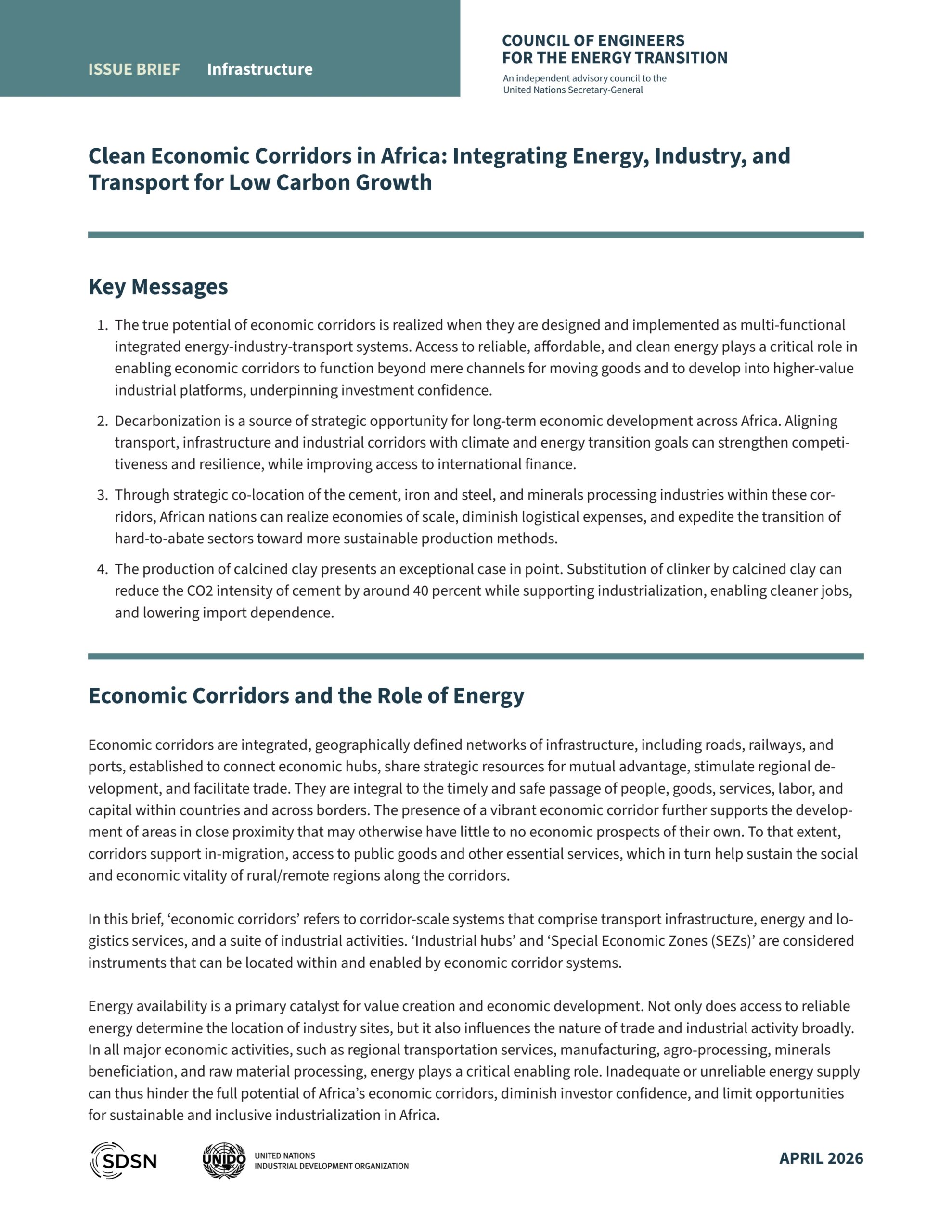
Clean economic corridors in Africa: Integrating energy, industry, and transport for low carbon growth
This report examines the development of integrated energy-industry-transport corridors in Africa to foster low-carbon growth. It details strategies for decarbonising logistics and manufacturing, particularly in steel and cement. By linking industrial hubs with renewable energy, African nations can enhance regional trade, competitiveness, and sustainable economic development.
Industrial policies for multi-stage production: The battle for battery-powered vehicles
This research analyses industrial policies for the multi-stage electric vehicle supply chain. It evaluates consumer subsidies and local content requirements, finding that while protectionist measures expand domestic production, they can significantly increase costs and reduce overall adoption compared to unconditional subsidies that maximise scale economies.
Best practice transition plans for listed equity asset managers
Most listed equity managers now have a target. Fewer have a plan that shows how it will be met. By January 2024, 264 Net Zero Asset Managers signatories had had their targets reviewed. Method is no longer the hard part.
Disaster resilience scorecard for cities: Addendum for extreme heat risk management
An addendum to the Disaster Resilience Scorecard for Cities, this tool helps local governments assess and strengthen extreme heat risk management. It uses 18 indicators to evaluate governance, infrastructure, and financial planning to build long-term urban resilience against rising temperatures.


