
Library | SDGs
GOAL 17: Partnerships to Achieve the Goal
Refine
284 results
REFINE
SHOW: 16


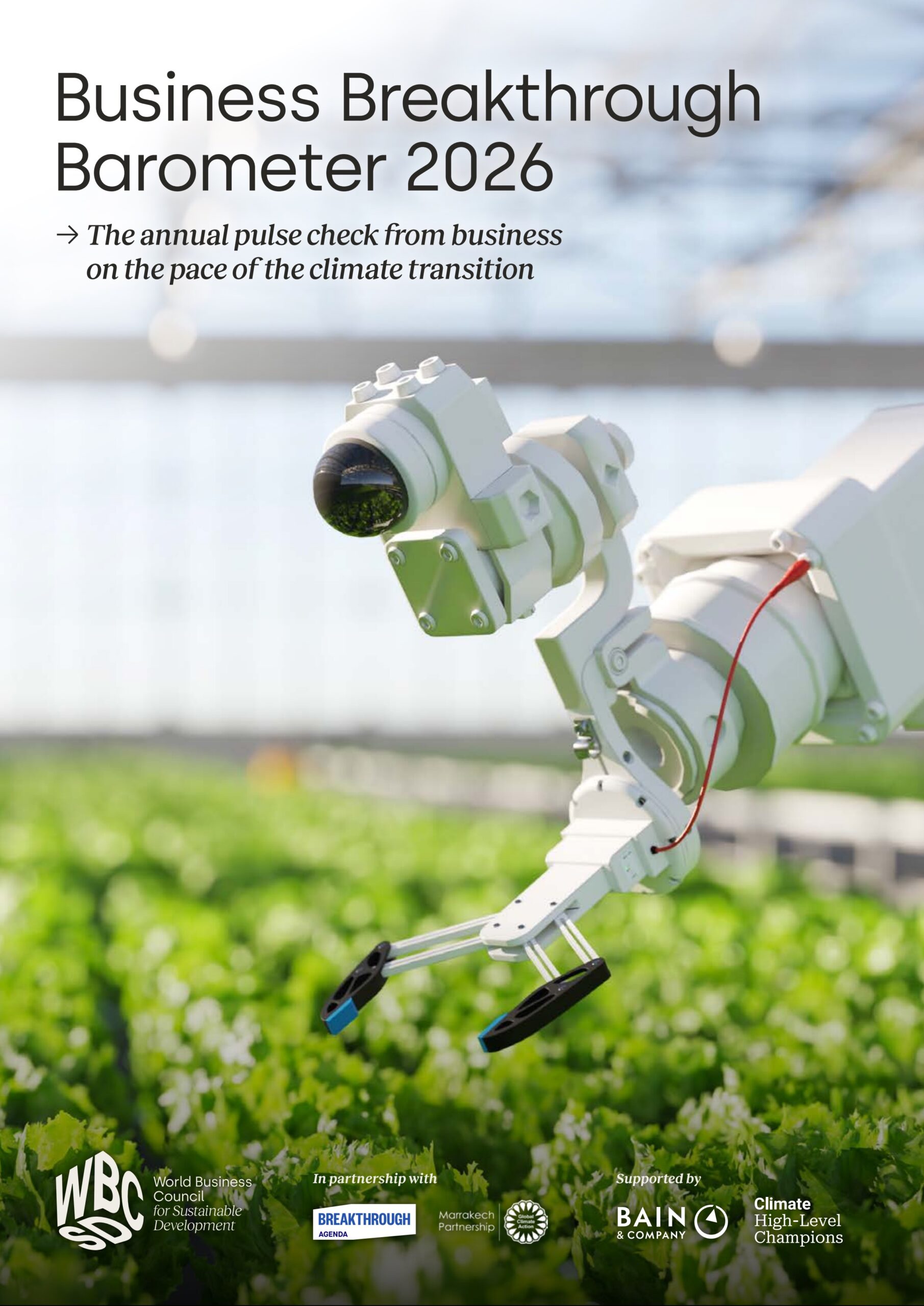
Business breakthrough barometer 2026: The annual pulse check from business on the pace of the climate transition
The Business Breakthrough Barometer 2026 surveys over 500 companies on the climate transition, finding 92% expect sustainability to deliver competitive advantage. While investment momentum holds, 68% of leaders see rising risks of a disorderly transition, urging predictable policy strengthening from governments to unlock private capital.
Time to get real: Current and future best practice for investor engagement on climate policy
This report examines how institutional investors engage on climate policy and sets out guidance for best practice. Drawing on interviews with 70+ individuals and a survey of investors representing approximately USD 33 trillion in AUM, it calls for a shift from disclosure-focused engagement towards real economy policies, and identifies three field-building priorities.
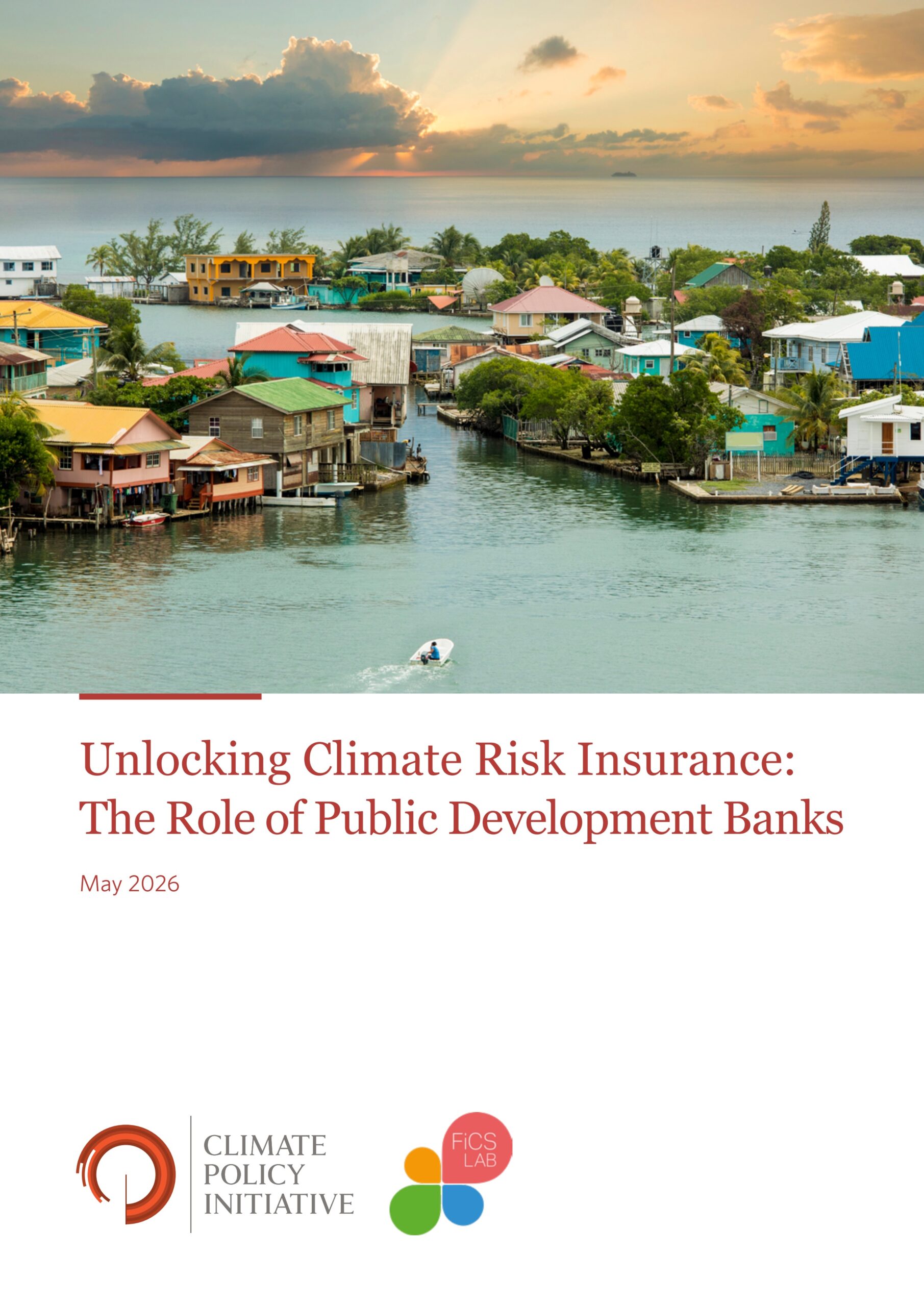
Unlocking climate risk insurance: The role of public development banks
This report examines how public development banks (PDBs) can expand climate risk insurance in emerging markets and developing economies. It identifies five key barriers to insurance uptake, analyses distinct roles for national, regional, and multilateral development banks, and provides recommendations to scale insurance solutions that build climate resilience.
Navigating nature-related data: Metrics, sources and uses
This NGFS information note examines available nature-related data resources and methods for integrating them into financial risk assessment. It reviews metrics and indicators against five key criteria, presents four case studies, and identifies data quality, availability, and standardisation challenges. Public-private collaboration and targeted investment are recommended to address data gaps.
Red lines in the Abyss: Growing financier concern over deep-sea mining
This report maps 82 financial institutions — representing approximately EUR 24 trillion in combined assets — that have excluded or expressed concern over deep-sea mining. Published by Seas At Risk and the Deep Sea Mining Campaign, it charts growing financier momentum against deep-sea mining and calls for explicit exclusion policies from both financial institutions and governments.
Nature-based solutions for a sustainable critical minerals value chain
This report examines how nature-based solutions (NbS) can be integrated into critical minerals mining. Drawing on case study research and expert events at Climate Week NYC and COP30, it identifies six resilience-building NbS categories and highlights the need for systems-based planning, community collaboration, and improved financing mechanisms.
Stablecoins in Africa: Translating global principles into local regulatory practice
This paper is the African Chapter of GDF's Global Stablecoin Regulatory Playbook. It examines how global stablecoin regulatory principles can be applied across Africa's diverse markets, addressing reserve management, consumer protection, AML/CFT compliance, and cross-border coordination, while accounting for local financial infrastructure, dollarisation risks, and varying supervisory capacity.
Investment treaties as catalysts for technology transfer in Africa
This policy brief analyses how African investment treaties — more than 1,000 signed to date — support or constrain technology transfer. It examines express and implied treaty restrictions, associated investor-state dispute risks, and recommends that African states adopt precisely drafted provisions and strengthen institutional capacity to enable meaningful technological advancement.
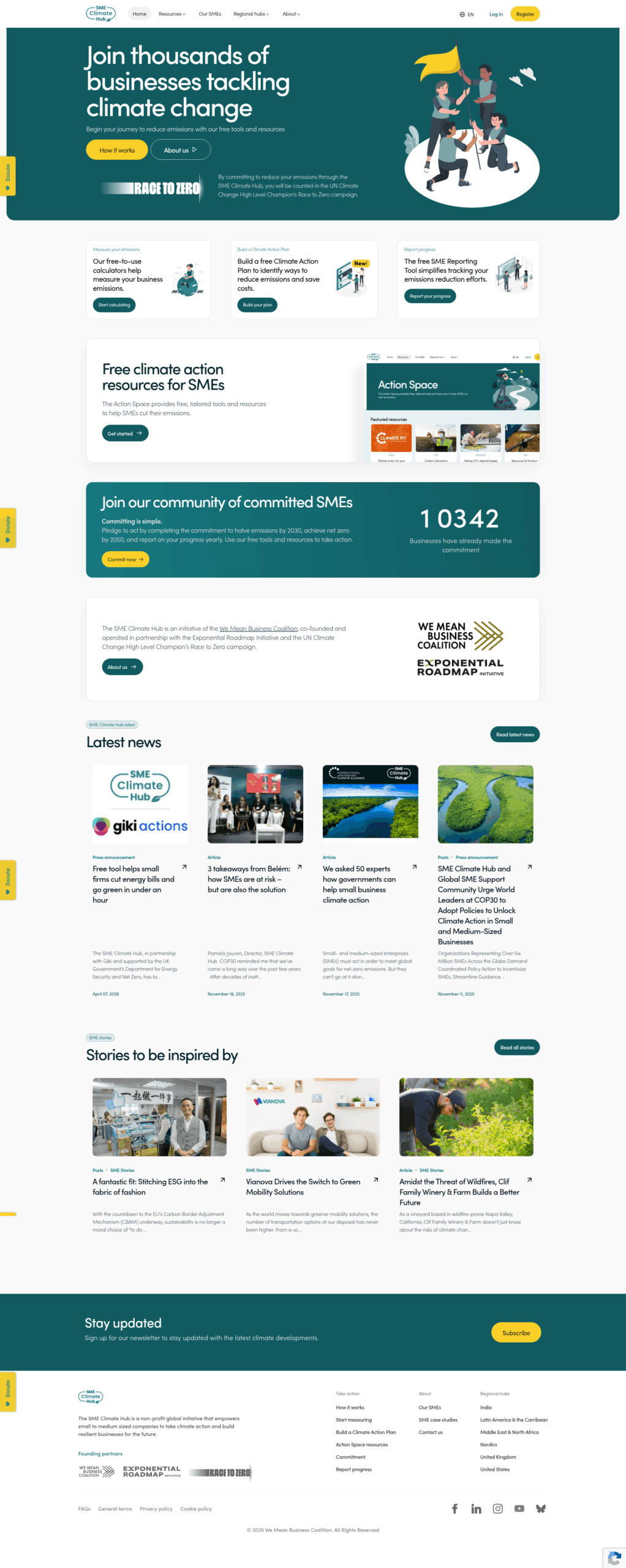
SME Climate Hub
Free platform helping SMEs measure emissions, build climate action plans, and report progress toward net zero by 2050.
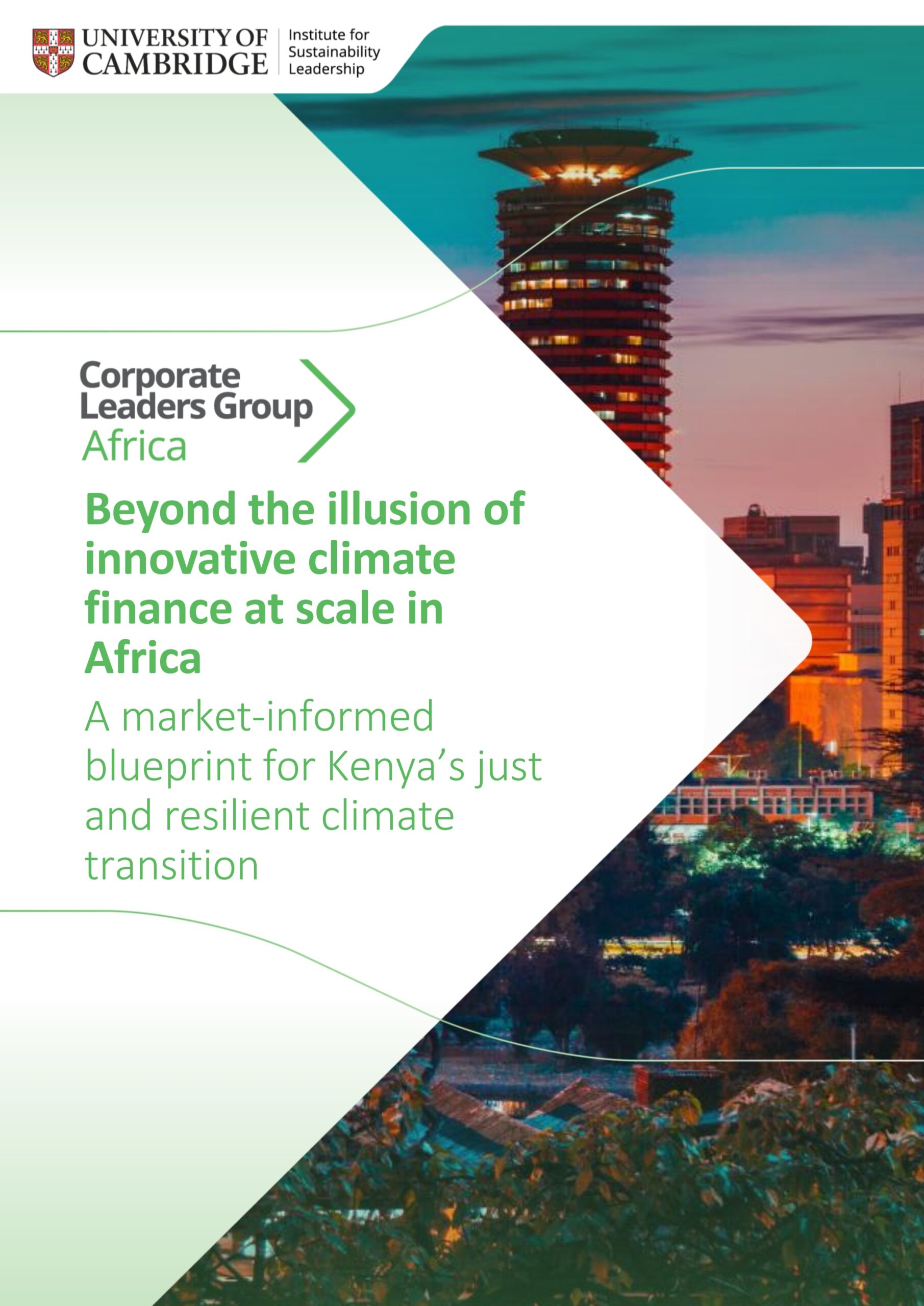
Beyond the illusion of innovative climate finance at scale in Africa: A market-informed blueprint for Kenya's just and resilient climate transition
This report examines why Kenya's climate finance gap persists despite strong institutions, renewable energy leadership and financial inclusion gains. It identifies seven flawed assumptions and recommends a nationally co-ordinated country investment platform to mobilise domestic capital, align incentives and deliver a just and resilient climate transition.
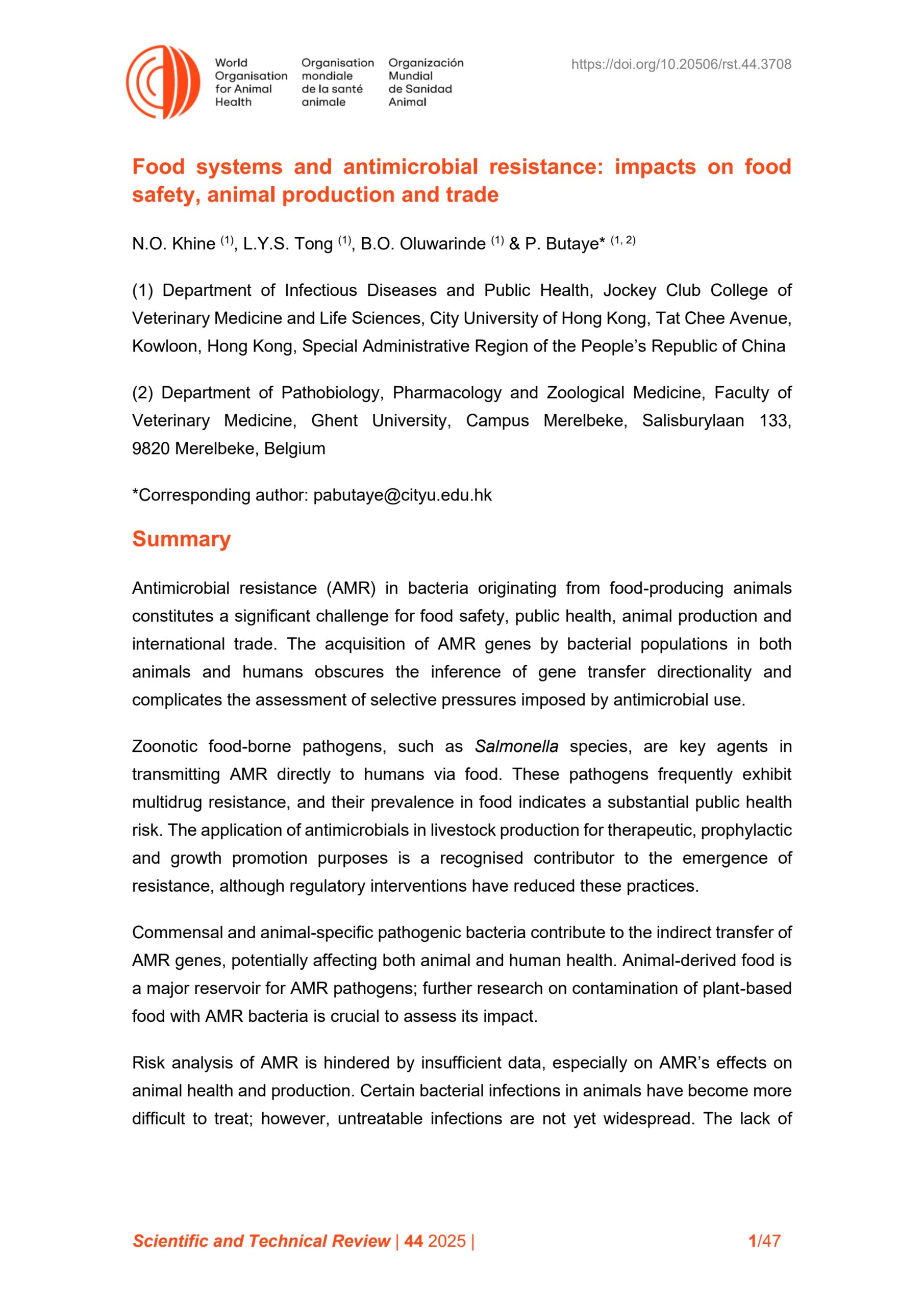
Food systems and antimicrobial resistance: Impacts on food safety, animal production and trade
This report examines the impact of antimicrobial resistance in food systems on public health, animal production, and international trade. It highlights the role of food-borne pathogens and commensal bacteria in transmitting resistance, evaluates risk analysis models, and recommends enhanced surveillance, antimicrobial stewardship, and standardisation of global trade regulations.
Market-shaping states: A new theory of public sector capacities and capabilities
This report introduces a market-shaping theory of the public sector, arguing that governments must act as proactive co-creators of public value. It presents a three-layered framework of structural capacities, organisational routines, and dynamic capabilities to help states navigate socio-technical challenges, steer innovation, and drive sustainable societal transformations.
Mobilising trade associations as a force for good: A playbook for companies
This playbook outlines a five-step framework for companies to manage their indirect policy engagement through trade associations. It provides guidance on articulating science-based climate policy priorities, assessing association alignment, engaging to drive improvement, and rigorously reviewing memberships to ensure they support corporate sustainability targets.
Tax Incentives in national investment laws: Bridging the gap between tax and investment policy-makers
This report analyses how tax incentives are embedded and governed within national investment laws across emerging markets and developing economies. It highlights coordination gaps between investment and tax authorities, the dominance of tax holidays, and the need for stronger anti-cumulation safeguards to prevent unintended revenue losses.
Value of nature: The investment case for nature-based solutions
This report examines how Ecosystem Service Valuation (ESV) can scale finance for Nature-based Solutions (NbS). By revealing the distribution of socio-economic benefits and costs across stakeholders, ESV provides a standardised framework to inform financial mechanisms and structure effective public-private partnerships.
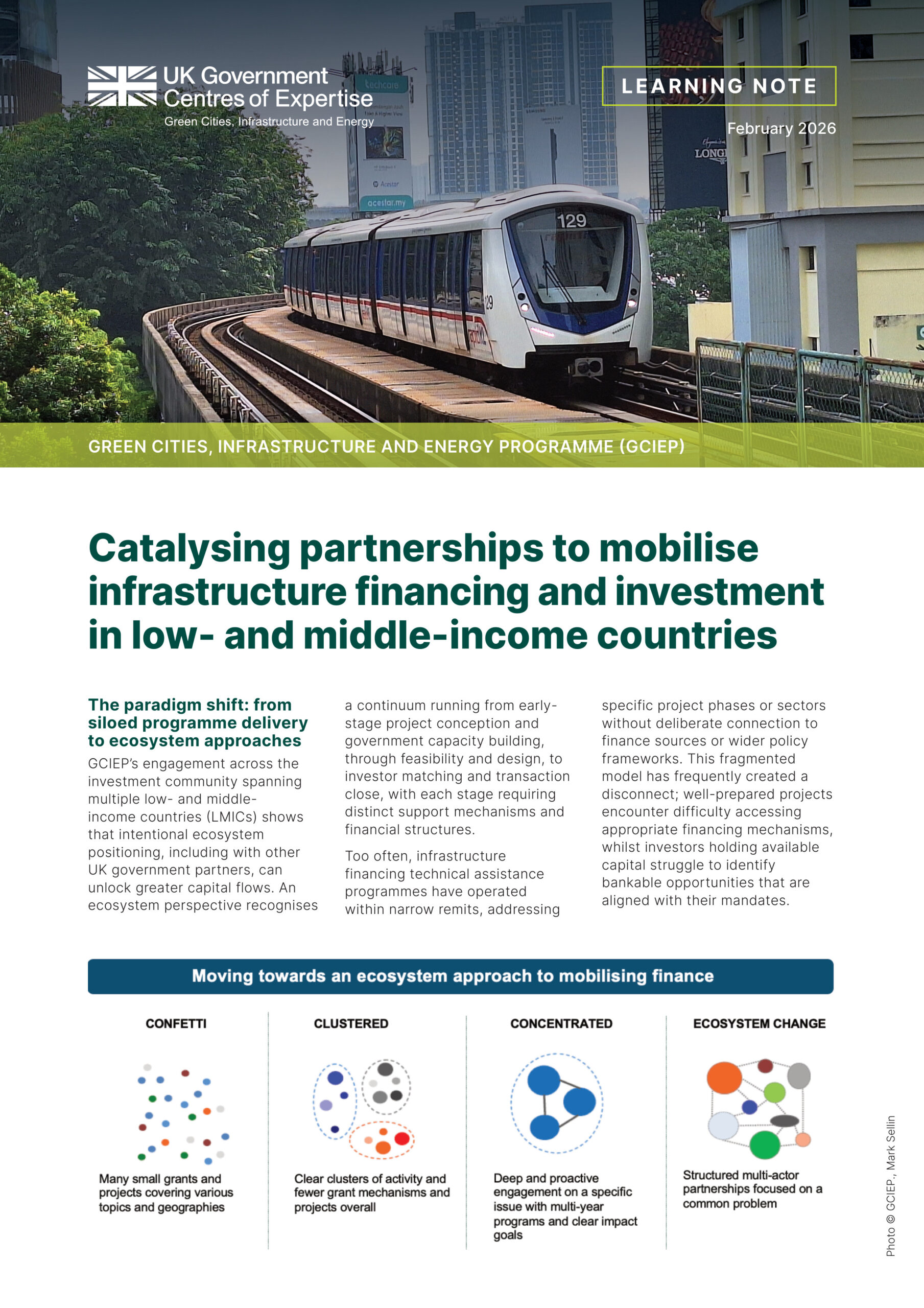
Catalysing partnerships to mobilise infrastructure financing and investment in low- and middle-income countries
This learning note explores how an ecosystem approach to infrastructure financing can mobilise capital in low- and middle-income countries. It highlights the importance of early finance engagement, de-risking mechanisms, and integrated partnerships to transform technically sound projects into commercially viable investments.


