
Library | SASB Sustainability Sector
Alternative Energy
Refine
204 results
REFINE
SHOW: 16


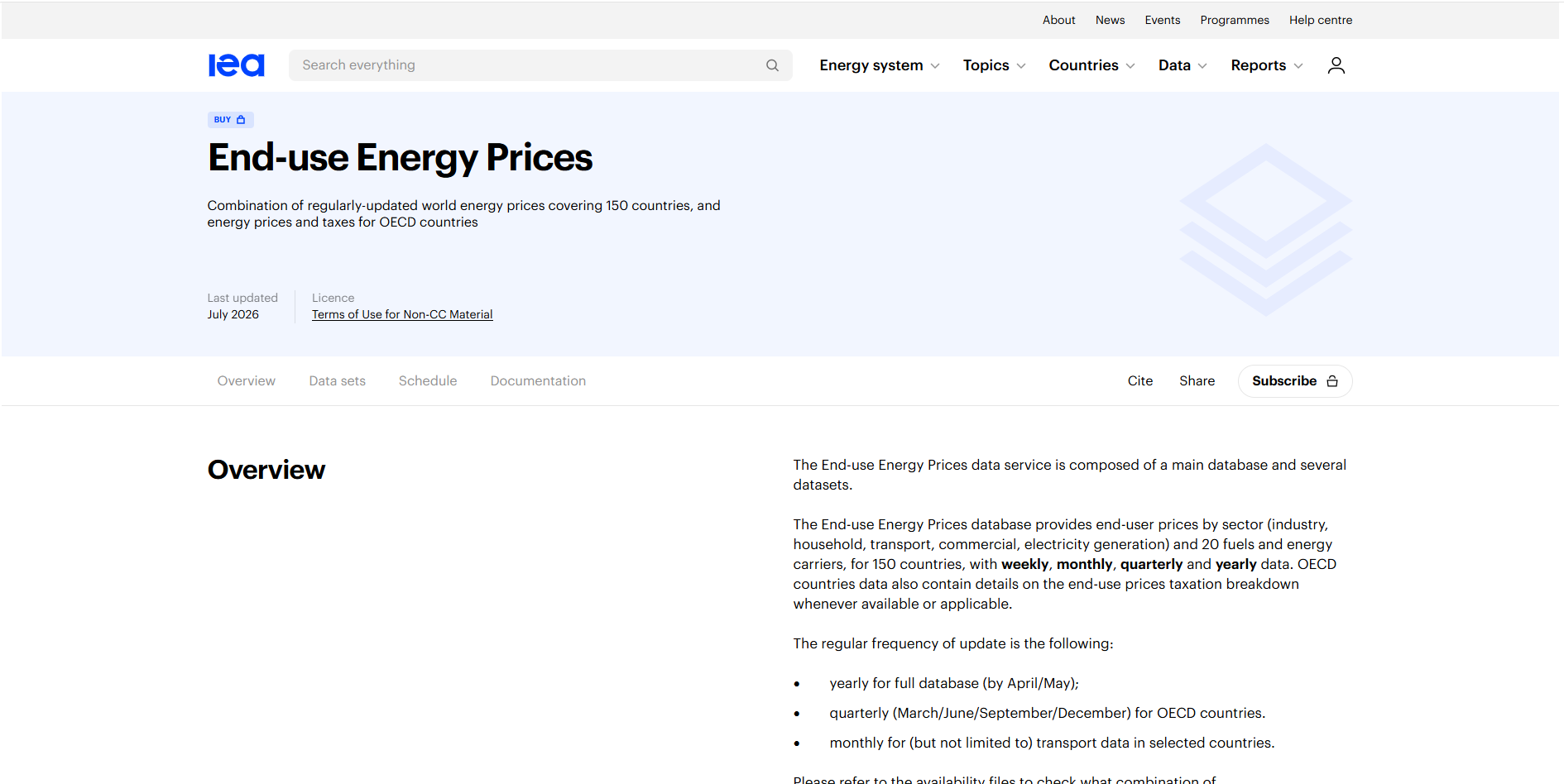
2026 IEA Energy Prices Database
The 2026 IEA Energy Prices Database provides comprehensive global data on energy prices, investment trends, and capital flows. It supports finance professionals in assessing market volatility, conducting risk analysis, and evaluating energy sector investments.
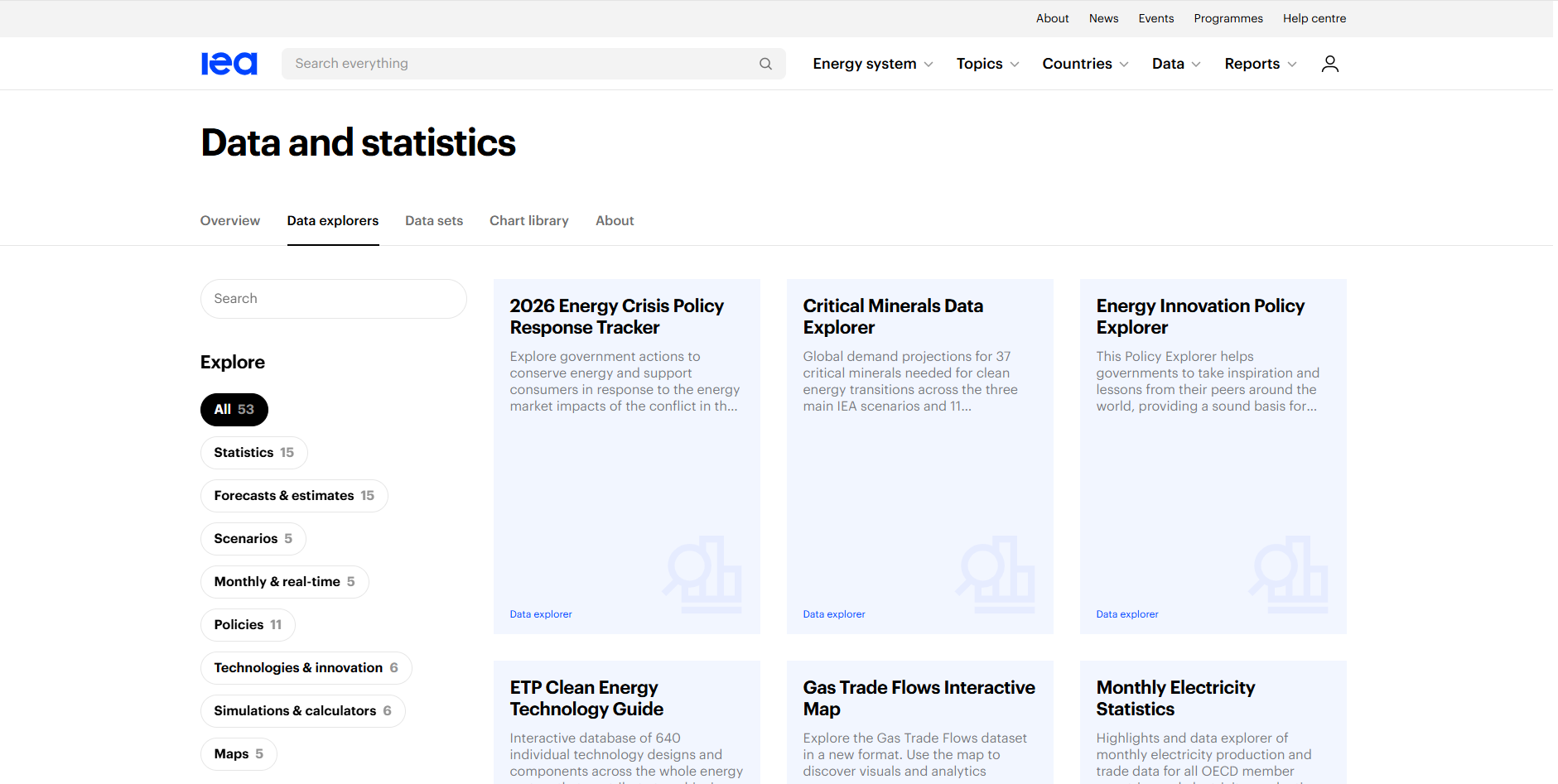
IEA's interactive data explorer
The IEA's Interactive data explorer provides access to visualisations and databases covering 640 energy technology designs and global climate commitments. It assists finance professionals in tracking energy transitions and regional net zero outlooks.
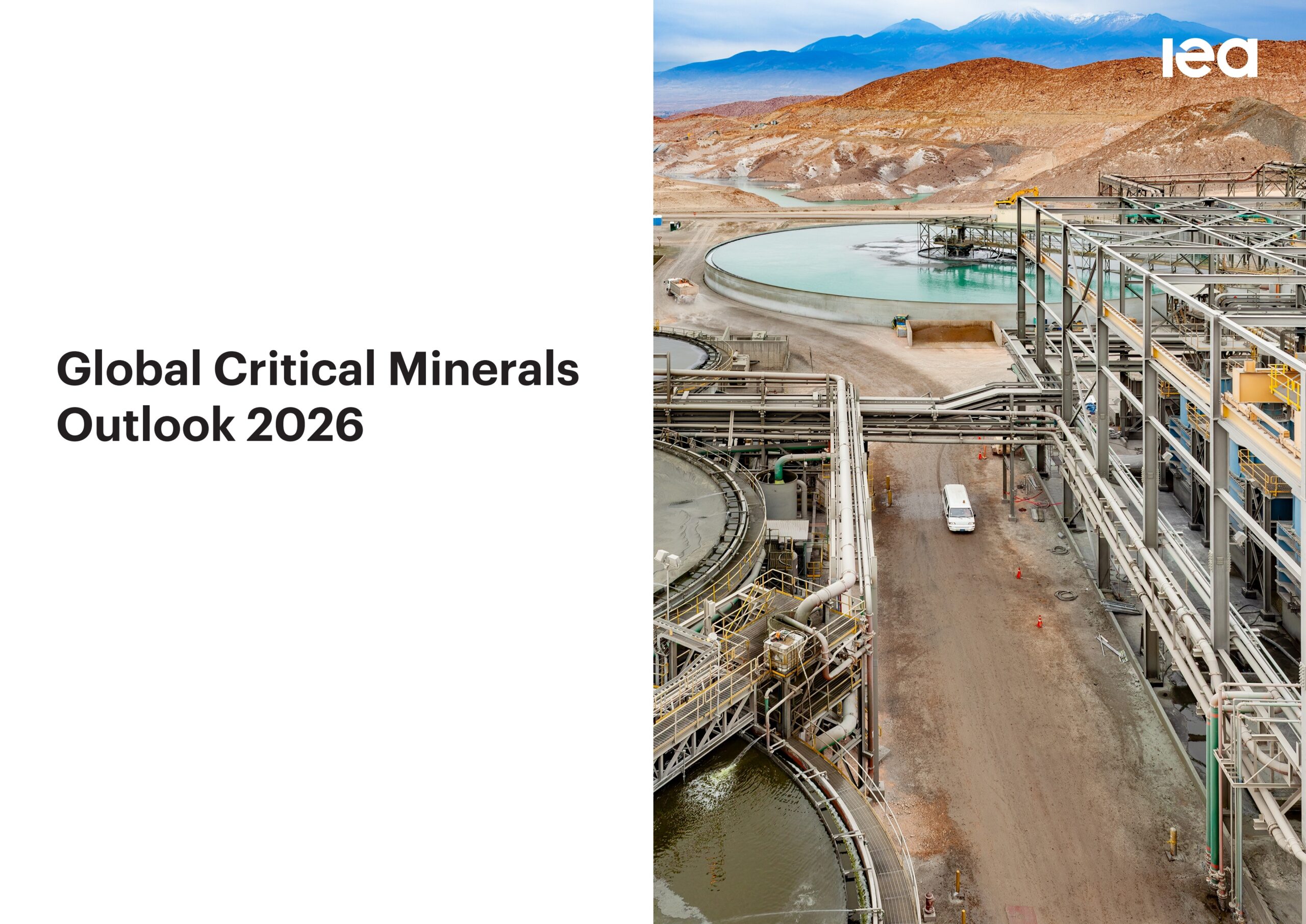
Global critical minerals outlook series
The Global Critical Minerals Outlook is an annual series published by the IEA that tracks market, investment, technology, and policy trends across critical mineral supply chains. Each edition provides medium- and long-term demand and supply projections for key energy minerals, covering supply security, concentration risks, and diversification developments.
Global energy review series
The Global Energy Review is an annual benchmark series published by the International Energy Agency (IEA) that assesses trends across the entire energy sector, covering all fuels, technologies, regions, and energy-related CO2 emissions for the preceding calendar year.

Clean cooking in Africa 2026: Progress report
This report evaluates progress toward universal clean cooking access in sub-Saharan Africa. While delivery rates have tripled since 2010, population growth continues to outpace gains. The analysis covers investment trends, infrastructure development, and the impact of the 2026 energy crisis on regional fuel supply chains.
Scientific Climate Ratings
Scientific Climate Ratings delivers forward-looking, science-based climate risk ratings quantifying financial materiality of physical and transition risks for infrastructure assets globally.
Transition Acceleration Framework (TAF)
TAF is a forward-looking analytical framework by Rhodium Group that evaluates where climate investment and policy will accelerate decarbonisation.
EDHEC Climate Institute Resource Hub
EDHEC Climate Institute is a climate finance research resource that provides research, analytical tools and data on climate-related financial risks, transition pathways and climate policy. It supports finance professionals with evidence-based insights for investment analysis, risk assessment and decision-making on climate-related issues.
Project Preparation Support Database (PPSD)
Searchable database of project preparation facilities and climate-focused incubators helping developers and investors access support for bankable climate projects.
CEF Newsletter
The CEF Newsletter delivers updates and financial analysis on the global energy transition, renewable energy markets, and climate policy.

Driving Australian climate innovation: Unlocking capital to support a clean industrial revolution
Commissioned by IGCC and authored by Pollination, this report reviews climate innovation policy in California, Denmark, the Netherlands, South Korea and Germany to identify gaps in Australia's policy landscape and recommend measures to drive transition industry investment, including strengthening the Safeguard Mechanism and establishing a national industrial strategy.
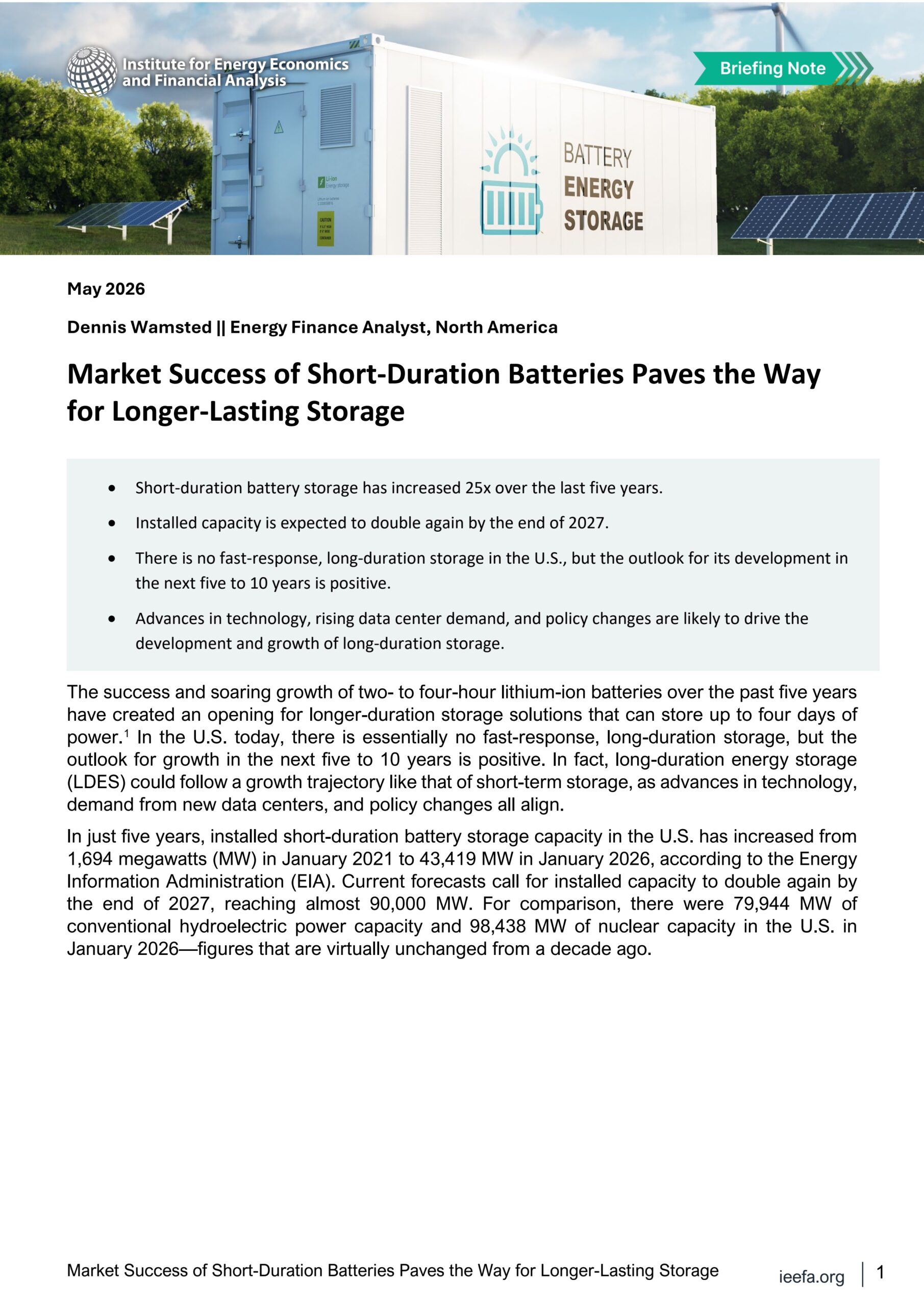
Market success of short-duration batteries paves the way for longer-lasting storage
Short-duration battery storage in the U.S. has grown 25x in five years, reaching 43,419 MW. This IEEFA report examines how that success is opening pathways for long-duration energy storage, driven by state mandates, data centre demand from AI companies, and advances in technologies including iron-air, liquid air, and carbon-oxygen systems.
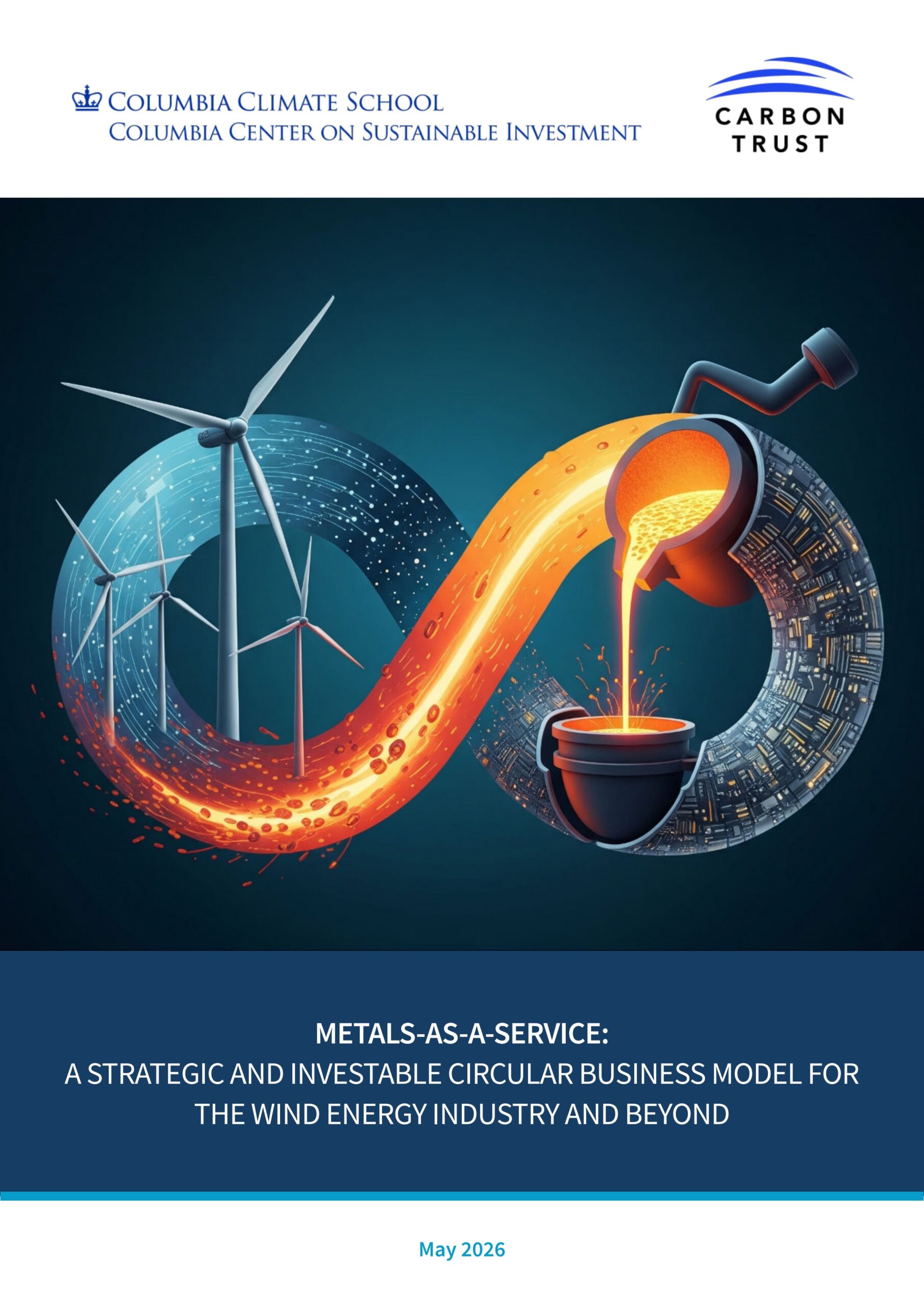
Metals-as-a-Service: A strategic and investable circular business model for the wind energy industry and beyond
Metals-as-a-Service (MaaS) proposes a circular business model for the wind energy sector and beyond, in which metal ownership is retained by a Special Purpose Vehicle throughout the asset lifecycle. The model converts metal procurement from capital expenditure into a service-based structure, enabling securitisation, improved supply security, and circular value creation.
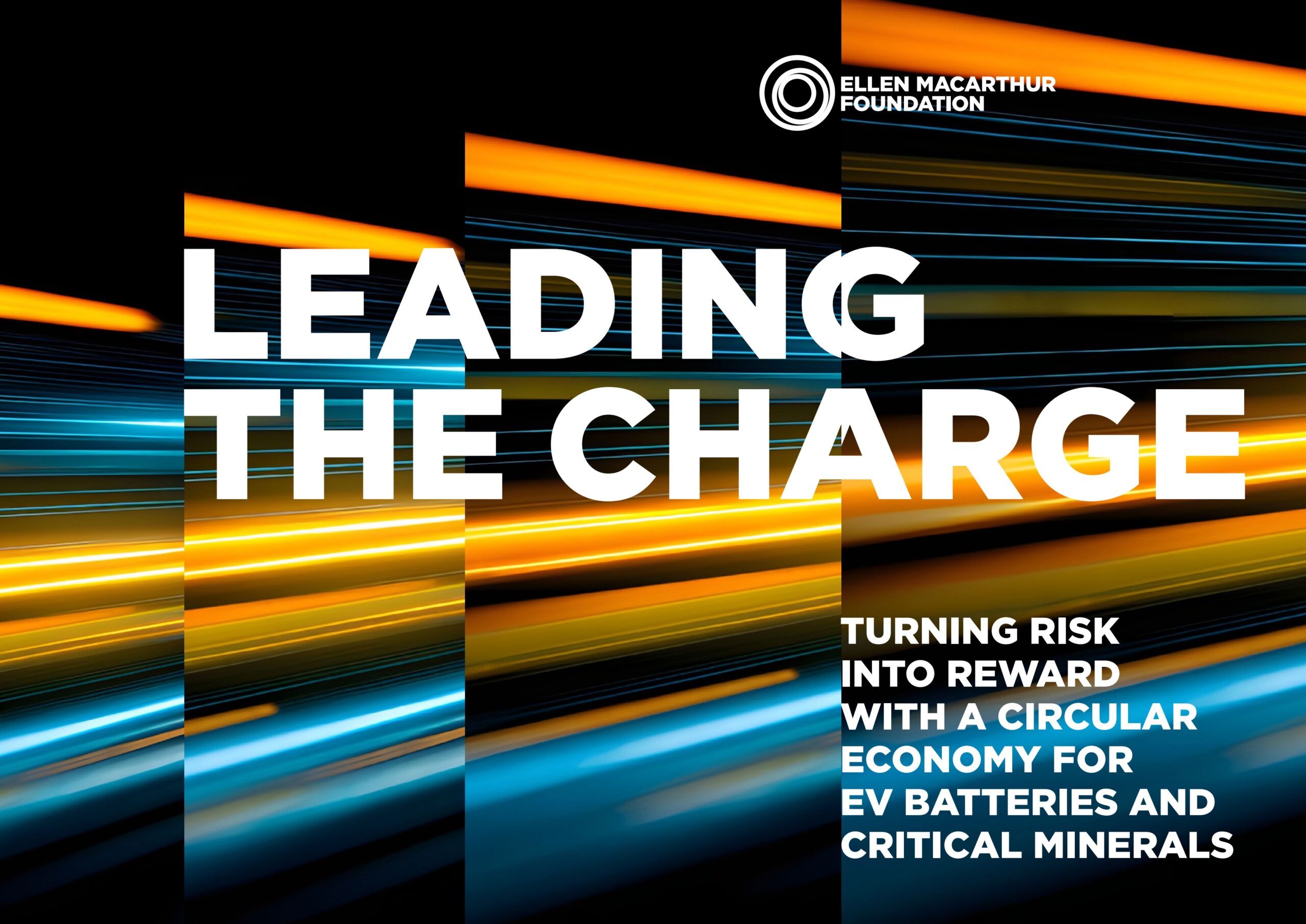
Leading the charge: Turning risk into reward with a circular economy for EV batteries and critical minerals
This report by the Ellen MacArthur Foundation examines systemic risks in the EV battery value chain and sets out a circular economy framework, identifying five bright spots — battery design, rightsizing, circular business models, regional infrastructure, and data transparency — to build resilience and reduce critical mineral demand.
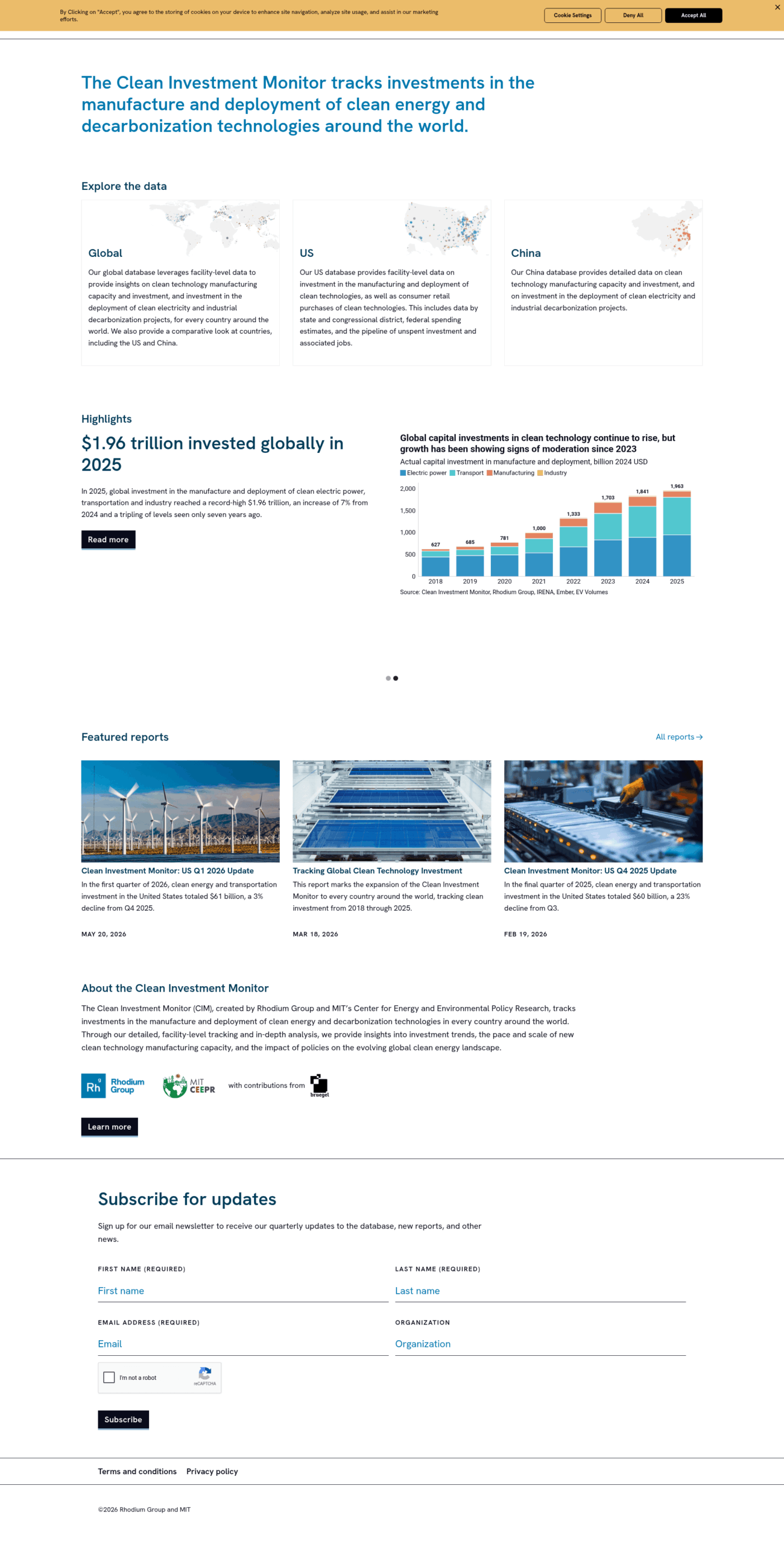
The Clean Investment Monitor
Tracks global investment in clean energy and decarbonisation technologies using facility-level data, covering the US, China, and all countries worldwide.
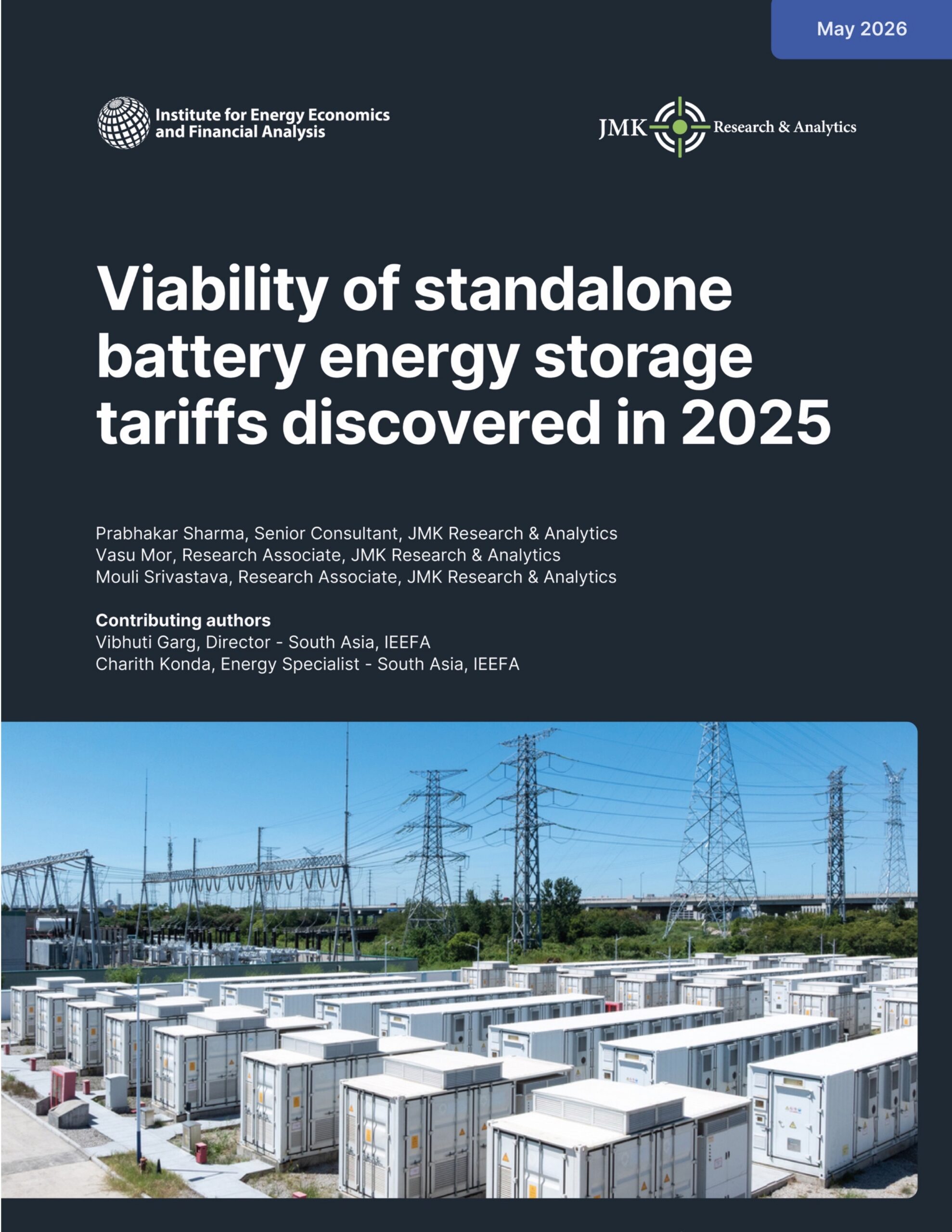
Viability of standalone battery energy storage tariffs discovered in 2025
This report examines the viability of standalone battery energy storage tariffs in India during 2025. It highlights a significant divergence between aggressive tariff reductions and actual project costs, evaluating associated execution risks, supply chain dependencies, and the need for procurement framework reforms to ensure sector resilience.


