
Library | SASB Sustainability Sector
Extractives and Minerals Processing
Refine
375 results
REFINE
SHOW: 16


Mobilising capital for India’s critical minerals sector
This report examines financing challenges in India's critical minerals sector across upstream, midstream, and recycling segments. It evaluates the National Critical Mineral Mission's role in addressing capital gaps and suggests de-risking projects to ensure commercial viability and support India’s energy transition goals through strategic policy and international partnerships.
Extraction to equity: Responsible finance and trade for critical minerals in Asia
The report examines critical mineral value chains across selected ASEAN countries, highlighting downstream processing ambitions alongside environmental, human rights and governance risks. It finds trade agreements lack adequate sustainability safeguards and recommends stronger due diligence, impact assessments, benefit-sharing, local value addition, transparency and sustainable finance taxonomies.
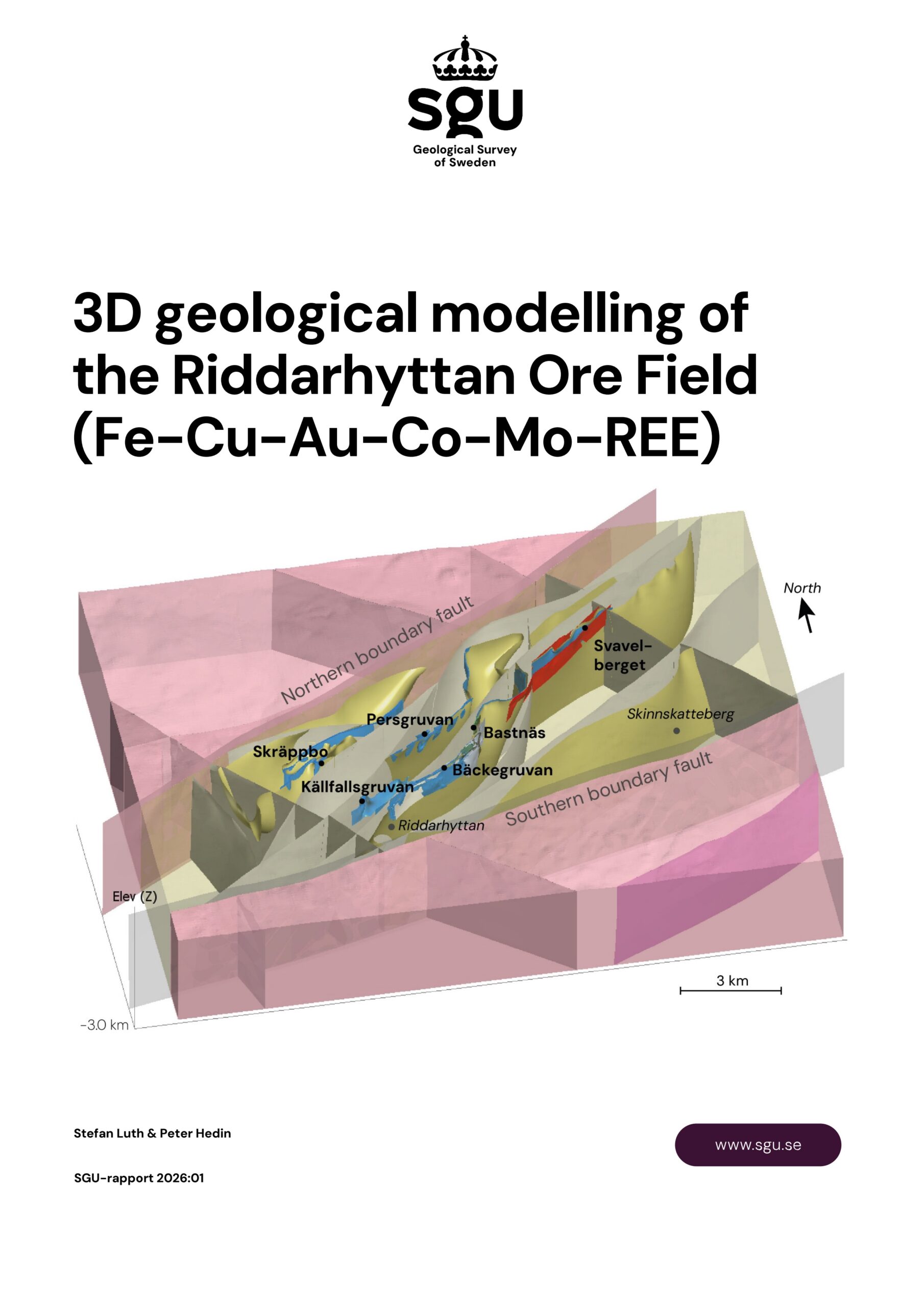
3D geological modelling of the Riddarhyttan Ore Field (Fe-Cu-Au-Co-Mo-REE)
This report details 3D geological modelling of the Riddarhyttan Ore Field, identifying significant iron, copper, and rare earth element mineralisations. Characterising complex deformation patterns, the research suggests orebodies extend below historical mining depths, indicating high potential for future resource extraction within the western Bergslagen region.
2026 IEA Energy Prices Database
The 2026 IEA Energy Prices Database provides comprehensive global data on energy prices, investment trends, and capital flows. It supports finance professionals in assessing market volatility, conducting risk analysis, and evaluating energy sector investments.

EU energy and raw materials mechanism platform
EU Commission platform aggregating demand for critical raw materials to connect buyers, suppliers, and financial institutions across strategic sectors.
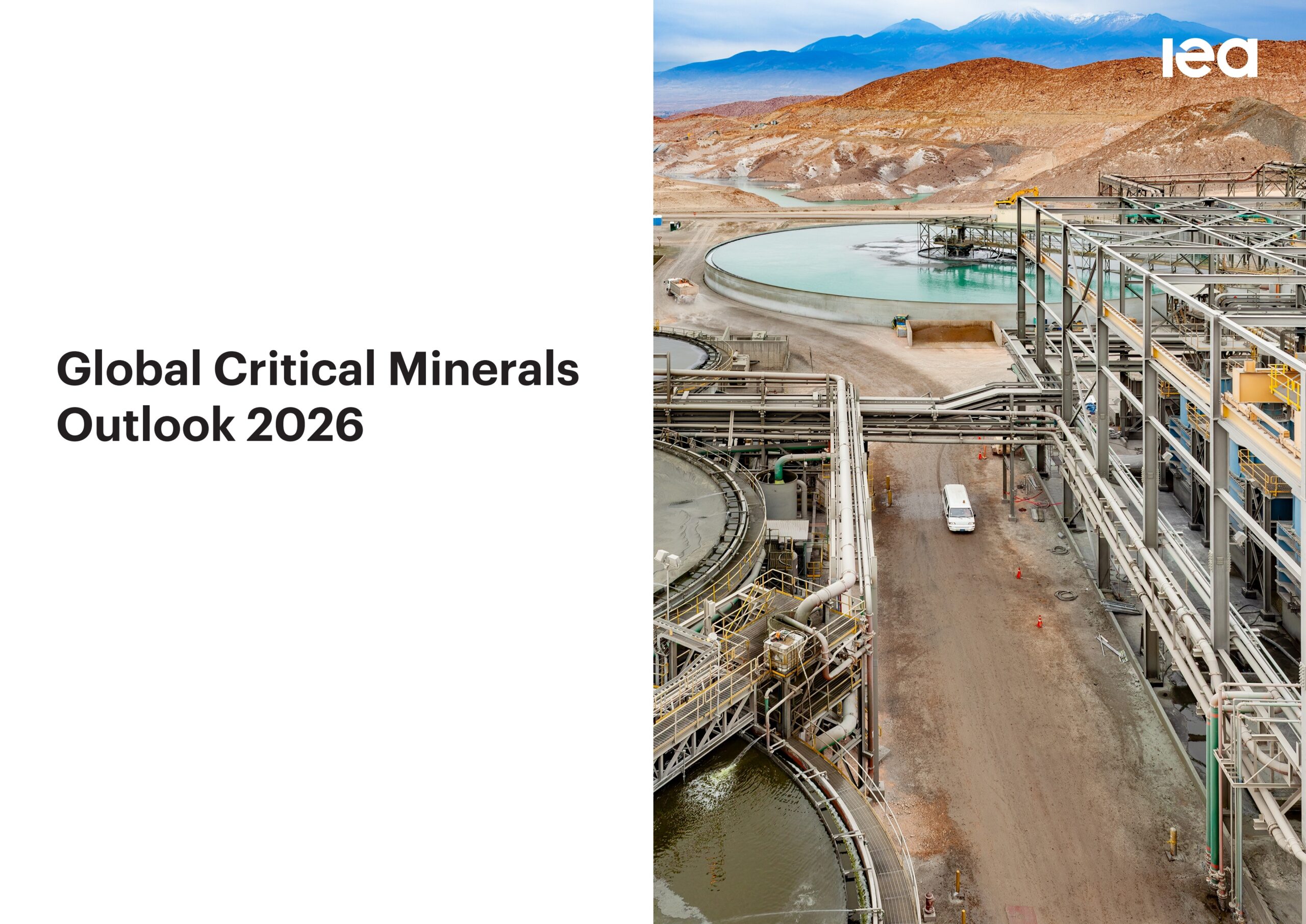
Global critical minerals outlook series
The Global Critical Minerals Outlook is an annual series published by the IEA that tracks market, investment, technology, and policy trends across critical mineral supply chains. Each edition provides medium- and long-term demand and supply projections for key energy minerals, covering supply security, concentration risks, and diversification developments.

Global energy review series
The Global Energy Review is an annual benchmark series published by the International Energy Agency (IEA) that assesses trends across the entire energy sector, covering all fuels, technologies, regions, and energy-related CO2 emissions for the preceding calendar year.
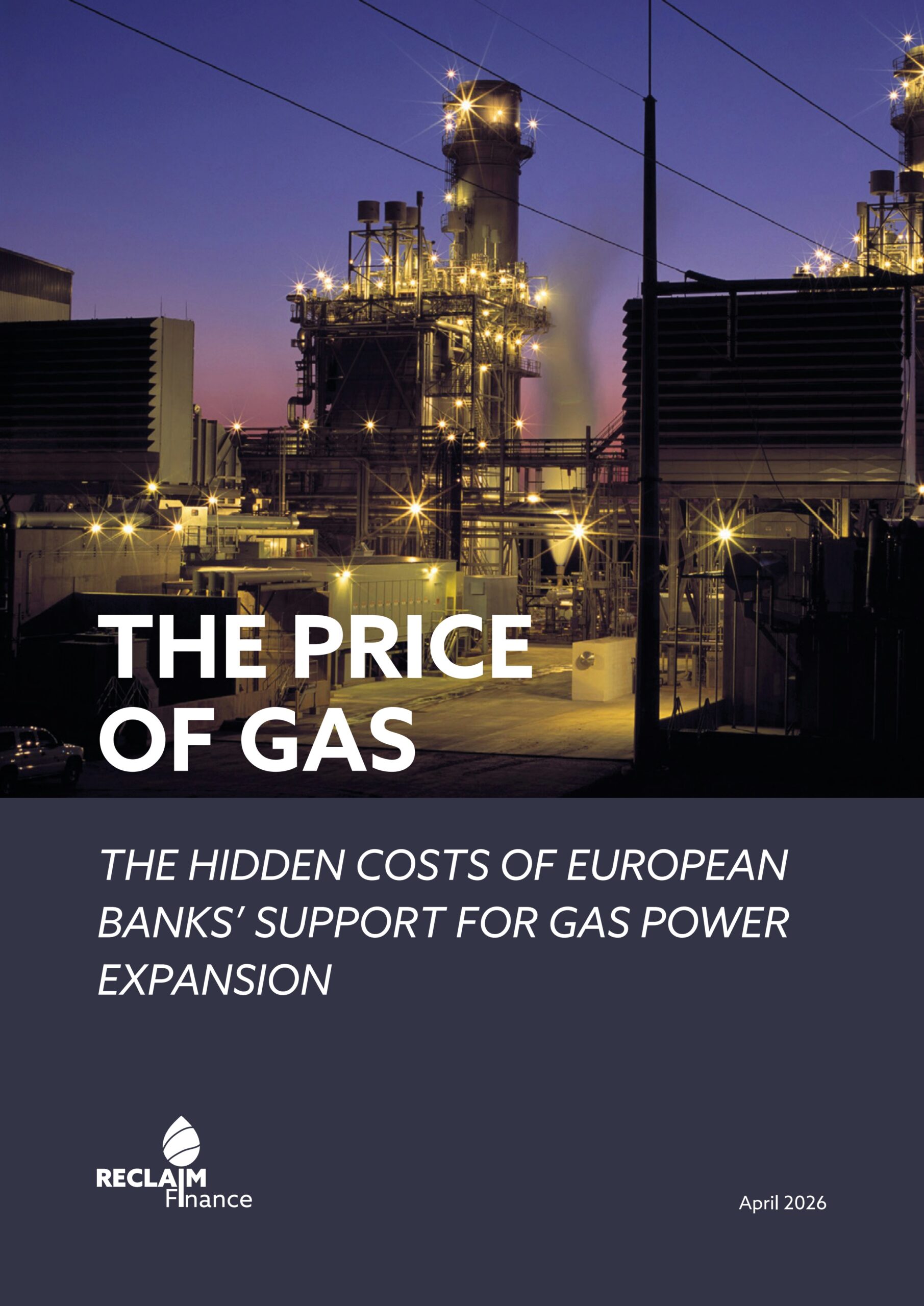
The price of gas: The hidden costs of European banks’ support for gas power expansion
This report examines how 24 European banks provided US$41.9 billion to gas power developers between 2021 and 2024. It highlights significant health impacts, including nearly 3,000 premature deaths in Europe, and warns that expanding gas infrastructure undermines global climate targets and exposes economies to price volatility.

Retreat or respect? Diverging corporate paths on human rights in a time of turbulence
This BHRC report examines how top US companies are responding to mounting pressure on human rights standards. It identifies three corporate pathways: active deregulatory lobbying by Big Oil and Big Tech, quiet retreat from human rights commitments, and continued adherence. Survey data from April 2026 reveals significant reductions in human rights staffing and budgets.

Red lines in the Abyss: Growing financier concern over deep-sea mining
This report maps 82 financial institutions — representing approximately EUR 24 trillion in combined assets — that have excluded or expressed concern over deep-sea mining. Published by Seas At Risk and the Deep Sea Mining Campaign, it charts growing financier momentum against deep-sea mining and calls for explicit exclusion policies from both financial institutions and governments.
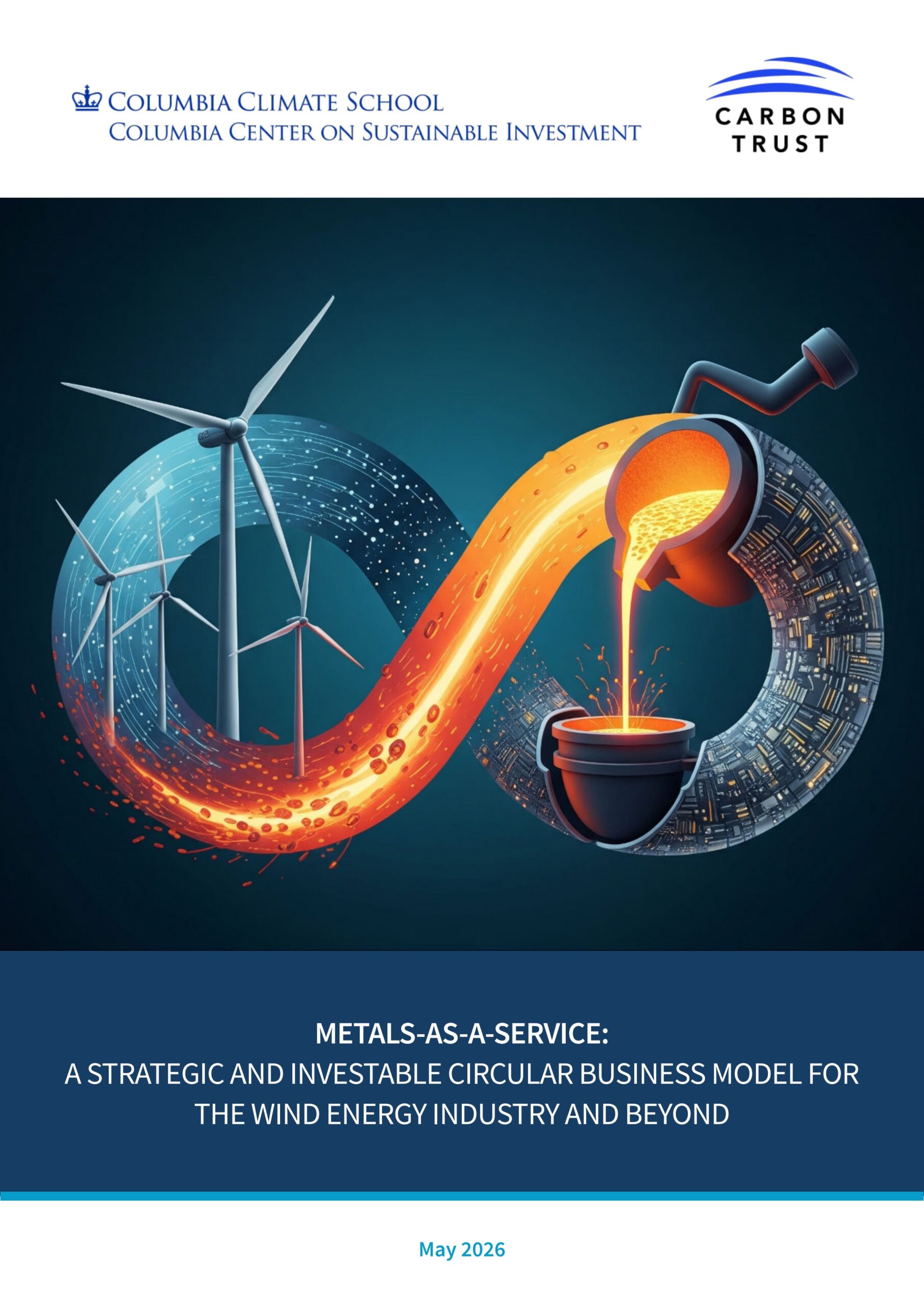
Metals-as-a-Service: A strategic and investable circular business model for the wind energy industry and beyond
Metals-as-a-Service (MaaS) proposes a circular business model for the wind energy sector and beyond, in which metal ownership is retained by a Special Purpose Vehicle throughout the asset lifecycle. The model converts metal procurement from capital expenditure into a service-based structure, enabling securitisation, improved supply security, and circular value creation.
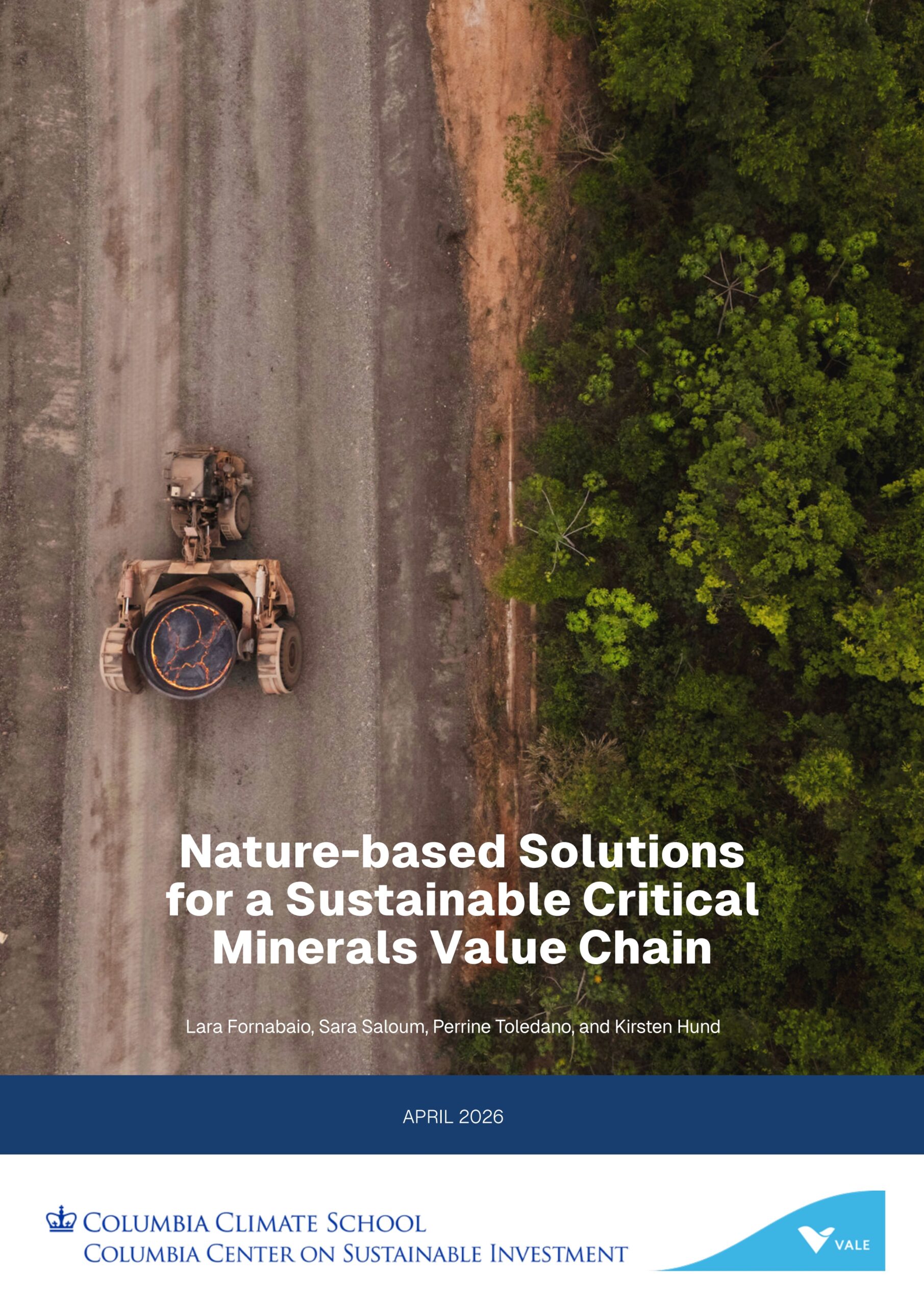
Nature-based solutions for a sustainable critical minerals value chain
This report examines how nature-based solutions (NbS) can be integrated into critical minerals mining. Drawing on case study research and expert events at Climate Week NYC and COP30, it identifies six resilience-building NbS categories and highlights the need for systems-based planning, community collaboration, and improved financing mechanisms.
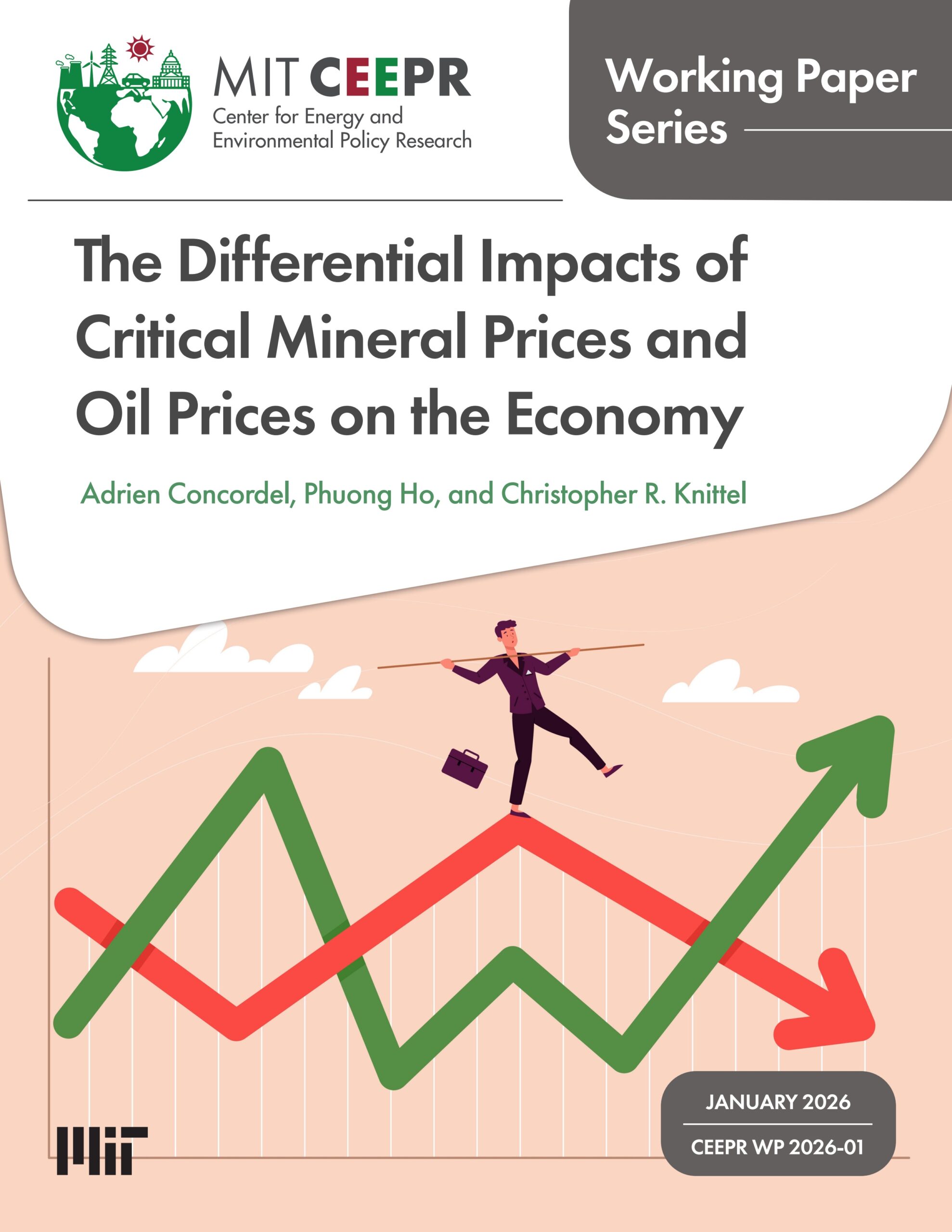
The differential impacts of critical mineral prices and oil prices on the economy
This paper uses a neoclassical open-economy growth model to compare the macroeconomic impacts of critical mineral and oil price shocks. Oil price increases are found to be more contractionary for output and welfare, while mineral price shocks primarily affect investment and external balance sheets, warranting macroprudential and fiscal policy responses.
Leading the charge: Turning risk into reward with a circular economy for EV batteries and critical minerals
This report by the Ellen MacArthur Foundation examines systemic risks in the EV battery value chain and sets out a circular economy framework, identifying five bright spots — battery design, rightsizing, circular business models, regional infrastructure, and data transparency — to build resilience and reduce critical mineral demand.
Don't mess with the ETS: Priorities for the upcoming EU emissions trading system revision
Carbon Market Watch presents a 10-point plan for improving the EU Emissions Trading System ahead of its upcoming revision. The report argues against weakening the cap, free allocation phase-out, or the Market Stability Reserve, and calls for expanded coverage of aviation, shipping, and biomass, alongside eliminating fossil fuel subsidies from ETS revenues.
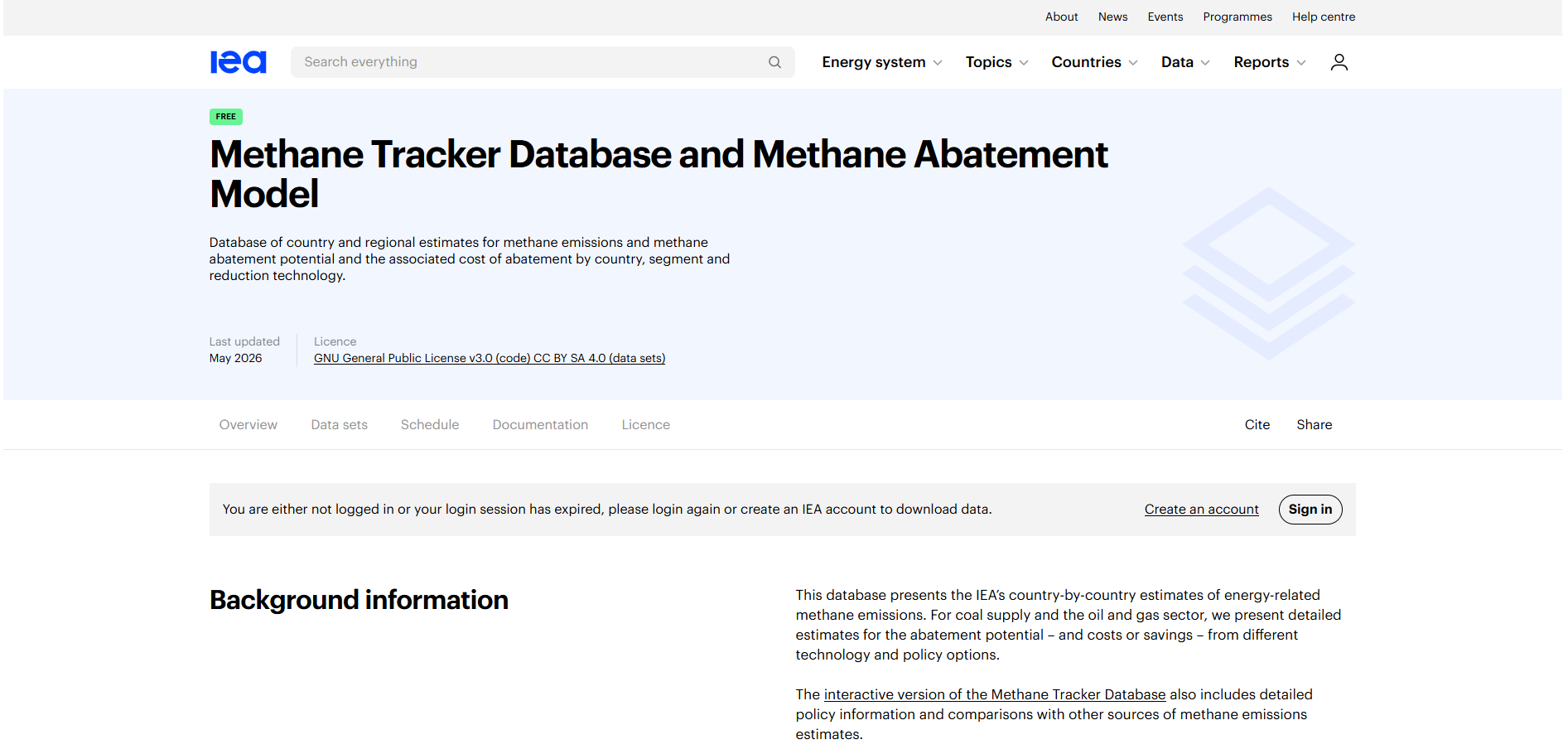
IEA Methane Tracker Data Tool
The IEA Methane Tracker Data Tool provides interactive, country-level methane emissions data and enhanced policy tracking across the energy sector.


