
Library | SASB Sustainability Sector
Financials
Refine
835 results
REFINE
SHOW: 16



First Street Research Library
The First Street Research Library provides transparent, peer-reviewed reports and climate risk data focused on flooding, fire, and heat. It helps finance professionals quantify physical risks and their economic impacts.
Collaboration in action: How to collectively work towards systems change
This report examines how diverse capital providers collaborate to achieve systems change. It identifies catalytic capital as a pivotal tool for de-risking investments and mobilising private funds. Key findings highlight the necessity of trust, long-term partnerships, and shared metrics to overcome structural barriers and address the $4 trillion SDG financing gap.
Embracing carbon uncertainty in portfolio construction
This research introduces a framework for decarbonising sovereign bond portfolios using 'carbon returns'—treating emissions as random variables rather than deterministic values. By applying a modified Hierarchical Risk Parity algorithm with Expected Shortfall, it effectively balances financial and environmental goals, mitigating climate-related tail risks both in-sample and out-of-sample.
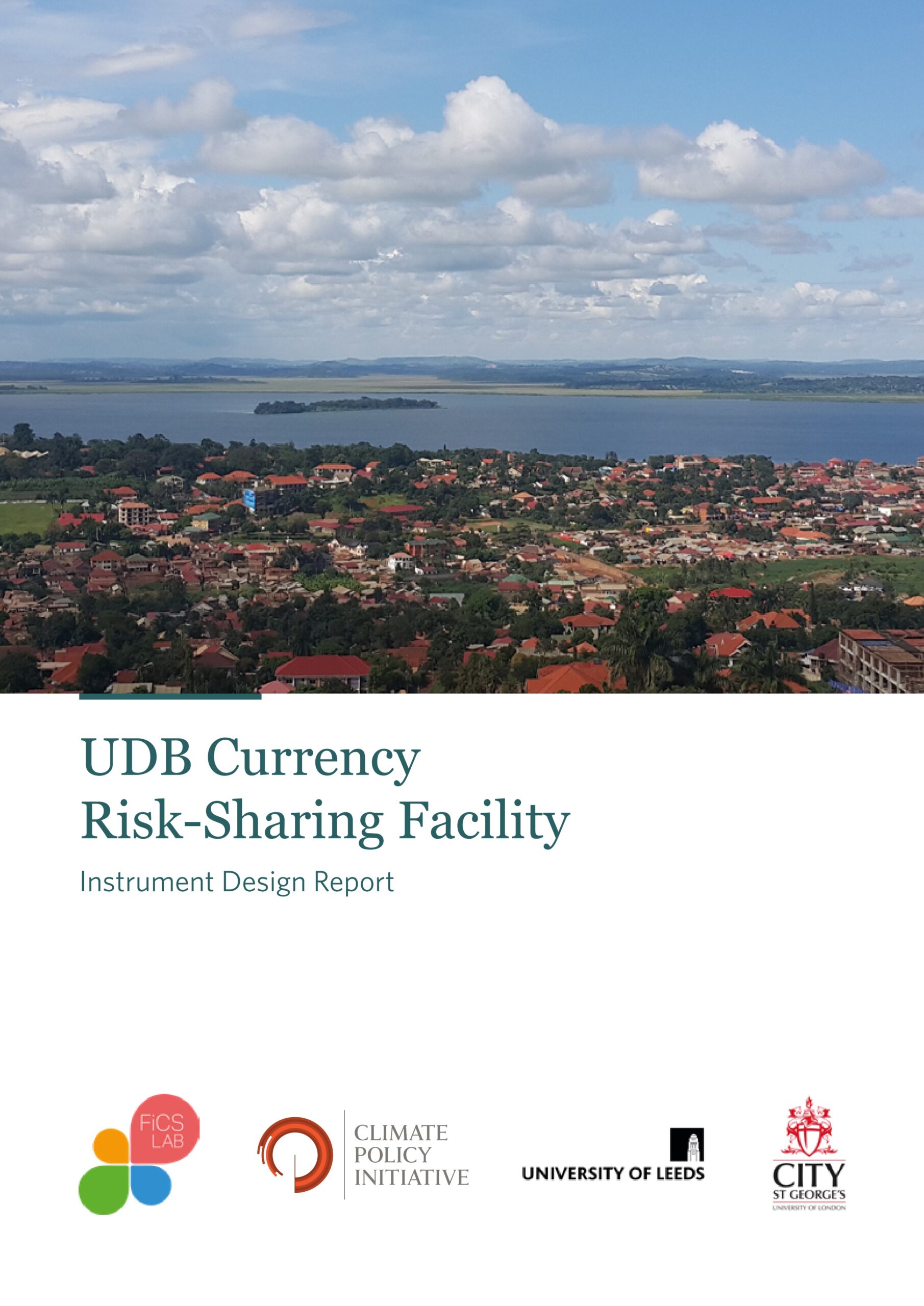
UDB Currency Risk-Sharing Facility: Instrument design report
The UDB Currency Risk-Sharing Facility manages foreign exchange risks for climate lending in Uganda. By combining partial hedging with tail-risk guarantees, it offers a cost-effective alternative to traditional instruments. This facility enables affordable local-currency financing while protecting the bank's balance sheet against significant Ugandan shilling depreciation.
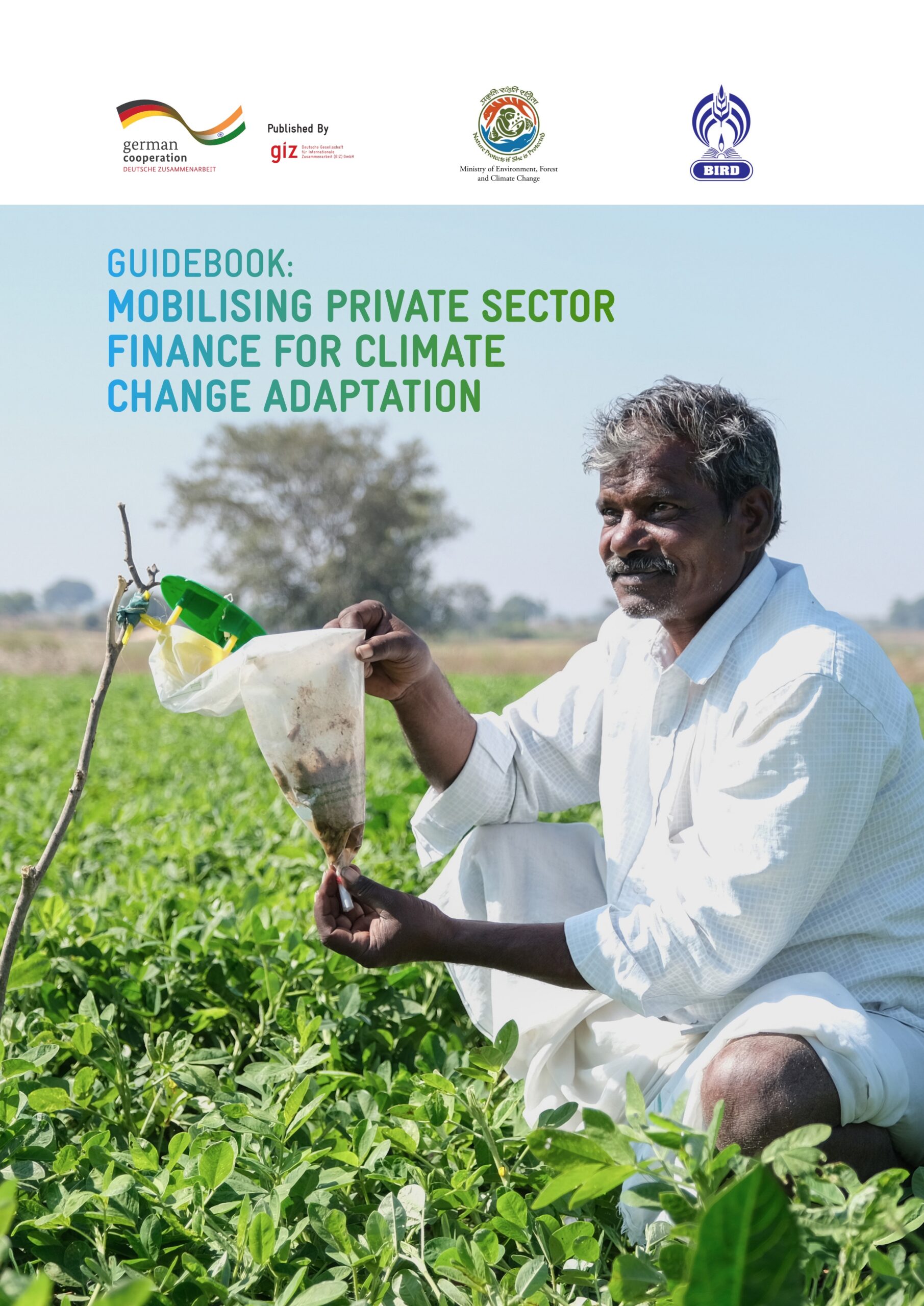
Guidebook: Mobilising private sector finance for climate change adaptation
This guidebook provides a structured framework for designing and financing climate change adaptation projects in India. It addresses barriers to private sector participation, offers methodologies for risk and impact assessment, and explores diverse funding mechanisms, including blended finance, green bonds, and catastrophe insurance, to bridge the significant adaptation funding gap.
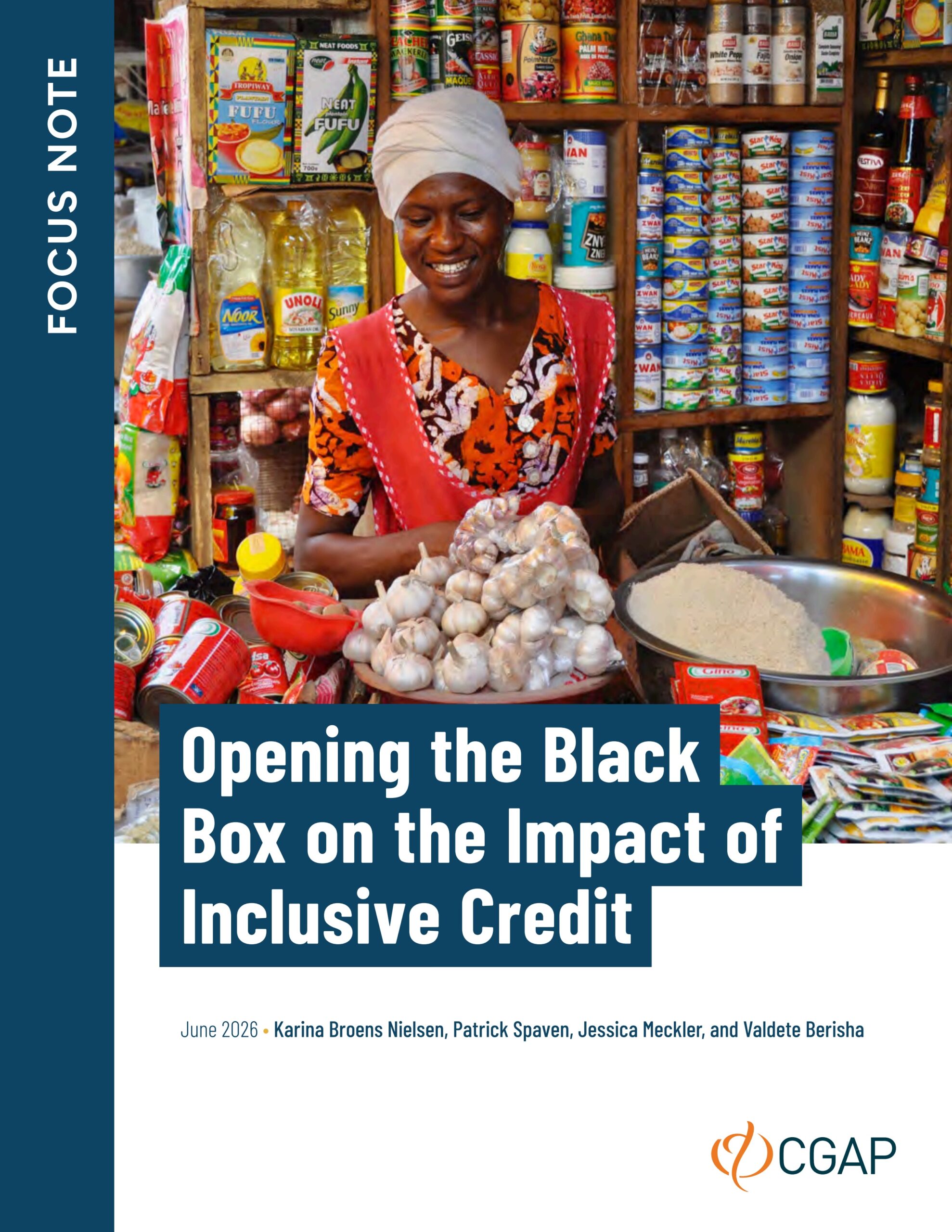
Opening the black box on the impact of inclusive credit
This report examines inclusive credit's impact using a five-factor framework: who, how, what for, where, and when. Drawing on 405 studies and machine learning analysis, it advocates for "precision credit"—matching product design to borrower circumstances—to move beyond average effects and ensure meaningful developmental outcomes in emerging markets.
Sovereign risk ceilings: Rethinking methodology through risk disaggregation
This report critiques sovereign ceiling practices in credit ratings for emerging market infrastructure. It proposes a disaggregated framework to assess eight specific transmission channels and mitigants, arguing that empirical data shows high survival rates for well-structured projects during sovereign crises, contrary to current blanket rating caps.
The age of interconnected risks: How interdependencies are shaping the next generation of systemic crises
This report examines rising systemic vulnerabilities driven by interconnected financial, digital, natural, and socio-economic risks. It highlights the gap between market pricing and actual risk, noting how AI, climate change, and geopolitical fragmentation amplify potential crises. It proposes collaborative monitoring and expanded risk-transfer capacity to strengthen global resilience.
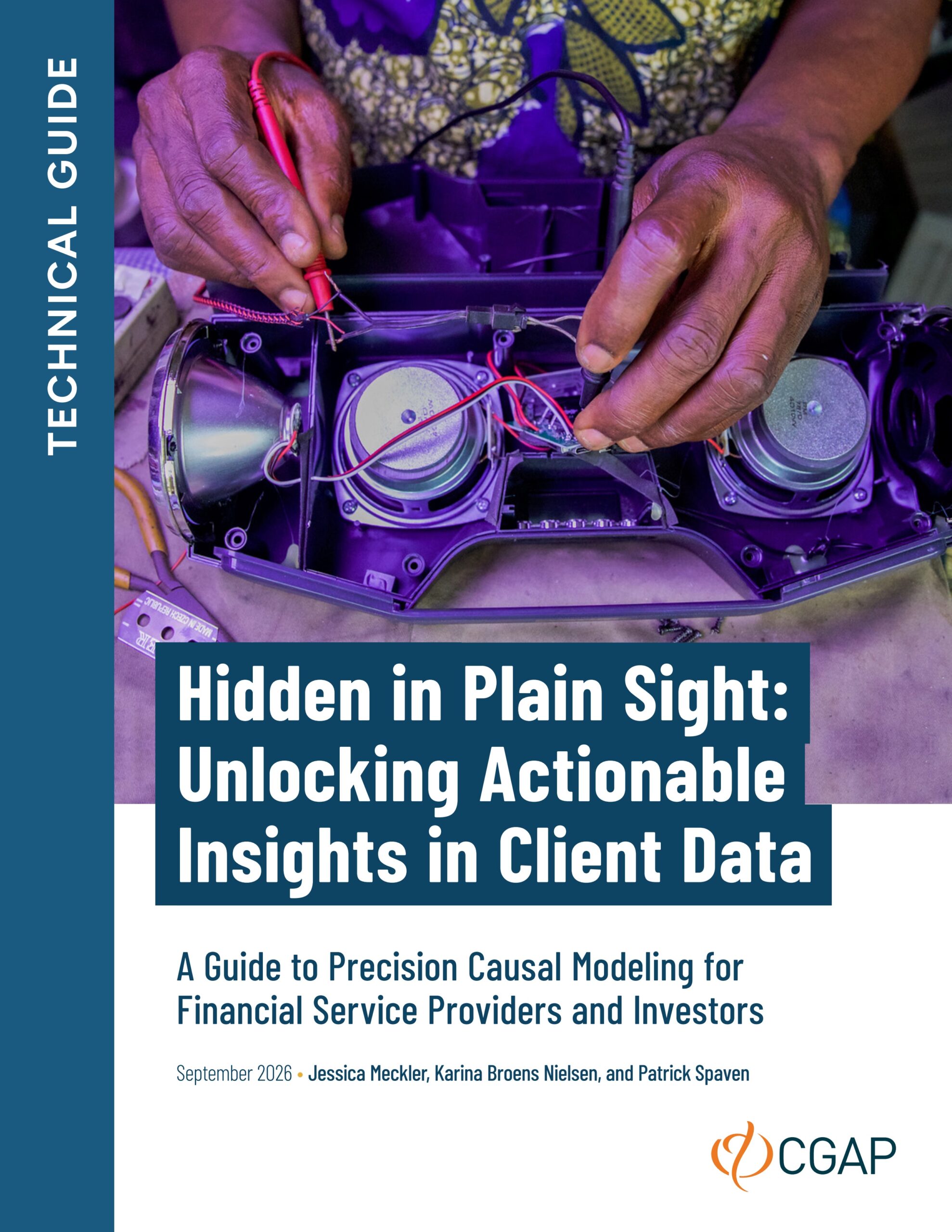
Hidden in plain sight: Unlocking actionable insights in client data
CGAP introduces Precision Causal Modelling to help financial providers identify which product configurations work for specific client segments. Piloted across five institutions, the methodology revealed delivery gaps of 32 to 84 percentage points. Key findings highlight the importance of right-sizing loans and monitoring delinquency trajectories to improve client outcomes.
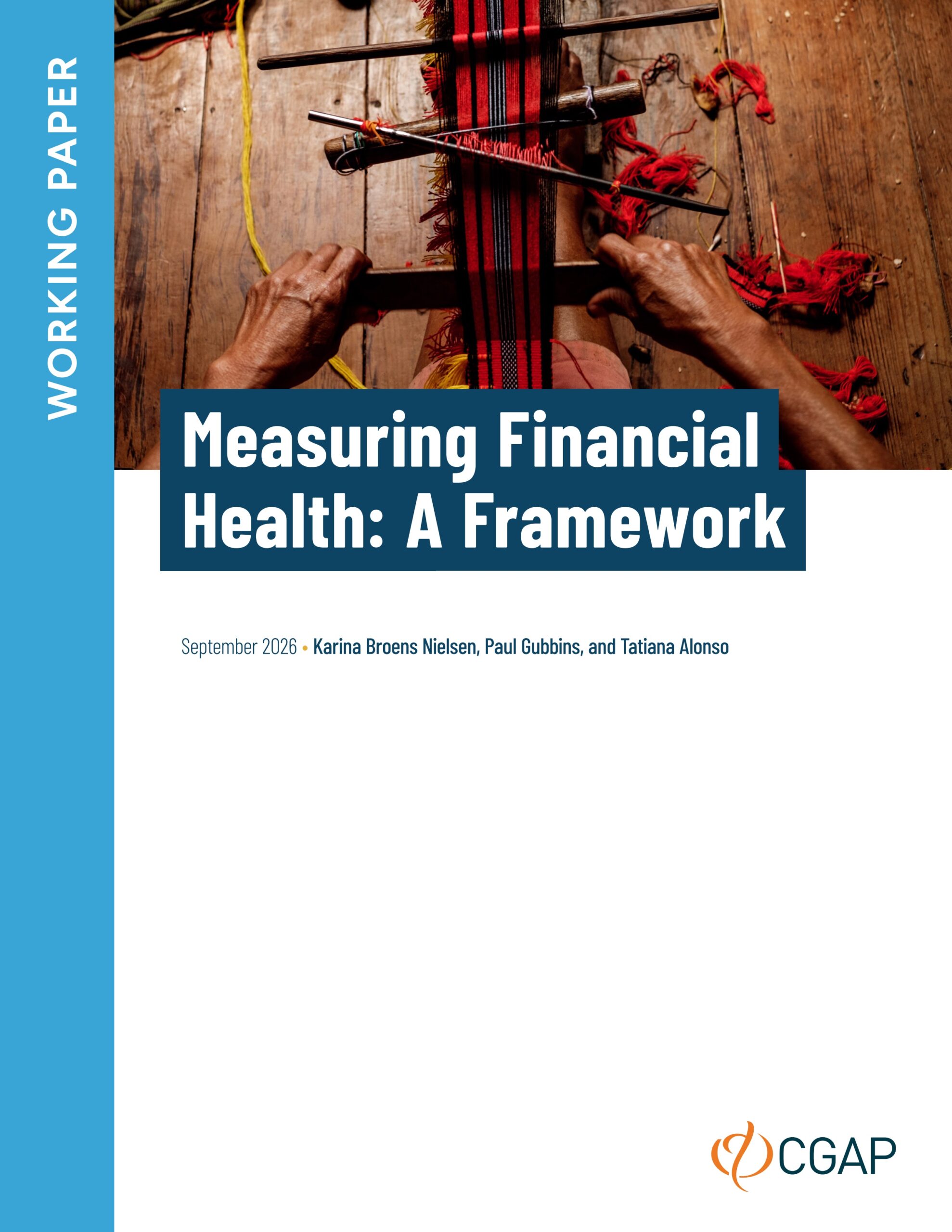
Measuring financial health: A framework
This working paper introduces a multidimensional framework for measuring financial health, grounded in 70 global initiatives. It translates G20/GPFI definitions into 17 indicators across six constructs, providing financial sector authorities with practical tools for diagnostic, evaluative, and early warning analysis using administrative and survey data.
Reframing financial markets as complex systems: Tools for systemic risk analysis, portfolio management, and system-level investing
This report explores financial markets as complex adaptive systems, advocating for modelling techniques like agent-based models and network theory. It highlights how these tools improve systemic risk analysis and portfolio management by capturing non-linear behaviours, herding, and interconnectedness, providing a framework for more resilient and adaptive global financial systems.
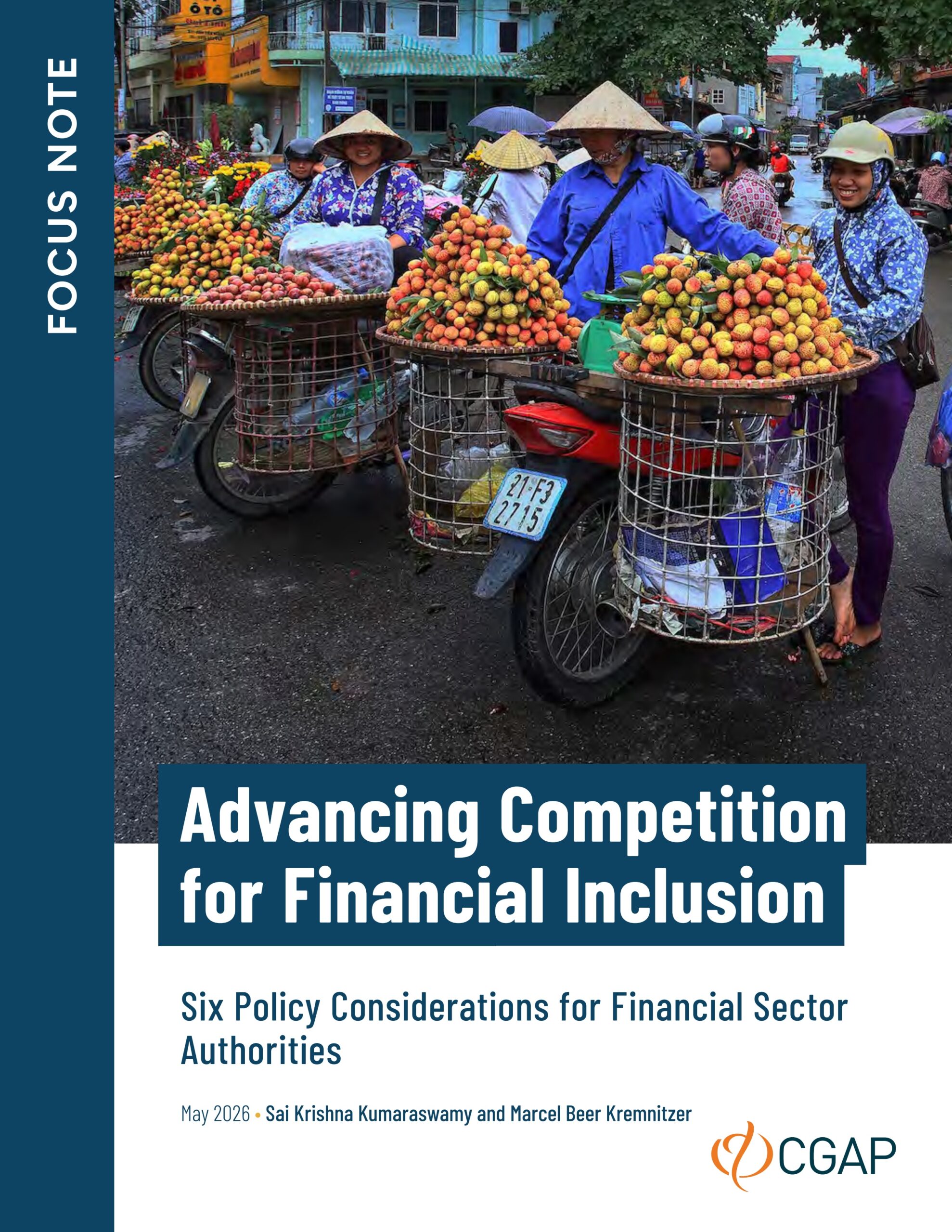
Advancing competition for financial inclusion: Six policy considerations for financial sector authorities
This report provides six policy considerations for financial sector authorities to promote competition and advance financial inclusion. Drawing on eight country case studies, it explains how regulators can use existing mandates, coordinate across sectors, and leverage infrastructure design to address market concentration and support digital financial innovation.
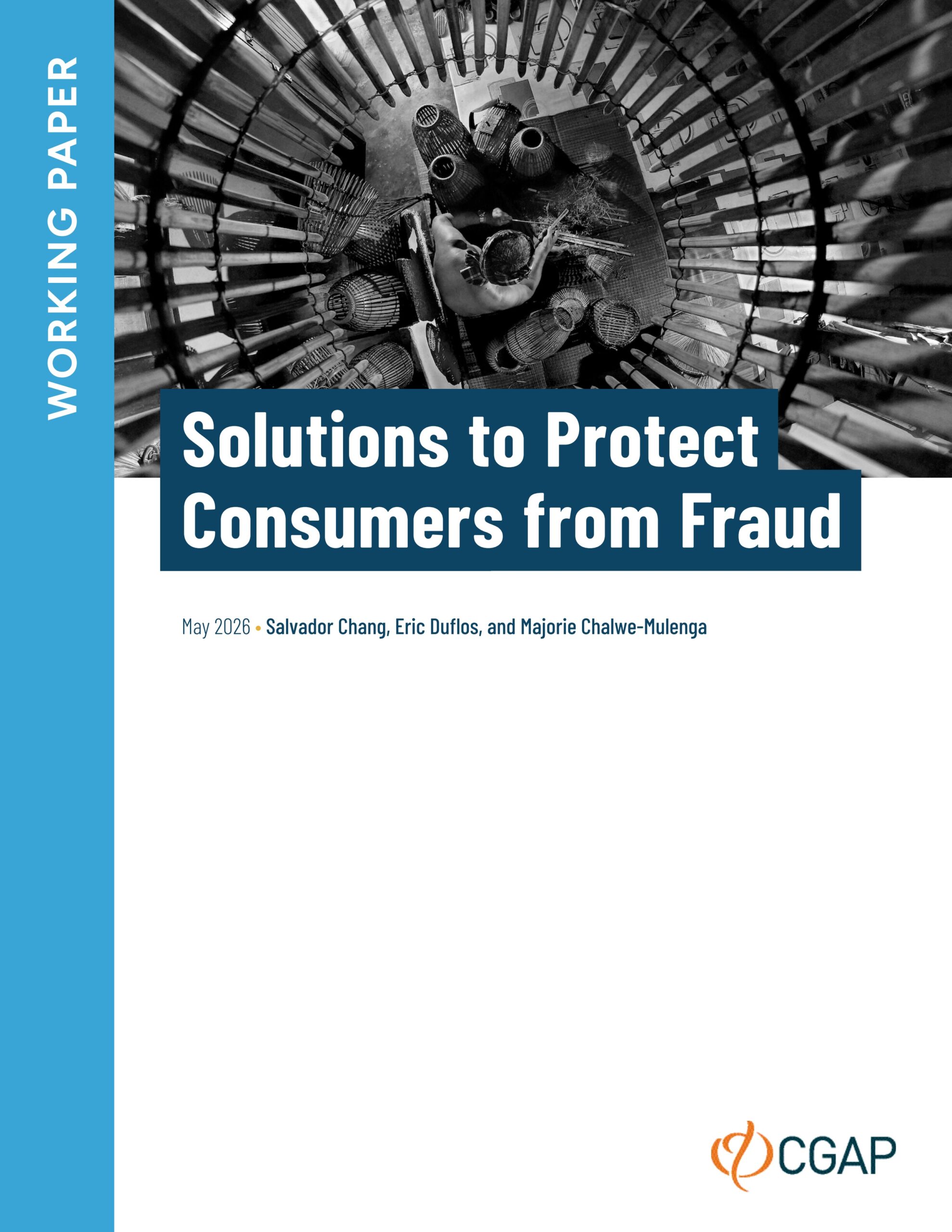
Solutions to protect consumers from fraud in digital finance
Curating 56 successful fraud protection solutions, this report details strategies across intelligence sharing, telecom security, and biometrics. It highlights how AI-driven oversight and multi-sector collaboration, such as Malaysia's NSRC and UK's reimbursement rules, can reduce losses and restore consumer trust in digital financial ecosystems.
Annual sustainable investment asset owner survey series
This benchmark series examines global asset owner attitudes and approaches to sustainable investment. It tracks adoption levels, thematic priorities, and perceived barriers across diverse regions and asset classes. The research provides factual insights into how sustainability factors are integrated into core investment practices, aiding portfolio construction and risk management.
Financing the energy transition: A credit perspective on India’s power sector
This report examines India’s power sector transition from a credit perspective. It highlights the structural divergence between renewable and thermal assets, identifies bottlenecks in domestic debt markets, and recommends strategies to unlock large-scale financing, including the pivotal role of NTPC and the need for deeper institutional investor participation.
Redirecting sovereign capital to accelerate Indonesia’s energy transition
This report examines Indonesia’s sovereign wealth fund, Danantara, and its role in the energy transition. It highlights the fiscal risks of subsidy-dependent energy SOEs and recommends a strategic shift towards renewables. Drawing on global SWF experiences, it advocates for portfolio diversification to ensure long-term profitability and national energy security.


