
Library | SASB Sustainability Sector
Infrastructure
Refine
142 results
REFINE
SHOW: 16


Cooler finance: Mobilizing investment for the developing world’s sustainable cooling needs
The report highlights the critical need for sustainable cooling in developing countries to meet climate goals, reduce emissions, and support health, food security, and productivity. It estimates a market demand of $600 billion annually by 2050 and provides strategies to attract private investment through policy, financing models, and international collaboration.

Infrastructure for a climate-resilient future
The report outlines the critical role of climate-resilient infrastructure in addressing the increasing impacts of climate change. It emphasises the need for integrated planning, financing, and the adoption of nature-based solutions to enhance infrastructure resilience. The report also highlights the economic benefits and policy recommendations for building robust infrastructure systems globally, especially in developing countries.
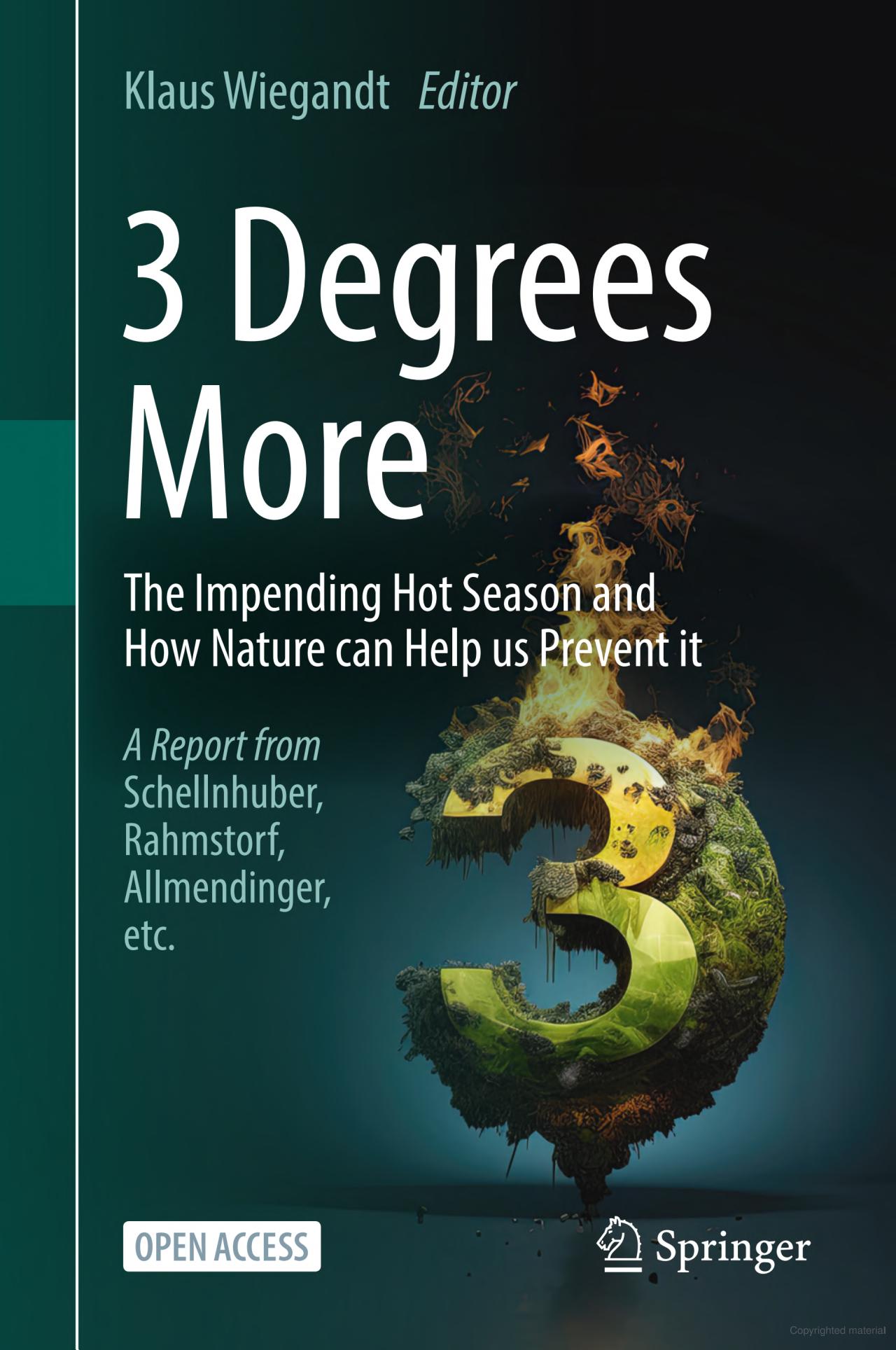
3 degrees more: The impending hot season and how nature can help us prevent it
This three-part journal explores the severe impacts of a 3°C temperature rise on climate, biodiversity, agriculture, human survival, and the economy, emphasising the need for urgent climate action and nature-based solutions.

State of nature-related disclosures: Assessing TNFD alignment of nature-related disclosures by firms in high-risk sectors
The report evaluates the alignment of firms' nature-related disclosures with the TNFD framework. It covers eight priority sectors, highlighting disclosure gaps and providing recommendations for improvement to ensure comprehensive, high-quality nature-related reporting.

Net Zero Investment Framework 2.0
The Net Zero Investment Framework (NZIF) 2.0, updated in June 2024, provides guidelines for investors to align their portfolios with the Paris Agreement goals. It includes detailed methodologies for various asset classes, governance, strategic asset allocation, and policy advocacy, focusing on achieving real economy emissions reductions through independent fiduciary decisions.

An innovation pathway to decarbonization: Circular economy solutions for policymakers and industry in the US
The US has a significant opportunity to decarbonise its industrial sector and boost its economy by transitioning to a circular economy. This report explores the economic and environmental benefits of circular solutions in key industries, such as batteries, construction, and electronics. It also analyses current US policies that support a circular economy and provides recommendations for further policy interventions to accelerate this transition.

2024 XDI Asia-Pacific real estate investment trust physical climate risk report
This benchmark report assesses the vulnerability of 2,134 assets across 20 APAC REITs to climate risks. By 2050, nearly 10% of properties face high risk, particularly from coastal inundation and flooding, highlighting significant financial implications for investors and the urgent need for adaptation strategies.

Empowering key development finance institutions in Asia to accelerate the decarbonization of the energy sector
The report outlines Asia's challenges to decarbonising energy while driving economic development. It suggests there is significant room for improvement among regional banks and to achieve their commitments to the Paris Agreement, firms need to implement more stringent sustainable finance policies.

Catalytic capital: A key to aligning infrastructure investments with climate mitigation in emerging markets
This report provides a roadmap for directing more institutional capital toward climate infrastructure financing in emerging markets. It identifies the importance of using catalytic capital and outlines four themes crucial to its effective use: targeting, speed, support, and analysis. The report offers recommendations for how to address climate challenges through targeted catalytic interventions.

Climate scorpion – the sting is in the tail: Introducing planetary solvency
The report explores the risks and impact of climate change on a global scale. The report emphasises the need for a realistic risk assessment urgently and laying out a blueprint on developing a Planetary Solvency framework.

Transformational investment: Converting global systemic risks into sustainable returns
This report explores transformational investment while arguing that the global economy is under threat from long-term systemic risks. Rich Nuzum, President of Investments and Retirement at Mercer, called on institutional investors to help mitigate the risks through "long-term thinking" and "constructively tackling complicated problems".

Sustainable banking in ASEAN
This 2019 report analyses the sustainability strategies of 35 ASEAN banks based on environmental, social and governance indicators. This year's update highlights the increasing recognition of ESG integration into mainstream finance, although progress must be made, particularly in climate-related risk management.

Financing our future: Actions to scale up and accelerate the pace of change towards a more sustainable financial system
This report offers actionable recommendations to the world's finance sector. This report presents evidence on the importance of environmental, social and governance (ESG) criteria and outlines key actions for finance actors across numerous industries to advance toward a sustainable financial system.

Collaborative investor engagement with policymakers: Changing the rules of the game?
This report explores why and how institutional investors engage with governments and the challenges they face in the process. The authors analyse 11 case studies and identify drivers such as managing investment risks and fulfilling fiduciary duties, as well as challenges like limited influence on governments. The findings contribute to the sustainable finance and public policy literature.

Climate horizons
This report explores how Australian companies and investors should manage and disclose climate-related risks and opportunities. It suggests scenario-based analysis is a key tool for this, which can be consistent with Australia's international climate commitments and the recommendations of the Financial Stability Board's Task Force on Climate-related Financial Disclosures (TCFD).

Making global goals local business: A new era for responsible business
This report highlights the need for private sector involvement in achieving the Sustainable Development Goals (SDGs) of the 2030 Agenda. It showcases the progress made so far by various companies and organisations and the role they play in building a better world through responsible business practices.


