
Library | SASB Sustainability Sector
Metals and Mining
Refine
213 results
REFINE
SHOW: 16


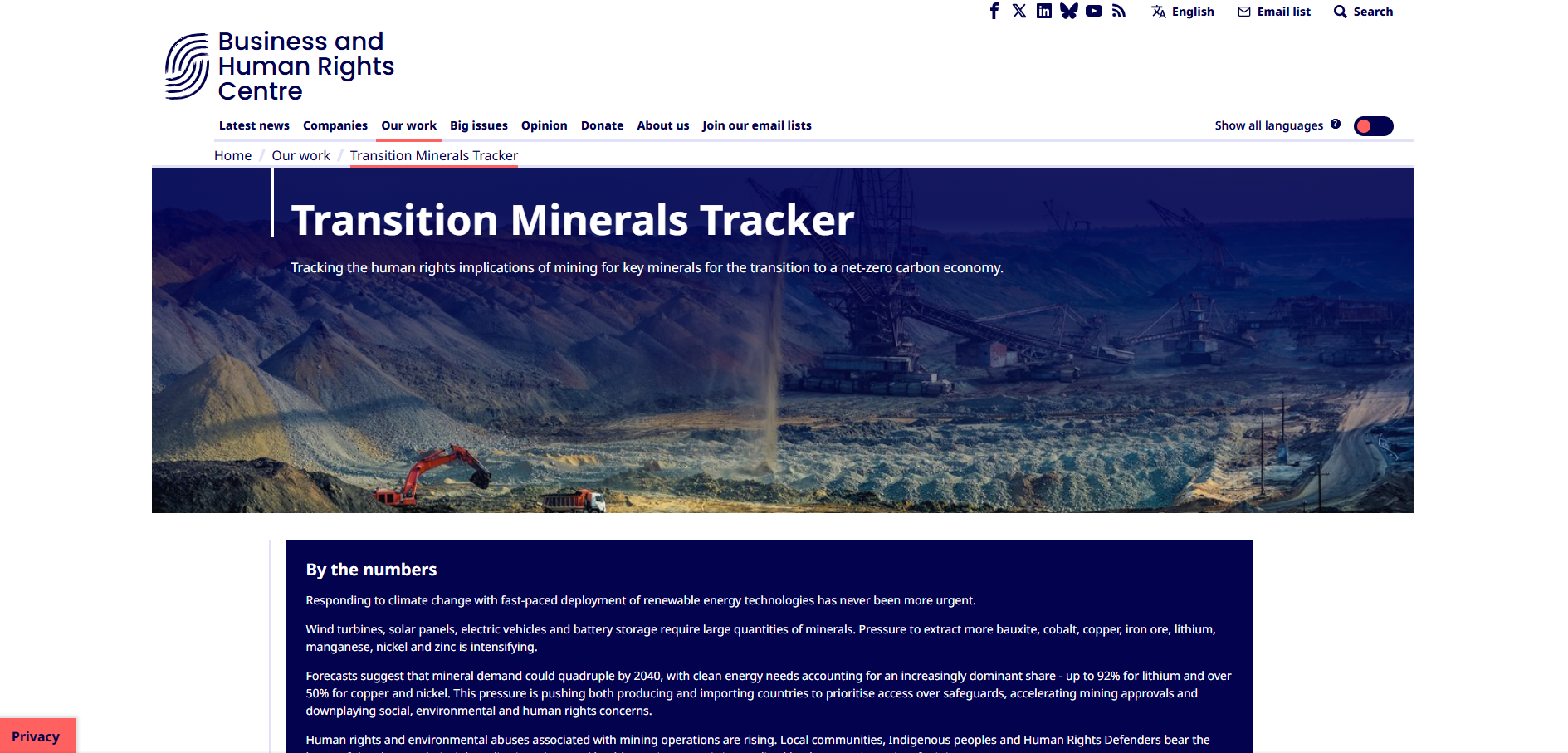
Transition Minerals Tracker
The Transition Minerals Tracker is an online database by the Business & Human Rights Resource Centre that tracks human rights risks linked to mining key minerals for the energy transition. It compiles company data, policies and allegations, enabling users to assess exposure to social and governance risks across global mining operations.

Sustainable Finance Roundup March 2026: Markets, Climate Risk, and the Transition in Practice
This month’s sustainability roundup captures a shift from framework development to real-world application, where climate and nature risks are increasingly embedded across financial systems, legal accountability, and decision-making. It highlights how intensifying physical climate signals, evolving disclosures, and maturing litigation are converging with insights on sovereign risk, energy systems, and corporate strategy. Together, these developments show how sustainability is moving beyond principle—being tested, priced, and enforced across markets, regulation, and the real economy.
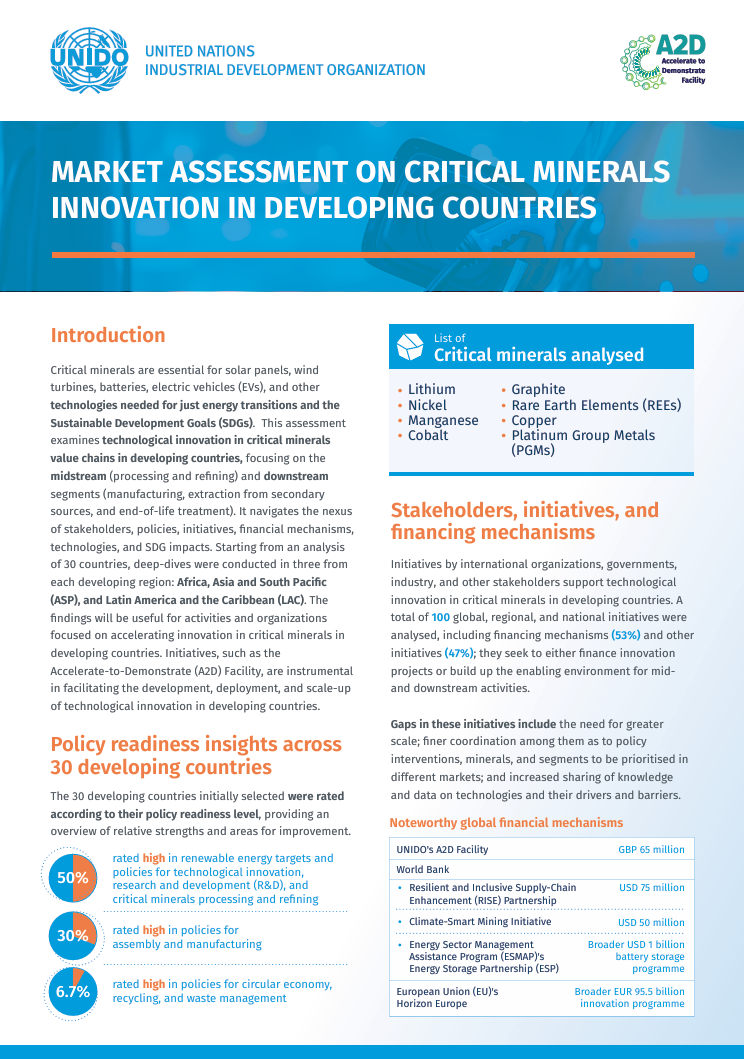
Market assessment on critical minerals innovation in developing countries
This report assesses critical minerals innovation in developing countries, focusing on midstream processing and downstream manufacturing, recycling and end-of-life treatment. It reviews 30 countries, highlights policy and financing gaps, and recommends stronger infrastructure, coordination, technology transfer and support for innovation ecosystems.
Sustainable Finance Roundup February 2026: Disclosure, Carbon Trade, and Transition Economics
This month’s sustainability roundup traces a rapidly evolving landscape in climate governance and industrial transition, highlighting the convergence of ISSB-aligned disclosure standards and emerging carbon trade measures alongside shifting cost curves in transport and critical minerals. It underscores how tighter emissions accounting and border policies are embedding carbon competitiveness into capital allocation, while advances in electrification, AI-driven power demand and expanding legal accountability are integrating climate and nature risk into mainstream financial decision-making.
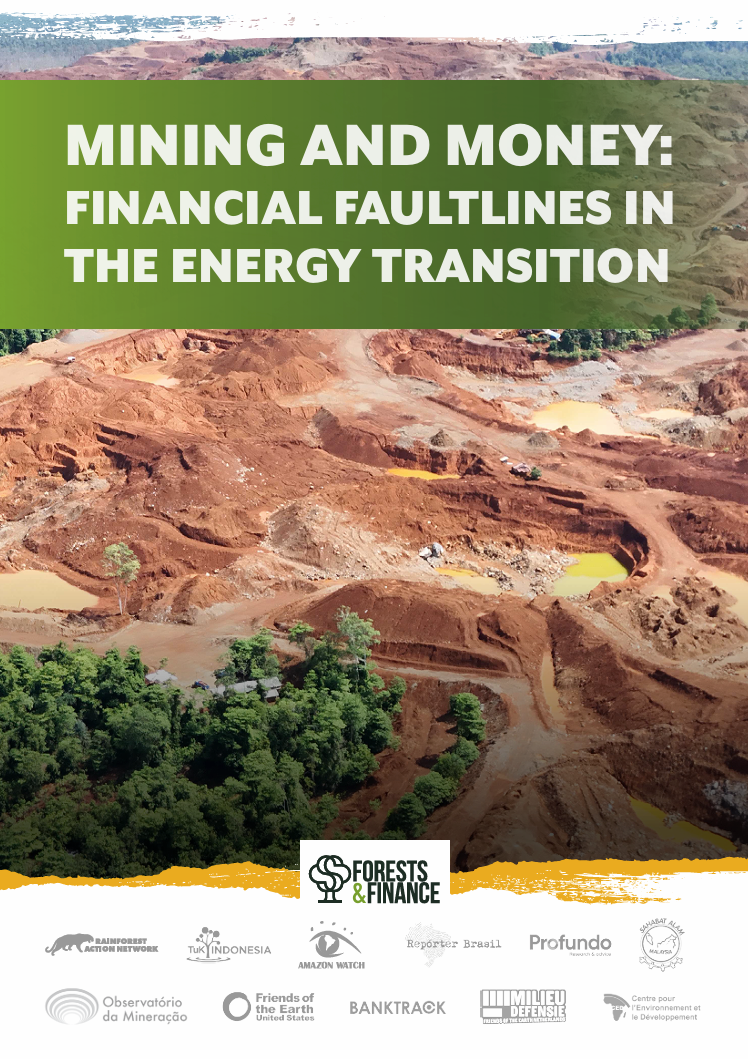
Mining and money: Financial fault lines in the energy transition
This report analyses global financing of transition mineral mining, showing concentrated capital flows, weak financial institution policies, and material environmental and human rights risks. It links bank and investor finance to mining harms across key regions and calls for stronger regulation and safeguards to enable a just energy transition.
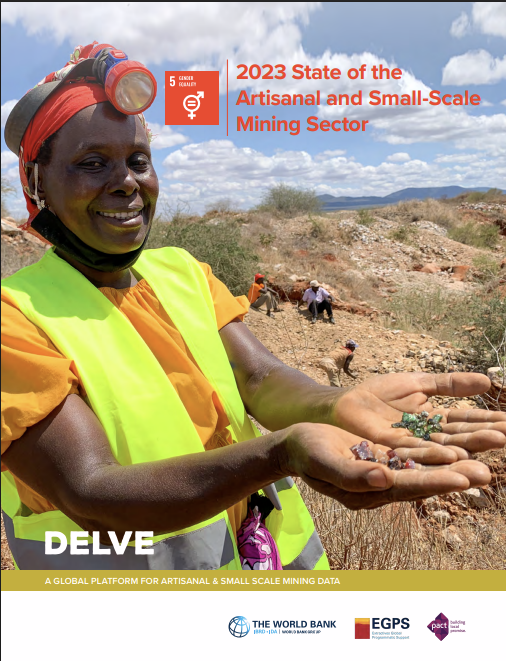
State of the artisanal and small-scale mining sector series
This series provides an overview of the artisanal and small-scale mining sector, examining its structure, operating context, and governance considerations. It explores economic, social, environmental, and regulatory dimensions to support informed analysis, comparison, and ongoing assessment of developments across the sector over time.
Sustainable Finance Roundup January 2026: Geopolitics, Energy Transitions, and Systemic Risk
This month’s sustainable finance article roundup examines a landscape increasingly shaped by geopolitics and climate risk, as near-term fragmentation, energy security, and affordability pressures collide with intensifying long-term threats from climate change, biodiversity loss, and water stress. The works featured analyse how these dynamics are reshaping capital allocation, disclosure, and resilience planning, demonstrating the growing need for sustainable finance to integrate geopolitical risk with real-economy transition.
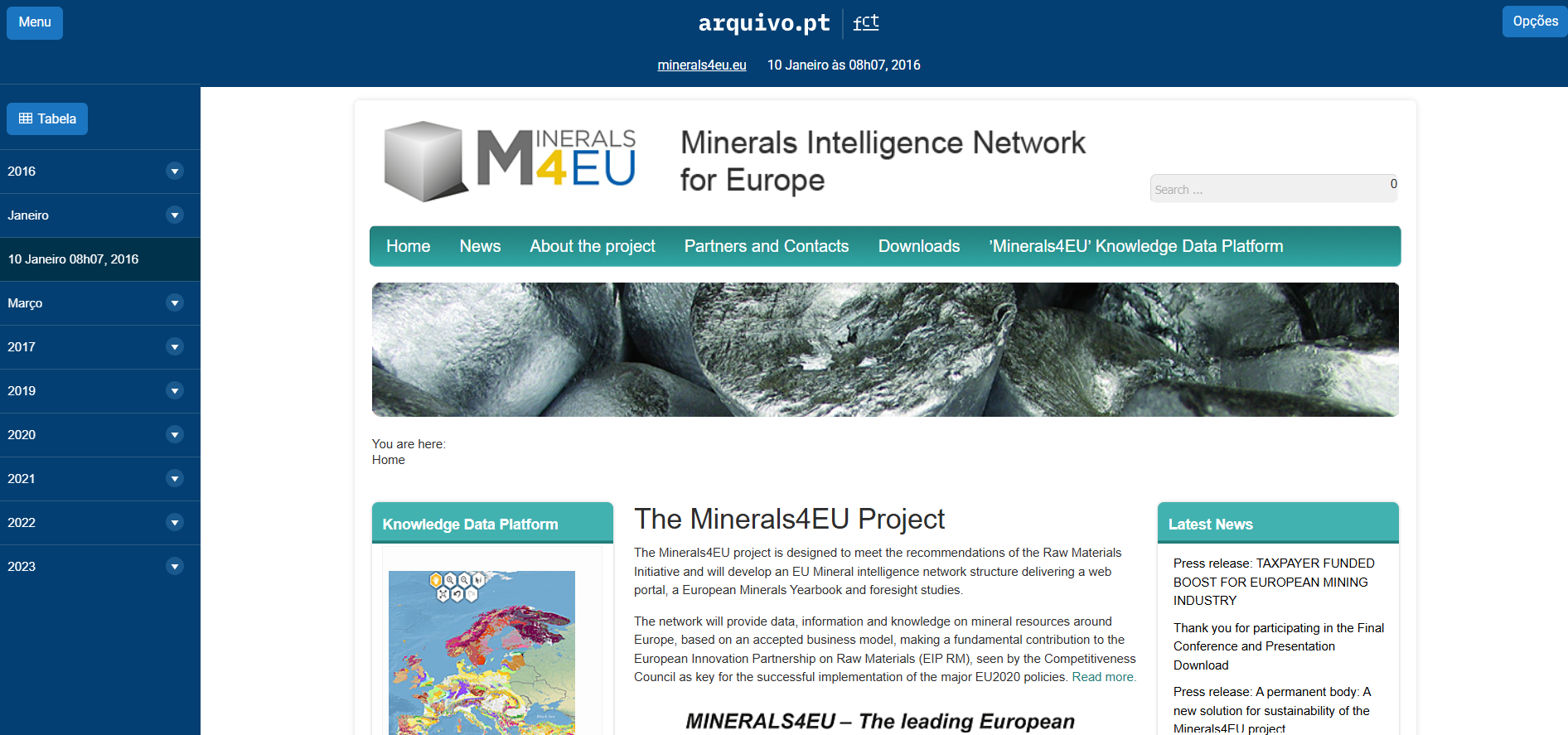
Minerals Intelligence Network for Europe (Minerals4EU)
Minerals4EU was a European mineral intelligence platform providing harmonised spatial and statistical data on mineral occurrences, mines and resources across EU member states. It featured a web portal, a European Minerals Yearbook and supported decision-making on raw materials supply and policy through integrated, interoperable data.

Nature Enters the Boardroom: Why Directors Are Paying Attention
Drawing on Australia’s first national study of board-level engagement with nature, this article shows how directors are treating nature as a material governance and financial issue. It highlights how boards are extending climate governance systems to manage nature-related risks, adopt frameworks like TNFD, and build resilience and long-term value despite policy uncertainty.
European Minerals Knowledge Data Platform (Minerals4EU)
Minerals4EU is an EU-supported initiative that created a harmonised minerals intelligence network and web portal, offering standardised European mineral resource data, a Minerals Yearbook and analytical studies. It supports policy decisions and raw materials supply security through shared georesource information across European geological surveys.
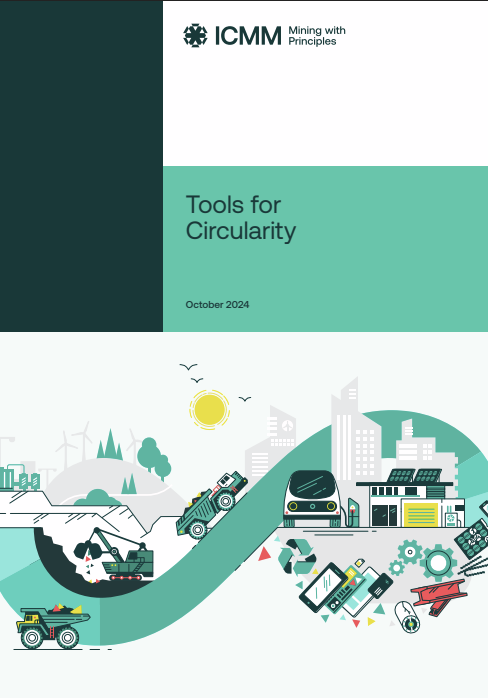
Tools for circularity
This report outlines practical tools to help mining and metals companies integrate circular economy principles. It explains business drivers, regulatory context, metrics, and case studies, supporting financial and non-financial business cases for improved resource efficiency, value retention, and responsible production.
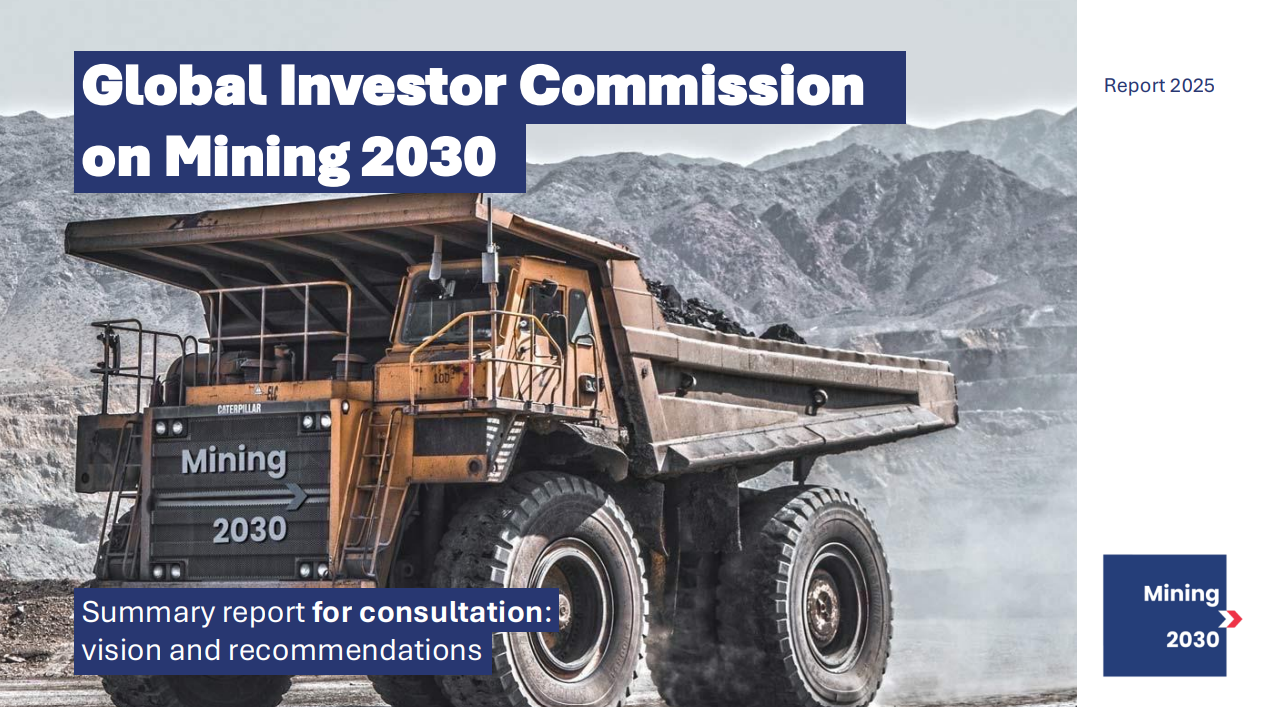
Global investor commission on mining 2030
The report outlines an investor-led 10-year vision for a responsible, resilient mining sector. It sets goals to align capital, governance and stewardship with social and environmental standards, supporting mineral supply for the low-carbon transition while managing risk and long-term value.
EuroGeoSurveys
EuroGeoSurveys (EGS) is a not-for-profit association representing national geological surveys across Europe.EGS provides geoscience data, research and policy-relevant expertise on raw materials, groundwater, energy transition and geohazards, supporting European decision-making through EU-funded projects, shared data infrastructure and coordinated scientific collaboration across member organisations.
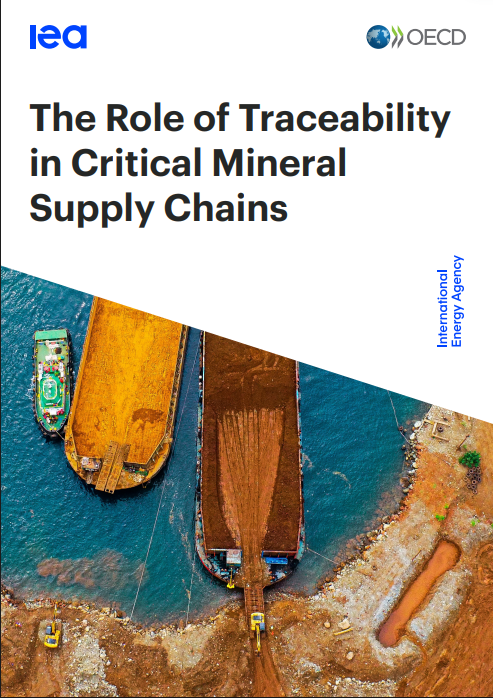
The role of traceability in critical mineral supply chains
The report examines how traceability can support responsible critical mineral supply chains. It outlines policy drivers, system components, costs and limitations, and mineral-specific challenges, concluding that well-designed traceability can enhance due diligence, transparency and supply security when proportionate and risk-based.
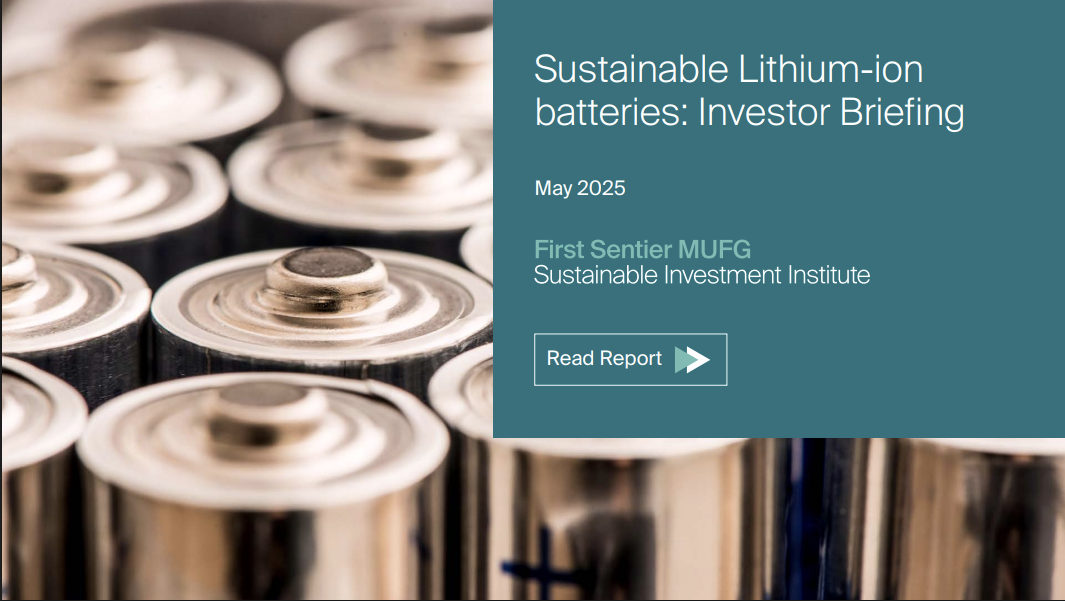
Sustainable Lithium-ion batteries: Investor briefing
This investor briefing outlines sustainability risks and opportunities across the lithium-ion battery value chain. It examines mineral extraction, processing, manufacturing and end-of-life impacts, highlights supply-chain concentration and ESG risks, and provides guidance on disclosure, engagement, circularity and responsible investment strategies.
Global investor commission on mining 2030
Global Investor Commission on Mining 2030 is a collaborative, investor-led initiative defining a vision for a socially and environmentally responsible mining sector by 2030. It develops consensus on the role of finance, publishes strategic reports and recommendations, and engages stakeholders to address systemic mining risks and support sustainable investment and governance.


