
Library | Finance relevance
General / All finance professionals
Refine
1342 results
REFINE
SHOW: 16


Industrial policy via the IPO market
This research examines how China uses initial public offering regulations as an industrial policy tool. Between 2002 and 2022, favoured industries saw significantly higher listing activity and proceeds. These firms command a persistent valuation premium, as investors treat government support as a durable fundamental rather than temporary sentiment.
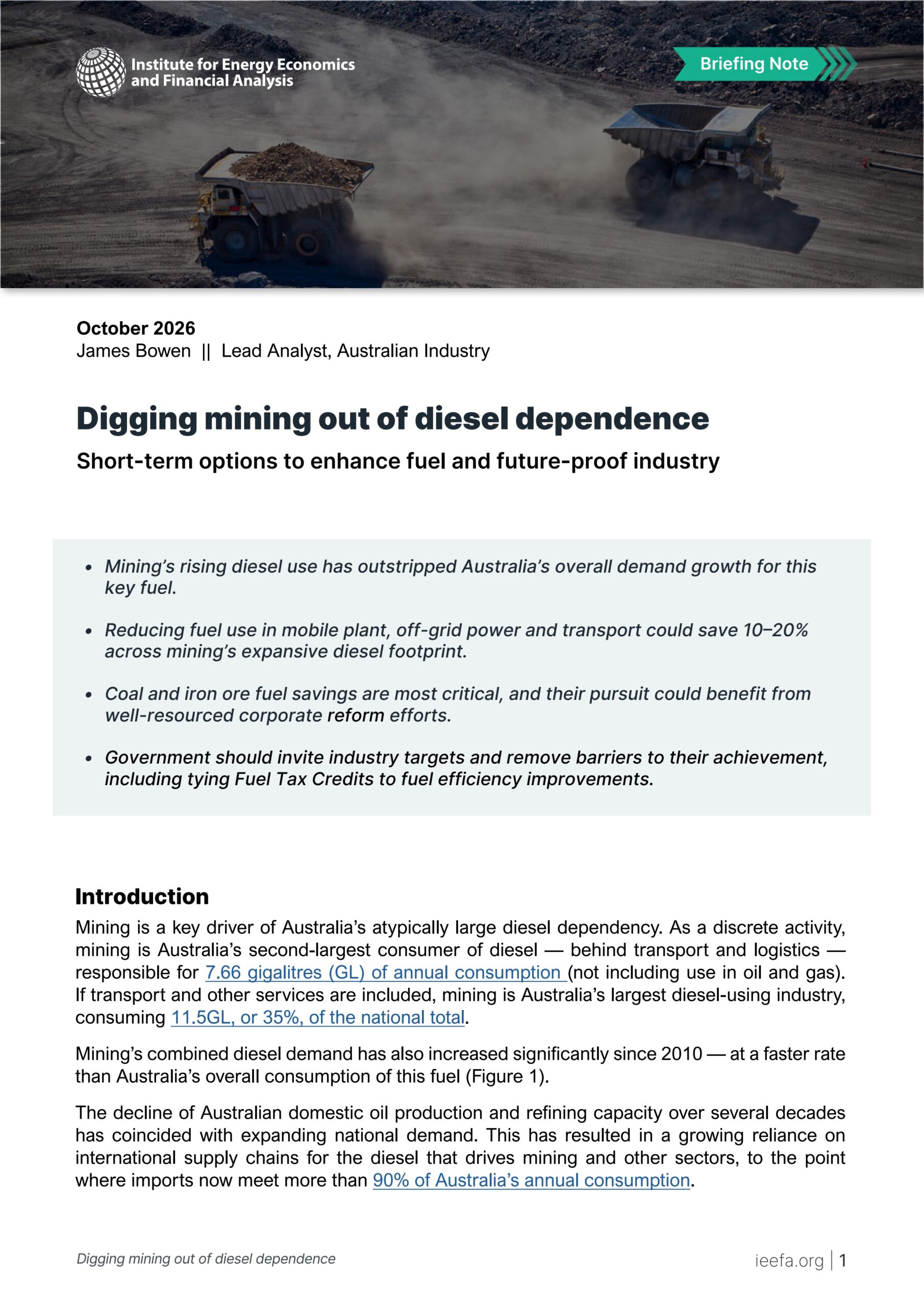
Digging mining out of diesel dependence: Short-term options to enhance fuel and future-proof industry
This report examines Australia's mining industry's heavy reliance on diesel and identifies short-term efficiency improvements to reduce consumption by 10–20%. It highlights critical roles for coal and iron ore sectors, explores barriers like the Fuel Tax Credit system, and proposes policy reforms to enhance national fuel security.
Asia-Pacific EBMO survey: Labour, trade and responsible business conduct
This report analyses how Asia-Pacific employer organisations address trade-related labour requirements and responsible business conduct. While 96 per cent of surveyed EBMOs view these issues as relevant, rising business pressure and capacity constraints — particularly in funding and technical expertise — limit their ability to provide comprehensive member services.
National development banks: Policy integration for climate
This research analyses the integration of national development banks (NDBs) into climate policies across 103 economies. It highlights that only 17.5% of countries explicitly reference NDBs in climate commitments. The report provides recommendations for governments and NDB leadership to strengthen institutional alignment and improve climate finance effectiveness.
Global warming and the National Cattlemen’s Association 1986–1996
This research examines the National Cattlemen’s Association’s response to global warming evidence between 1986 and 1996. The organisation prioritised strategic communications and public relations over production changes to mitigate methane emissions. By reframing scientific findings and challenging critics, the NCA aimed to protect beef demand and industry interests.
Intergenerational report 2026: Australia’s future to 2066
The 2026 Intergenerational Report examines Australia's economic and fiscal trajectory to 2066. It identifies five major transitions: the AI revolution, geopolitical fragmentation, energy transition, population ageing, and industrial transformation. Projections include 2% average annual GDP growth and a long-term total fertility rate of 1.34.
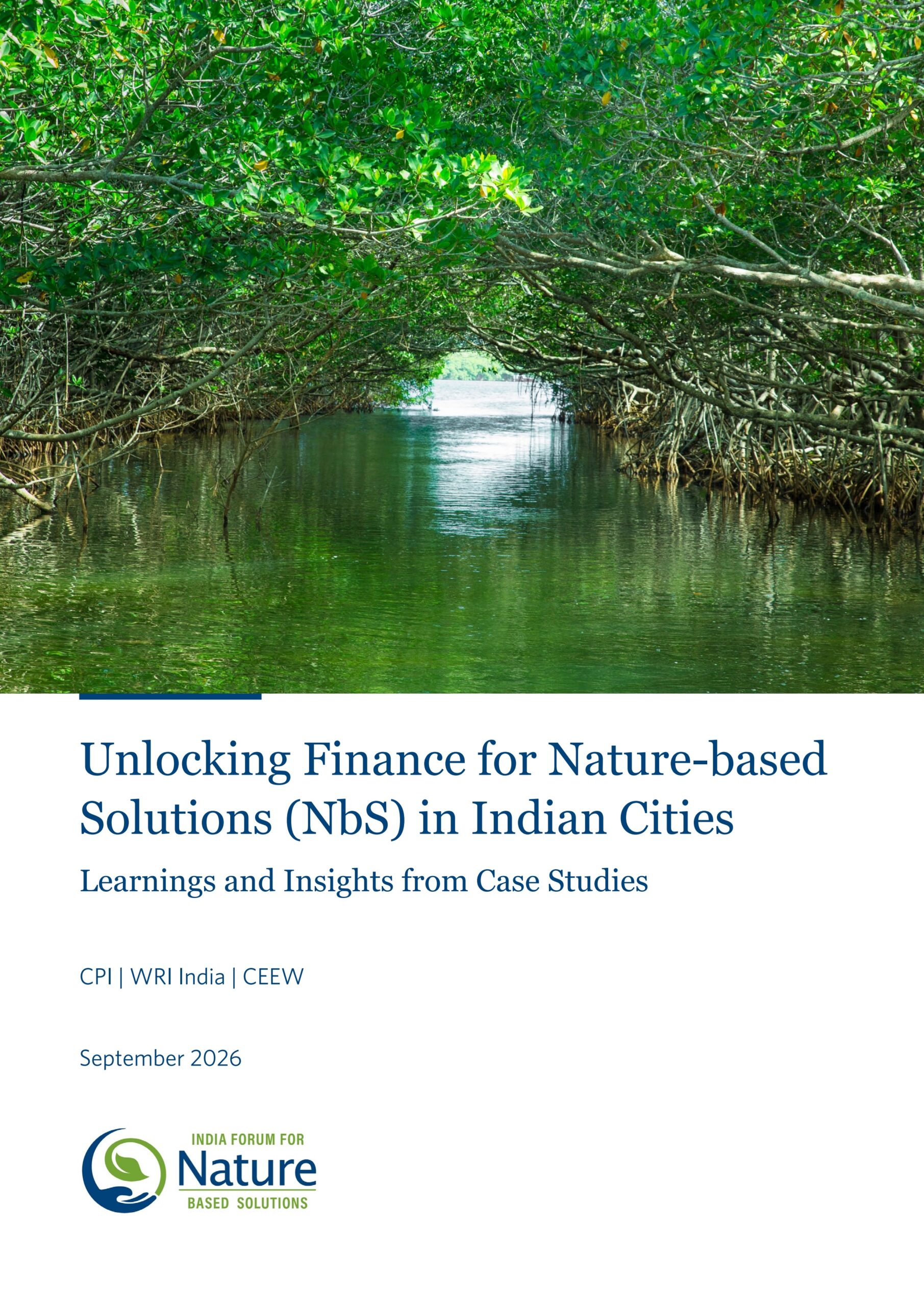
Unlocking finance for nature-based solutions (NbS) in Indian cities: Learnings and insights from case studies
This report examines nine Indian nature-based solutions (NbS) case studies to evaluate financing mechanisms and institutional frameworks. It highlights the importance of reducing technical risk through feasibility studies, aligning with national policies, and sequencing capital to support project scalability and long-term sustainability in urban environments.
Integrating climate into corporate finance: Global evidence on internal carbon pricing
This report analyses the determinants and effectiveness of internal carbon pricing (ICP) globally. It finds that smaller boards and science-based targets drive higher pricing. While ICP adoption reduces short-term profitability due to capital reallocation, it successfully slows emission growth, even as absolute emissions remain linked to production.
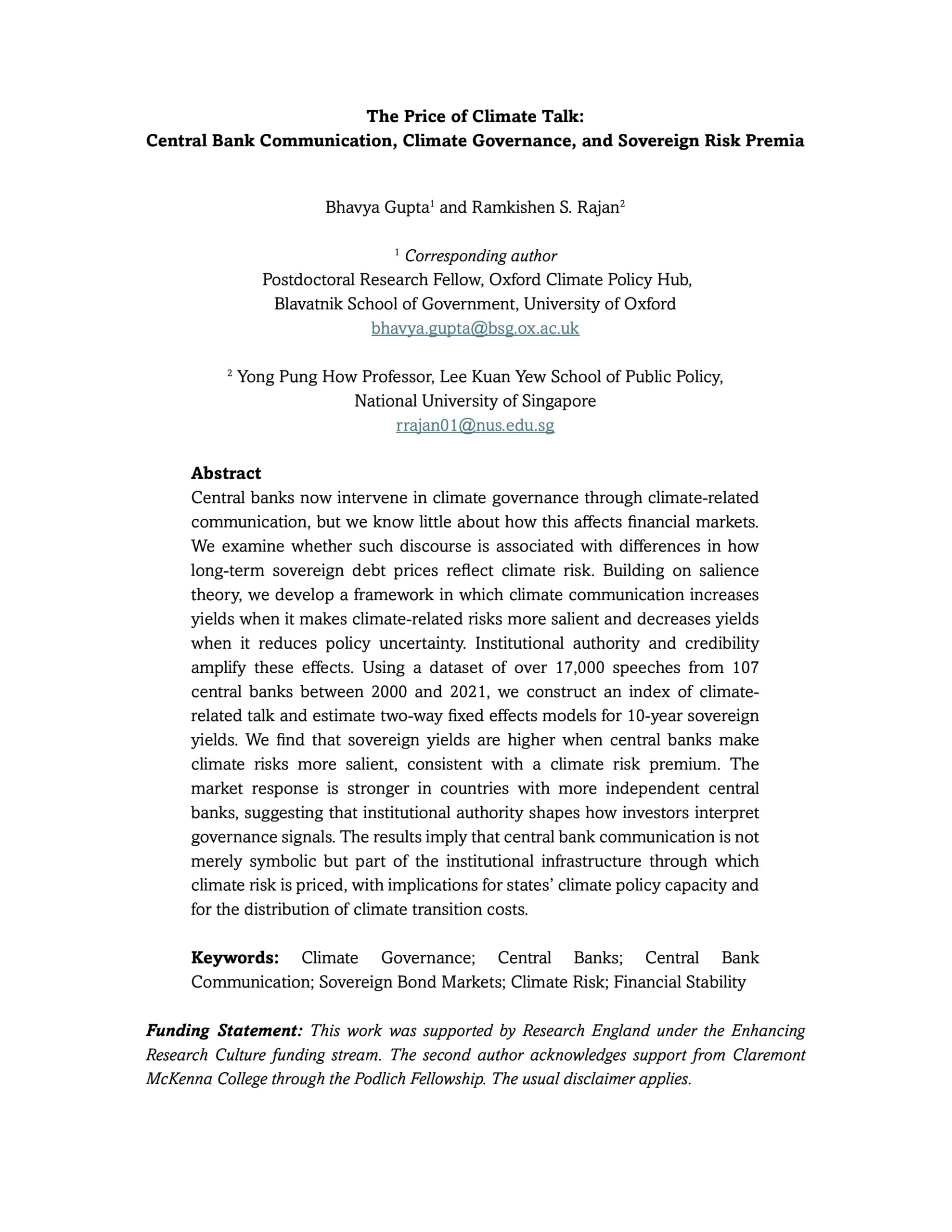
The price of climate talk: Central bank communication, climate governance, and sovereign risk premia
This research examines how central bank climate communication affects 10-year sovereign bond yields. Using a dataset of over 17,000 speeches, it finds that climate-related discourse increases yields by making risks more salient. This effect is stronger in countries with independent central banks, reflecting the role of institutional credibility.
The economic value of decarbonising the Pilbara
This report evaluates the economic impact of applying a A$50 million Fuel Tax Credit cap to decarbonise the Pilbara. It estimates A$7.1 billion to A$13.2 billion in economic value, including A$5.6 billion in induced investment, 16,800 cumulative jobs, and significant carbon abatement facilitated by common-user transmission infrastructure.
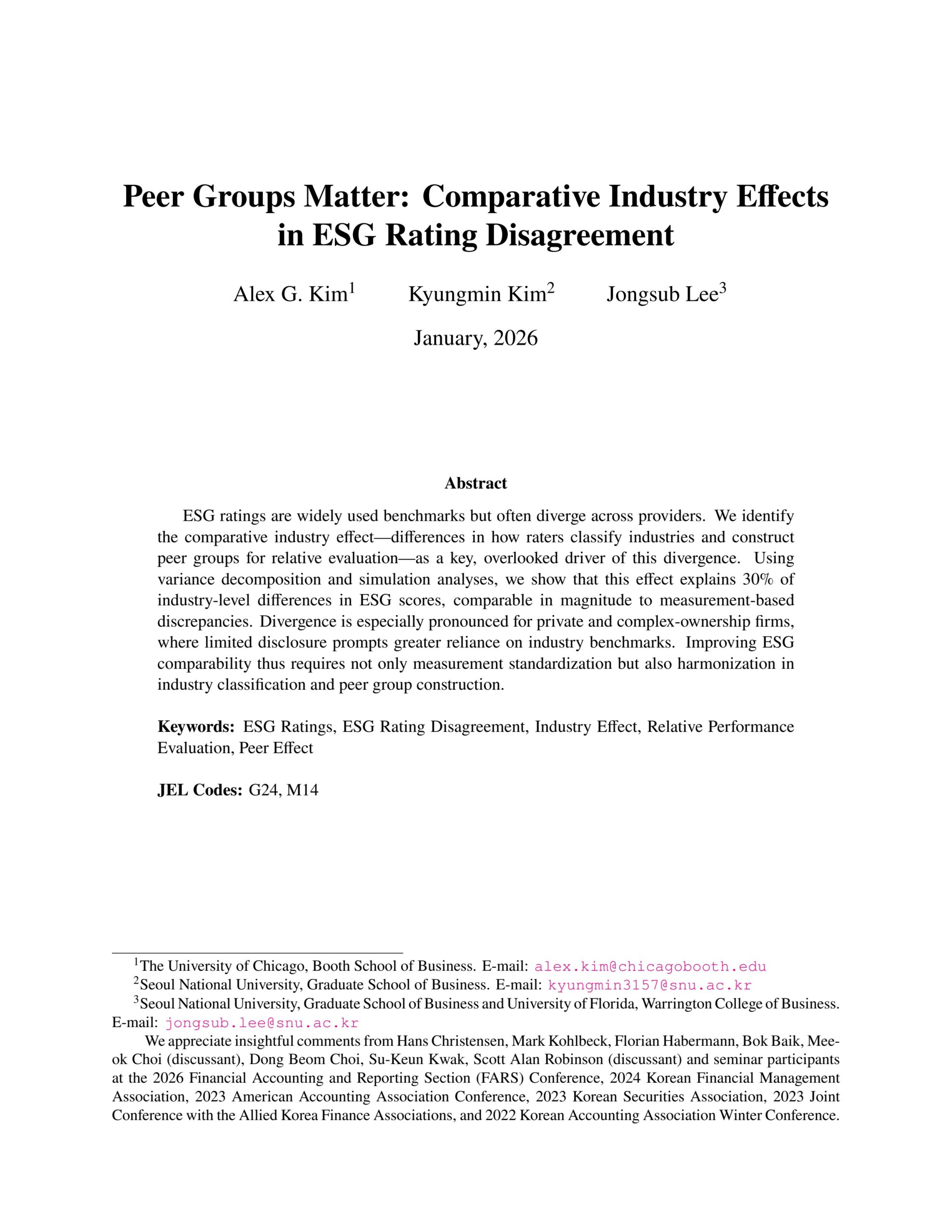
Peer groups matter: Comparative industry effects in ESG rating disagreement
This research identifies the 'comparative industry effect'—differences in industry classification and peer group construction—as a major driver of ESG rating divergence. It explains 30% of industry-level score differences, particularly affecting environmental ratings and firms with limited public disclosure or complex ownership structures.
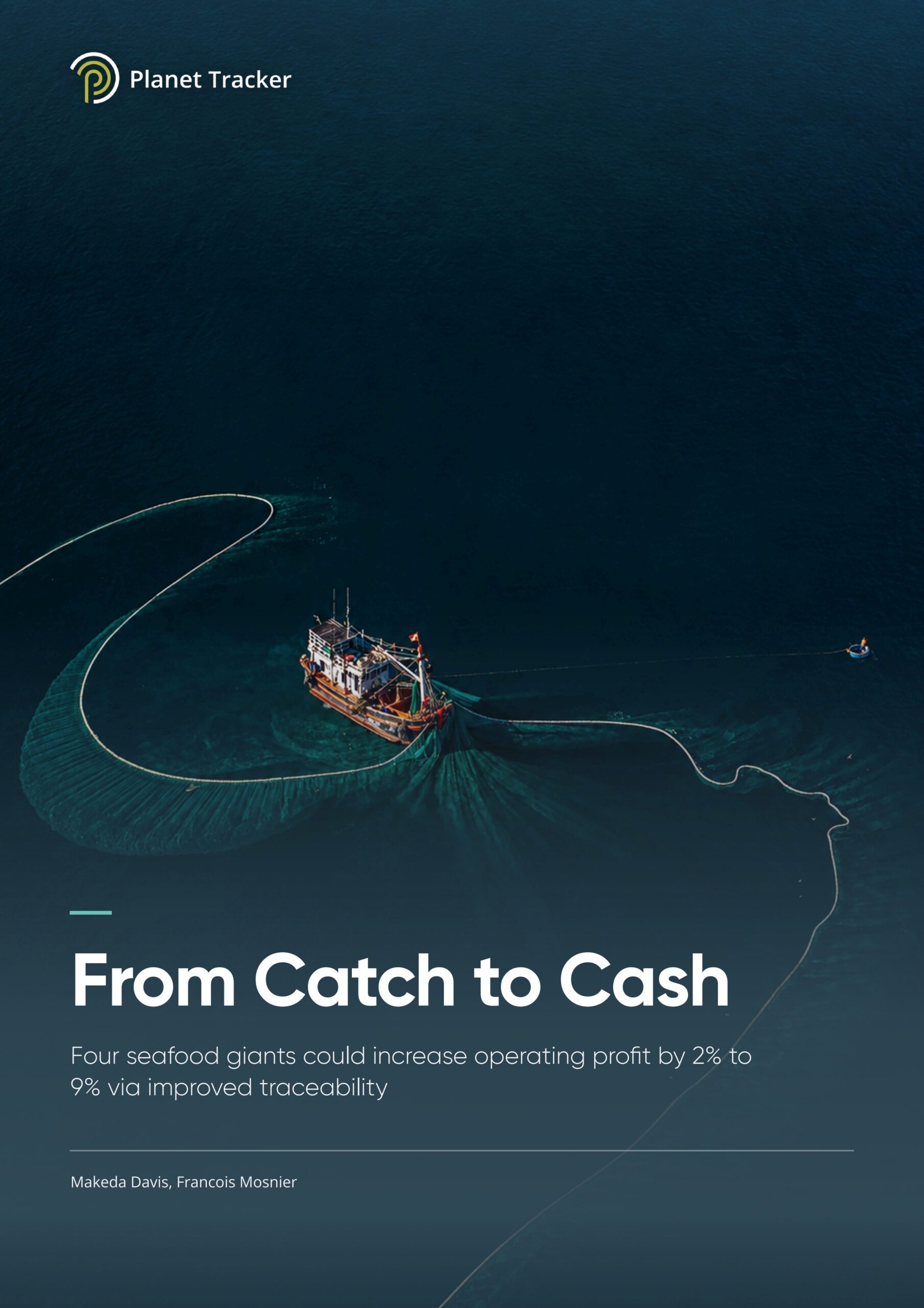
From catch to cash: Four seafood giants could increase operating profit by 2% to 9% via improved traceability
This report analyses the financial benefits of digital traceability for seafood giants Nissui, Umios, Thai Union, and Nomad Foods. It finds that investing in full-chain, interoperable systems could increase operating profits by 2% to 9% by reducing costs, mitigating regulatory risks, and enhancing brand reputation through improved sustainability data.
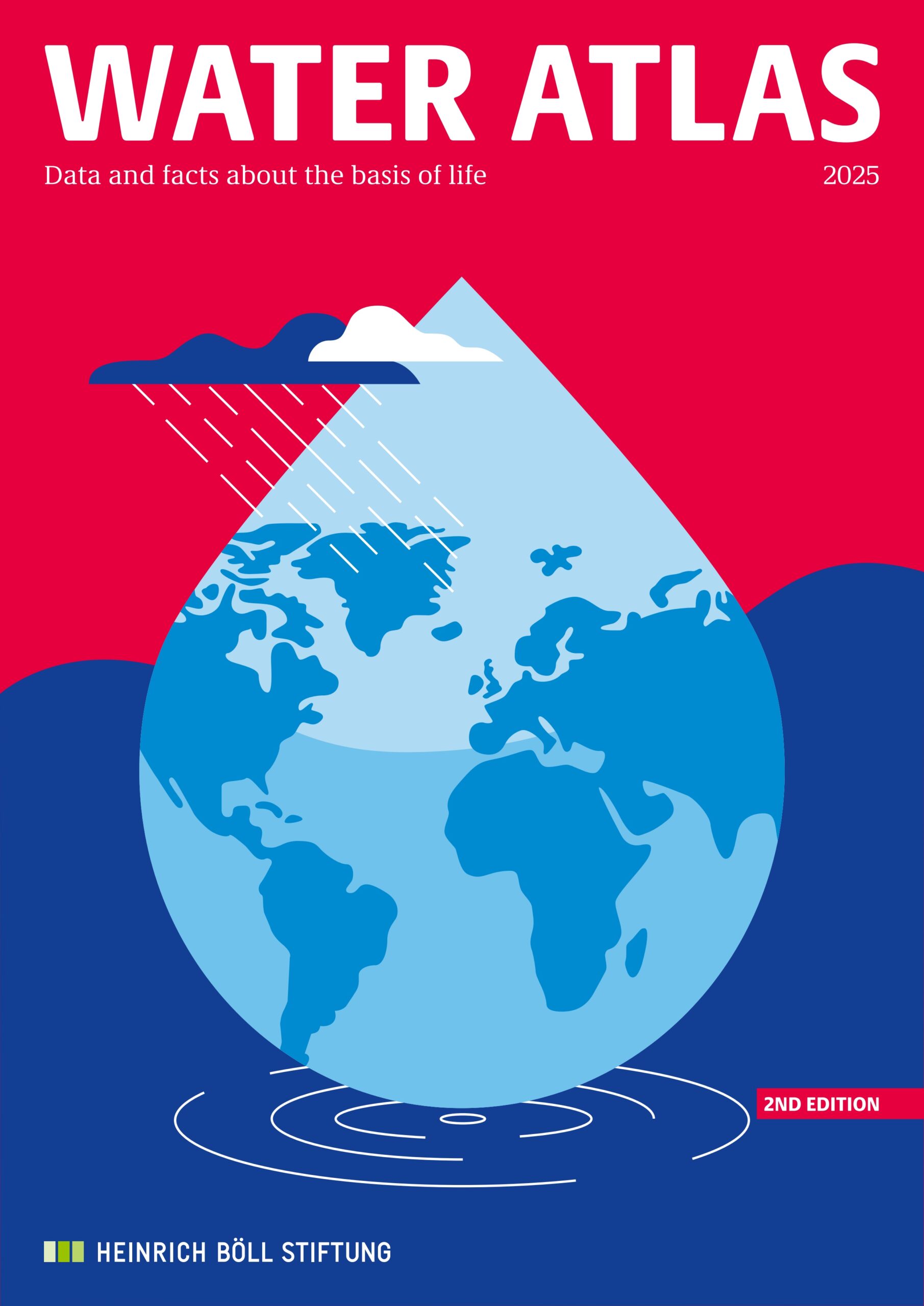
Water atlas: Data and facts about the basis of life 2025
This report analyses the global water crisis, examining the impacts of climate change, pollution, and industrial demand. It highlights the strain from agriculture and digitalisation, explores the failure of privatisation, and advocates for sustainable governance and ecosystem restoration to ensure water security and human rights are protected globally.

Agribusiness Atlas: Facts and figures about the corporations that control what we eat 2026
The Agribusiness Atlas 2026 details the unprecedented concentration of corporate power within global food systems. It examines how dominant firms influence policy, drive environmental degradation, and impact food security. The report advocates for democratic food governance, fair pricing for farmers, and public sector alternatives to curb corporate control.
Building resilient global governance for an era of recurring crises
This report examines strategies for building resilient global governance amidst recurring transnational crises. It advocates for hybrid institutional complexes that balance robust and flexible institutions. By prioritising institutional diversity and leadership, governance systems can better absorb shocks, adapt through innovation, and prepare for future disruptions through institutional learning.
Effects of climate change on menstrual health and hygiene: A global mixed-methods systematic review
This systematic review synthesises evidence on how climate change affects menstrual health and hygiene globally. It finds that floods, cyclones, and droughts disrupt access to materials and sanitation, while air pollution correlates with earlier menarche. The report highlights critical gaps in research regarding extreme heat and equity.


