
Library | Asset Class
Multi-Asset / General
Investment strategies that allocate across multiple asset classes (e.g., equities, bonds, real estate, alternatives) for diversification.
Refine
1367 results
REFINE
SHOW: 16


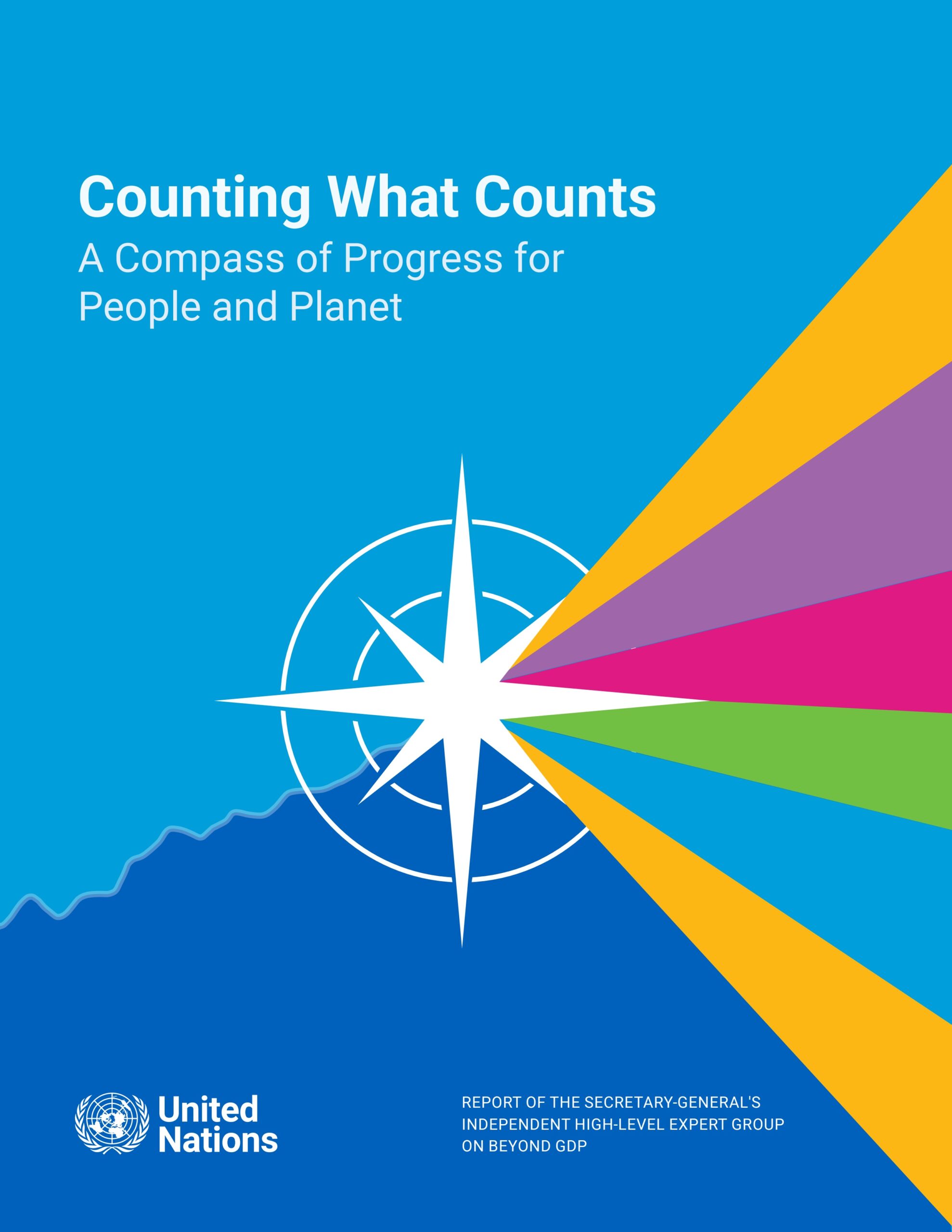
Counting what counts: A compass of progress for people and planet
This report presents a new framework and a dashboard of 31 indicators proposed by the UN High-Level Expert Group to measure societal progress beyond GDP. It emphasises equitable, inclusive and sustainable well-being, offering actionable recommendations for global adoption and enhanced statistical capacity by 2027.
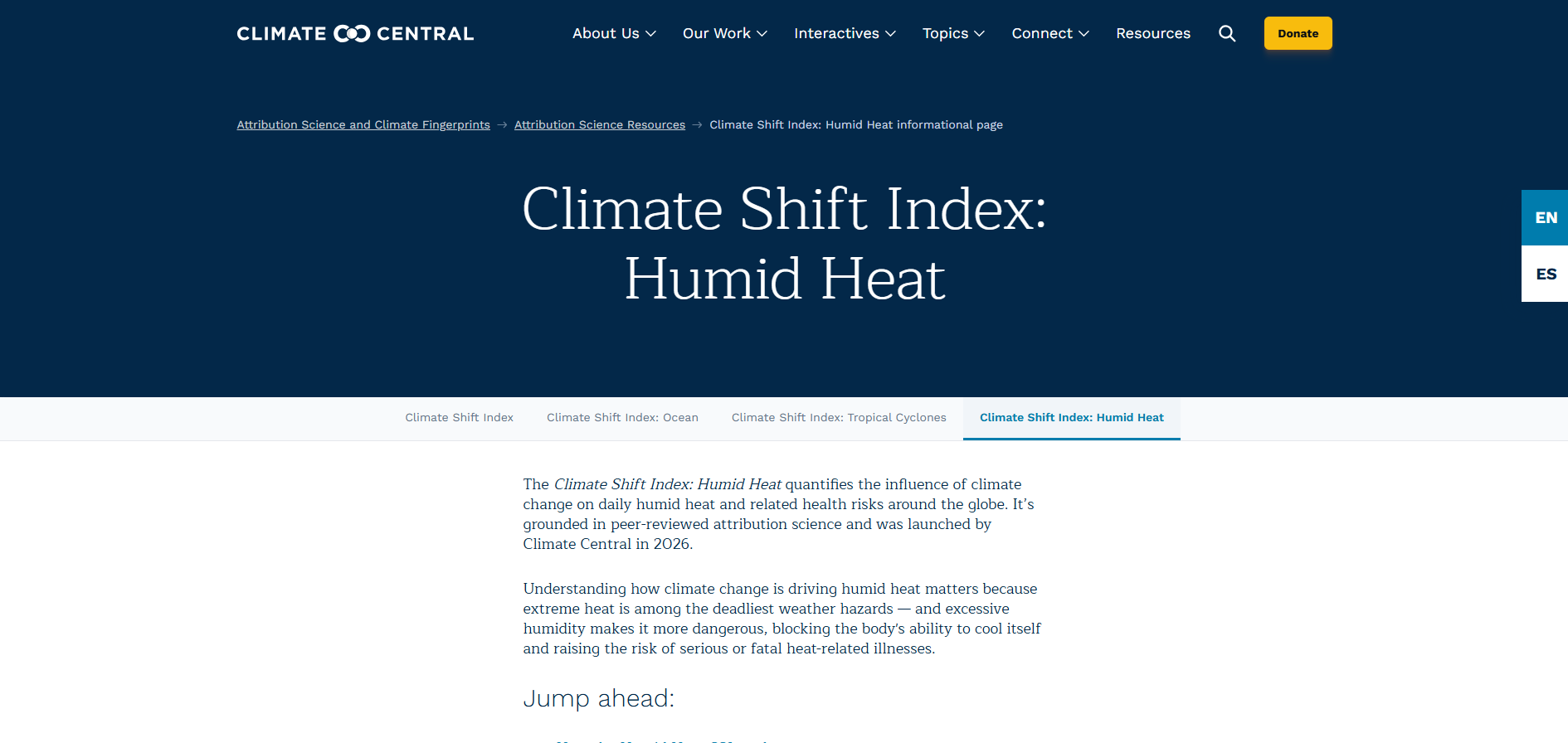
Climate Shift Index: Humid Heat
Climate Shift Index: Humid Heat tracks and calculates the influence of human-caused climate change on daily humid heat conditions across the globe.
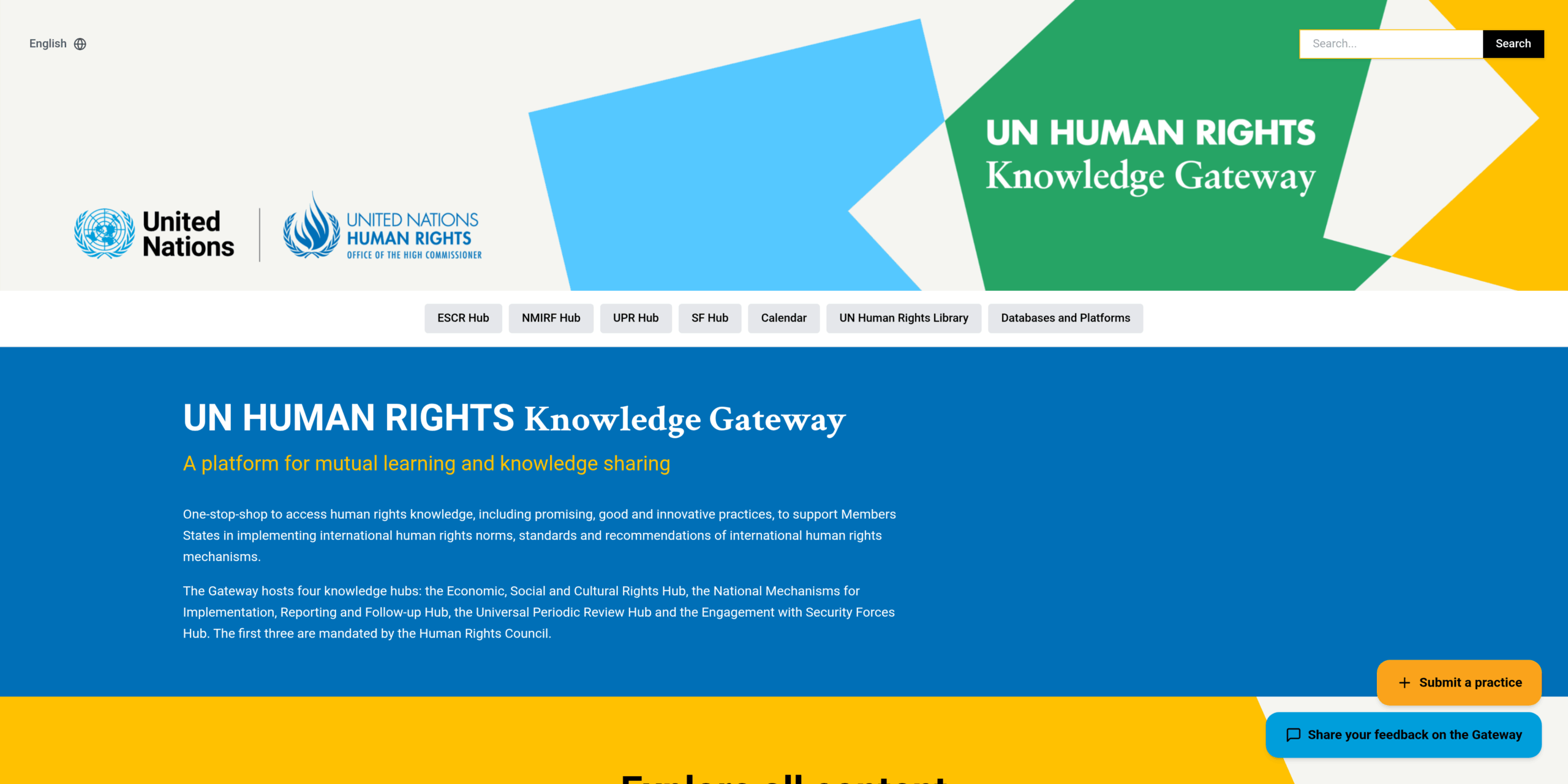
OHCHR Knowledge Gateway
The OHCHR Knowledge Gateway provides access to human rights knowledge, practices, and resources to support implementation of international standards.
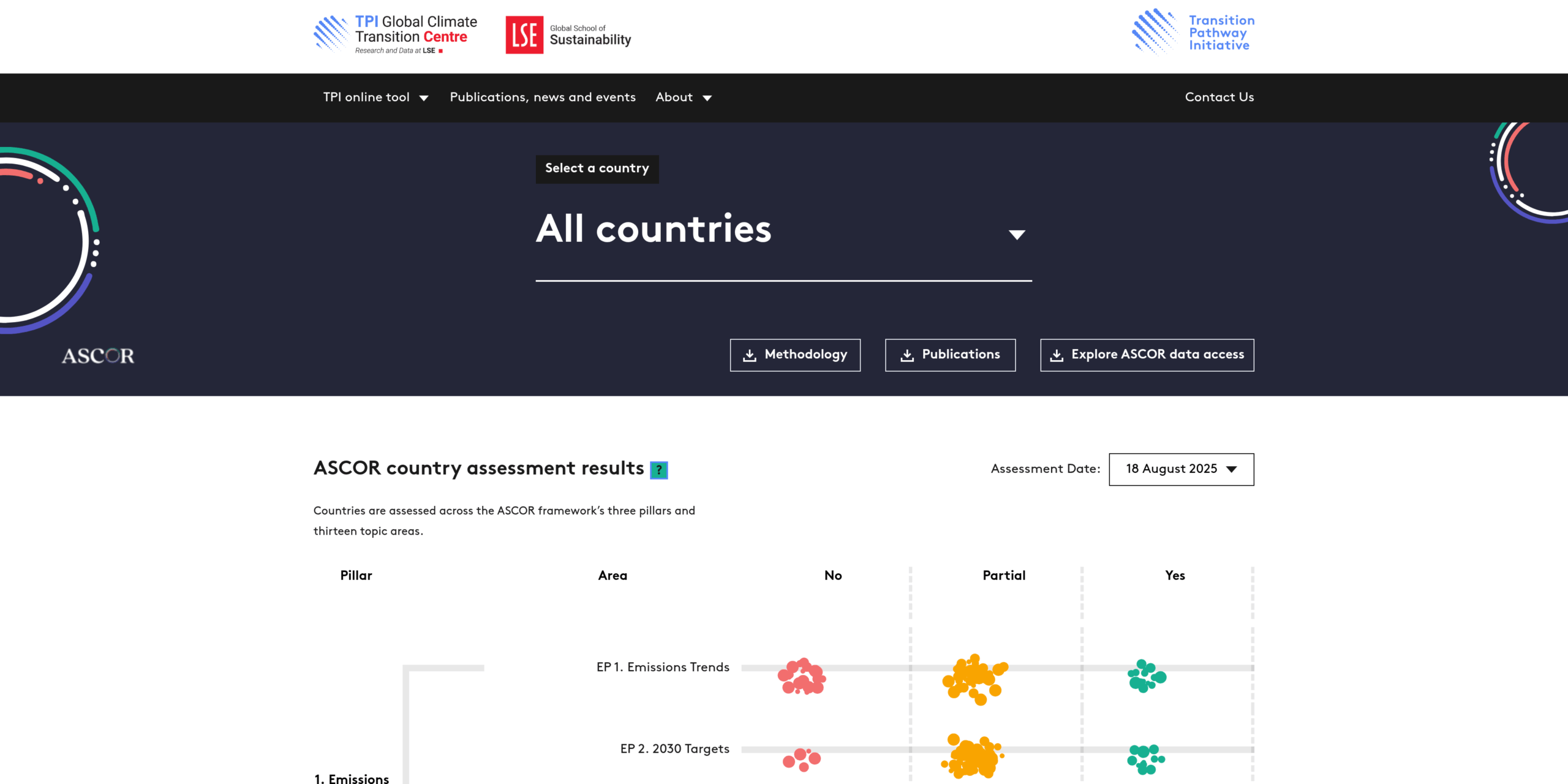
ASCOR Tool
The ASCOR Tool is an investor-led framework for assessing how countries manage the low-carbon transition and the impacts of climate change.
Finance for biodiversity data catalogue
The FfB Biodiversity Data Catalogue is an online tool designed to help financial institutions navigate the nature-related data landscape.

CARE for women: Investing in care delivery to improve women’s lives and livelihoods
This report examines the 34% of the global women's health gap caused by care delivery failures. Focusing on cardiovascular risk and perinatal depression, it outlines the CARE framework to standardise screening and referral pathways, demonstrating that preventative care investments yield a three- to six-fold return.
The state of sustainable finance (2025-2030) global architecture, jurisdictional approaches and emerging trends
This report examines global sustainable finance architecture and institutional shifts from 2025 to 2030. It assesses regulatory approaches across nine major jurisdictions, highlighting the European Union as the benchmark. The analysis identifies structural trends, including transition finance scaling, nature risk integration, and the harmonisation of sustainability reporting.
Aligning transition planning and financial planning: A guide for finance teams
This guidance assists finance teams in integrating transition planning into their organisation's core financial processes. It outlines steps to prepare, assess current positions, prioritise actions, and embed sustainability strategies into medium-term financial planning. The report provides practical frameworks for financing, improving decision-making, and monitoring progress towards climate resilience.
Leaning on uncertainty: Are European countries overrelying on carbon removals to reach climate targets?
This report analyses the climate strategies of six European countries and the European Commission, revealing a risky overreliance on unproven carbon dioxide removal technologies. It highlights fragmented planning, absent feasibility assessments, and policies contradicting scientific advice, warning that current approaches threaten effective climate action.
Mobilising trade associations as a force for good: A playbook for companies
This playbook outlines a five-step framework for companies to manage their indirect policy engagement through trade associations. It provides guidance on articulating science-based climate policy priorities, assessing association alignment, engaging to drive improvement, and rigorously reviewing memberships to ensure they support corporate sustainability targets.
Fiscal policy and transition risk
This report uses an environmental dynamic stochastic general equilibrium model to analyse how climate policies interact with pre-existing labour and capital taxes. It finds that transition risks depend on policy design, financing choices, and financial frictions, highlighting critical differences between carbon taxes and abatement subsidies.
Frontier AI auditing: Toward rigorous third-party assessment of safety and security practices at leading AI companies
This report proposes a rigorous framework for third-party auditing of frontier AI systems to verify safety and security claims. Addressing the opacity of current self-assessments, it advocates for structured AI Assurance Levels, deep access to non-public information, and continuous monitoring to enable confident deployment and standardisation across the industry.
Cracking the credit code: Alternative data and AI for financial inclusion
This report explores how alternative data and artificial intelligence are redefining credit scoring to enhance financial inclusion for women and underserved borrowers. It analyses market trends, evaluates the risks of algorithmic bias, and provides actionable recommendations to scale responsible, inclusive credit access across emerging markets.
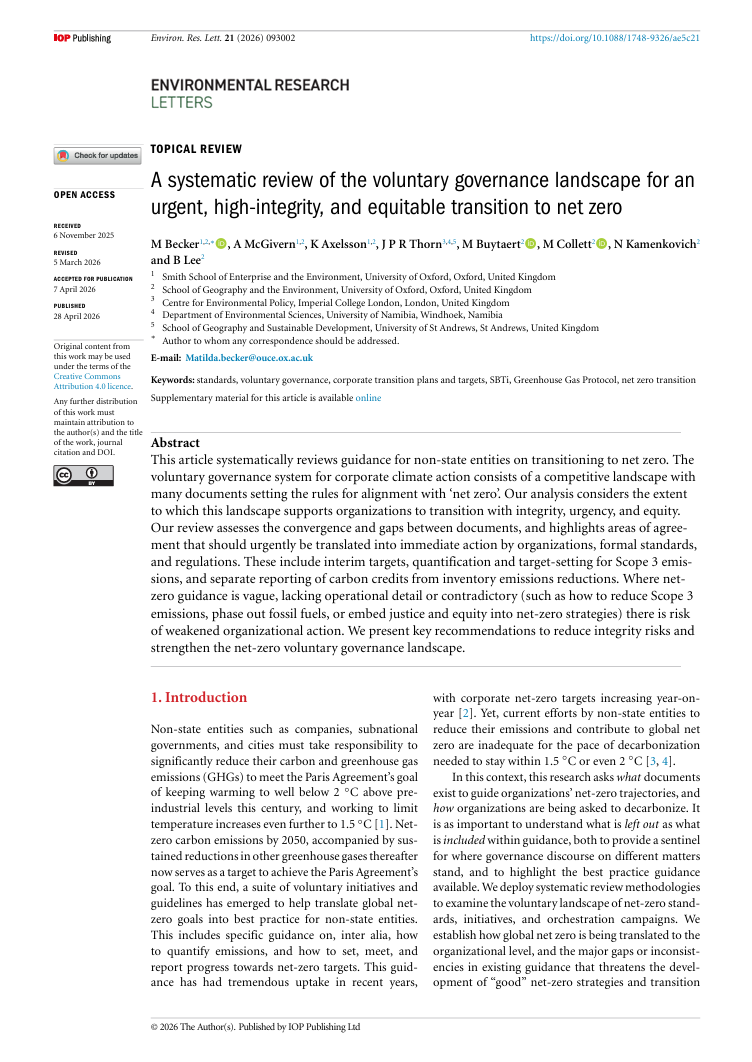
A systematic review of the voluntary governance landscape for an urgent, high-integrity, and equitable transition to net zero
This systematic review analyses 36 voluntary governance documents to assess how well they guide non-state entities towards an urgent, high-integrity, and equitable net-zero transition. It identifies consensus areas, like science-based targets, alongside critical gaps in operational detail, equity, and accountability, highlighting the need for robust standards and regulation.
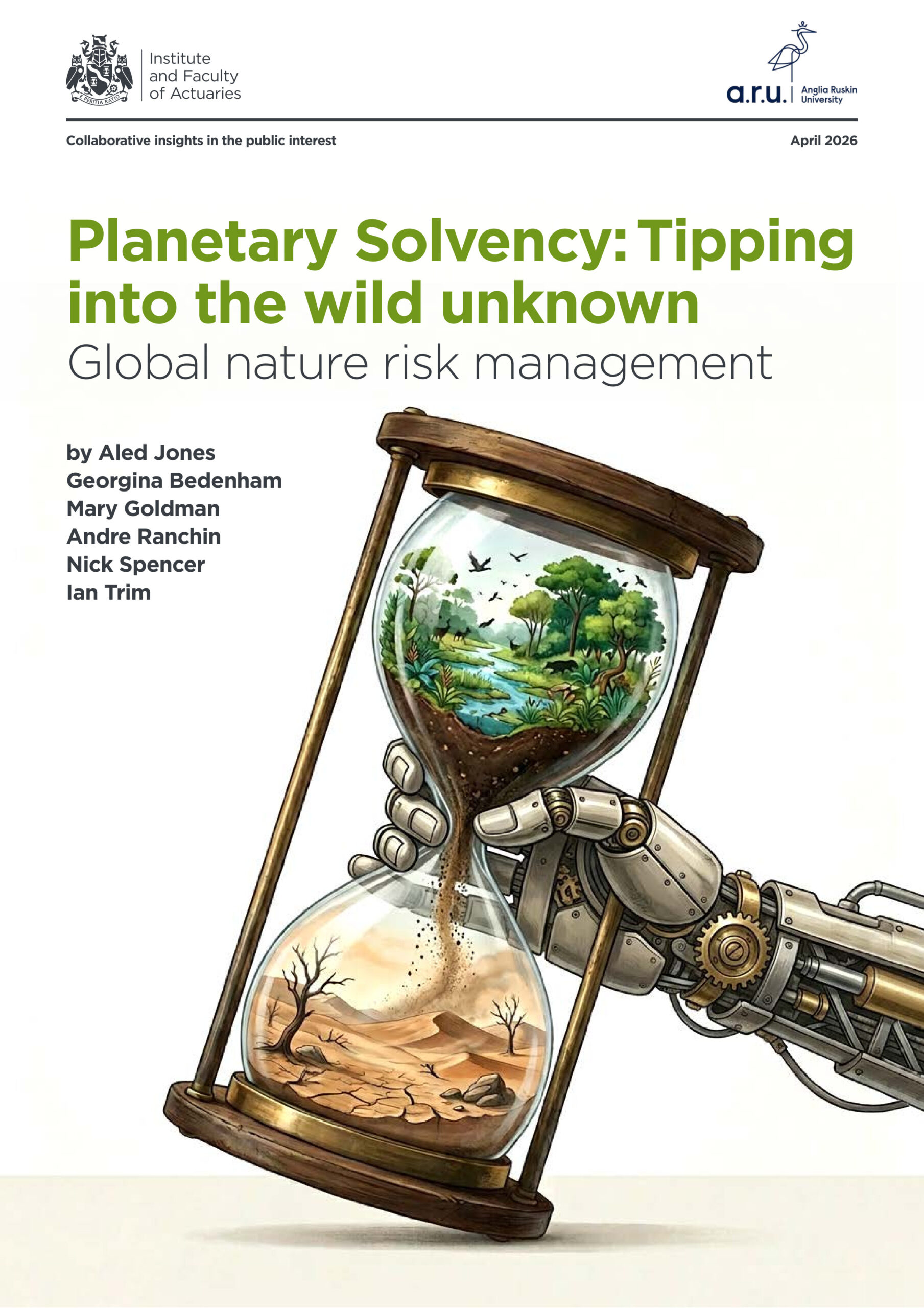
Planetary solvency: Tipping into the wild unknown: Global nature risk management
This report outlines how the degradation of global ecosystems threatens societal and economic resilience. It highlights immediate risks to food systems and health, long-term ecosystem tipping points, and the necessity of integrating biodiversity into financial models. Actuaries and policymakers are urged to adopt systemic, narrative-based risk management strategies.


