
Library | Sustainable Finance Practices
ESG Integration and analysis
Tools, methodologies, and frameworks for embedding ESG factors into financial analysis, valuation, credit assessment, underwriting, and portfolio management, while separating out broader strategic elements.
Team Altiorem recommends

Refine
699 results
REFINE
SHOW: 16


From measurement to decision: How impact valuation is changing the way leaders decide
This paper by Valuing Impact examines how 19 organisations are moving beyond sustainability measurement to use impact valuation as a decision-making tool. Covering strategy, investment, steering, operations and stakeholder engagement, it presents case studies and six practical lessons for embedding impact data alongside financial information in real business decisions.
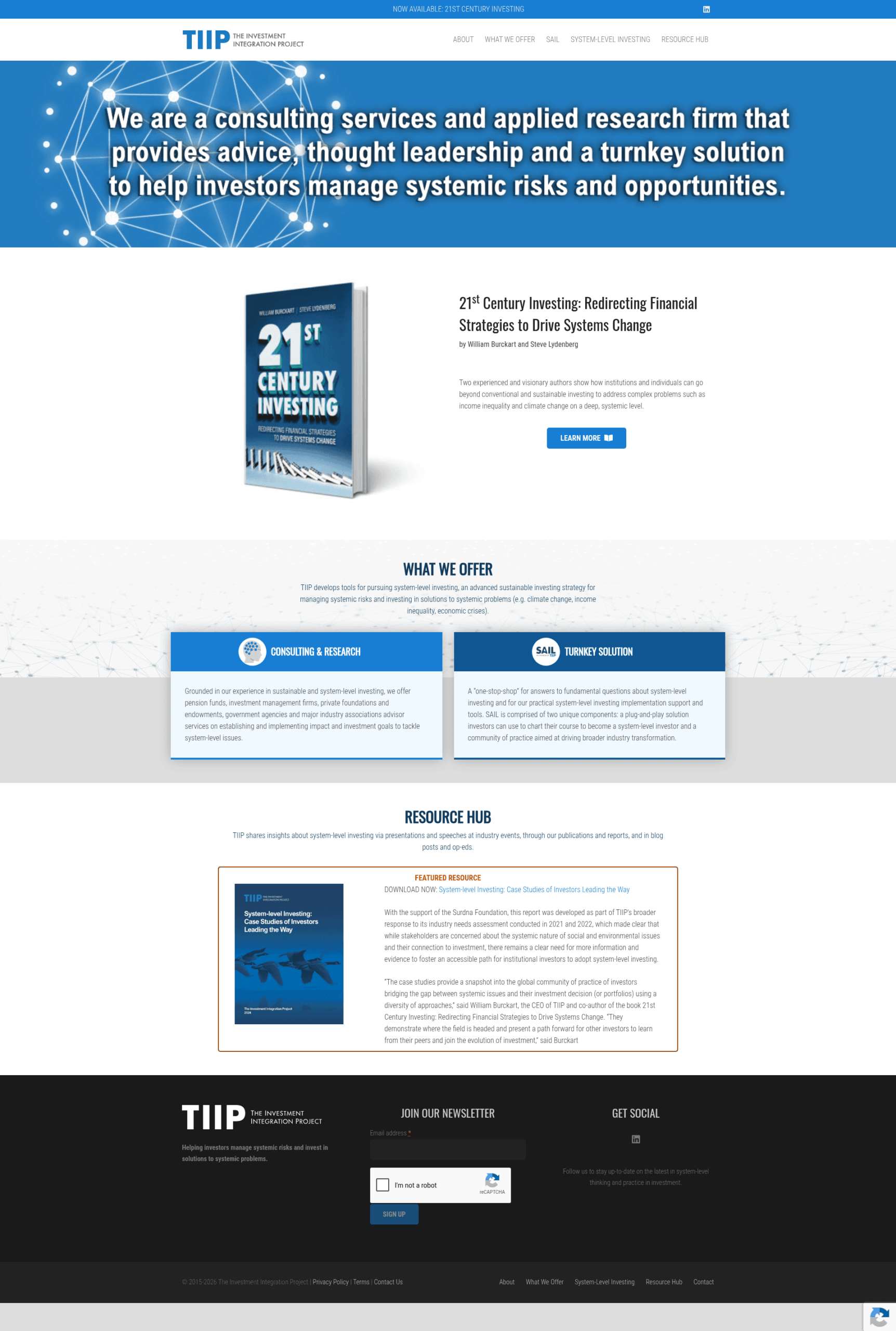
TIIP: The Investment Integration Project
TIIP develops tools and advisory services for system-level investing, helping institutional investors manage systemic risks related to climate change and inequality.
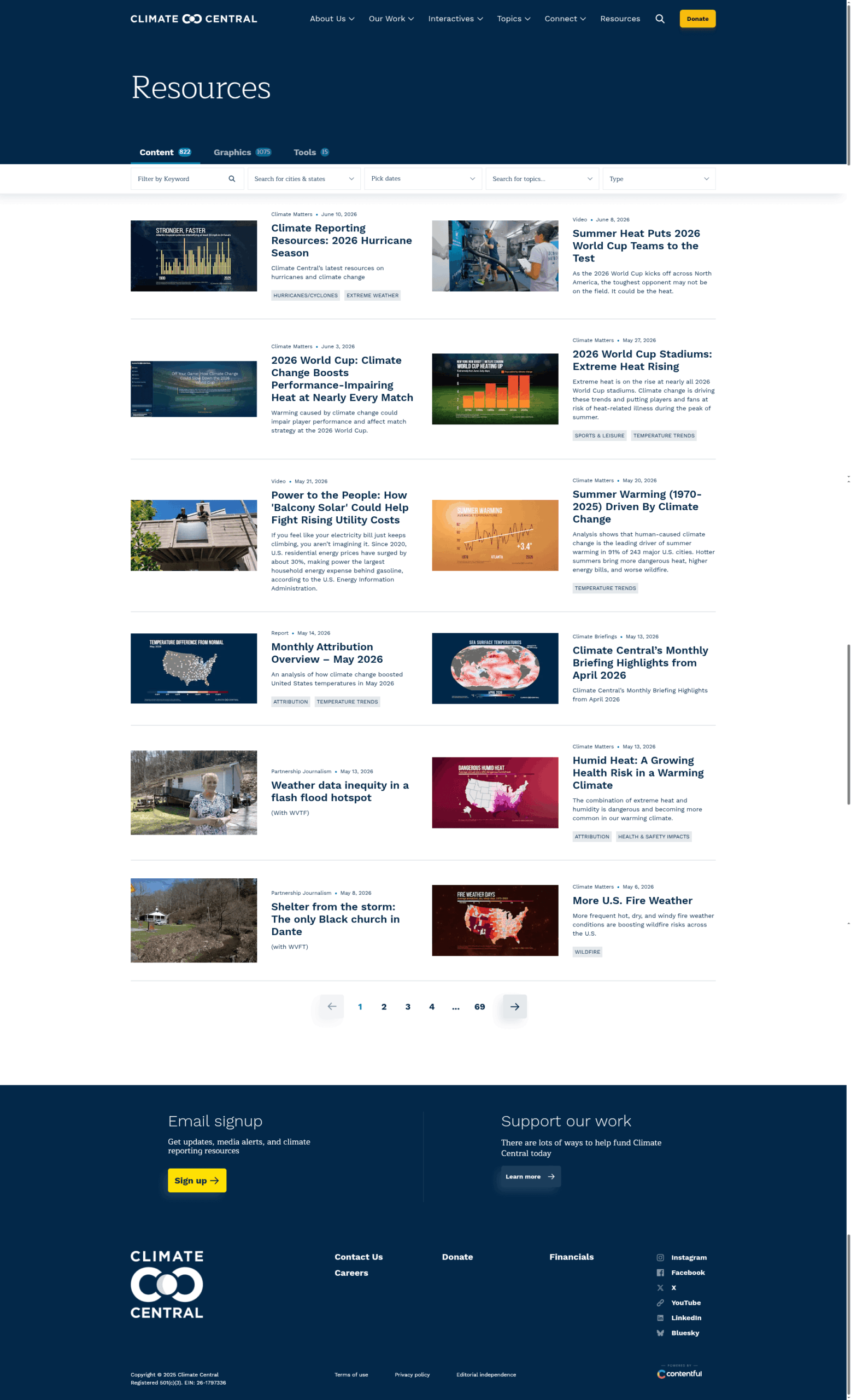
Climate Central
Climate Central Resources is an online library of climate science content, interactive tools, graphics and datasets. It provides evidence-based information on climate change impacts, extreme weather, sea level rise and climate risk, supporting analysis, communication and decision-making across sectors, including finance.
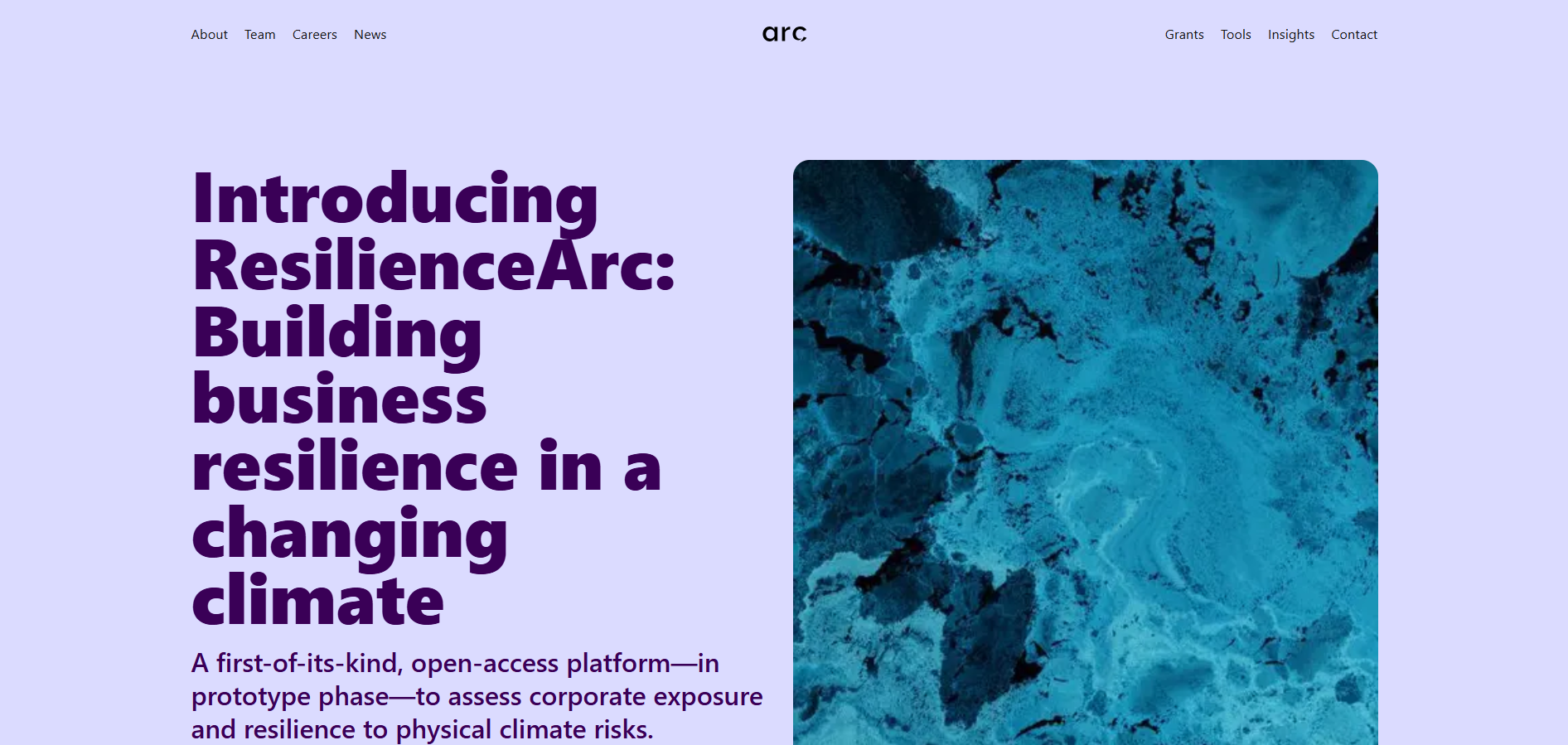
ResilienceArc
ResilienceArc is an open-access platform assessing corporate exposure and resilience to physical climate risks by linking asset-level data.
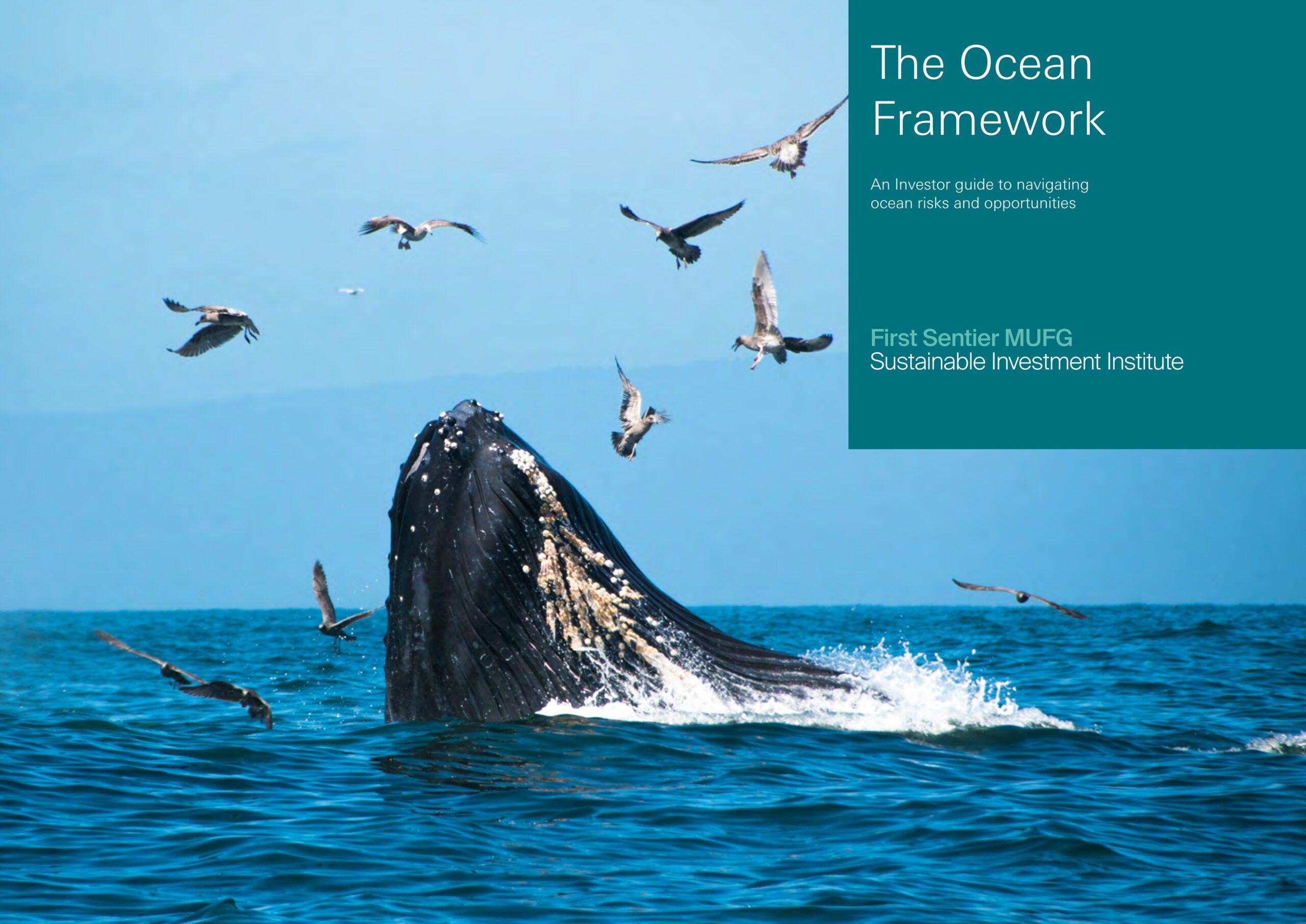
The Ocean framework: An investor guide to navigating ocean risks and opportunities
This investor guide examines ocean-related risks and opportunities across nine ocean-dependent sectors. It outlines five key drivers of ocean degradation, introduces a seven-step portfolio assessment framework, and provides sector-specific engagement guidance for fisheries, aquaculture and maritime transportation.
Navigating nature-related data: Metrics, sources and uses
This NGFS information note examines available nature-related data resources and methods for integrating them into financial risk assessment. It reviews metrics and indicators against five key criteria, presents four case studies, and identifies data quality, availability, and standardisation challenges. Public-private collaboration and targeted investment are recommended to address data gaps.
The TISFD framework: Recommendations for disclosure of people-related information by businesses and financial institutions
The TISFD Framework (Beta Version 0.1) presents draft disclosure recommendations for businesses and financial institutions on people-related impacts, dependencies, risks and opportunities. Building on ISSB, GRI and ESRS standards, it covers governance, strategy, and impact and risk management pillars, with metrics and targets to follow in future iterations.
The Swiss investors in the ICE system
This BreakFree Suisse research note examines Swiss institutional investors — including UBS, SNB, Zurich Insurance, and others — holding billions of dollars in US ICE contractors Palantir, AT&T, Geo Group, and CoreCivic. The report argues these investments conflict with the investors' stated human rights policies and ESG commitments.
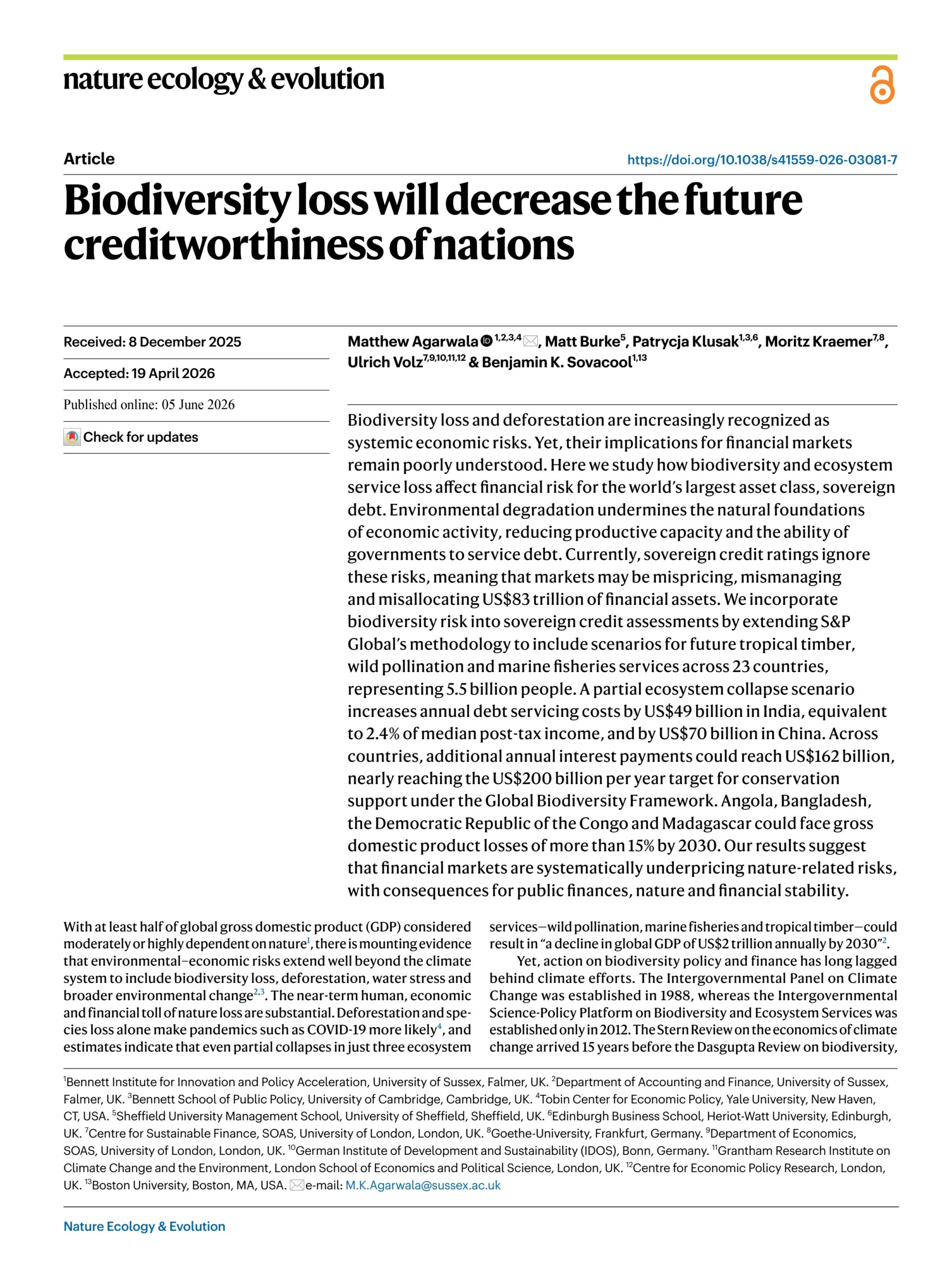
Biodiversity loss will decrease the future creditworthiness of nations
This study examines how biodiversity and ecosystem service loss affect sovereign creditworthiness across 23 countries. Using ecological-economic modelling, it finds that a partial ecosystem collapse could generate US$162 billion in additional annual debt servicing costs globally, highlighting that sovereign credit ratings are systematically underpricing nature-related financial risks.
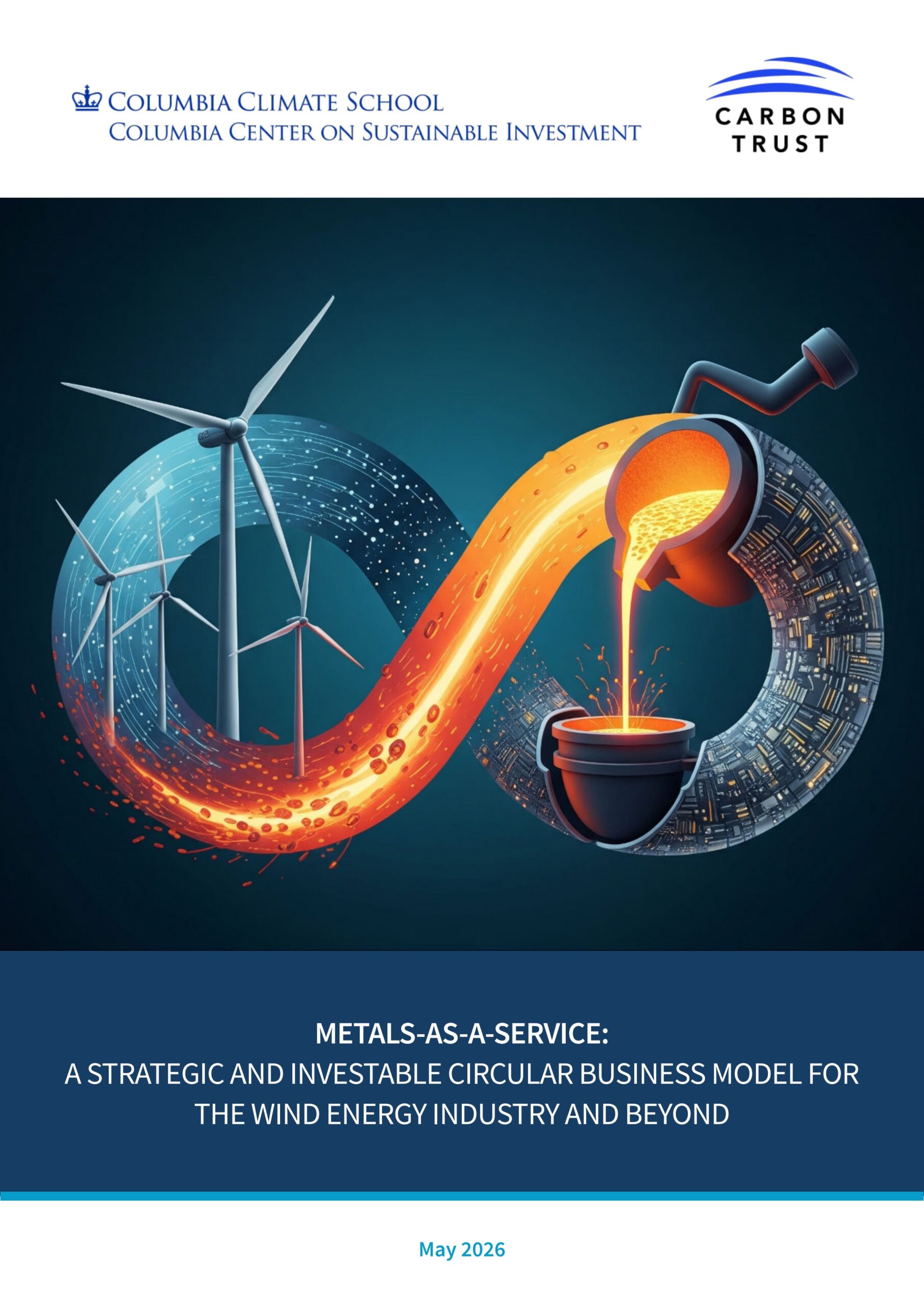
Metals-as-a-Service: A strategic and investable circular business model for the wind energy industry and beyond
Metals-as-a-Service (MaaS) proposes a circular business model for the wind energy sector and beyond, in which metal ownership is retained by a Special Purpose Vehicle throughout the asset lifecycle. The model converts metal procurement from capital expenditure into a service-based structure, enabling securitisation, improved supply security, and circular value creation.
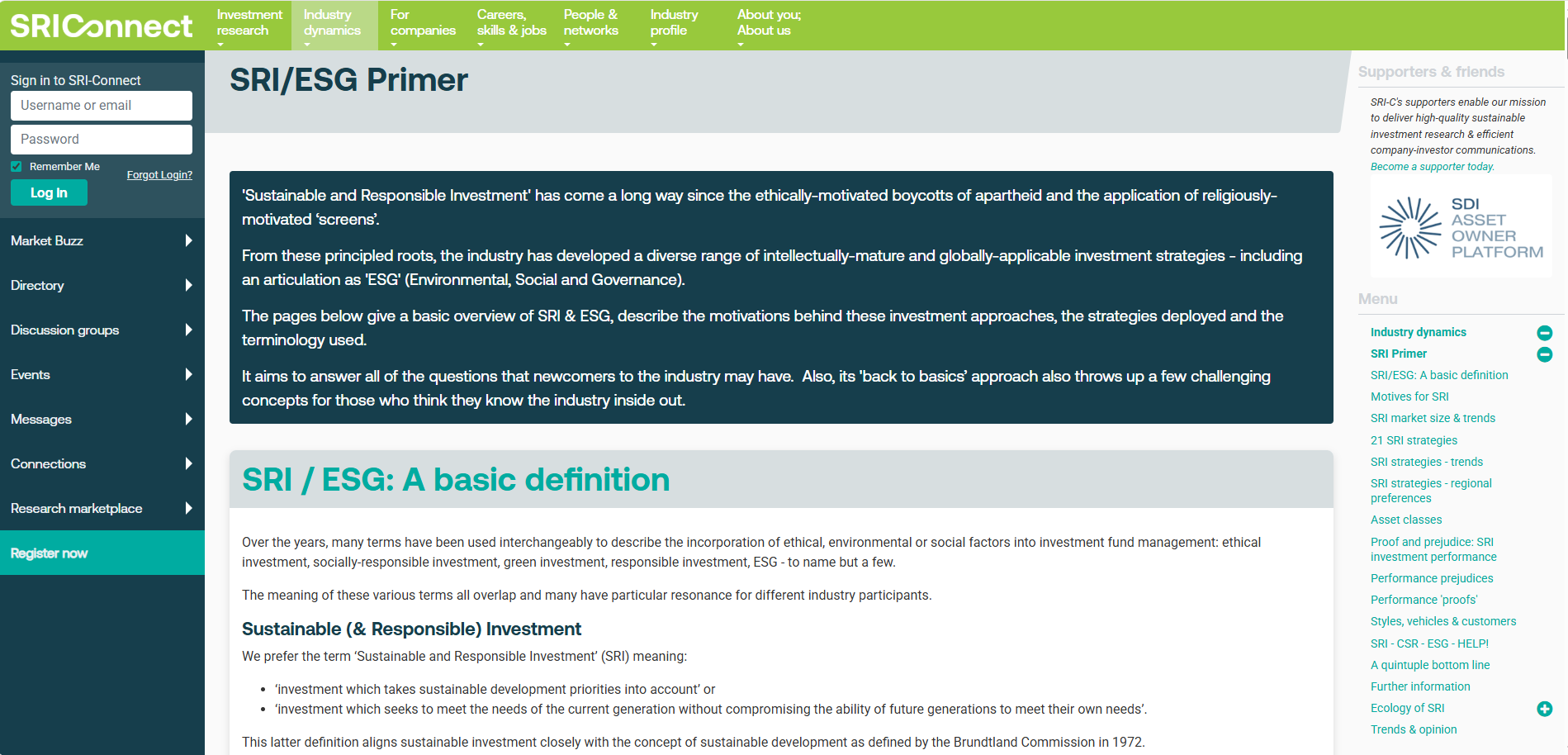
SRI Connect – Market buzz: SRI/ESG market trends & dynamics
This resource provides an introductory overview of Sustainable and Responsible Investment (SRI) and ESG, explaining key concepts, motivations, terminology, market developments and investment strategies. It is designed to help newcomers understand how sustainability considerations are incorporated into investment practice and the broader sustainable investment industry.
How to use consensus state of nature metrics to understand business dependencies on ecosystem services
This briefing note explains how businesses and financial institutions can configure the NPI consensus State of Nature metrics to understand their dependencies on ecosystem services. It outlines a four-step practical process, identifies where the metrics provide strong insight, and highlights where complementary indicators are needed.
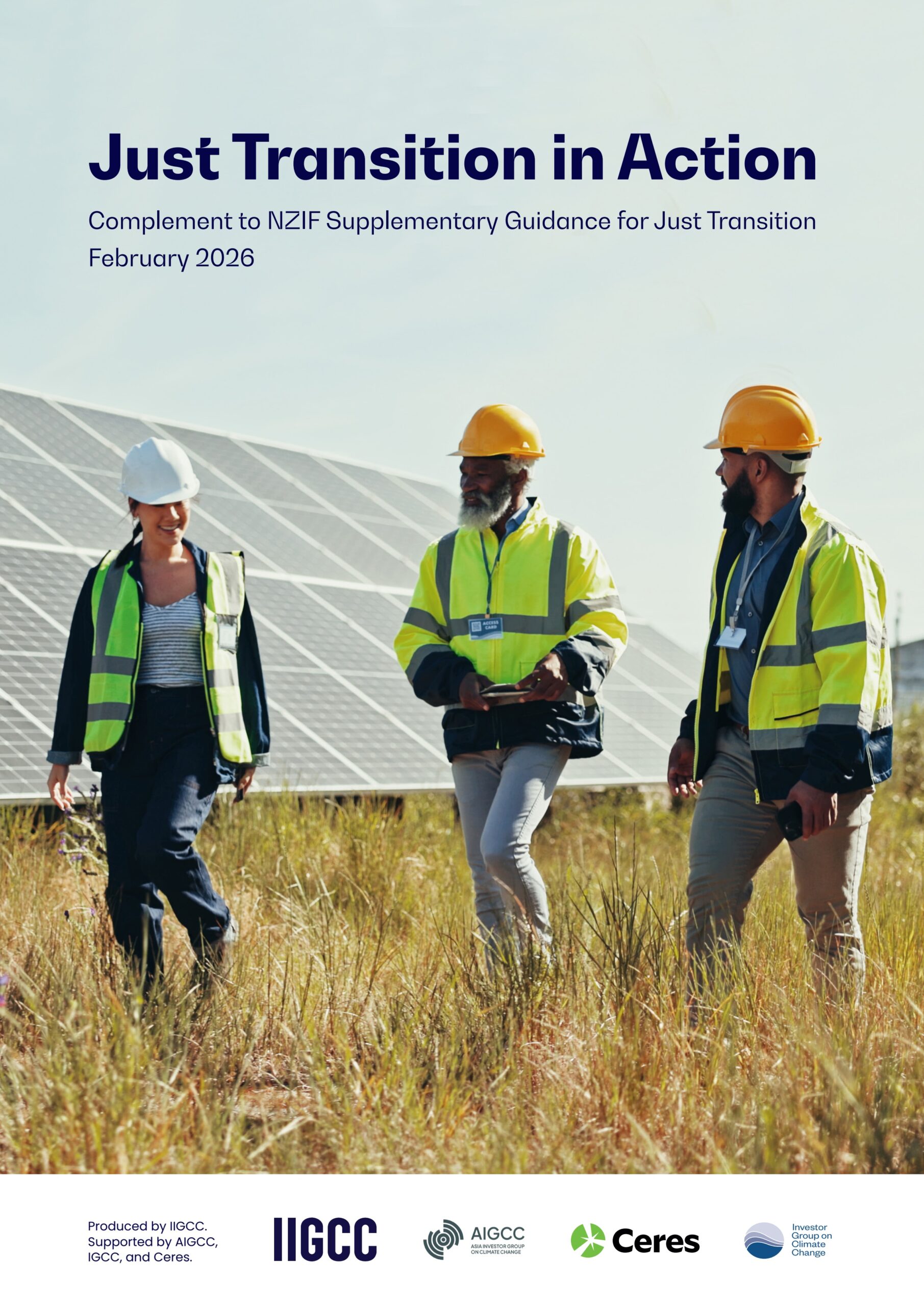
Just transition in action: Complement to NZIF supplementary guidance for just transition
Produced by IIGCC with support from AIGCC, IGCC, and Ceres, this report complements the NZIF Supplementary Guidance on Just Transition. It provides practical case studies and frameworks to help investors integrate social equity considerations into climate-aligned investment strategies across internal direction, asset alignment, and external engagement.
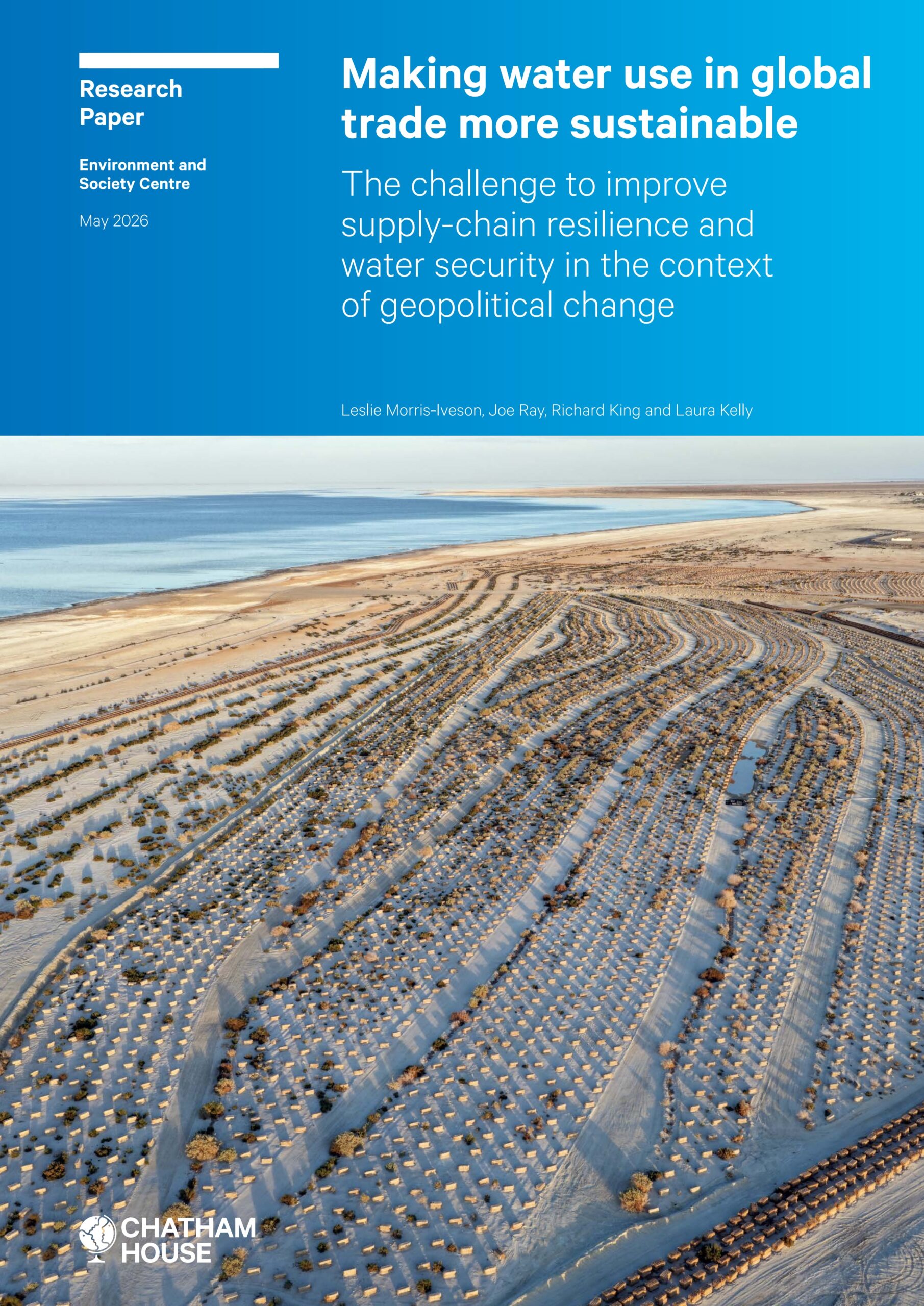
Making water use in global trade more sustainable: The challenge to improve supply-chain resilience and water security in the context of geopolitical change
This Chatham House paper examines how global supply chains drive unsustainable water use and water insecurity, particularly in the Global South. It explores 'virtual water' trade dynamics, the impact of geopolitical fragmentation on cooperative water governance, and presents 10 recommendations for governments, corporations, financial institutions and civil society.
Leading the charge: Turning risk into reward with a circular economy for EV batteries and critical minerals
This report by the Ellen MacArthur Foundation examines systemic risks in the EV battery value chain and sets out a circular economy framework, identifying five bright spots — battery design, rightsizing, circular business models, regional infrastructure, and data transparency — to build resilience and reduce critical mineral demand.
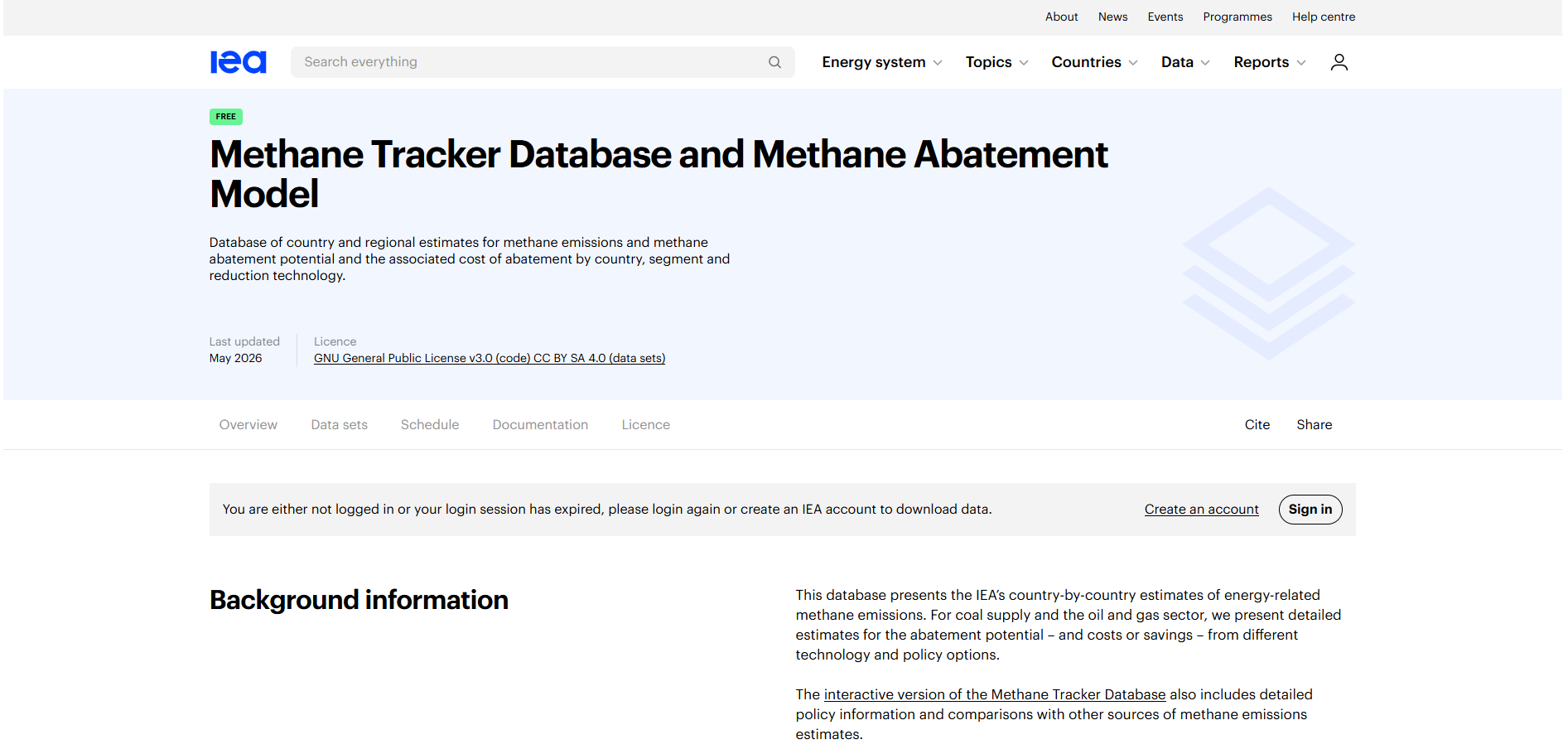
IEA Methane Tracker Data Tool
The IEA Methane Tracker Data Tool provides interactive, country-level methane emissions data and enhanced policy tracking across the energy sector.


