
Library | Location
United States
Refine
680 results
REFINE
SHOW: 16



Trellis Group
Trellis Group (formerly GreenBiz) is a US-based sustainability media, events, and peer-network platform empowering sustainability professionals to confront the climate crisis.
AlphaGlass: Interpretable characteristic-based portfolio choice
AlphaGlass is an interpretable machine-learning framework for characteristic-based portfolio construction that directly optimises the Sharpe ratio. Applied to U.S. equities from 2000 to 2021, it achieves a monthly out-of-sample Sharpe ratio of 0.47, outperforming random forests, neural networks, and EBM benchmarks, while providing transparent attribution to firm characteristics.
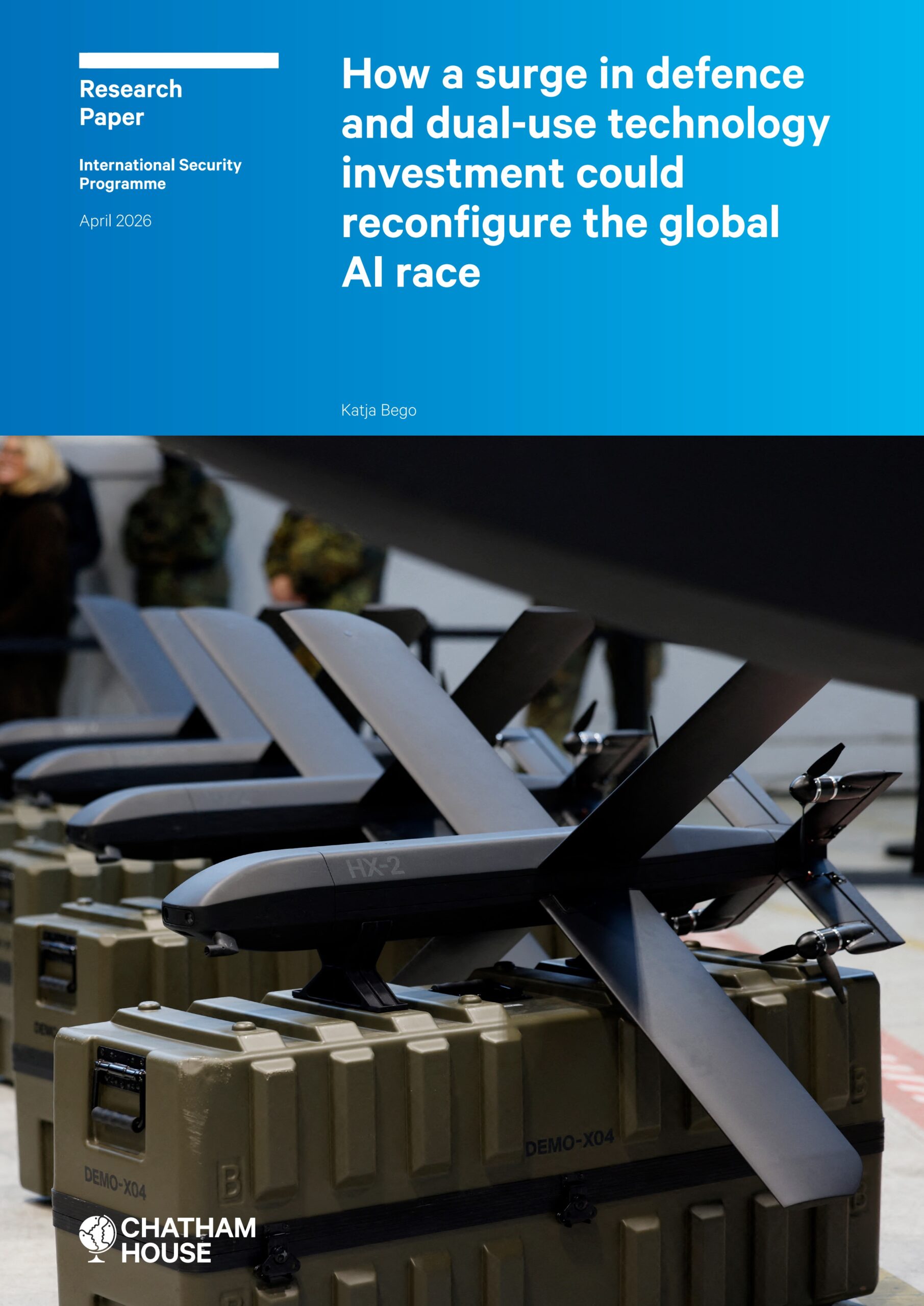
How a surge in defence and dual-use technology investment could reconfigure the global AI race
This Chatham House paper examines four trends — rising defence and dual-use investment, the growth of 'patriotic tech', the push for sovereign AI, and concerns over an AI valuation bubble — that could multipolarise the global AI race, and offers recommendations for private sector preparedness.
Measuring the impact of data centers in the United States economy: Monetary damage from air pollution and greenhouse gas emissions
This NBER working paper quantifies the environmental costs of US data centre electricity use in 2025. Using facility-level data for approximately 2,800 data centres, it estimates gross external damages of $24.6 billion from air pollution and greenhouse gas emissions, with Texas and Virginia accounting for 30% of the national total.
Retreat or respect? Diverging corporate paths on human rights in a time of turbulence
This BHRC report examines how top US companies are responding to mounting pressure on human rights standards. It identifies three corporate pathways: active deregulatory lobbying by Big Oil and Big Tech, quiet retreat from human rights commitments, and continued adherence. Survey data from April 2026 reveals significant reductions in human rights staffing and budgets.

Thomson Reuters Foundation
The Thomson Reuters Foundation is the independent corporate charitable foundation of Thomson Reuters, working to strengthen free, fair, and informed societies through media freedom, legal services, and responsible business initiatives.
Labor market effects of California's $20 fast-food minimum wage
This NBER working paper examines the labour market effects of California's AB 1228, which raised the fast-food minimum wage to $20 per hour in April 2024. Across 32 QCEW and QWI specifications, wages rose by roughly 7 per cent with an own-wage elasticity of employment ranging from −0.29 to +0.26, indicating modest to no disemployment.

CAIA Association
CAIA Association is the global nonprofit professional body for alternative investment education and credentialing, best known for the Chartered Alternative Investment Analyst (CAIA) Charter designation.

Ranking Digital Rights
An independent initiative that evaluates the world's most powerful digital platforms and telecommunications companies on their policies and practices affecting users' freedom of expression, privacy, and human rights.
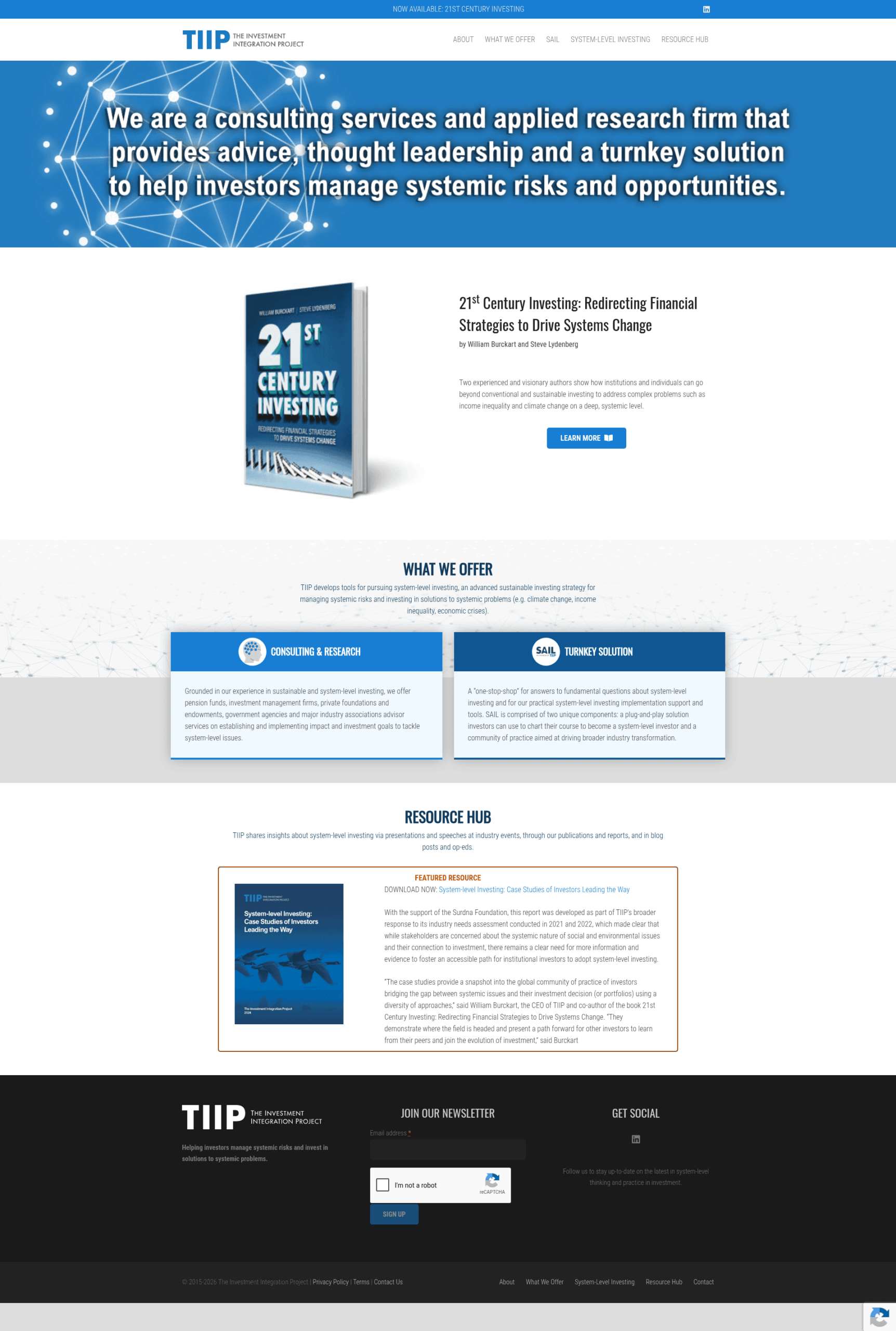
TIIP: The Investment Integration Project
TIIP develops tools and advisory services for system-level investing, helping institutional investors manage systemic risks related to climate change and inequality.
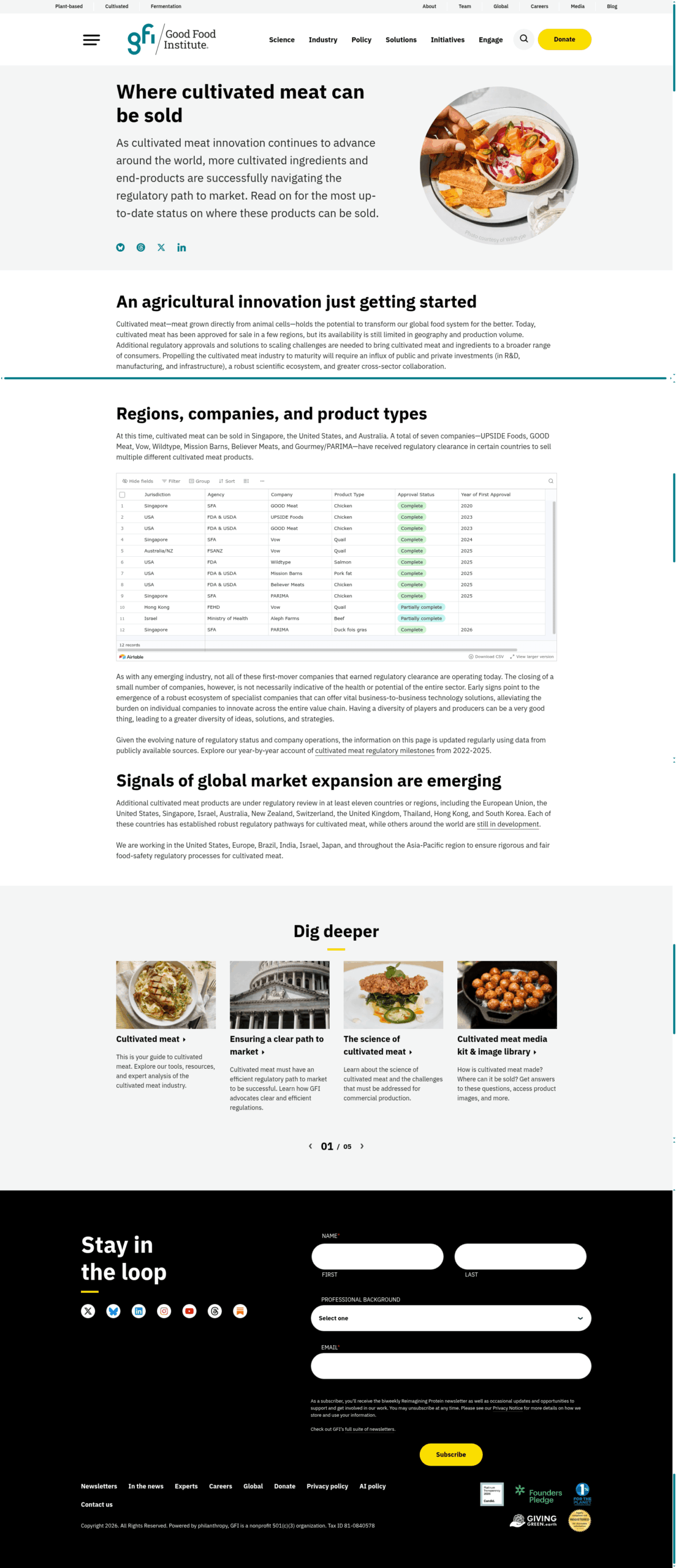
Where cultivated meat can be sold
An interactive tracker by The Good Food Institute mapping global regulatory approvals and market pathways for cultivated meat products.
Anti-harassment policy and the startup labor market
This paper studies the effects of state-level NDA-weakening laws on hiring in over 50,000 U.S. VC-backed startups from 2014–2022. Anti-harassment reforms reduce female hiring by approximately 8%, concentrated among junior women and small startups, while also triggering internal restructuring including more female promotions and male manager departures.
Financial Transparency Coalition
A pioneering global network of civil society organisations and governments working to curtail illicit financial flows through advocacy for a transparent, accountable, and sustainable financial system.
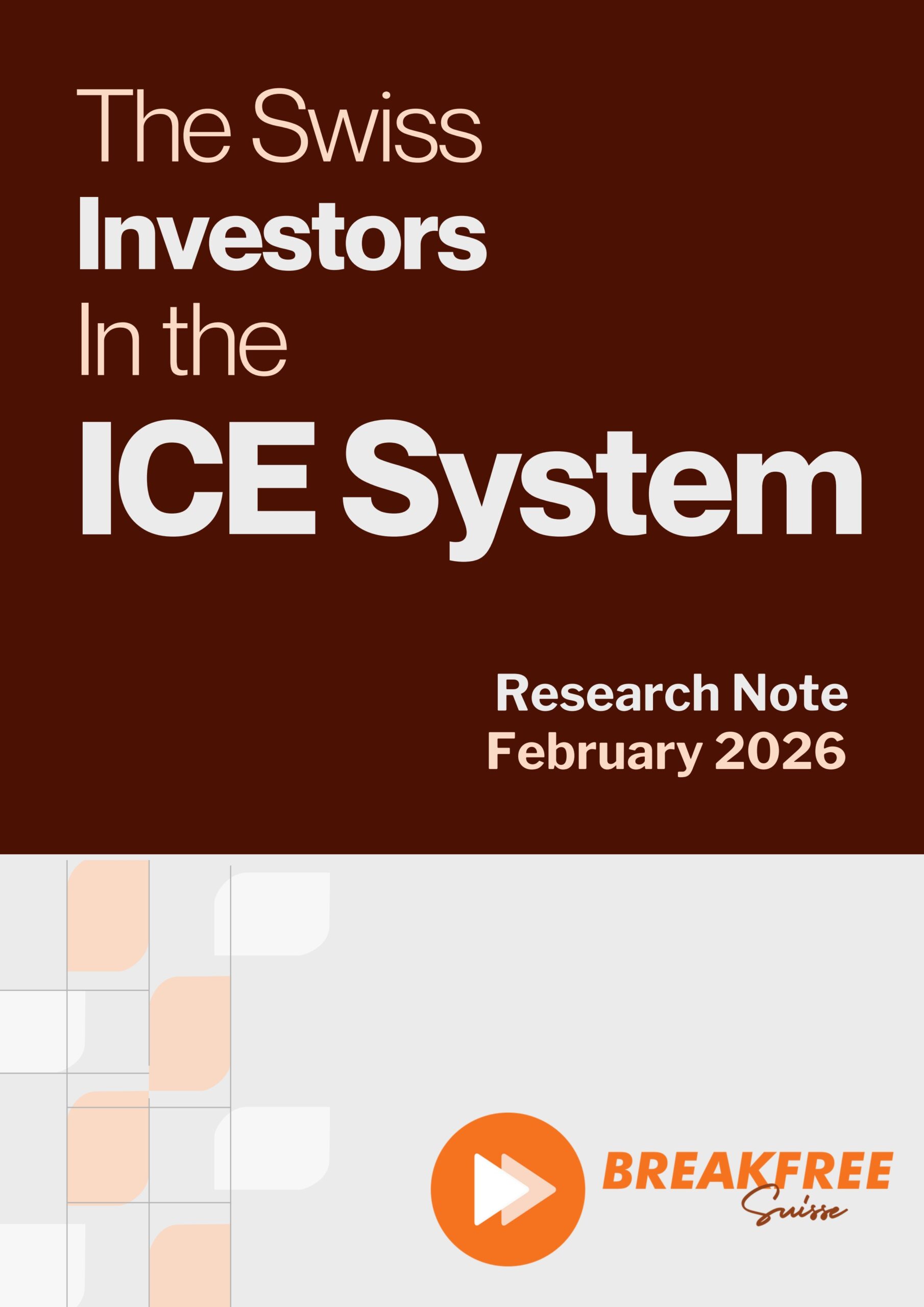
The Swiss investors in the ICE system
This BreakFree Suisse research note examines Swiss institutional investors — including UBS, SNB, Zurich Insurance, and others — holding billions of dollars in US ICE contractors Palantir, AT&T, Geo Group, and CoreCivic. The report argues these investments conflict with the investors' stated human rights policies and ESG commitments.
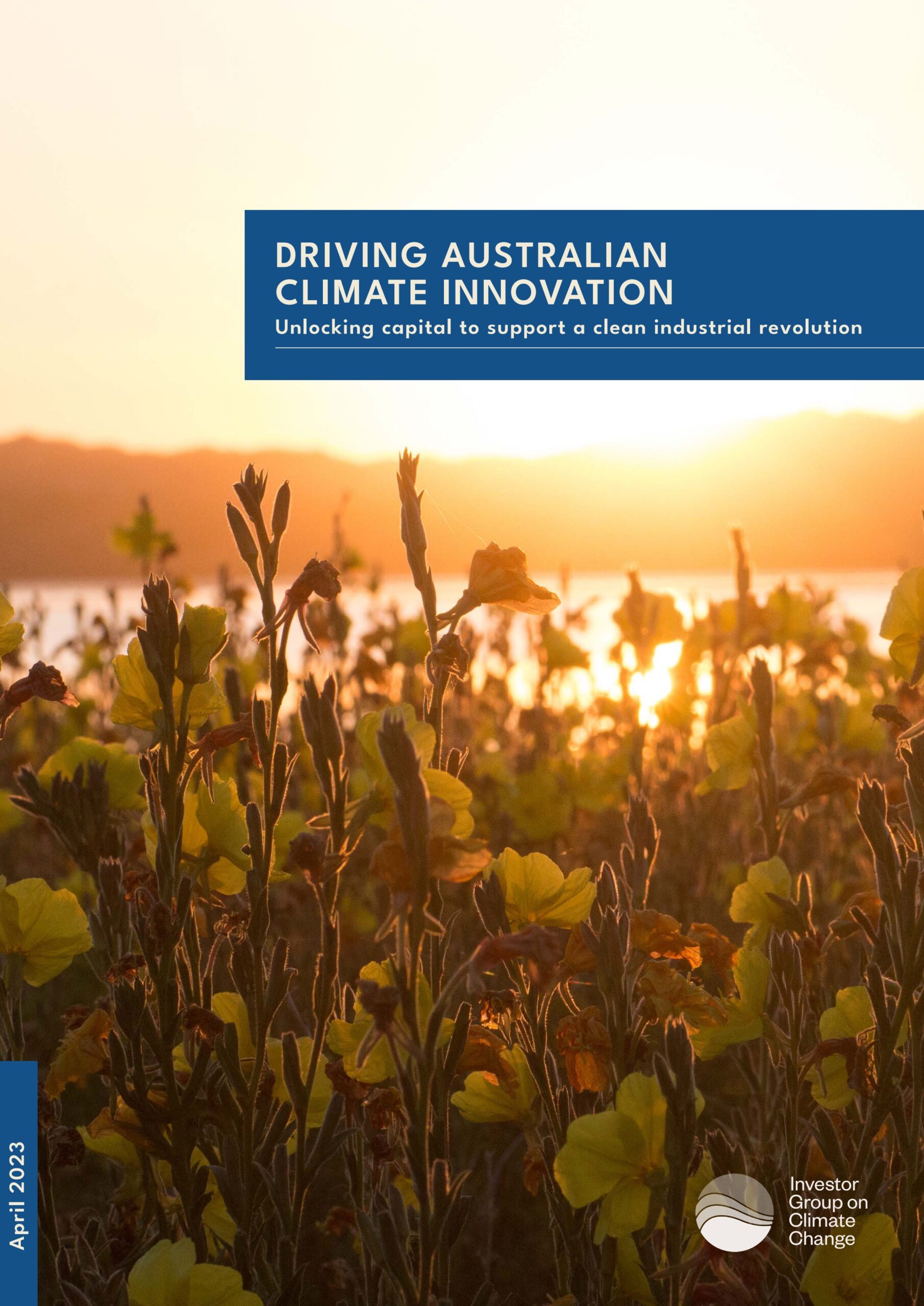
Driving Australian climate innovation: Unlocking capital to support a clean industrial revolution
Commissioned by IGCC and authored by Pollination, this report reviews climate innovation policy in California, Denmark, the Netherlands, South Korea and Germany to identify gaps in Australia's policy landscape and recommend measures to drive transition industry investment, including strengthening the Safeguard Mechanism and establishing a national industrial strategy.
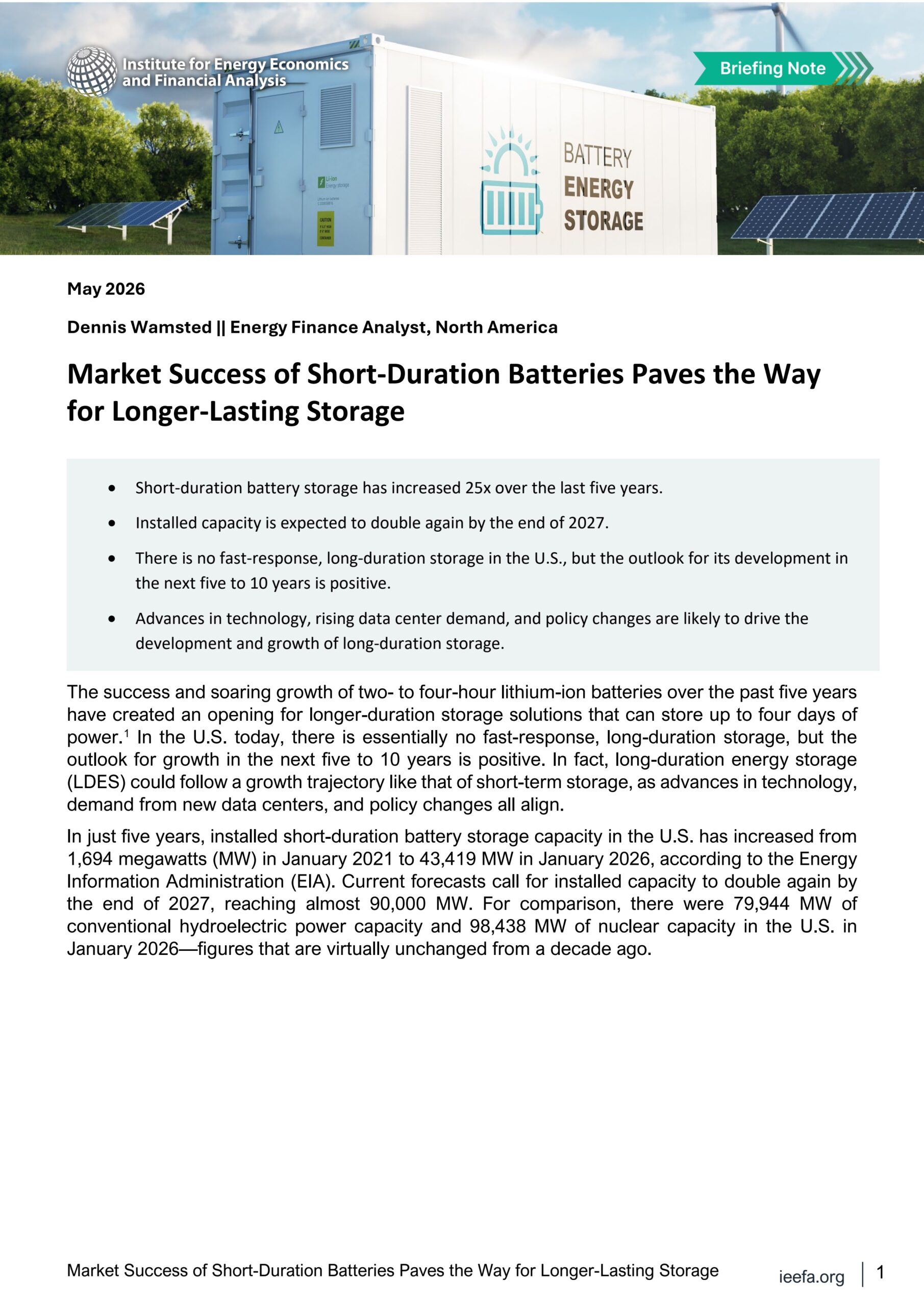
Market success of short-duration batteries paves the way for longer-lasting storage
Short-duration battery storage in the U.S. has grown 25x in five years, reaching 43,419 MW. This IEEFA report examines how that success is opening pathways for long-duration energy storage, driven by state mandates, data centre demand from AI companies, and advances in technologies including iron-air, liquid air, and carbon-oxygen systems.


