
Library | Location
United States
Refine
680 results
REFINE
SHOW: 16


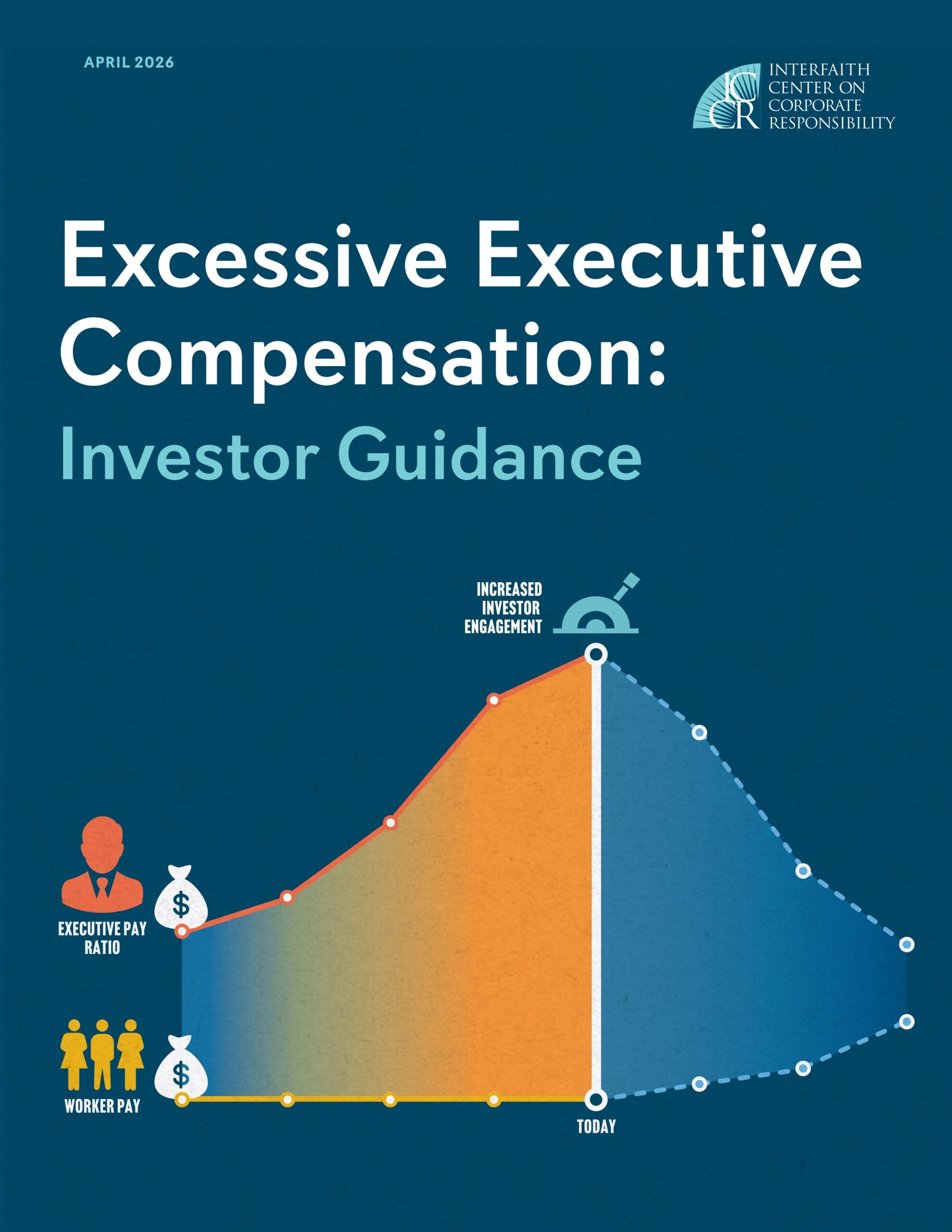
Excessive executive compensation: Investor guidance
Published by ICCR in April 2026, this report provides investor guidance on addressing excessive executive compensation. It outlines proxy voting guidelines, pay thresholds, and stewardship frameworks to help investors challenge the growing gap between CEO and worker pay, and promote greater accountability and long-term value creation.

Alliance for Innovative Regulation (AIR)
A US-based global nonprofit advancing the digital transformation of financial regulation to build a more resilient, fair, and inclusive financial system through technology, research, and collaboration.

MIT Center for Energy and Environmental Policy Research (CEEPR)
MIT research center promoting rigorous, objective energy and environmental policy research to improve decision making in government and the private sector.

Climate change and cruelty: Revealing the true impact of factory farming
This World Animal Protection report examines the climate and environmental impacts of factory farming in Brazil, China, the USA and the Netherlands. It models scenarios for reduced meat consumption and higher welfare production, finding that eating less and better could halve the climate impacts of chicken and pork by 2040.
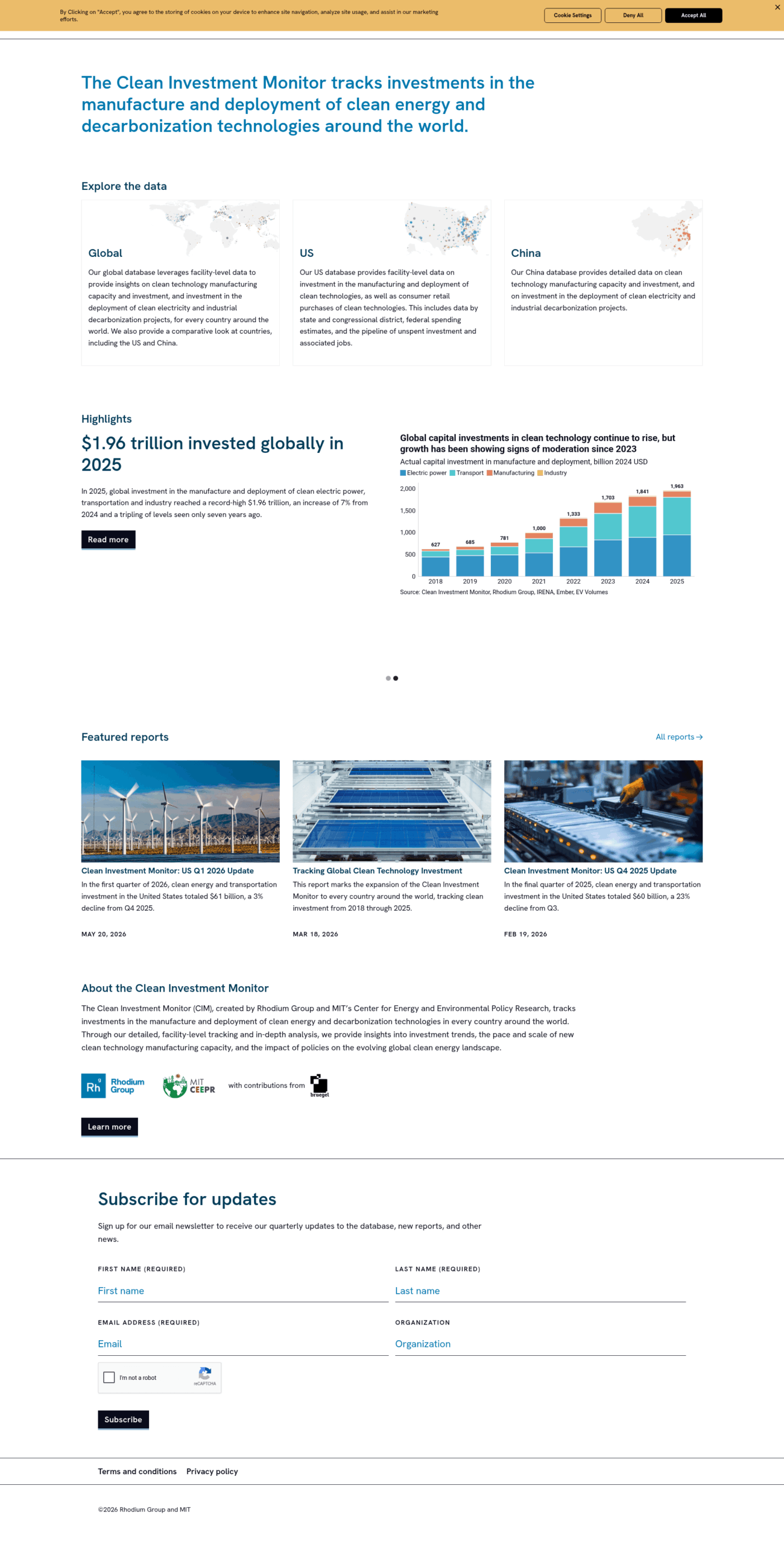
The Clean Investment Monitor
Tracks global investment in clean energy and decarbonisation technologies using facility-level data, covering the US, China, and all countries worldwide.
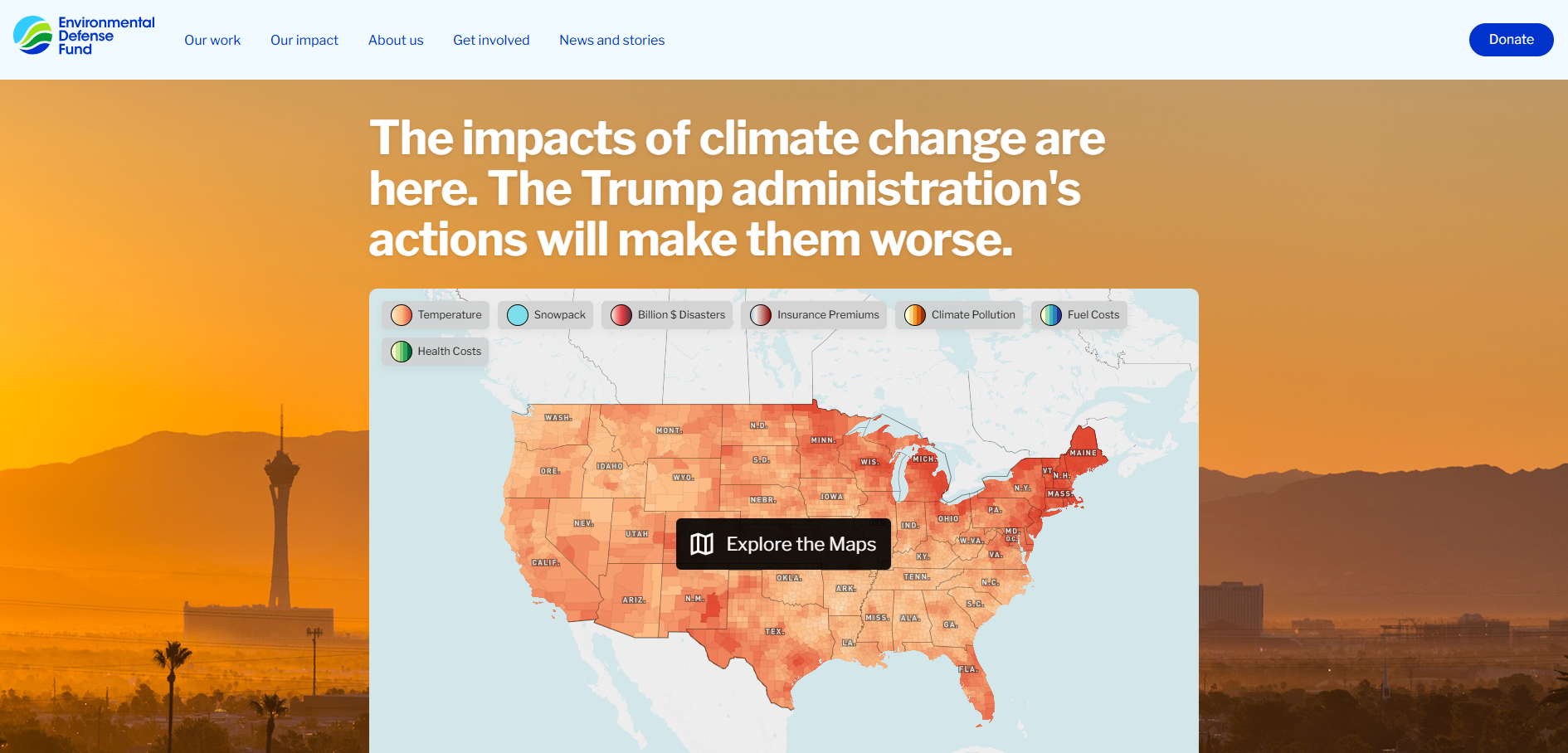
Trump climate endangerment stories
This interactive mapping tool from the Environmental Defense Fund (EDF) combines climate data and community stories to show how climate change is affecting temperatures, water resources, disaster losses, insurance costs and public health across the United States. It also illustrates the projected impacts of changes to federal climate pollution regulations.
Modeling ghost GDP: Macro-financial risk and diversified portfolios in the age of artificial intelligence, automation, and populism
This PDI working paper stress-tests four AI-driven labour displacement scenarios against US macro-financial data, modelling cascading losses across household debt, corporate credit, equities, pensions, insurance, and fiscal channels. Total economy-wide value at risk ranges from approximately $15–18 trillion (Light) to $62–72 trillion (Aggressive). Predistributive mechanisms are proposed as structural solutions.
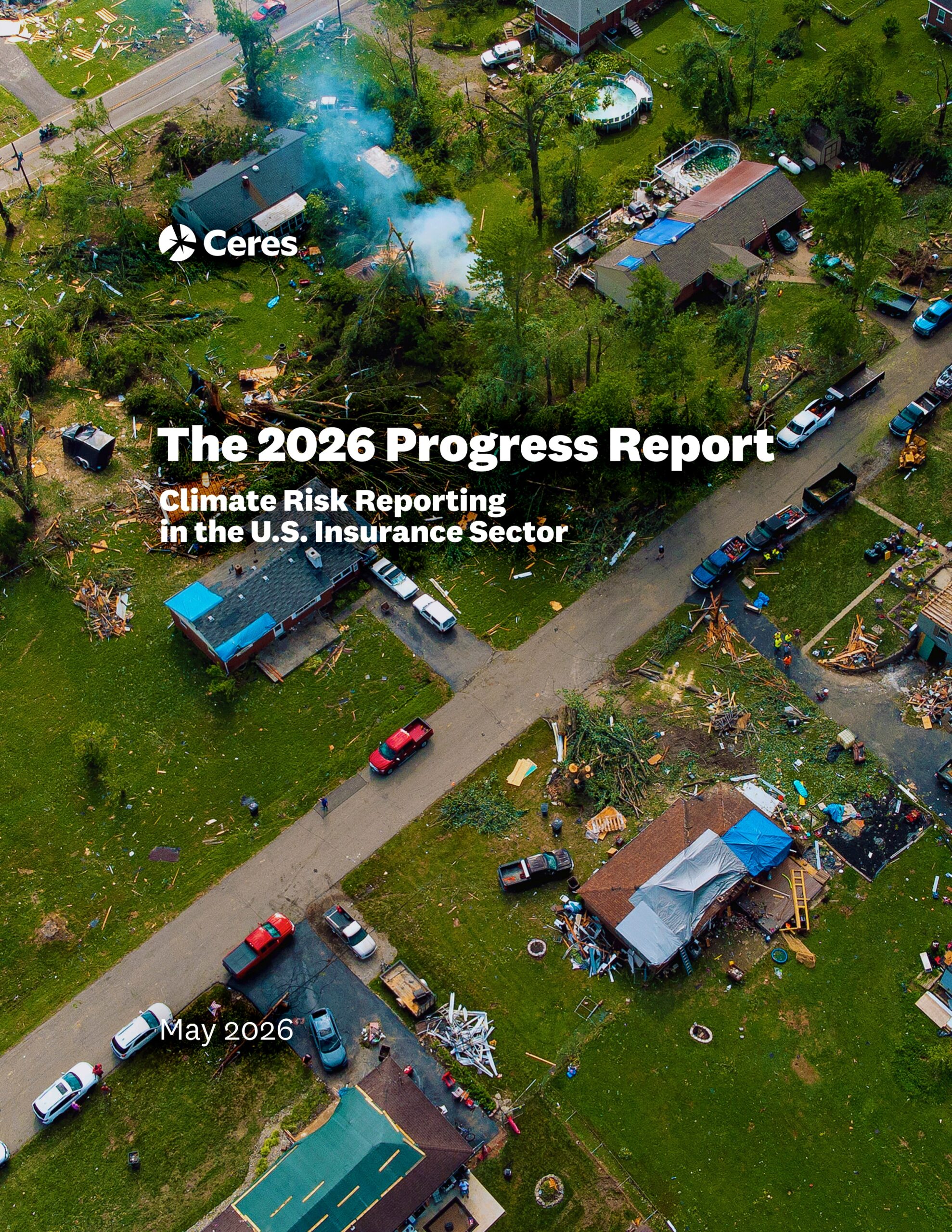
The progress report: Climate risk reporting in the U.S. insurance sector series
This benchmark series assesses the quality and comprehensiveness of climate risk reporting by U.S. insurance companies against the Task Force on Climate-related Financial Disclosures (TCFD) framework. It tracks industry-wide reporting practices, disclosure maturity, governance, strategy, risk management, and metrics over time to evaluate progress in climate-related financial risk disclosure.

Marsh
Marsh is a global insurance broker and risk advisory firm that helps organisations identify, assess and manage complex risks. Through insurance broking, risk management, cybersecurity, climate risk, analytics and consulting services, Marsh supports businesses across industries in making informed decisions, building resilience and navigating regulatory, operational and financial challenges worldwide.

The hidden benefit of ESG
This study examines 2,386 U.S.-listed firms from 2016 to 2021 and finds a causal link between higher ESG scores and fewer financial statement restatements in the post-2019 Business Roundtable Statement period. The findings position ESG as a rational risk management tool and challenge the premise underlying anti-ESG legislation.
Trust, financial literacy, and financial behaviors: Shaping retirement security
This NBER working paper examines how trust in financial institutions and government programmes, and financial literacy, shape retirement security for Americans aged 50+. Using 2020 Health and Retirement Study data, it finds trust in financial institutions supports retirement saving, while trust in government programmes reduces private saving, with notable racial disparities.
Sustainable finance and corporate law: Lessons from the US
This report analyses the trajectory of sustainable finance and corporate law in the US. It focuses on the SEC's proposed climate disclosure rule and California's state-level reporting mandates, examining the political and institutional challenges these initiatives face and the implications of a federalist approach for corporate compliance.
Socially-minded investors and corporate behavior
This report examines whether socially-minded investors influence corporate behaviour through voting, managerial incentives, or identity investing. It concludes that existing channels offer limited impact and evaluates potential legal reforms, such as binding shareholder votes and mandatory disclosures, to better align corporate actions with these investors' preferences.
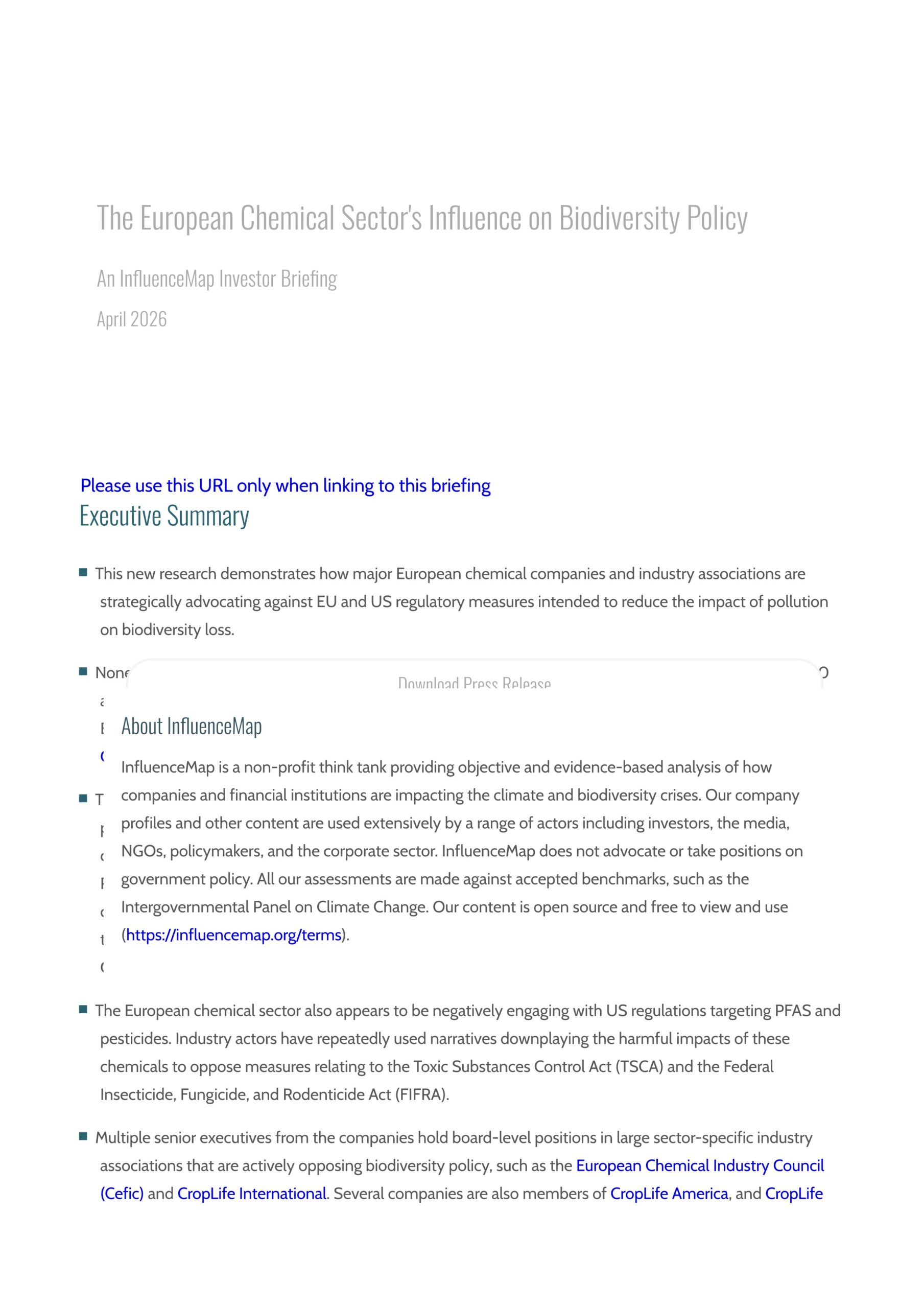
The European chemical sector's influence on biodiversity policy
This report analyses how major European chemical companies and industry associations influence biodiversity policy in the EU and US. It reveals that no assessed company aligns fully with science-based biodiversity goals, highlighting oppositional lobbying against critical regulations concerning pesticides, PFAS, and harmful chemicals.

Royal London Asset Management
Royal London Asset Management (RLAM) is a UK-based asset manager providing investment solutions across equities, fixed income, multi-asset, property and cash. It integrates environmental, social and governance (ESG) factors into investment decision-making and stewardship activities, offering responsible investment expertise, sustainable investing strategies, market insights and portfolio management services for institutional and intermediary clients worldwide.
Optional shareholder voting
This paper examines optional shareholder voting by institutional managers (IMs) using newly available SEC data on say-on-pay votes. Only 44% of IMs vote, yet their aggregate voting footprint is twice that of mutual funds. IMs use voting as a monitoring tool, with larger positions associated with greater opposition to management.


