
Library | Resource Types
Benchmark/series
Benchmarks in sustainable finance are standardized metrics or indices that evaluate and compare the sustainability performance of companies, investments, or sectors, guiding decision-making and measuring progress against goals.
Series are collections of reports released periodically, often annually, tracking trends and developments in sustainable finance or ESG issues, providing updated insights and analysis over time.
Refine
142 results
REFINE
SHOW: 16


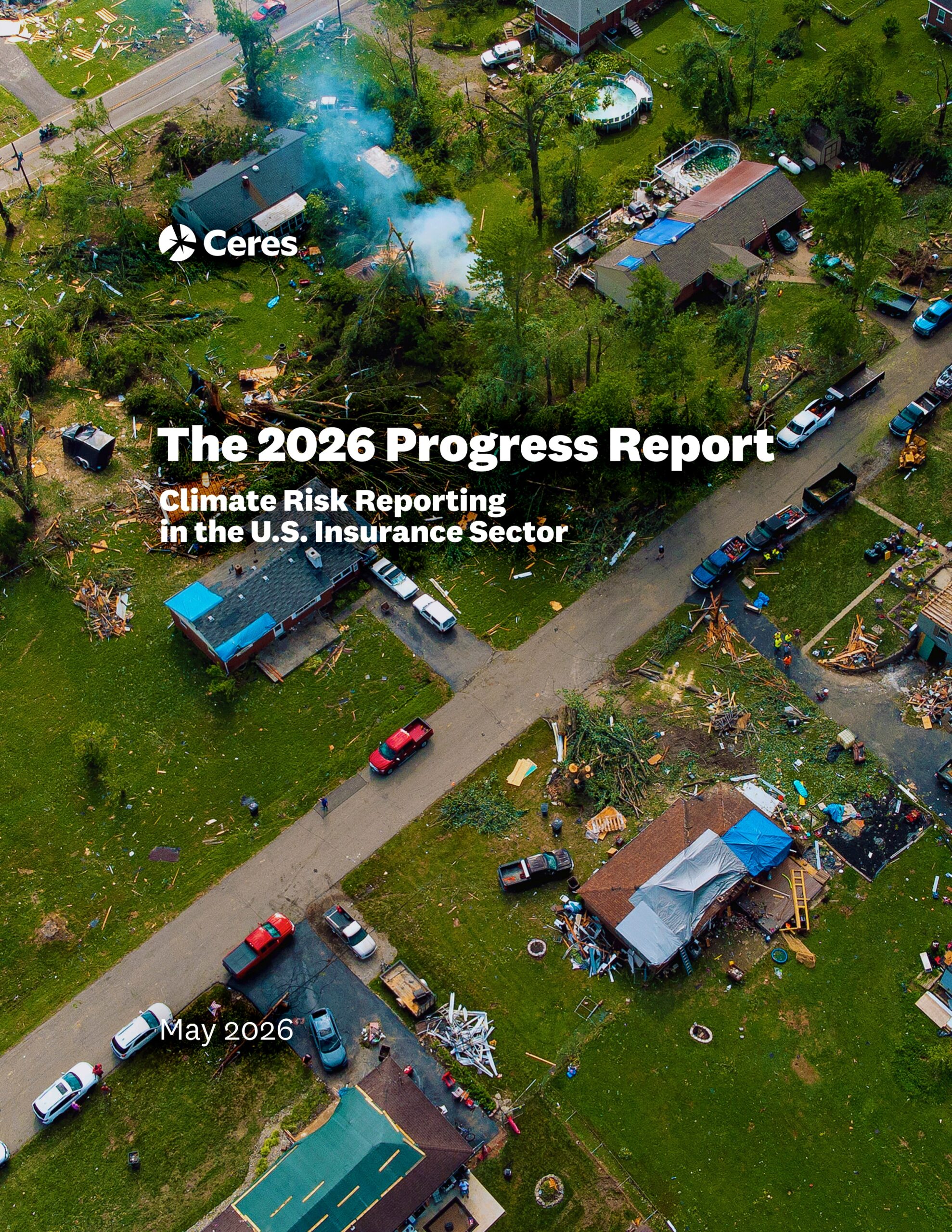
The progress report: Climate risk reporting in the U.S. insurance sector series
This benchmark series assesses the quality and comprehensiveness of climate risk reporting by U.S. insurance companies against the Task Force on Climate-related Financial Disclosures (TCFD) framework. It tracks industry-wide reporting practices, disclosure maturity, governance, strategy, risk management, and metrics over time to evaluate progress in climate-related financial risk disclosure.
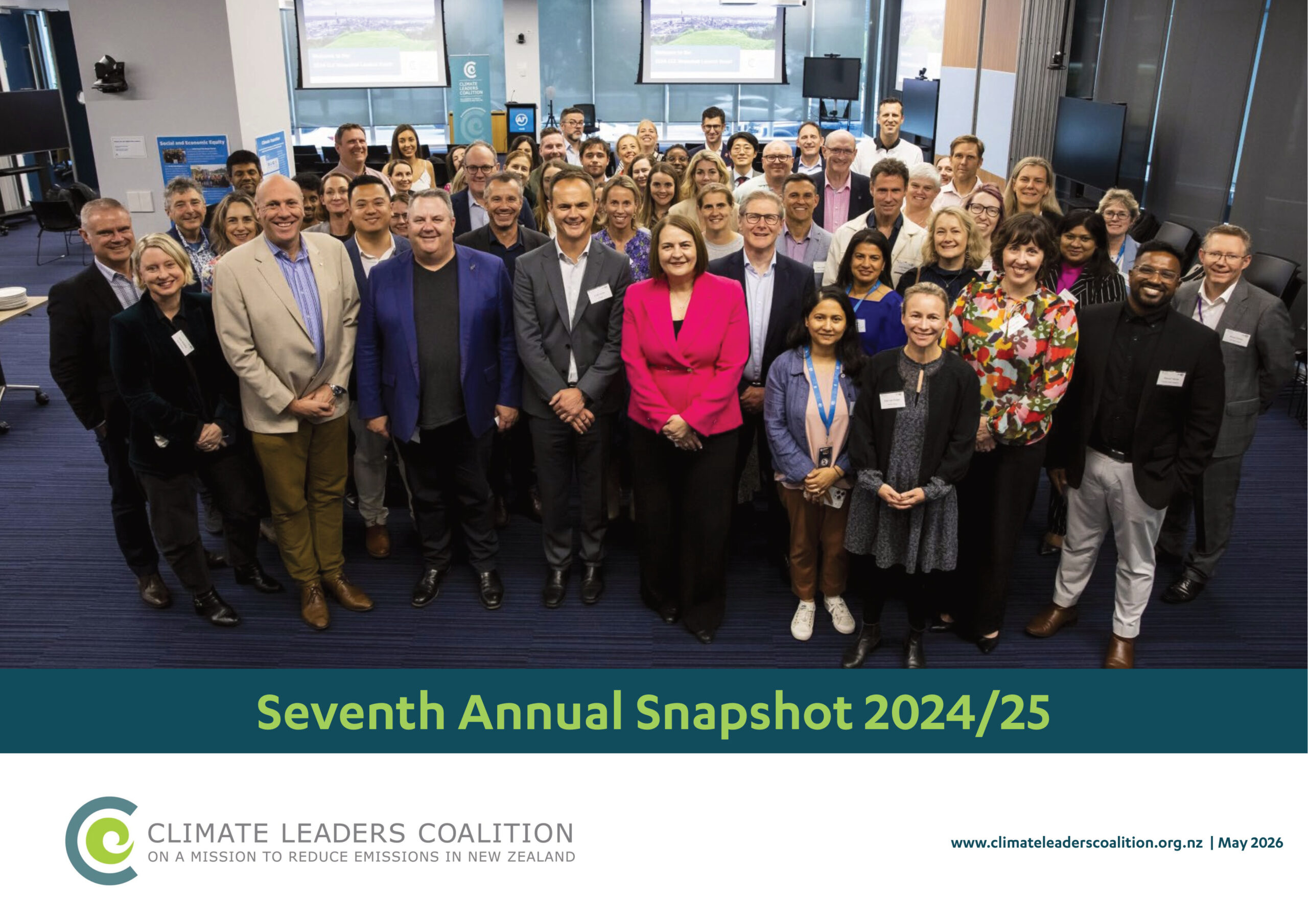
Annual snapshot series
This benchmark series provides annual snapshots of the Climate Leaders Coalition, tracking how New Zealand businesses are progressing on climate action. It outlines signatories’ commitments, emissions management, climate risk and resilience efforts, collaboration initiatives, and leadership activities supporting the transition to a low-emissions economy.

State of the Industry: Cultivated meat, seafood, and ingredients series
This benchmark series is an annual State of the Industry series that provides a global overview of the cultivated meat, seafood and ingredients sector. It tracks commercial developments, investment activity, scientific and technological progress, consumer insights, and government and regulatory developments, assessing the sector’s progress towards large-scale commercialisation and adoption.
Boom and bust coal series
The Boom and Bust series is an annual research series that tracks the global coal plant pipeline using data from the Global Coal Plant Tracker. It examines trends in coal power development, construction, commissioning, retirements and policy developments across countries and regions, providing an overview of changes in the global coal sector.
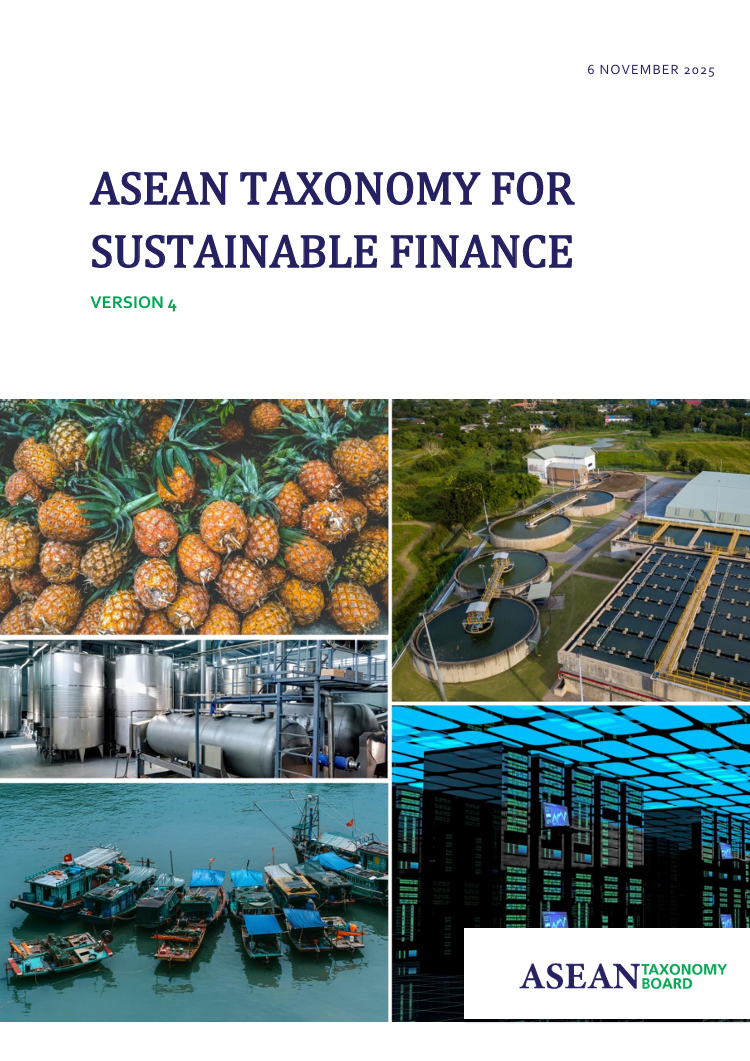
ASEAN taxonomy for sustainable finance series
The ASEAN Taxonomy for Sustainable Finance is a benchmark series that provides a common framework to classify sustainable economic activities across ASEAN. It guides financial institutions, policymakers and market participants in assessing environmental objectives, supporting an orderly transition and alignment with regional and international sustainable finance standards.
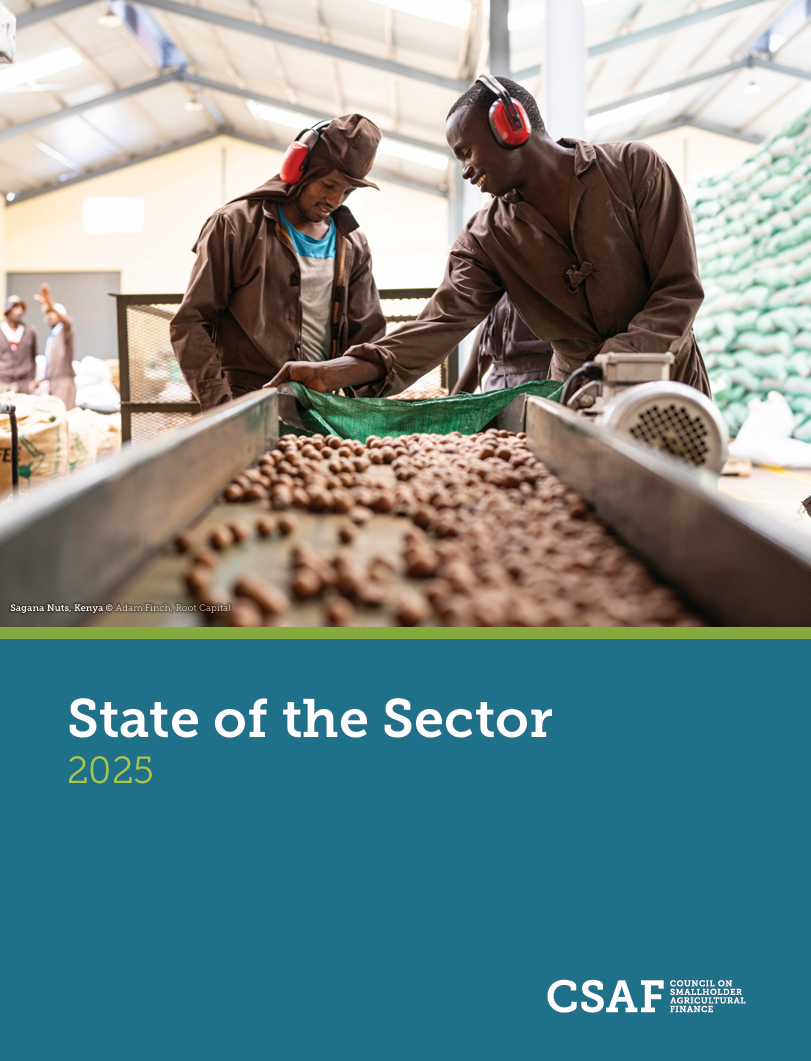
State of the sector series
The State of the Sector is a series that provides annual analysis of the agricultural SME finance market, focusing on lending activity, market dynamics, and risk factors. It examines how financial institutions support small and medium-sized enterprises in agriculture and the broader ecosystem for sustainable and inclusive finance.
Forever wild series
This series outlines the Forever Wild Initiative’s approach to financing and managing large-scale wilderness landscapes through blended capital models, community co-design, and nature-based enterprises. It documents the development of equitable nature finance structures that integrate conservation, economic activity, and social outcomes across landscapes.
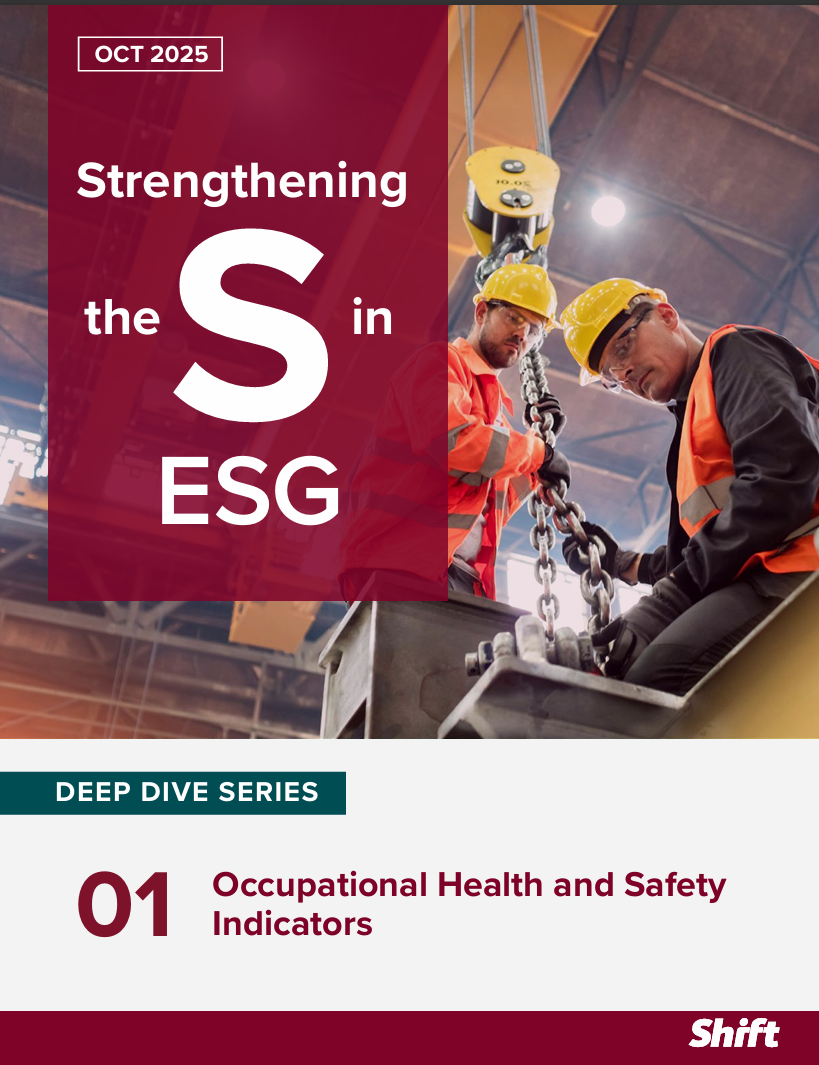
Strengthening the S in ESG series
Strengthening the S in ESG is a research series examining the design and use of social indicators and metrics within ESG frameworks. It provides guidance and analysis to improve how companies’ impacts on people are measured, supporting more decision-useful insights for investors and better alignment with real business practices.
Energy technology perspectives series
The Energy Technology Perspectives is a series by the IEA that provides analysis of global energy systems, focusing on the development, deployment and innovation of clean energy technologies and their role in achieving sustainable, secure and low-emissions energy transitions across sectors and regions.
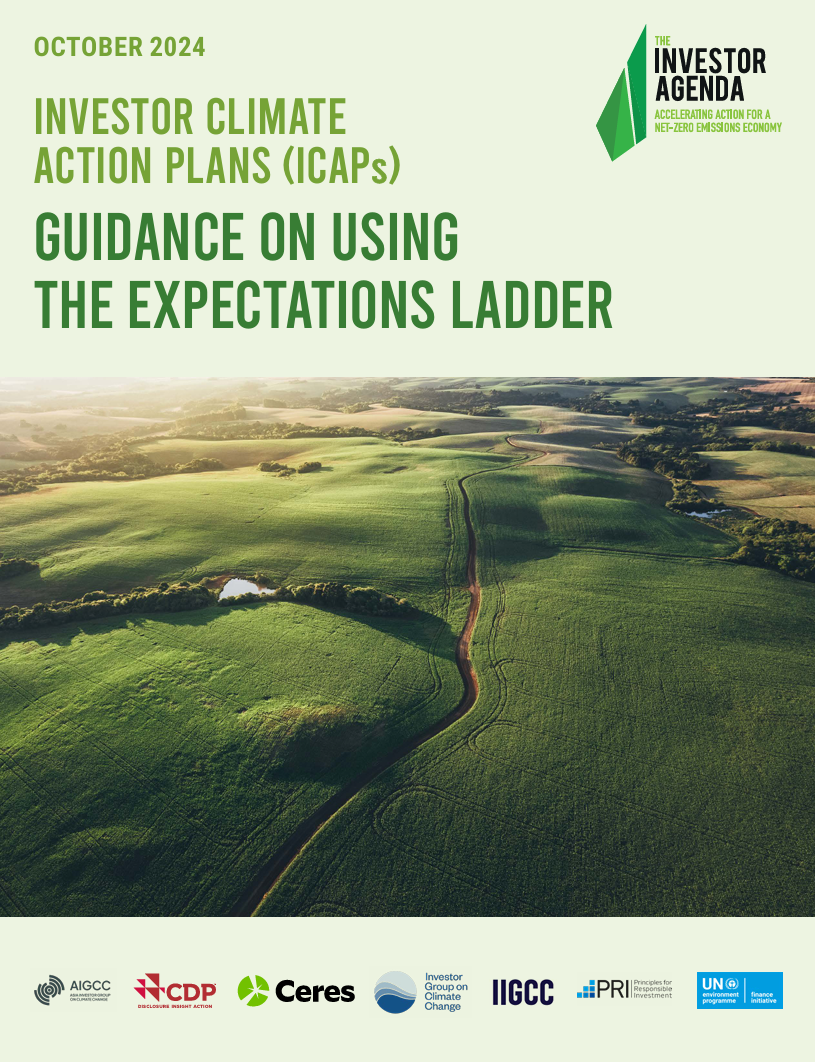
Investor climate action plans series
This series provides guidance for investors on developing and assessing climate action plans using the ICAPs Expectations Ladder. It outlines approaches across investment, corporate engagement, policy advocacy, disclosure and governance to support alignment with net zero pathways and improve management of climate-related risks and opportunities.
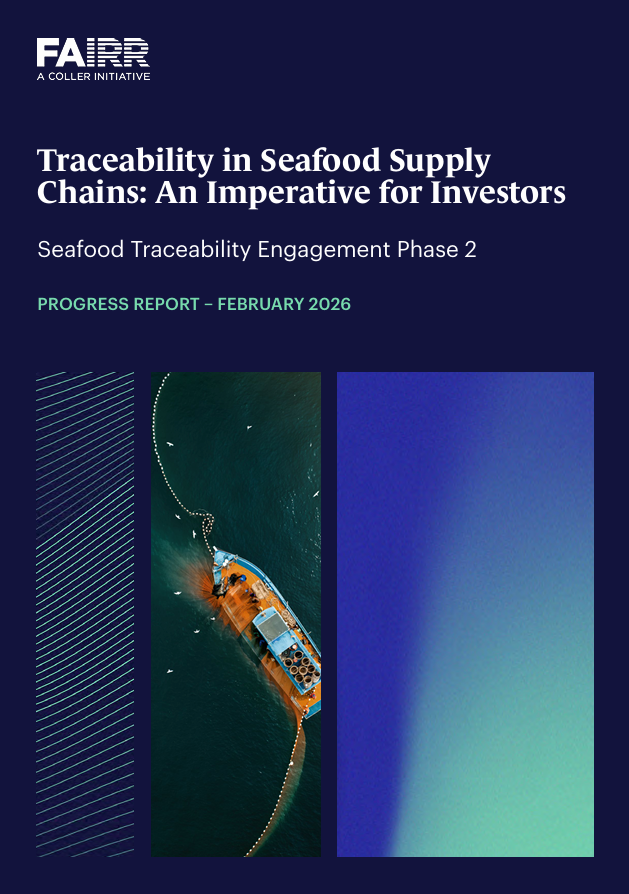
Seafood traceability engagement series
This series examines how investor engagement can drive improved traceability in global seafood supply chains. It focuses on assessing company progress, encouraging adoption of traceability systems, and supporting investors in identifying and managing environmental and social risks within complex seafood value chains.
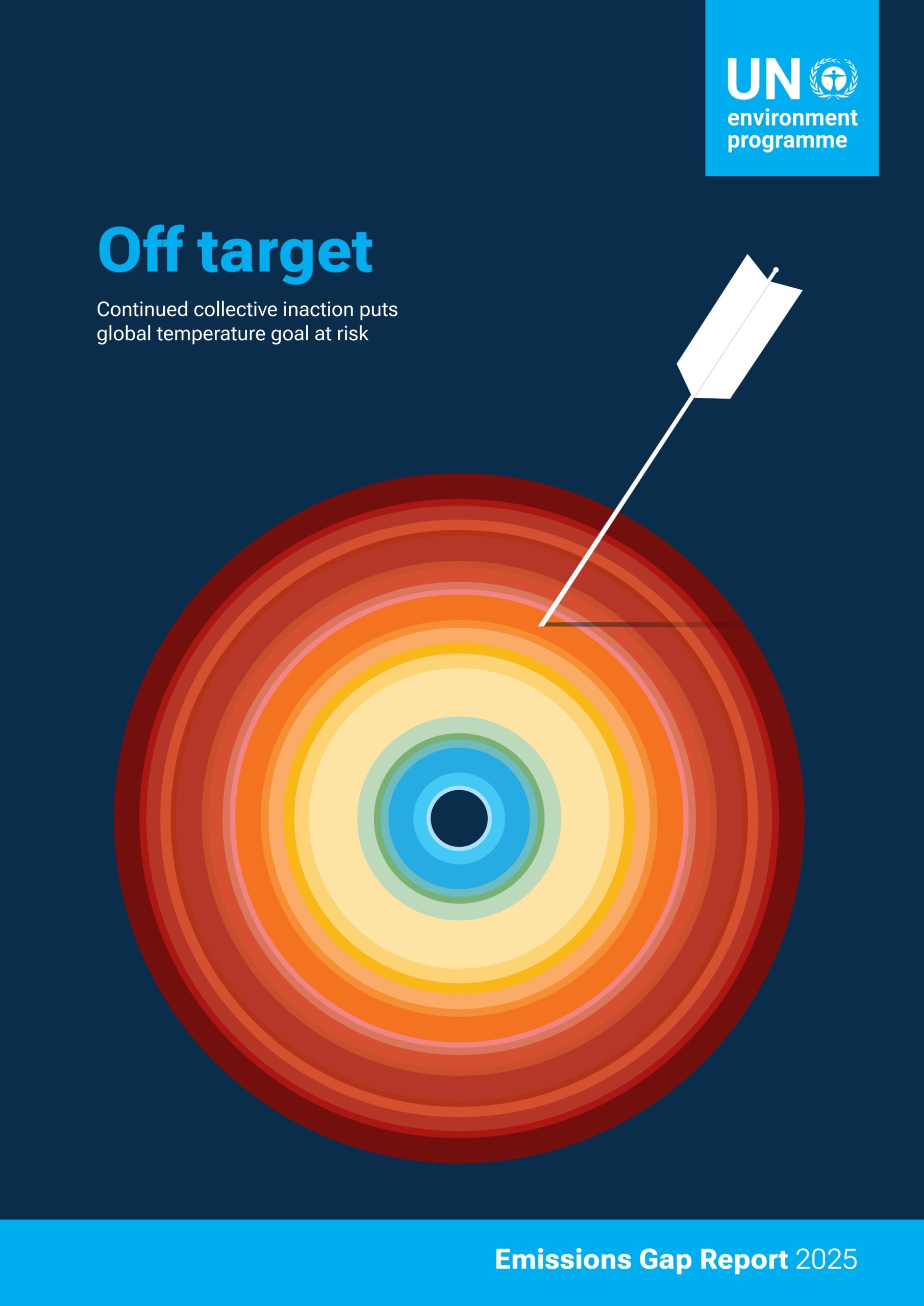
Emissions gap report series
UNEP's annual assessment of the gap between countries' climate pledges and emission reductions needed to meet the Paris Agreement's temperature goals, with 2025 focus on new NDCs and 2035 targets.

Mental state of the world report series
This benchmark series examines global trends in mind health using data from the Global Mind Project. It assesses people’s capacity to navigate life’s challenges and function productively using the Mind Health Quotient (MHQ), analysing generational, geographic, and societal factors influencing mental wellbeing across the internet-enabled global population.
Global pension transparency benchmark
The Global Pension Transparency Benchmark is a benchmark series initiated in 2021 that assesses how clearly major pension funds disclose information on value-generation for stakeholders. It evaluates public disclosures across four equally weighted factors — governance and organisation, performance, costs and responsible investing — using a structured scoring methodology. The purpose is to promote better transparency and accountability in pension reporting. Finance professionals can use the benchmark to compare disclosure practices, inform improvements in fund reporting and align with evolving global standards.
Systems-informed stewardship: Reimagining investment stewardship for a sustainable future series
This series sets out a systems-informed framework for reimagining investment stewardship. It examines stewardship as an interconnected system shaped by policies, practices, resource flows, relationships, power dynamics and mental models, and proposes practical shifts to embed responsibility, design for complexity, and manage for long-term sustainability outcomes.
Global trends in climate change litigation series
This series reviews global developments in climate change litigation, tracking case numbers, jurisdictions, claimant and defendant trends, and evolving legal strategies. Drawing on international litigation databases, it analyses patterns in claims against governments and corporations, highlighting emerging themes in climate governance, accountability and legal risk.


