
Library | Resource Types
Research
We summarise credible research and reports on sustainable finance and ESG issues. Our summaries, along with our AI ChatBot saves members time reading large reports, to focus on knowledge building and action.
Refine
1831 results
REFINE
SHOW: 16


Developing regional climate resilience investment plans and project pipelines: Implementation guidance to support regions through the Adaptation Investment Cycle
This guidance outlines the six-phase Adaptation Investment Cycle for European regions to develop Climate Resilience Investment Plans. It details how to address financing barriers, conduct economic appraisals, and structure bankable project pipelines, aiming to bridge the adaptation funding gap through strategic public and private sector engagement.
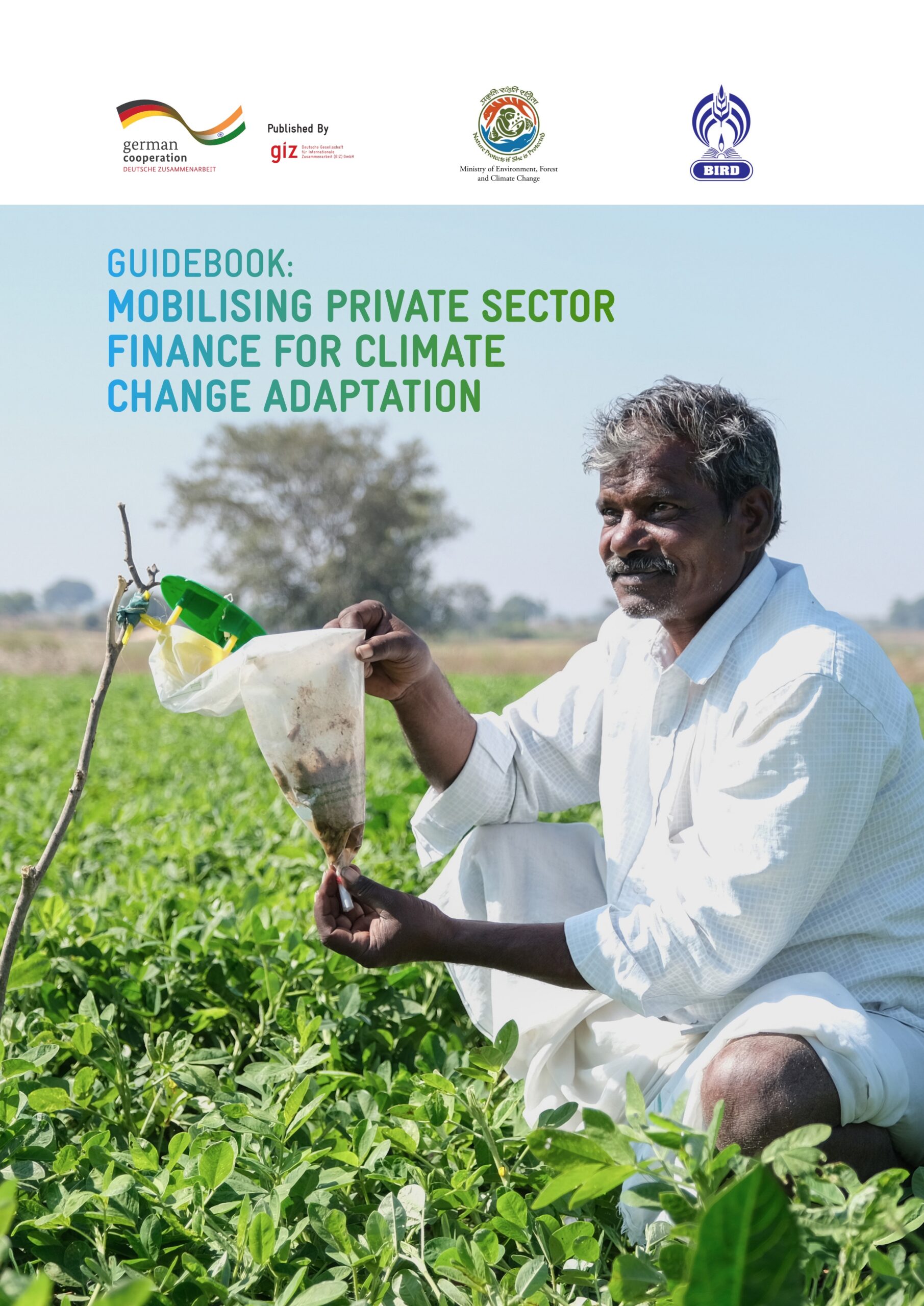
Guidebook: Mobilising private sector finance for climate change adaptation
This guidebook provides a structured framework for designing and financing climate change adaptation projects in India. It addresses barriers to private sector participation, offers methodologies for risk and impact assessment, and explores diverse funding mechanisms, including blended finance, green bonds, and catastrophe insurance, to bridge the significant adaptation funding gap.
Powering up: Business perspectives on electrification
A global survey of 1,994 business leaders across 18 markets reveals overwhelming support for clean electrification. While 90% expect largely electric operations by 2035 to improve energy security and competitiveness, 72% believe government policy is moving too slowly, citing grid constraints and high upfront costs as significant barriers.
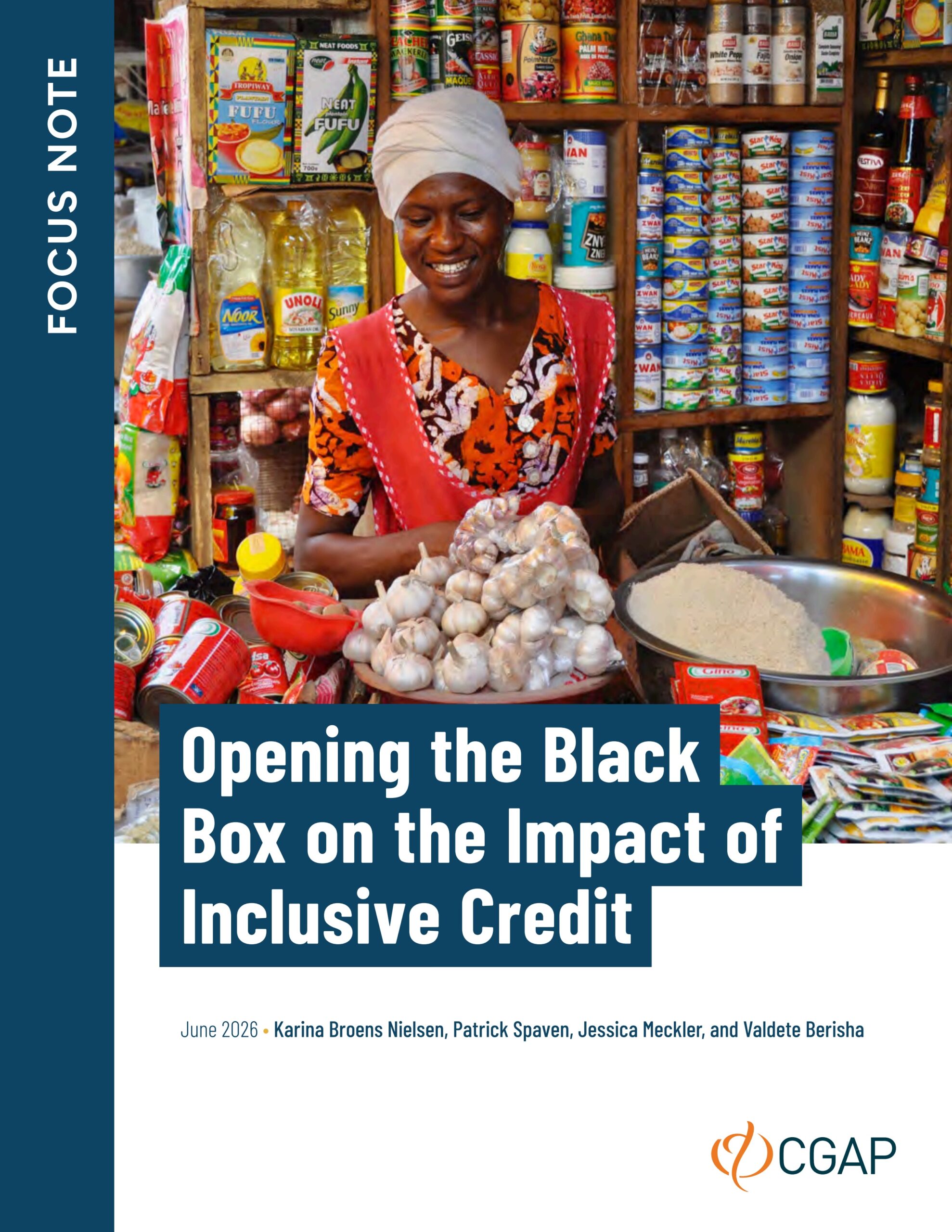
Opening the black box on the impact of inclusive credit
This report examines inclusive credit's impact using a five-factor framework: who, how, what for, where, and when. Drawing on 405 studies and machine learning analysis, it advocates for "precision credit"—matching product design to borrower circumstances—to move beyond average effects and ensure meaningful developmental outcomes in emerging markets.
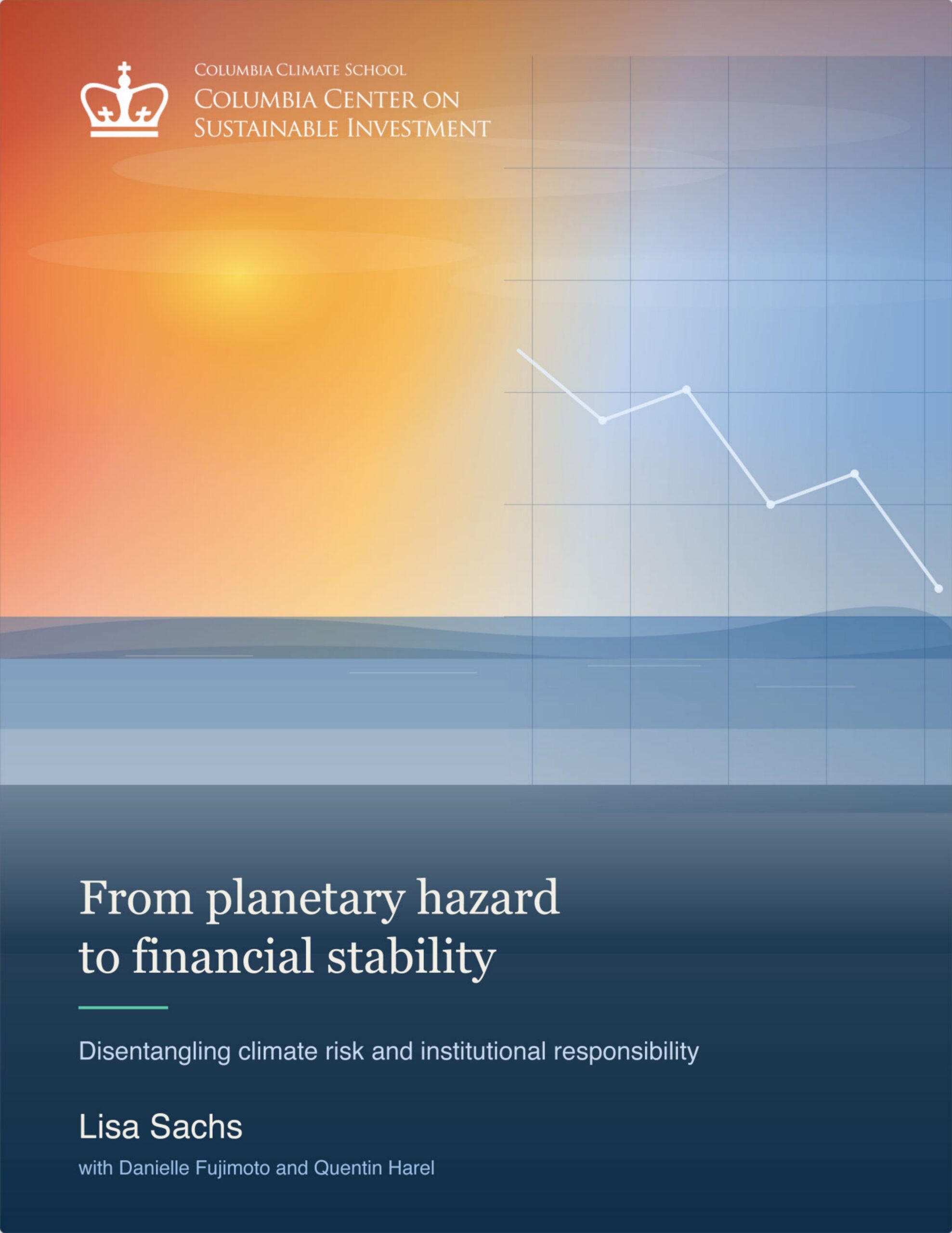
From planetary hazard to financial stability: Disentangling climate risk and institutional responsibility
This report identifies the misalignment between institutional mandates and climate risk expectations. It distinguishes between planetary, economic and financial risks, outlining six distinct responses. The authors argue that current frameworks distract from real-economy decarbonisation and shift climate costs onto public balance sheets, requiring clearer policy distinctions and instruments.
Sovereign risk ceilings: Rethinking methodology through risk disaggregation
This report critiques sovereign ceiling practices in credit ratings for emerging market infrastructure. It proposes a disaggregated framework to assess eight specific transmission channels and mitigants, arguing that empirical data shows high survival rates for well-structured projects during sovereign crises, contrary to current blanket rating caps.
Government announced increases in carbon pricing and their implications for corporate valuations
This report explores global corporate environmental costs, finding that unpriced carbon emissions represent a material risk to valuations. Analysing approximately 20,000 companies, it illustrates how projected carbon price increases in jurisdictions like Norway and Canada could significantly erode enterprise values, especially within the aviation and maritime sectors.
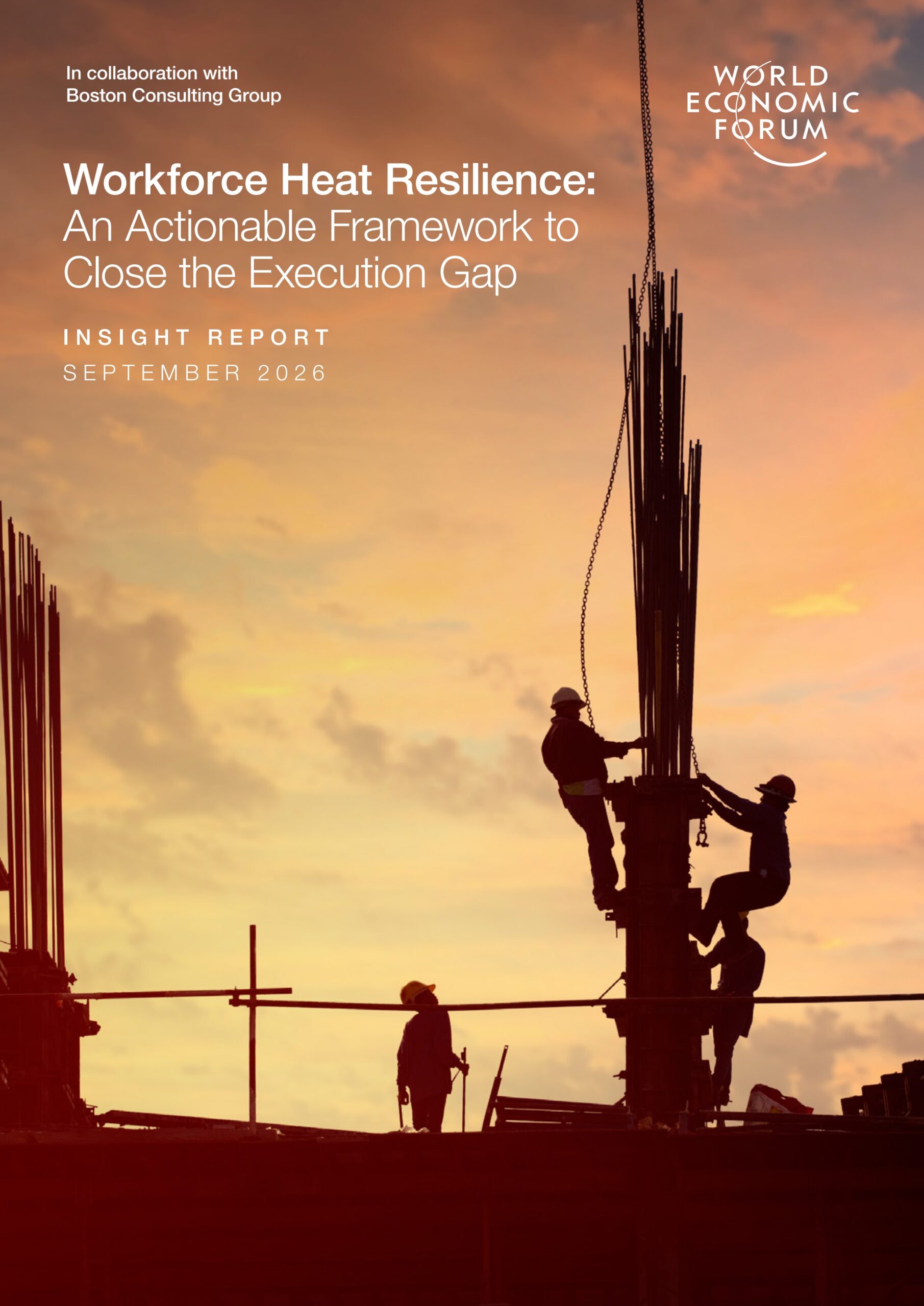
Workforce heat resilience: An actionable framework to close the execution gap
This report provides a framework for businesses to address workforce heat risks. It details a seven-step roadmap to assess climate impacts, design tailored interventions, and scale resilience. With heat-driven productivity losses projected to reach $2.4 trillion by 2030, the document highlights the strategic necessity of protecting workers.
The age of interconnected risks: How interdependencies are shaping the next generation of systemic crises
This report examines rising systemic vulnerabilities driven by interconnected financial, digital, natural, and socio-economic risks. It highlights the gap between market pricing and actual risk, noting how AI, climate change, and geopolitical fragmentation amplify potential crises. It proposes collaborative monitoring and expanded risk-transfer capacity to strengthen global resilience.
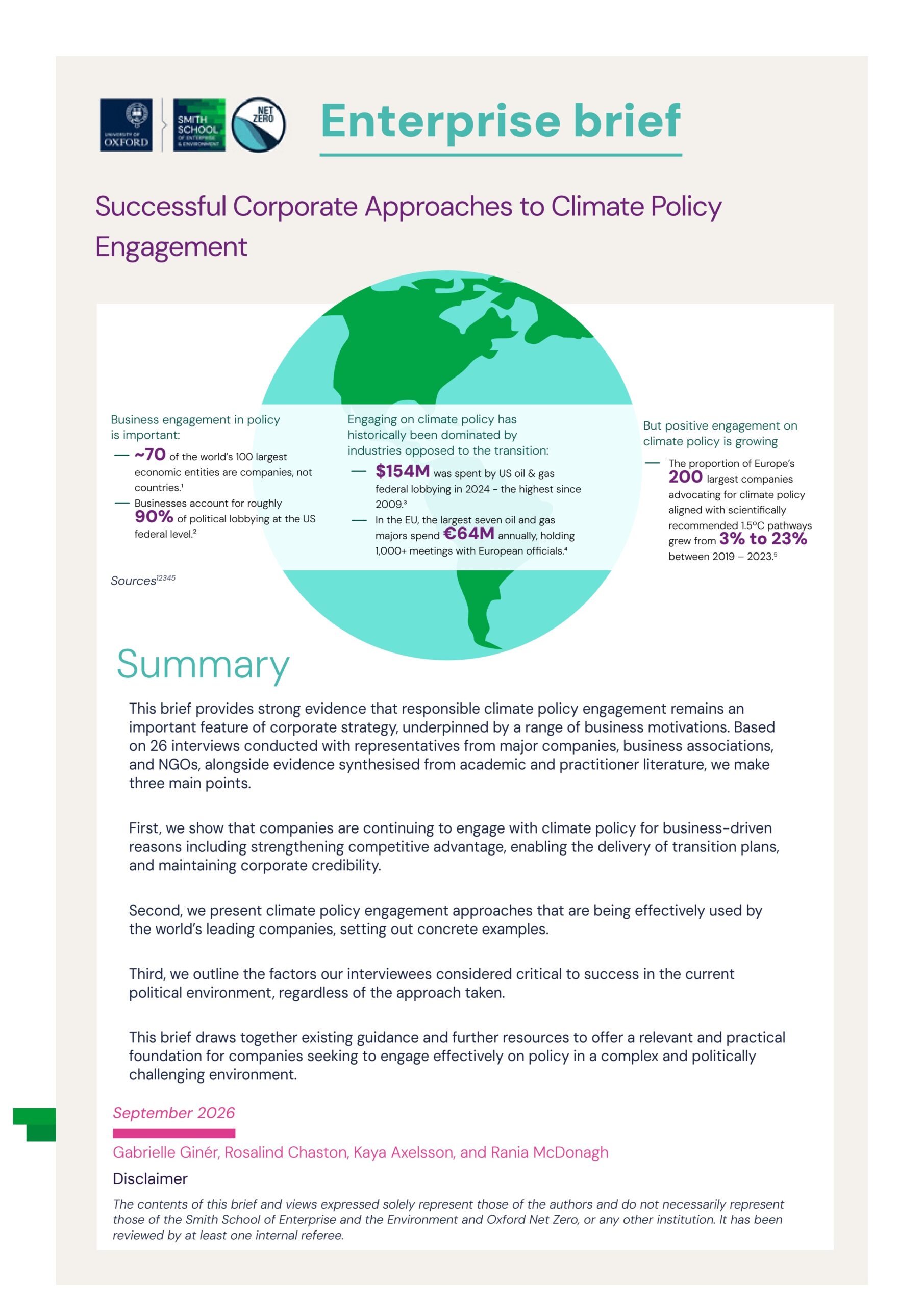
Successful corporate approaches to climate policy engagement
This research examines how leading companies maintain climate policy engagement despite geopolitical challenges. It identifies three core approaches—direct engagement, trade association influence, and coalition forming—driven by business motivations such as competitive advantage and transition plan delivery. Success depends on timing, transparency, and alignment with corporate decarbonisation goals.
Governing climate credibility: Reviewing the governance of climate and sustainability standards
An independent review of governance across five leading climate standard-setters: GHGP, GRI, ISO, ISSB, and SBTi. The report evaluates structures, finance, and independence, identifying strengths and transparency gaps. It offers recommendations to enhance accountability, resource governance effectively, and ensure long-term credibility for net zero objectives.
Sowing the seeds of change through private sector partnerships: Lessons from two seasons of pilots and system-building
This ILO report evaluates the BOUZOUR project's efforts to strengthen Lebanon’s cherry sector through private sector partnerships. By establishing a national phytosanitary framework and improving exporter-farmer linkages, the initiative increased farmer incomes by USD 688,564 in 2025, enhanced worker conditions, and expanded access to high-value international markets.
Public finance in the digital era: Emerging themes 2026
This report explores emerging themes in digital-era public financial management (PFM) for 2026. It examines the integration of artificial intelligence, digital public infrastructure, and earth observation to improve fiscal oversight, tax administration, and public welfare, while highlighting risks from declining international aid and proprietary software lock-in.
Delivering the digital economy: African migrant workers in the United Arab Emirates e-commerce and delivery sectors
This report examines the exploitation of African migrant workers within the United Arab Emirates' e-commerce and delivery sectors. It details systemic abuses including recruitment debt, deceptive contracts, and excessive working hours, highlighting how subcontracting models fragment accountability. The findings advocate for stronger international labour standards to protect vulnerable platform workers.
Beyond energy infrastructure: A flexibility-first approach cuts costs and boosts security
This report argues that power system flexibility is core infrastructure essential for energy security and affordability. It demonstrates how quantifying flexibility can reduce costs, citing potential annual savings of £9.6–£16.7 billion in Great Britain by 2050. Policymakers are encouraged to prioritise flexibility-first design over traditional infrastructure-heavy build-out.
Stewarding a just transition: Frontiers of practice in listed equities
This report analyses just transition practices among 25 investment managers in listed equities. While policy recognition is high, active engagement remains a low priority concentrated in energy and mining. The research identifies barriers such as geopolitical headwinds and provides recommendations for investors, governments, and regulators to mainstream practice.


