
Library | ESG issues
Community Engagement & Relations
Community engagement and relations is a strategic process that fosters meaningful collaboration between organisations and community members to achieve long-term, sustainable outcomes. It involves various engagement methods, such as co-design, focus groups, and surveys, to understand community perspectives and build inclusive solutions. Key areas include economic development, employment opportunities, strengthening relations with Indigenous and rural communities, and poverty alleviation. Effective engagement enhances social license, corporate reputation, and long-term value creation, shaping investment strategies and risk management.
Refine
153 results
REFINE
SHOW: 16


Achieving a nature- and people-positive future
This paper focuses on the discourse surrounding global conservation. It highlights the importance of recognising different responsibilities among actors and countries and calls for human-centred actions to ensure a safe and just future for all. It offers insights on introducing transformational elements to existing campaigns through the Earth System Justice Approach.

Jubilee Australia
Jubilee Australia Research Centre engages in research and advocacy to promote economic justice for communities in the Asia-Pacific region and accountability for Australian corporations and government agencies operating there.

How can businesses thrive in a sustainable economy?
How can businesses thrive while still respecting planetary boundaries and meeting the essential needs of all people? This report provides a framework for businesses to transition to sustainable models by addressing unsustainable characteristics and adopting regenerative and distributive practices. The report highlights examples of businesses implementing these strategies and provides a Sustainable Business Model Canvas for businesses and investors to assess alignment with a sustainable economy.
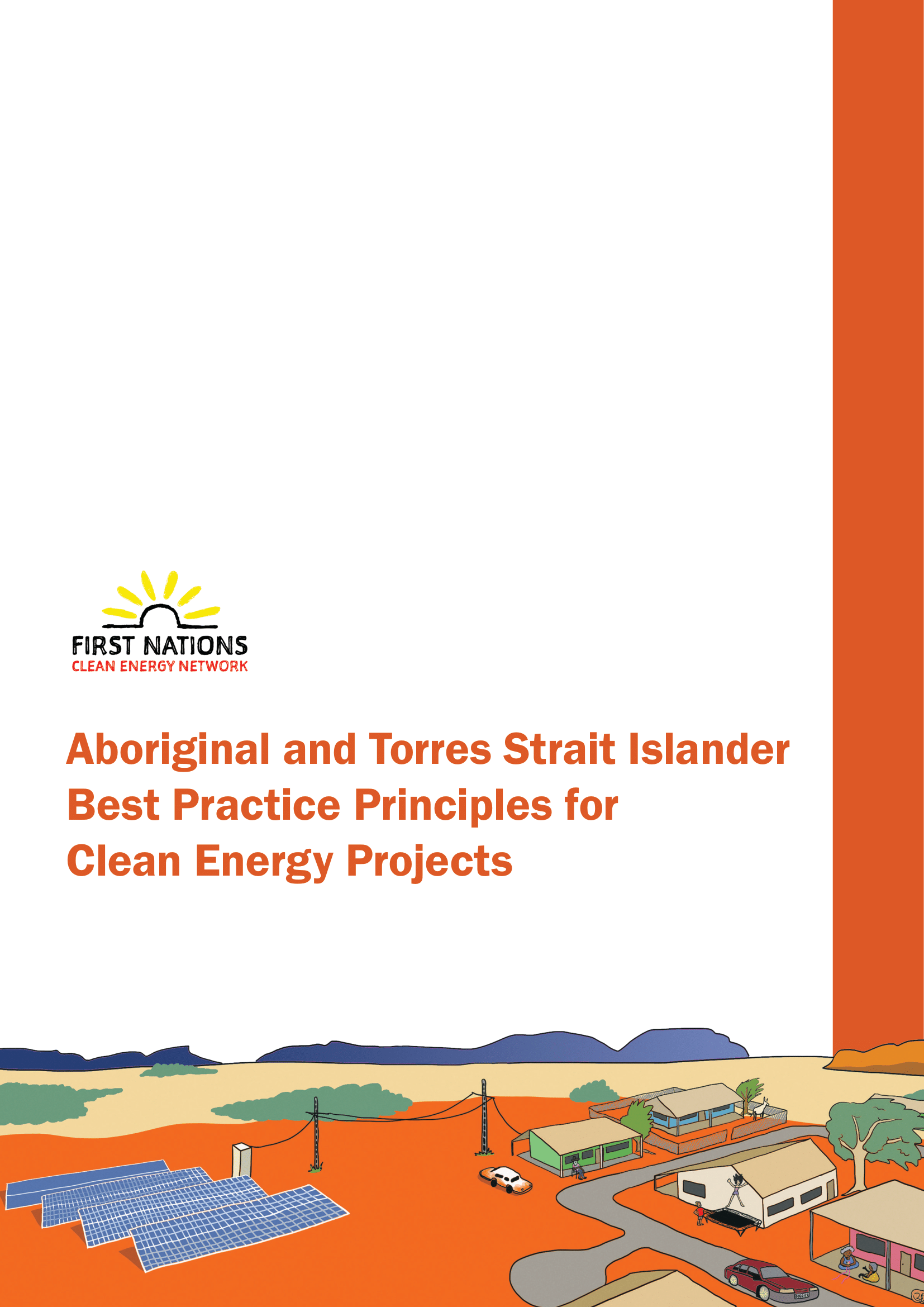
Aboriginal and Torres Strait Islander best practice principles for clean energy projects
Ten principles placing Australia's First Nations people and communities at the centre of clean energy projects. The Principles ensure that projects provide economic and social benefits, include cultural and environmental considerations, and provide employment opportunities. The Principles are for all stakeholders involved in clean energy projects, including investors and government.

Building peace and prosperity: What business can do
A brief look at the policies and actions stakeholders can do to confront and prevent violent conflict in high-risk areas. Actions are laid out for businesses, governments, the United Nations, investment community, and civil society. Multi-stakeholder initiatives to support building and investing in peace are presented.

Mapungubwe Institute for Strategic Reflection (MISTRA)
Mapungubwe Institute for Strategic Reflection, otherwise known as MISTRA, is an independent think tank that takes a long-term view on the strategic challenges facing South Africa, the continent and the globe. MISTRA supports public and private sector participants through generating research and creating platforms for engagement.

FAIRR's meat sourcing engagement series
The Global Investor Engagement on Meat Sourcing is an investor engagement series that documents collaborative dialogue between institutional investors and major food companies on managing environmental and supply-chain risks associated with meat and dairy sourcing, with a focus on climate, water and governance considerations.

Responsible sourcing: The business case for protecting land and environmental defenders and indigenous communities' rights to land and resources
This reports presents a business case for companies, particularly those with agricultural, timber and mineral supply chains, to take action on protecting and promoting rights of land and environmental defenders (LEDs). It also provides practical steps businesses can take to protect and promote these defenders’ rights.
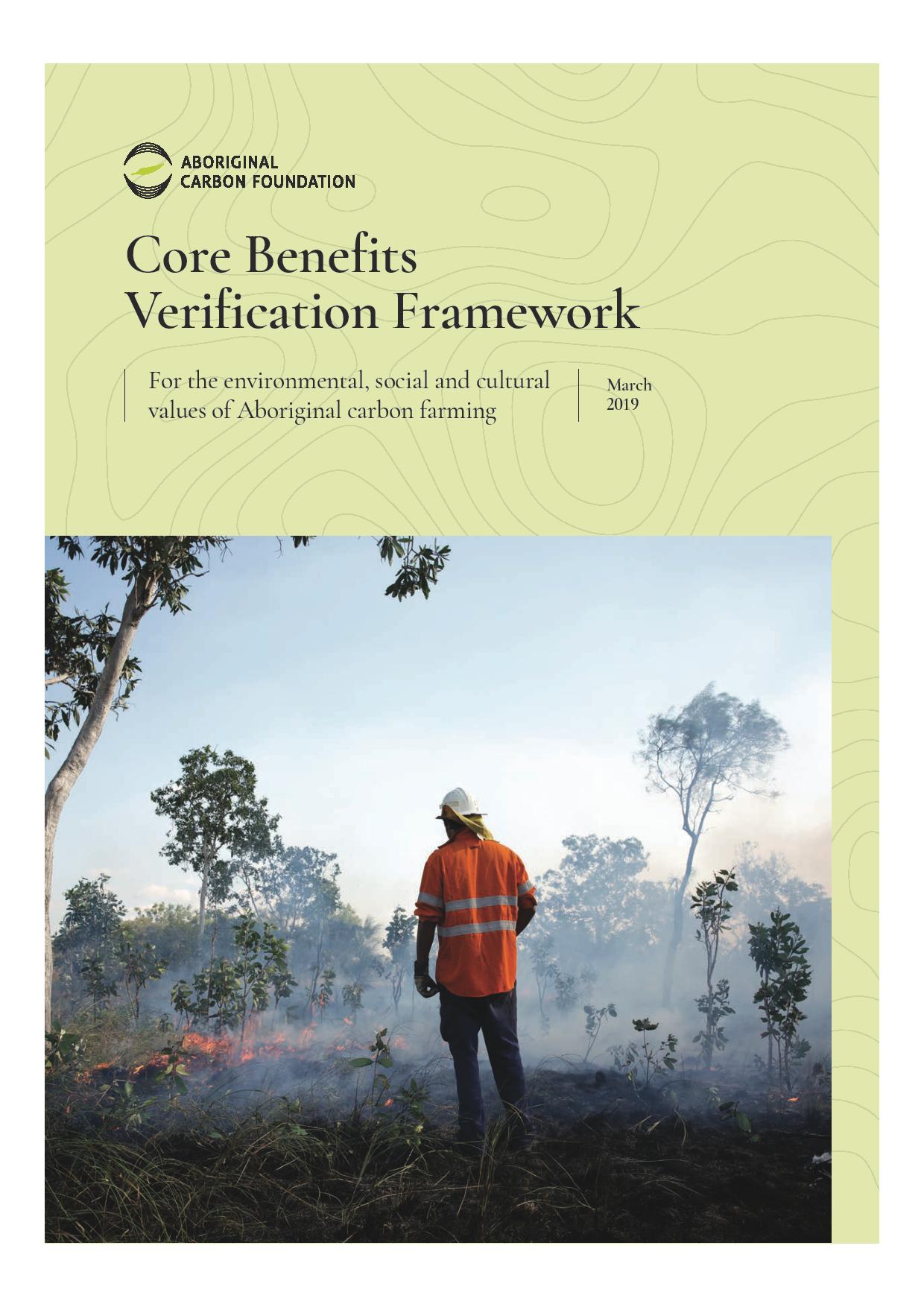
Core Benefits Verification Framework
The key principle of the Core Benefits Verification Framework is Indigenous ownership of the verification process. The framework creates the opportunity for Indigenous people to be the experts in the verification of environmental, social and cultural values associated with community development programs, such as carbon farming.

Investor toolkit: An investor focus on Indigenous Peoples' rights and cultural heritage protection
This toolkit guides investors on how to assess a company’s relationship with Indigenous stakeholders and its respect for their cultural heritage. The toolkit explains the impact of those issues on long-term financial value before providing detailed guidance on what investors should look for in a company's disclosure and engagement practices.

Rainforest Action Network
Rainforest Action Network (RAN) preserves forests, protects the climate and upholds human rights by challenging corporate power and systemic injustice through frontline partnerships and strategic campaigns. RAN campaigns to stop deforestation, defund climate change and support grassroots movements and affected communities.

Building back better with better jobs: Mainstreaming business models for decent work
Recent years have seen declining job security and working conditions as a result of increased outsourcing and 'gig economy' business models. This report serves as a guide on how businesses can build back from the global pandemic and create decent jobs without compromising business competitiveness and profitability.

Business Fights Poverty
A business-led collaboration network focused on social impact comprised of a global community passionate about building an equitable and resilient future. Business Fights Poverty believes in the power of business to help improve the lives, livelihoods and learning opportunities of the most vulnerable people and communities.

Energy Research & Social Science
Energy Research & Social Science is a peer-reviewed academic journal published by Elsevier that covers social science research on energy systems and energy and society. Established in 2014, it is now among the highest ranked journals on energy and social sciences. .
Blueprint for business leadership on the SDGs: A principles-based approach
Business cannot thrive unless people and planet are thriving. This publication presents a framework for the next generation of business leadership with the intention to foster contribution to the United Nations Sustainable Development Goals at scale.

Safeguarding human rights defenders: Practical guidance for investors
Provides targeted guidance for minority shareholders with investments in public equities and limited partners in private equities on how to identify, prevent, and mitigate risks to human rights defenders throughout their investments. Human rights defenders are individuals who, individually or with others, act peacefully to promote or protect human rights.


