
Library | ESG issues
Governance
The governance pillar in ESG (environmental, social, and governance) refers to the systems, policies, and practices that ensure an organisation is managed responsibly and ethically. It includes issues such as board structure, reporting & disclosures, shareholders & voting, and risk management. Strong governance reduces risks, enhances trust, and supports long-term business sustainability.
Refine
1881 results
REFINE
SHOW: 16


United Nations Environment Programme
United Nations Environment Programme (UNEP) is the principal global environmental authority responsible for setting the global environmental agenda and serving as an authoritative advocate for the global environment. UNEP drives the environmental element of the sustainable development plan put into place by the United Nations (UN).
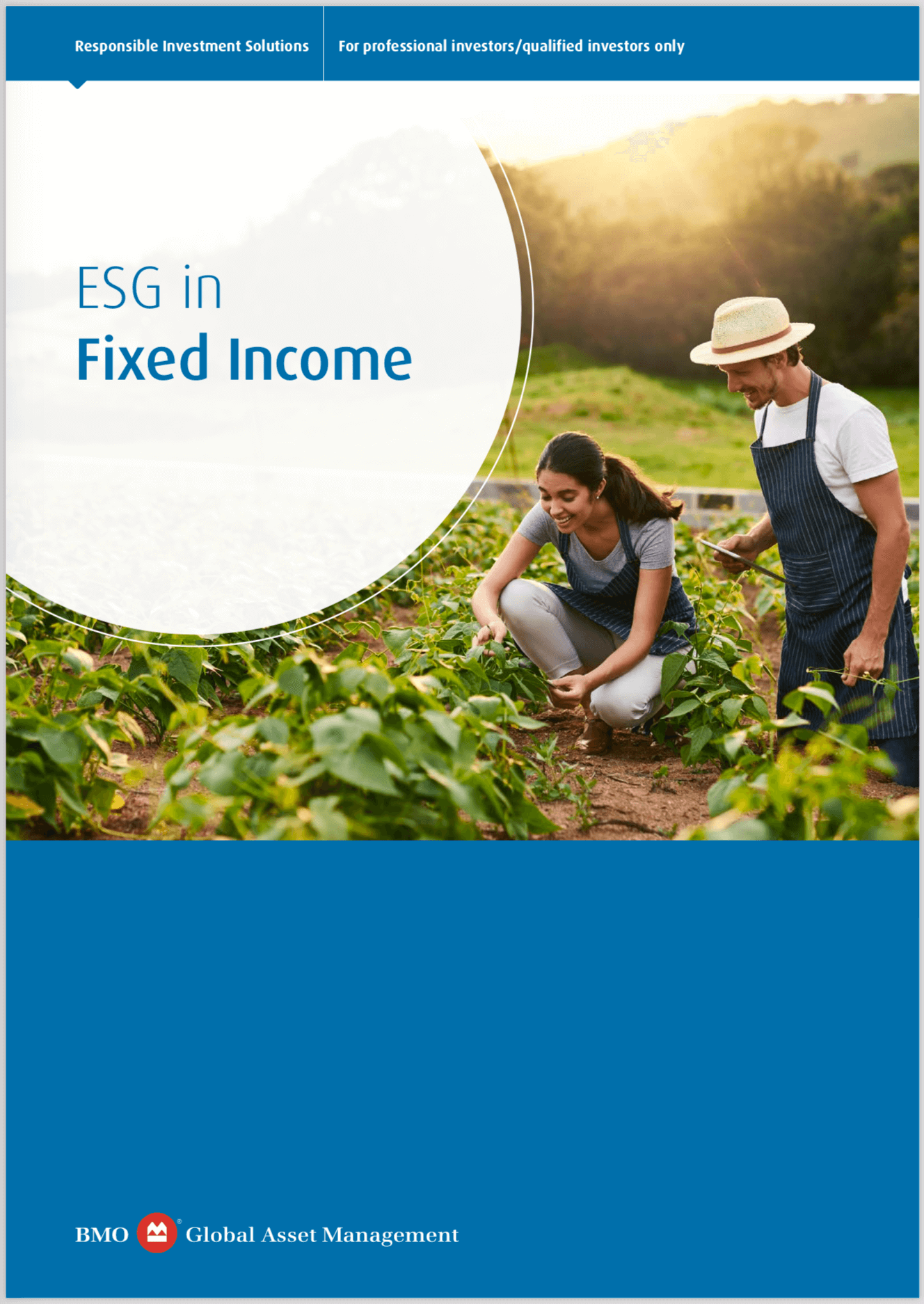
ESG in fixed income
This guide created by BMO Global Asset Management shows how and why they incorporate ESG factors and stewardship activities into their corporate fixed income investments and engagement approach. The guide also looks at how the growing sustainable bonds market is enabling fixed income investors to align investments with sustainability goals.

Sustainable investing and bond returns
A research study conducted by the Barclays Research team seeking to assess the link between environmental, social and governance (ESG) ratings and credit portfolio performance. In addition, the report provides a general overview over sustainable investing and the top trends driving the rapid rise of its popularity.

Finance Against Slavery and Trafficking (FAST)
FAST Initiative (Finance Against Slavery and Trafficking) works to mobilise the financial sector to combat modern slavery and human trafficking. It provides tools, resources, and guidance to financial institutions, policymakers, and businesses. FAST Initiative promotes responsible finance practices to prevent exploitation and supports global efforts to eradicate forced labour and trafficking.
BlackRock
BlackRock is a global investment manager and technology provider offering a range of solutions for institutions, financial professionals and individuals. Based in New York, USA, BlackRock is recognised as the world’s largest asset manager, with over US$7.43 trillion in assets under management.

T100 Powered Ascent report: Insights from the frontiers of impact investing 2018
The Powered Ascent report is the second in the T100 Impact Portfolio Series. The T100 Project is a longitudinal study of the impact investing experience of Toniic 100% Impact Network members. The report combines an analysis of investment portfolio data from 76 members with stories of their personal journeys.

Fixed income: An introduction to responsible investment
This guide provides an introduction on how investors can consider environmental, social and governance (ESG) issues when assessing fixed income instruments and their issuers. It outlines options for how to include ESG issues when building a fixed income portfolio and when working with issuers on how they manage ESG issues.
Fixed income investor guide: Putting responsible investment into practice in fixed income
This is a guide for fixed income investors to implement responsible investment (RI) principles. A key application is using environmental, social and governance (ESG) integration to determine an issuer's creditworthiness. Motivations for applying RI in fixed income vary from pursuing financial value through the management of risks and opportunities to ethical motivations and reputational concerns.

Toniic
Founded in 2010, Toniic is the global action community for impact investors. As a non-profit member organisation, Toniic serves individuals, family offices, foundations, endowments, investment companies, and members of the public, committed to aligning their investments with their values across all asset classes.

MIT Sloan School of Management
MIT Sloan School of Management is one of the five schools within Massachusetts Institute of Technology located in Cambridge, USA. One of the most renowned business schools in the world, it puts an emphasis on innovation and research.
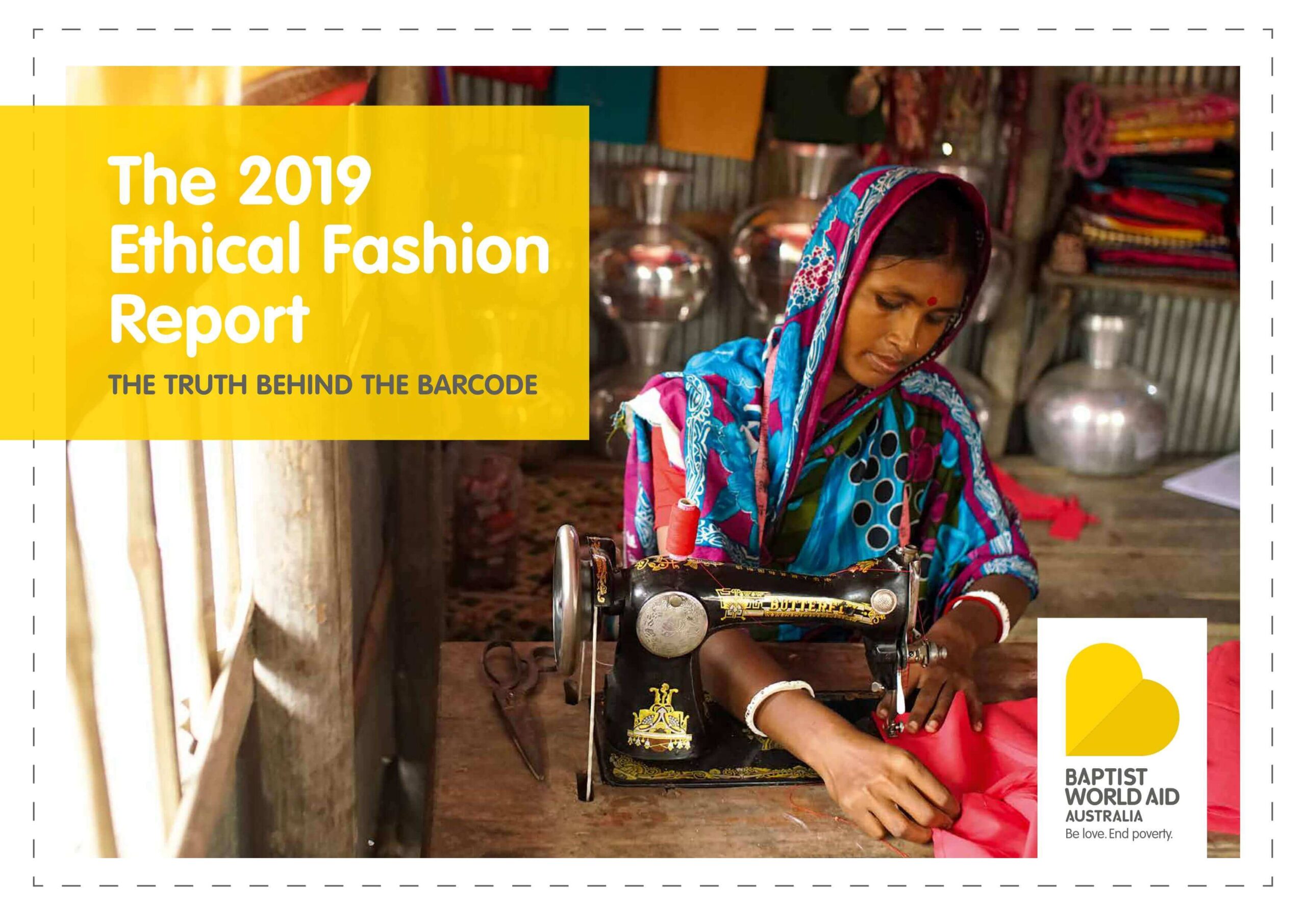
The 2019 ethical fashion report: The truth behind the barcode
The 2019 Ethical Fashion Report is Baptist World Aid's sixth consecutive report on labour rights and environmental management that grades 130 companies on their systems to mitigate against the risks of forced labour, child labour, and exploitation in their supply chains.

Institutional investors and the behavioral barriers to taking action on climate change
The report examines why leading climate investors are rapidly outpacing their peers despite having access to the same information. As part of the report, investment professionals and key stakeholders were surveyed and interviewed, revealing cognitive biases to be an important barrier to taking action on climate change.

Empty nets: How overfishing risks leaving investors stranded
In a report written under the Fish Tracker Initiative, this document provides an overview of seafood exposure in equity capital markets, focusing on fishing related risks. This report is written with the purpose of aligning the world's capital markets with sustainable management of fisheries and aquaculture.

Protecting our best interests: Rediscovering fiduciary obligation
ShareAction (formerly FairPensions) report on the fiduciary obligations of different types of investors, exploring how the interpretation of this relationship has shifted from its traditional meaning. A detailed analysis concludes with recommendations for government departments, regulators and investors, to ensure that fiduciary principles are indeed protecting beneficiaries.

FTSE Russell
FTSE Russell is a global provider of benchmarks, analytics and data solutions with multi-asset capabilities. It is a wholly owned subsidiary of London Stock Exchange Group, and is a unit of its Information Services Division.

Accounting for Sustainability (A4S)
Accounting for Sustainability aims to inspire action by finance leaders to drive a fundamental shift towards resilient business models and a sustainable economy. It achieves this through conducting research, publishing reports, hosting events and providing a networking platform for the finance and accounting community.


