
Library | ESG issues
Governance
The governance pillar in ESG (environmental, social, and governance) refers to the systems, policies, and practices that ensure an organisation is managed responsibly and ethically. It includes issues such as board structure, reporting & disclosures, shareholders & voting, and risk management. Strong governance reduces risks, enhances trust, and supports long-term business sustainability.
Refine
2256 results
REFINE
SHOW: 16


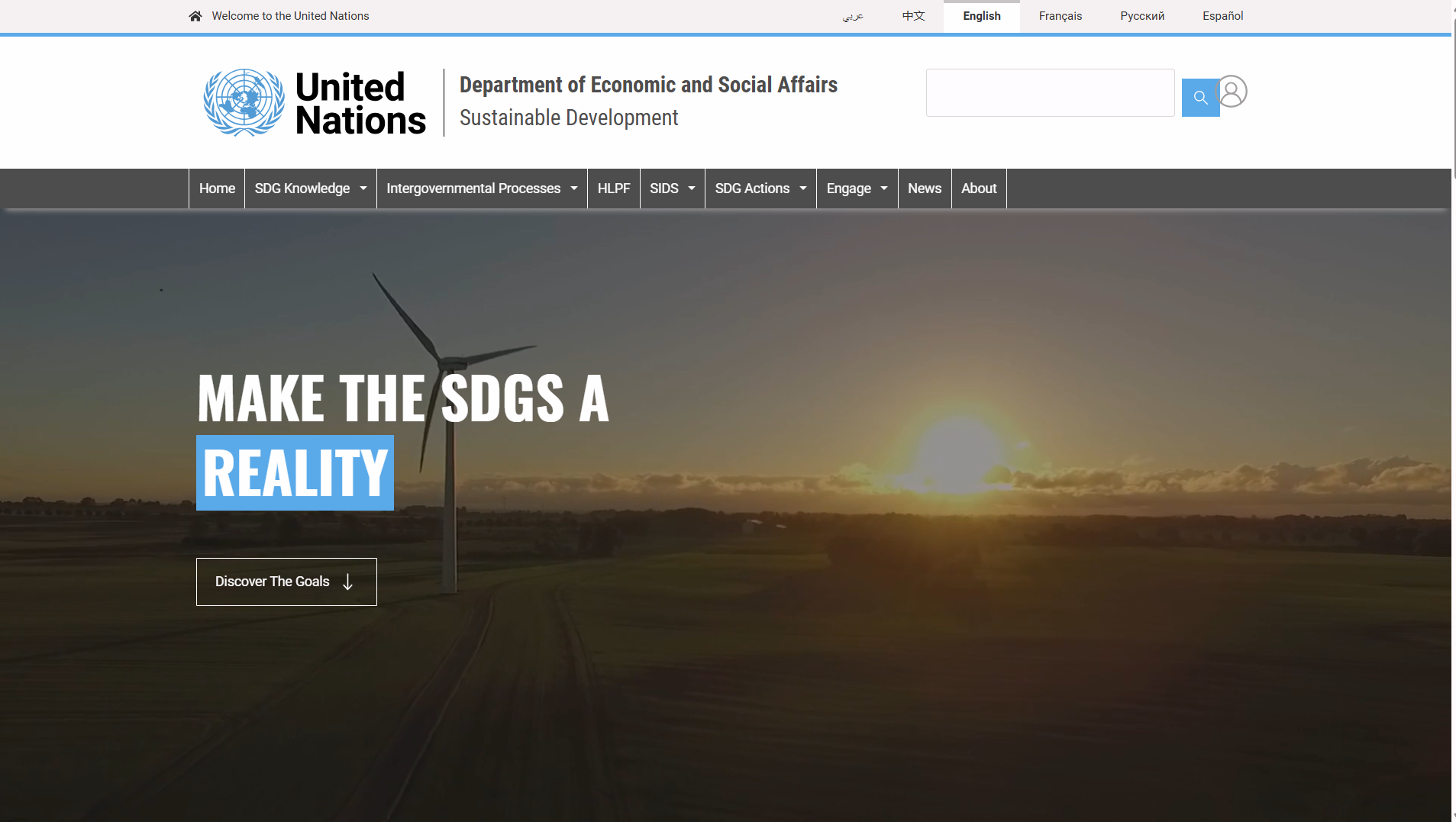
UN SDG Portal
The United Nations SDGs platform (sdgs.un.org) is an online hub for the 2030 Agenda and 17 Sustainable Development Goals, offering goals, targets, indicators, events, publications and global actions to track and support SDG implementation. It also includes registries of voluntary commitments and multi-stakeholder partnerships.
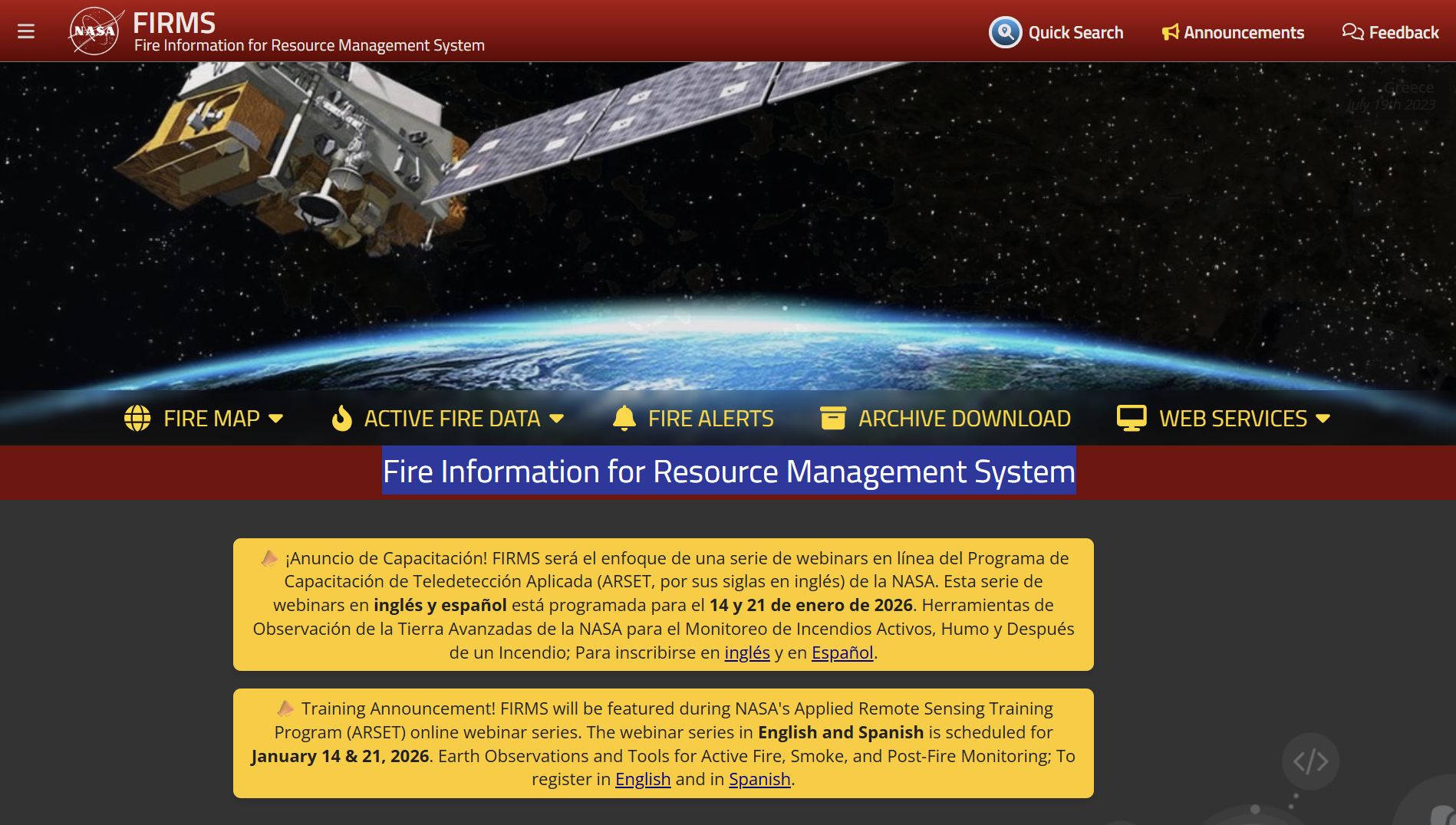
FIRMS Fire Information for Resource Management System
NASA’s Fire Information for Resource Management System (FIRMS) provides global near-real-time satellite data on active fires and thermal anomalies, viewable via interactive maps, alerts and downloadable files. It uses MODIS and VIIRS instruments to detect fire locations and deliver data within hours for monitoring, analysis and decision-making.
The twin transition century
This paper argues that Europe’s green transition depends on aligning digital transformation with sustainability goals. It outlines how digital research can both reduce its own environmental footprint and enable climate action, calling for long-term, interdisciplinary research investment and coordinated EU policy.
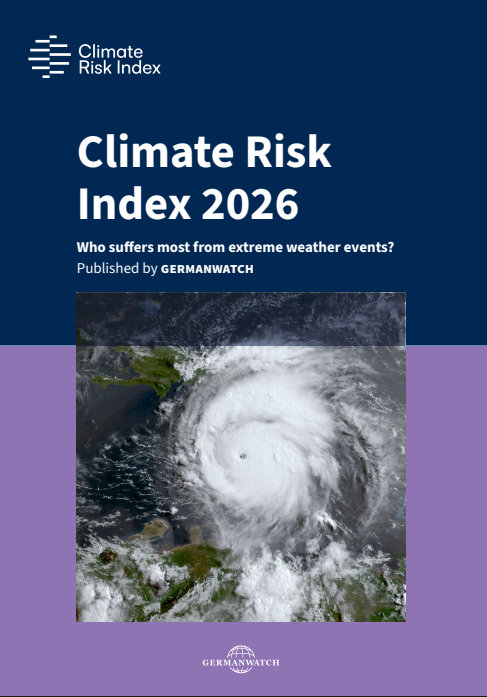
Climate risk index series
The Climate Risk Index is an annual benchmark series that compares countries’ exposure and vulnerability to extreme weather events using a consistent, historical, data-driven framework. Across all editions, it supports comparative assessment of physical climate risk over time and informs policy, risk analysis, and climate-aware financial decision-making.
Engaging the ICT sector on human rights series
This is a series of sector-wide risk assessment briefings for the Information and Communications Technology (ICT) sector. It examines salient human rights issues linked to ICT business models and technologies, providing a consistent analytical framework to support investor assessment, engagement, and governance analysis across multiple thematic areas.
Tools for circularity
This report outlines practical tools to help mining and metals companies integrate circular economy principles. It explains business drivers, regulatory context, metrics, and case studies, supporting financial and non-financial business cases for improved resource efficiency, value retention, and responsible production.
How the circular economy can revive the sustainable development goals: Priorities for immediate global action, and a policy blueprint for the transition to 2050
This report argues that embedding circular economy principles within the Sustainable Development Goals could revive stalled progress. It outlines five global policy priorities and proposes a 2050 blueprint linking circularity, inclusive growth, trade, finance and standards to post-2030 development agendas.
Food systems investing in East Africa: The roles of funds in financing food systems transformation
This report analyses 23 impact funds investing in East African food systems, assessing their design, impact alignment, and financing roles. It identifies gaps, good practices, and recommendations to strengthen agroecological and regenerative food systems investing.

New approaches and challenges regarding trade, climate action, and the WTO
The report analyses how WTO trade rules can support climate action. It assesses tools such as border carbon adjustments, standards, subsidies and technology policy, identifying legal gaps, development impacts and the need for coordinated reforms to align multilateral trade governance with climate objectives.
Scaling finance for nature: Barrier breakdown
This report analyses barriers to scaling private finance for nature, highlighting a US$700 billion annual biodiversity finance gap. It clarifies nature-positive finance, assesses risk–return challenges, regulatory gaps and data issues, and outlines instruments to redirect capital from harmful activities towards halting and reversing nature loss.
Assessing the credibility of a company’s transition plan: framework and guidance
This report presents a harmonised framework to assess the credibility of corporate climate transition plans. It defines core plan elements, assessment principles, and a four-step process to evaluate ambition, feasibility, consistency, governance, and financial alignment with Paris-aligned decarbonisation pathways.
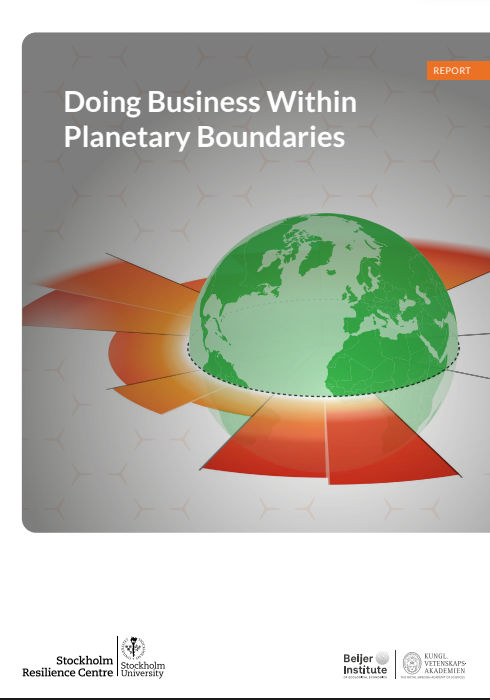
Doing business within planetary boundaries
This report argues that corporate reporting must incorporate absolute, location-specific environmental impacts aligned with planetary boundaries. It proposes science-based disclosures and the Earth System Impact score to improve assessment of cumulative nature-related risks, support credible investment decisions, and enhance comparability beyond carbon-focused metrics.
Defining climate finance justice: Critical geographies of justice amid financialized climate action
The article defines “climate finance justice” as a framework for analysing how financialised climate action shapes equity, power, and outcomes. It critiques climate finance mechanisms, including UNFCCC processes and voluntary carbon markets, and argues for justice-centred approaches that address historical responsibility, governance, and uneven impacts.
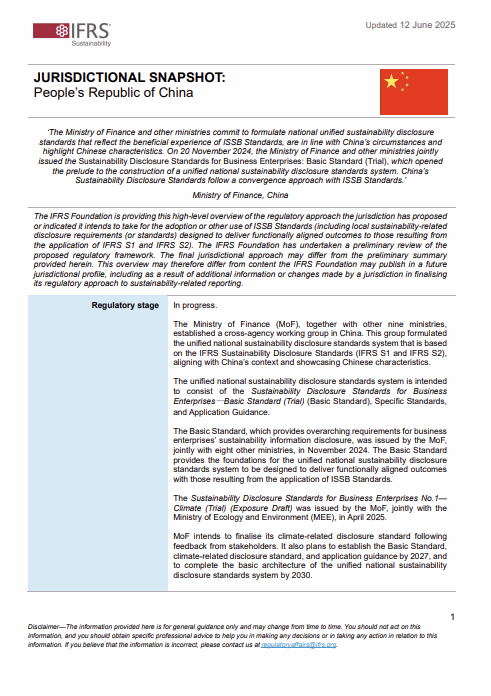
Jurisdictional snapshot: People’s Republic of China
China is developing unified national sustainability disclosure standards aligned with ISSB Standards. Led by the Ministry of Finance, the Basic Standard (Trial) was issued in November 2024, with climate disclosures proposed in 2025. Application is initially voluntary, with phased expansion and potential mandatory adoption by 2030.

Time to plan for a future beyond 1.5 degrees
The report argues that limiting warming to 1.5°C is no longer realistic and may hinder preparedness. It calls for acknowledging higher warming scenarios, accelerating mitigation, and adopting disruptive policy, financial, and governance approaches to manage climate and nature risks in a likely 2°C-plus world.
The 13th national risk assessment: Climate, the 6th “C” of credit
The report analyses US climate-driven mortgage risk, showing floods as the dominant driver of post-disaster foreclosures. Rising insurance costs, coverage gaps and falling property values create hidden credit losses. It argues climate risk should be treated as a sixth core credit assessment factor.


